
Choosing the best heating system for your house can feel overwhelming. You want to stay warm and comfortable, but also save money and energy.
What if there was a way to find the perfect heating option tailored just for your home? You’ll discover clear, simple answers to help you make the right choice. By the end, you’ll know exactly what heating system fits your needs, budget, and lifestyle—so you can enjoy cozy winters without stress.
Keep reading to find out more!
Types Of Heating Systems
Choosing the right heating system affects your home’s comfort and energy bills. Different systems work best in different climates and homes. Understanding the types of heating systems helps you pick the best option for your house. Each system uses a unique way to produce and distribute heat. Here are the main types of heating systems commonly used in homes.
Furnaces
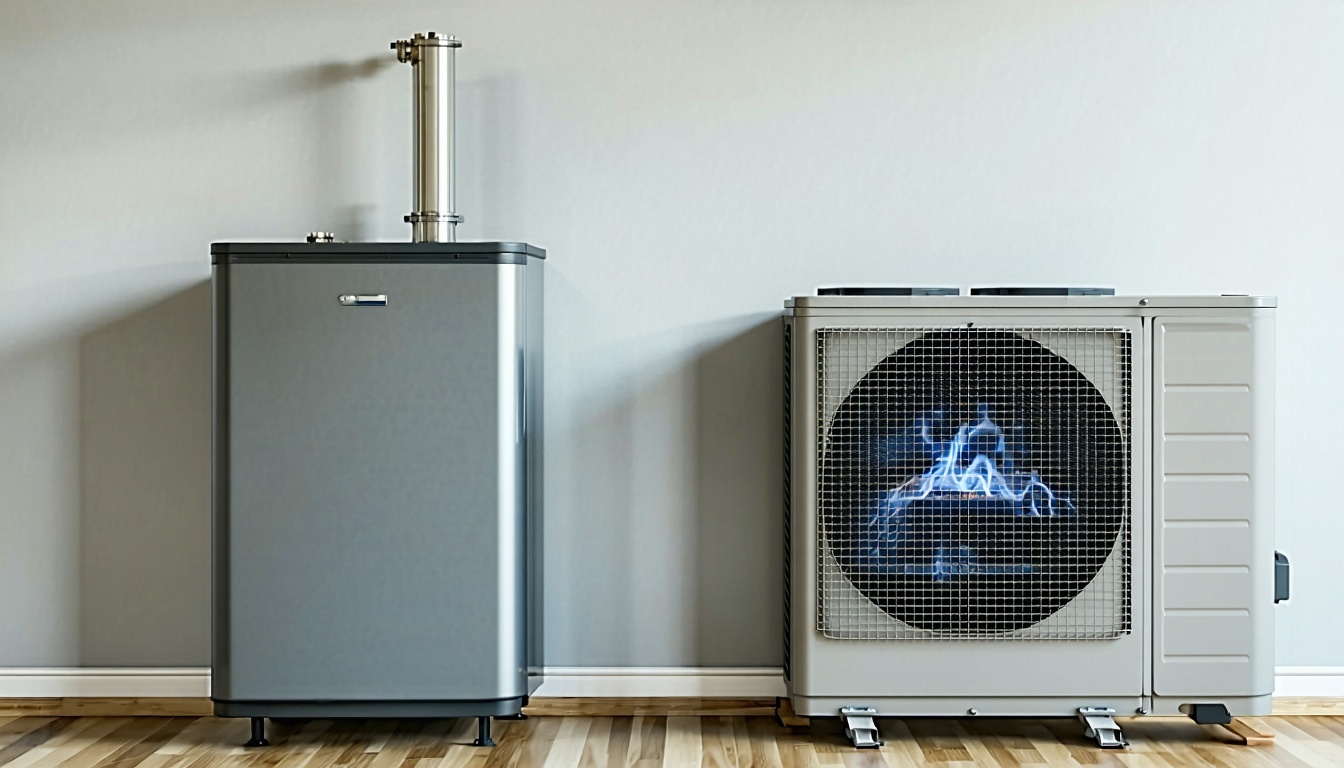
Furnaces heat air and push it through ducts in the house. They usually run on natural gas, oil, or electricity. Furnaces provide quick and strong heat. They work well in cold climates. Maintenance is important to keep furnaces efficient and safe.
Boilers
Boilers heat water and send steam or hot water through pipes. This heats radiators or floors. Boilers use gas, oil, or electricity. They offer gentle, even heat. Boilers are quiet and good for homes with radiators or radiant floors.
Heat Pumps
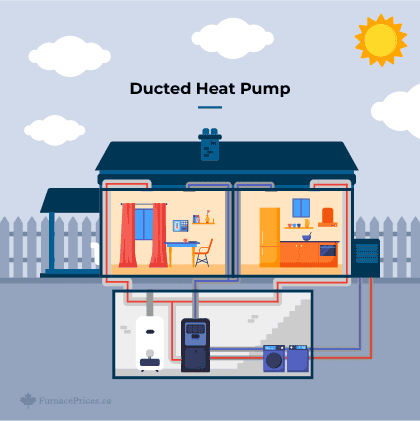
Heat pumps move heat from outside to inside. They work like air conditioners but in reverse. Heat pumps use electricity and are very energy efficient. They can heat and cool a home. Best for mild climates but modern models work in colder areas too.
Radiant Heating
Radiant heating warms floors or walls directly. Heat comes from electric wires or hot water tubes under the floor. This system feels very comfortable and reduces dust movement. Radiant heating is silent and energy efficient. It works well with tile, wood, or carpet floors.
Electric Heaters
Electric heaters convert electricity into heat using coils or panels. They are easy to install and control. Electric heaters work well in small spaces or as backup heat. They cost more to run than gas or oil systems. Good for homes without other heating options.
Credit: www.nicholsonheatingservices.co.uk
Energy Efficiency Comparison
Choosing the best heating system depends largely on energy efficiency. Energy efficiency affects your monthly bills and environmental impact. This section breaks down key factors that influence heating system efficiency. Understanding these can help you pick the most cost-effective and eco-friendly option for your home.
Fuel Types And Costs
Different heating systems use various fuels, each with unique costs and availability. Common fuel types include:
- Natural gas
- Electricity
- Propane
- Heating oil
- Wood or pellets
Natural gas is often cheaper than electricity but varies by region. Propane and heating oil usually cost more. Wood and pellets can be affordable but need more maintenance. Fuel prices change seasonally and can affect your heating expenses significantly.
Seasonal Efficiency Ratings
Heating systems have seasonal efficiency ratings that show performance over time. Two common ratings are:
- AFUE (Annual Fuel Utilization Efficiency):Measures fuel heating efficiency for furnaces and boilers.
- HSPF (Heating Seasonal Performance Factor):Measures heat pump efficiency during the heating season.
Higher ratings mean less fuel is needed to heat your home. Modern heat pumps can reach HSPF values above 10, making them very efficient. Gas furnaces typically have AFUE ratings between 80% and 98%. Check these ratings before buying to ensure good efficiency.
Energy Consumption Patterns
Energy use depends on your home’s size, insulation, and climate. A large home in a cold area uses more energy. Heating systems with variable speed or modulating features adjust output to save energy. Systems that run continuously at low levels often consume less power than those that start and stop frequently.
Electric heat pumps use less energy in mild climates. Gas furnaces may perform better in very cold regions. Understanding your home’s needs helps choose a system that matches your energy consumption patterns and reduces waste.
Installation And Maintenance
Choosing the right heating system involves more than just efficiency and cost. Installation and maintenance play key roles in how well the system performs over time. Understanding these factors helps homeowners make smart decisions for comfort and savings.
Initial Setup Requirements
Heating systems vary in their installation needs. Some systems require professional setup due to complex wiring or ductwork. Others might be simpler and fit into existing spaces easily.
- Gas furnaces often need a gas line connection and venting.
- Electric heaters usually require proper electrical wiring and circuit capacity.
- Heat pumps may need outdoor units and refrigerant lines installed.
- Radiant floor heating demands planning during construction or floor renovation.
Installing the right system depends on your home’s layout and existing infrastructure. A professional assessment ensures compatibility and safety.
Routine Maintenance Needs
Regular upkeep keeps heating systems running efficiently. Maintenance tasks differ by system type and complexity.
- Filters in furnaces and heat pumps need changing or cleaning every 1-3 months.
- Boilers require annual checks for leaks and pressure settings.
- Electric heaters benefit from dust removal to prevent overheating.
- Duct cleaning improves air flow and reduces allergens.
Scheduling routine inspections prevents breakdowns and extends system life. Simple maintenance can lower energy costs.
Lifespan And Durability
The expected lifespan varies widely between heating systems. Durability depends on build quality and usage.
| Heating System | Average Lifespan | Durability Notes |
|---|---|---|
| Gas Furnace | 15-20 years | Sturdy but needs regular servicing to avoid wear. |
| Electric Heater | 10-15 years | Less durable but low maintenance. |
| Heat Pump | 10-15 years | Efficient but sensitive to extreme weather. |
| Radiant Floor Heating | 25-40 years | Highly durable if installed properly. |
Choosing a system with a longer lifespan reduces replacement frequency. Durability depends on quality and proper care.

Credit: www.youtube.com
Comfort And Performance
Choosing the best heating system for your home is about more than just energy efficiency. Comfort and performance play a huge role in how satisfied you’ll be with your heating throughout the cold months. How evenly your home warms, the noise it produces, and how easily you control the temperature all affect your daily living experience.
Heat Distribution
Heat distribution determines how warm each room in your home feels. Systems like radiant floor heating provide consistent warmth by heating the floor, which naturally rises to warm the entire space. On the other hand, forced air systems can create hot and cold spots if not properly balanced.
Think about how you use your rooms. Do you need even heat everywhere, or just in certain areas? Choosing a system with good zoning options can help you save energy and improve comfort by focusing heat where you need it most.
Noise Levels
No one wants a noisy heating system disrupting their peace. Traditional forced air systems often have fans and blowers that create background noise. If you’re sensitive to sound, consider radiant or hydronic heating, which operate almost silently.
Have you ever noticed your heating system humming or clicking at night? That constant noise can affect your sleep and overall comfort. Prioritize quieter systems if you value a calm and restful home environment.
Temperature Control Options
How you control your heating can make a big difference in comfort. Modern systems offer smart thermostats that learn your schedule and adjust temperatures automatically. This means no more manual adjustments or coming home to a cold house.
Do you prefer simple controls or advanced features? Some systems allow you to control temperatures room-by-room, which can reduce energy waste and give you personalized comfort. Look for heating systems that match your lifestyle and control preferences.
Environmental Impact
Understanding the environmental impact of your heating system is crucial for making a responsible choice. Your home’s heating method not only affects your comfort but also shapes your carbon footprint and energy use. Let’s examine the key factors that influence the eco-friendliness of heating options.
Carbon Footprint
The carbon footprint of a heating system reflects how much greenhouse gas it releases. Systems using fossil fuels like natural gas or oil generally emit more CO2. Electric heat pumps, especially when powered by clean electricity, produce far less carbon pollution.
Think about your local energy sources—if your electricity comes from coal, even electric systems might not be clean. Have you checked where your power comes from lately? Reducing your home’s carbon footprint starts with knowing this.
Renewable Energy Integration
Heating systems that work well with renewable energy can significantly cut your environmental impact. Heat pumps, solar thermal panels, and biomass boilers can all use sustainable energy sources. This means you can run your home heating with sunlight, air, or organic materials instead of fossil fuels.
Some systems even let you store excess solar energy for night-time use. Imagine using the sun’s power 24/7 to heat your home. Are you ready to shift towards a system that supports green energy and reduces your reliance on the grid?
Emissions Regulations
Government rules are tightening to control heating emissions. Many regions now require heating systems to meet strict environmental standards. This pushes manufacturers to innovate cleaner technologies and phase out older, polluting models.
Choosing a heating system compliant with these regulations not only keeps you legal but future-proofs your home. Have you looked into your area’s heating emission rules? Staying informed helps you avoid costly upgrades later and contributes to cleaner air.
Cost Considerations
Choosing the best heating system for your home involves more than just comfort and efficiency. Cost plays a major role in your decision. Understanding the different expenses tied to heating systems helps you plan better and avoid surprises.
Upfront Costs
The initial price of installing a heating system varies widely. Traditional gas furnaces usually have a lower upfront cost compared to heat pumps or radiant floor heating. But don’t overlook installation fees, which can be higher for complex systems like geothermal heating.
Think about your budget: Can you afford a higher upfront investment that might pay off later? Sometimes spending more initially can save money down the road.
Operating Expenses
Operating costs include fuel or electricity bills and regular maintenance. Electric heat pumps often cost less to run than gas furnaces, especially if your electricity rates are reasonable. On the other hand, older systems or those with inefficient parts can drain your wallet quickly.
Ask yourself how much you’re willing to spend each month keeping your home warm. Could a more efficient system reduce those bills enough to justify switching?
Potential Savings And Incentives
Many local and federal programs offer rebates or tax credits for upgrading to energy-efficient heating systems. These incentives can significantly cut your overall expense. For example, installing a certified heat pump might qualify you for a government rebate that covers a portion of the cost.
Also, investing in a modern system can increase your home’s value. Have you checked what incentives are available in your area? Missing out could mean paying more than necessary.
Choosing The Right System
Choosing the right heating system for your house is more than just picking the most popular option. It requires a thoughtful look at several key factors that affect how efficiently and comfortably your home will stay warm. Understanding these elements helps you invest in a system that fits your lifestyle and budget, avoiding costly mistakes.
Climate Factors
Your local climate plays a major role in deciding the best heating system. If you live in a region with harsh winters, a powerful and reliable system like a heat pump or a gas furnace might be necessary. Milder climates could allow for less intense systems such as electric heaters or radiant floor heating.
Think about how often your heating system will run. Is it a few weeks or several months a year? Systems designed for extreme cold often consume more energy, so you want one that matches the climate without wasting power.
Home Size And Insulation
The size of your home directly impacts the type of heating system you need. Larger homes usually require systems with higher capacity to ensure every room stays warm. Smaller homes or apartments might manage well with compact units or portable heaters.
Insulation quality is equally important. A well-insulated house retains heat better, meaning you can use a smaller, more energy-efficient system. Poor insulation forces your system to work harder, increasing energy bills and wear on the equipment.
Personal Preferences
Your personal comfort preferences and lifestyle should influence your choice. Do you want quick warmth or steady, gradual heat? Some people prefer traditional radiators, while others like modern underfloor heating for its even temperature.
Consider maintenance too. If you don’t want to deal with regular upkeep, systems like electric heaters or heat pumps might suit you better than wood-burning stoves. What sounds more convenient and comfortable for your daily routine?

Credit: thelenmechanical.com
Frequently Asked Questions
What Are The Types Of Home Heating Systems?
Home heating systems include furnaces, boilers, heat pumps, and radiant floor heating. Each type has unique advantages, efficiency levels, and costs. Choosing the right one depends on your climate, budget, and home size. Always consider energy efficiency and installation costs when selecting a heating system.
Which Heating System Is Most Energy-efficient?
Heat pumps are often the most energy-efficient. They transfer heat rather than generating it, reducing energy use. Modern heat pumps can offer efficiency rates up to 300%. They work best in moderate climates. Always check the seasonal energy efficiency ratio (SEER) for optimal performance.
How Do Heat Pumps Work In Winter?
Heat pumps extract heat from outside air, even in cold temperatures. They transfer this heat indoors to warm your home. Advanced models work efficiently in freezing conditions, providing consistent warmth. Consider a supplemental heating system for extreme cold. Regular maintenance ensures optimal performance and efficiency.
Are Radiant Floor Systems Expensive To Install?
Radiant floor heating systems are often expensive to install. Costs vary based on the system type and home size. However, they offer superior comfort and energy savings in the long run. Consider this investment for its long-term benefits, particularly in colder climates or for specific room installations.
Conclusion
Choosing the best heating system depends on your home and needs. Consider energy efficiency, cost, and ease of use. Some systems work better in cold climates; others save more money. Think about installation and maintenance too. A good heating system keeps your home warm and comfortable.
Take time to research and compare options. The right choice helps you save energy and stay cozy. Your perfect heating system is out there. Find one that fits your lifestyle and budget well.