
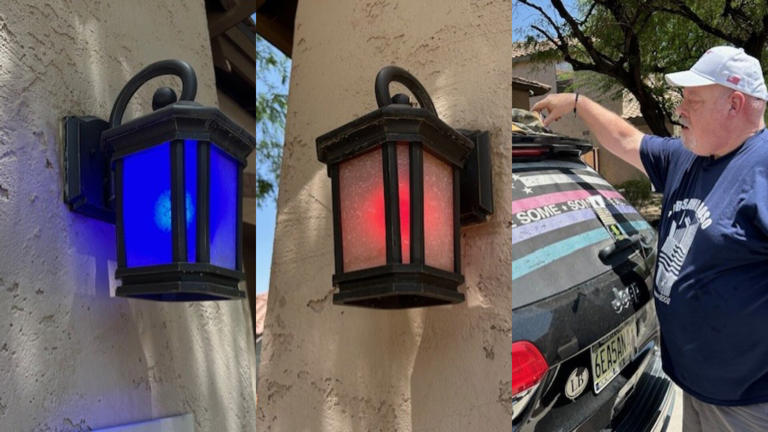
Have you ever noticed blue lights glowing on a house and wondered what they mean? It’s a curious sight that can catch your attention and leave you asking questions.
You might think it’s just decoration, but there’s often a deeper reason behind those blue lights. Understanding their meaning can help you connect with your community and even show support in meaningful ways. Keep reading, and you’ll discover the surprising reasons behind blue lights on houses—and why they matter to you.

Credit: atmosfx.com
History Of Blue Lights On Homes
The tradition of placing blue lights on homes dates back many years. It began as a way to honor and show support for certain groups of people. Over time, the meaning of blue lights has grown and changed in different communities.
Understanding the history of blue lights on houses helps us appreciate their significance today. This simple act of lighting a blue bulb carries deep messages of respect and remembrance.
The Origin Of Blue Lights On Homes
The blue light tradition started during World War II. Families placed blue bulbs in their windows to honor loved ones serving in the military. It was a quiet but powerful sign of hope and connection.
Blue Lights As A Symbol Of Support
Later, blue lights became a symbol for supporting law enforcement officers. Many communities use blue lights to show respect for police and first responders. This helps build a sense of unity and gratitude.
Modern Uses And Meanings
Today, blue lights on homes can mean various things. Some use them to raise awareness for health causes like autism or child abuse prevention. Others keep the tradition to remember those who serve or have served in the military.
Cultural Significance
The blue lights on a house carry deep cultural meanings across the world. They often symbolize more than just decoration. Many cultures use blue lighting to convey messages, show respect, or create a certain mood. Understanding these cultural links helps explain why blue lights appear in different homes.
Western Traditions
In many Western countries, blue lights symbolize support and awareness. They often honor police officers and first responders. Blue lights show respect for those who protect the community.
During certain times, like Autism Awareness Month, blue lights help raise awareness. Homes and buildings light up blue to spread understanding. It is a visual way to unite people around a cause.
Some Western homes use blue lights during holidays. Blue can represent calm, peace, or winter themes. It creates a cozy and inviting atmosphere.
Eastern Interpretations
In Eastern cultures, blue lights often hold spiritual meaning. Blue represents healing, tranquility, and protection. Homes might use blue lighting to invite peace and positive energy.
Blue lights can also symbolize immortality or the divine in some Asian traditions. People believe the color helps connect with higher powers.
In certain festivals, blue lights decorate homes to ward off evil spirits. The light acts as a shield, keeping the family safe.
Support For Law Enforcement
Displaying blue lights on a house is a simple yet powerful way to show support for law enforcement officers. It serves as a visible sign that you recognize the challenges police face daily. But beyond just a symbol, this gesture connects communities and officers in meaningful ways.
Origins Of The Movement
The tradition of using blue lights began in the early 2000s as a grassroots effort. Families and communities started placing blue bulbs in their windows to honor officers who lost their lives in the line of duty. Over time, this practice grew into a broader movement, spreading across states and gaining official recognition in many areas.
What started as a quiet tribute quickly became a nationwide sign of respect. You might be surprised to learn that the blue light also signals solidarity during times of crisis or after major incidents involving police. It reminds everyone that the sacrifices made by officers don’t go unnoticed.
Impact On Community Relations
Blue lights can help bridge gaps between law enforcement and the communities they serve. When you light up your home, it opens a door for conversations about safety, trust, and mutual respect. These small acts encourage understanding and show officers that their efforts are appreciated.
However, the impact depends on how communities use this symbol. It’s important to pair the blue light with actions like attending local meetings or supporting police programs. Have you ever thought about how a simple blue glow outside your window could spark meaningful dialogue in your neighborhood?
- Fosters a sense of shared responsibility for safety
- Promotes positive interactions beyond routine enforcement
- Encourages empathy for the difficult decisions officers face
Supporting law enforcement through the blue light is more than just a trend—it’s a way to build stronger, safer communities where everyone feels valued.
Autism Awareness
Blue lights on houses often symbolize support for autism awareness. This color choice helps spread knowledge about autism spectrum disorder. It shows care and acceptance for people living with autism. Lighting up homes with blue creates a visual reminder to understand and include everyone.
Light It Up Blue Campaign
The Light It Up Blue campaign began to raise awareness worldwide. It encourages individuals and organizations to display blue lights in April. This month is recognized as Autism Awareness Month. The blue glow shines as a symbol of hope and support for families affected by autism.
The campaign also promotes education about autism. It helps break down myths and reduce stigma. Many landmarks, homes, and businesses join this effort every year. Their participation makes the message stronger and more visible.
Global Reach And Influence
The blue light symbol has spread across many countries. It connects people globally who care about autism. This simple act creates a sense of community and shared purpose. It inspires conversations about autism in homes, schools, and workplaces.
Countries adopt the blue light to highlight the need for acceptance. It reminds everyone to value the strengths and challenges of autistic individuals. The widespread use of blue lights shows growing awareness and respect worldwide.
Memorial And Tribute Uses
Blue lights displayed on a house often carry deep emotional significance. They serve as powerful symbols of remembrance and respect. Many communities use these lights to create a visible tribute that connects individuals to shared stories of loss and honor.
Honoring Fallen Heroes
Blue lights frequently signify respect for those who have sacrificed their lives in service. Police officers, military personnel, and first responders are commonly remembered this way. Seeing a blue light on a home can prompt you to pause and reflect on the bravery behind the symbol.
One family I know places a blue light outside every year on Memorial Day. It’s their way of keeping the memory of their loved one alive in the neighborhood. This small act reminds neighbors of the personal cost behind public safety and freedom.
Community Mourning Practices
Communities use blue lights to express collective grief during difficult times. They offer a way for people to show support without words. You might notice clusters of blue-lit homes after a local tragedy or to honor a lost community member.
These displays create a shared space for mourning that connects people beyond traditional ceremonies. They invite you to participate in a silent, yet powerful, gesture of unity and compassion. Have you ever walked through a neighborhood where blue lights tell a story of loss and hope?

Credit: soundpro.com
Symbolism In Modern Celebrations
Blue lights on a house carry a special meaning in today’s celebrations. They are not just decorative choices but symbols that reflect values, support, and milestones. Understanding these meanings can change how you see your neighborhood and even inspire your own use of color in celebrations.
Holiday Decorations
Some communities use blue to show support for causes during holidays, such as honoring law enforcement officers or raising awareness for autism. If you notice blue lights on a house, consider what message they might be sending beyond just festive cheer. Have you ever thought about what colors you choose for your holiday decorations and why?
Personal Milestones
Blue lights also mark personal achievements or challenges. Families sometimes light their homes in blue to celebrate a baby boy’s birth or a significant birthday. It’s a simple way to share joy with neighbors without words.
Others use blue lights to show solidarity during tough times, like supporting a loved one with a health condition. It’s a visible sign of connection and strength. Could you use colored lights to tell your story or support someone you care about?
Controversies And Misunderstandings
Blue lights on houses often spark debates and confusion. Many people see them and wonder about their true meaning. This section explores the controversies and misunderstandings that surround this symbol. It highlights public views and common errors in interpretation.
Public Perception Challenges
Blue lights can mean different things to different people. Some think they honor law enforcement officers. Others see them as signs of support for various causes. This variety causes mixed feelings and opinions.
Neighbors may feel unsure or uneasy about blue lights. They might associate them with emergencies or warnings. Such reactions can lead to misunderstandings and even disputes.
Media coverage sometimes adds confusion. Stories linking blue lights to protests or political messages increase tension. This shapes how communities react and view the symbol.
Clarifying Misinterpretations
Many myths surround blue lights on homes. Some believe they signal danger or distress. Others think they show political or social allegiance.
The truth is simpler. Blue lights often show support for police or raise awareness for specific health issues. Clear communication can reduce confusion.
Explaining the reason behind the blue light helps neighbors understand. It promotes respect and prevents false assumptions.

Credit: parade.com
How To Choose Blue Lights
Choosing blue lights for your house involves more than just picking a color. Consider the style, purpose, and placement. The right blue light can send a meaningful message and enhance your home’s look. Think about brightness, energy use, and how the light blends with your house design.
Types Of Blue Lighting
- LED Bulbs:Energy-efficient and long-lasting. Available in many shades of blue.
- String Lights:Great for decoration. Easy to wrap around porch or windows.
- Spotlights:Used to highlight specific areas like doors or garden features.
- Neon Lights:Bright and eye-catching. Ideal for a bold statement.
- Solar Lights:Eco-friendly and cost-effective. Charge during the day, light up at night.
Installation Tips
- Check the power source and voltage before buying lights.
- Use waterproof lights for outdoor use to avoid damage.
- Place lights where they are visible but not too bright to disturb neighbors.
- Secure lights properly to prevent them from falling or being blown away.
- Test lights before final installation to ensure they work correctly.
- Consider hiring a professional for complex wiring or installations.
Frequently Asked Questions
What Do Blue Lights On A House Symbolize?
Blue lights on a house often symbolize support for law enforcement officers. They show appreciation and solidarity with police and first responders. This display can also raise awareness about public safety and community protection efforts.
Why Do People Put Blue Lights Outside Homes?
People put blue lights outside homes to honor police officers and emergency services. It is a visual sign of respect and gratitude for their service and sacrifices. It also promotes community unity and safety awareness.
Are Blue Lights On Houses Linked To Any Awareness Campaigns?
Yes, blue lights on houses are linked to various awareness campaigns. They often represent support for law enforcement and mental health awareness. These lights help spread important messages about safety and community care.
Can Blue Lights Indicate A Medical Emergency At Home?
Blue lights on a house do not typically indicate a medical emergency. They are mostly used for symbolic support or awareness purposes. Emergency vehicles use flashing blue lights, not static blue lights on homes.
Conclusion
Blue lights on a house often show support and respect. They can honor police officers or raise awareness for autism. Many people use them to send a clear message of care. The meaning might change by community or event. Watching for these lights helps you understand local causes.
They stand out, reminding us to pay attention. Next time you see blue lights, remember their deeper meaning. It’s a small sign with a big message.