
Choosing the right color for your dining room curtains might seem simple, but it can completely change the way your space feels. You want curtains that not only look good but also create the perfect mood for your meals and gatherings.
Are you aiming for a cozy, warm atmosphere or a bright, lively space? The color you pick can make your dining room inviting and stylish or dull and mismatched. Keep reading, and you’ll discover easy tips to find the perfect curtain color that fits your style and makes your dining room shine.

Credit: www.veranda.com
Choosing Curtain Colors
Choosing the right curtain colors for your dining room can transform the entire atmosphere. The color you pick should complement the existing elements while enhancing the room’s character. Think about how colors interact with your furniture, walls, and lighting before making a decision.
Matching Existing Decor
Look closely at your dining room’s current color palette. Curtains that match or complement your furniture and wall colors create a cohesive look. For example, if your dining chairs have deep blue upholstery, curtains in a lighter shade of blue or neutral tones like beige can tie the room together without overwhelming it.
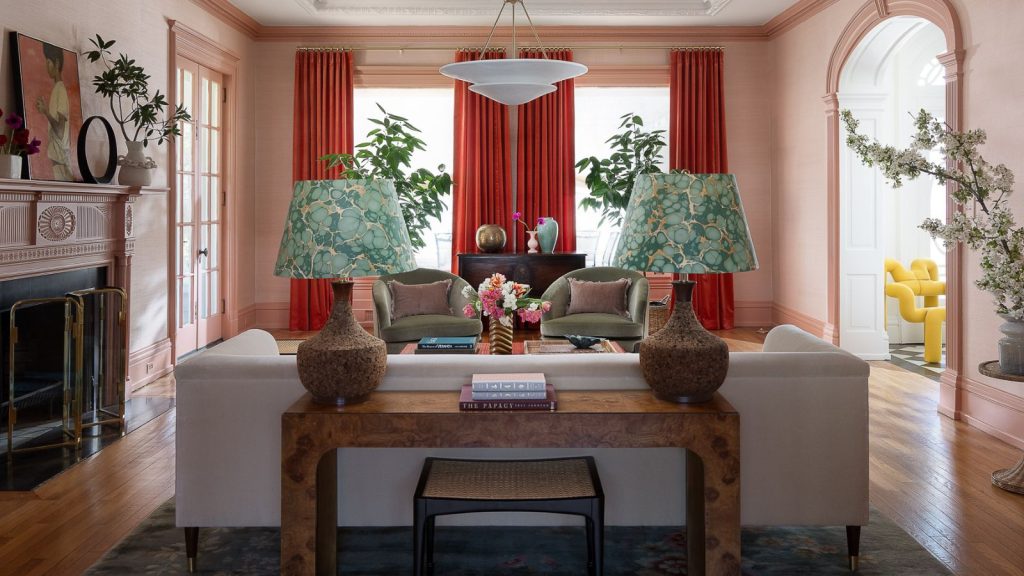
Don’t hesitate to use your curtains to introduce a new accent color. If your decor is mostly neutral, adding curtains in a bold color like mustard or emerald green can add personality and warmth. Are your dining room colors mostly warm or cool tones? Align your curtain colors accordingly to maintain harmony.
Considering Room Size
Room size affects how curtain colors feel in your space. In smaller dining rooms, light-colored curtains open up the space, making it feel airier and less cramped. Dark or heavy colors might make a small room feel even smaller.
In larger dining rooms, you have more freedom to experiment with darker or richer curtain colors. These can add coziness and intimacy to a big space. Think about how the curtain color balances the size — does it add warmth or make the room feel cold and empty?
Impact Of Natural Light
Observe how much natural light your dining room receives during the day. Bright sunlight can wash out light-colored curtains, making them look faded or dull. Choosing slightly deeper shades can maintain their vibrancy in well-lit rooms.
In dining rooms with limited natural light, lighter and reflective curtain colors help brighten the space. You might also consider fabrics that softly diffuse light to keep the room inviting. How does your room’s natural light change throughout the day, and how will your curtain color respond to these shifts?

Credit: www.veranda.com
Popular Color Options
Choosing the right color for your dining room curtains can change the entire mood of the space. Popular color options range from calming neutrals to lively hues and gentle pastels. Each choice brings its own vibe and can either complement or contrast with your existing decor.
Neutral Shades
Neutral colors like beige, gray, and white create a calm, inviting atmosphere. These shades work well if you want your curtains to blend seamlessly with your walls and furniture. I once picked soft gray curtains for a dining room, and it made the space feel more open and airy without stealing attention.
Neutrals also offer flexibility. You can easily add colorful accessories later without worrying about clashing shades. Would you prefer your curtains to be a subtle backdrop or a quiet statement?
Bold And Vibrant Colors
Bright reds, deep blues, and rich greens bring energy and personality to your dining room. Bold curtains can become the focal point, especially in rooms with simple or neutral walls. When I chose a burnt orange curtain for my dining area, it instantly warmed up the space and sparked lively conversations.
Keep in mind that vibrant colors might require more careful coordination with other room elements. Are you ready to let your curtains take center stage and influence the overall feel of your dining room?
Soft Pastels
Pastel shades like blush pink, mint green, or light lavender add a touch of softness and charm. They create a relaxed, cozy vibe without overwhelming the room. Soft pastels can brighten a dining area while maintaining a peaceful atmosphere.
If you want a gentle pop of color without going too bold, pastels are a smart choice. How do you feel about bringing in colors that soothe rather than shout?
Color Psychology In Dining Rooms
Color plays a big role in the dining room mood. It can affect hunger, comfort, and how people feel. Choosing the right curtain color helps create the perfect atmosphere for meals and gatherings. Understanding color psychology guides better choices for dining room curtains.
Warm Tones For Appetite
Warm colors like red, orange, and yellow can boost appetite. These shades bring energy and excitement to the room. They make the space feel cozy and inviting. Warm tones encourage lively conversations and a happy dining experience.
Cool Tones For Calmness
Cool colors such as blue, green, and soft gray create a peaceful vibe. These tones help people relax and feel calm. Cool shades work well for quiet dinners or formal meals. They bring a fresh and clean look to the dining room.
Balancing Color Effects
Mixing warm and cool tones balances the dining room’s energy. Use neutral colors like beige or white to soften strong colors. This blend avoids overwhelming the space. Balanced colors make the dining room comfortable for any occasion.
Fabric And Texture Influence
The fabric and texture of your dining room curtains shape both mood and style. They control light, add warmth, and influence the overall feel. Choosing the right fabric and texture helps balance the room’s look and function. Consider how sheer or heavy the curtains should be, the patterns they carry, and the materials used.
Sheer Vs. Opaque Curtains
Sheer curtains let in soft, natural light. They create an airy, open feel. Perfect for smaller dining rooms or spaces needing more brightness. Opaque curtains block light and add privacy. They bring a cozy and formal touch. Choose based on the room’s lighting needs and privacy levels.
Patterns And Prints
Patterns add personality to plain walls. Subtle prints suit minimalist spaces. Bold patterns create a lively focal point. Stripes, florals, or geometric shapes can enhance décor. Match patterns with table settings or wall art for harmony. Avoid overcrowding the space with too many designs.
Material Choices
- Cotton:Soft, easy to clean, and casual.
- Linen:Light texture, breathable, ideal for summer.
- Velvet:Thick, luxurious, adds warmth.
- Polyester:Durable, affordable, resists wrinkles.
- Silk:Elegant, shiny, suited for formal dining.
Select material based on durability, maintenance, and style. Each fabric changes the curtain’s look and feel. Choose what fits your dining room’s daily use and design theme.
Tips For Seasonal Changes
Changing your dining room curtains with the seasons keeps the space fresh and inviting. Seasonal curtain colors can affect the room’s mood and lighting. Choosing the right colors helps balance warmth and brightness throughout the year.
Summer Curtain Colors
Bright and light colors work well in summer. They reflect sunlight and make the room feel cooler.
- Soft whites and creams create a light, airy look.
- Pastel blues and greens bring a calm, refreshing vibe.
- Light yellows add a cheerful, sunny touch.
- Sheer fabrics allow natural light to flow easily.
These colors keep your dining room lively and welcoming during warm months.
Winter Curtain Colors
Darker, richer colors help create warmth in winter. They add coziness and depth to the room.
- Deep reds and burgundies evoke a warm, inviting feel.
- Dark greens and navy blues give a calm, comforting atmosphere.
- Earth tones like browns and burnt orange add natural warmth.
- Thick, heavy fabrics help keep cold drafts out.
Use these colors to make your dining space snug and cozy during cold seasons.
Expert Styling Tricks
Expert styling tricks can transform your dining room curtains from simple to stunning. These ideas help create a balanced and inviting space. Small details make a big difference in your room’s overall look.
Layering Curtains
Layering curtains adds depth and texture to your dining room. Combine sheer curtains with heavier drapes for a versatile look. Sheers let in soft light while thick curtains block glare. Choose colors that complement each other for harmony. Layering also helps control privacy and light easily.
Using Tiebacks
Tiebacks offer a neat way to hold curtains open. They create a polished and elegant appearance. Use tiebacks in a color that matches or contrasts your curtains. This small detail can highlight curtain fabrics and shapes. Tiebacks also allow natural light to fill the room during meals.
Coordinating With Accessories
Matching curtain colors with room accessories ties the space together. Look at cushions, rugs, or wall art for color ideas. Pick curtain hues that echo these elements for a unified look. This coordination creates a balanced, welcoming atmosphere. It also shows attention to detail in your design.

Credit: www.veranda.com
Frequently Asked Questions
What Curtain Color Suits A Small Dining Room?
Light colors like white, beige, or pastel shades can make a small dining room feel bigger. These colors reflect more light, creating an airy atmosphere. They also blend well with various decor styles, providing a versatile backdrop for dining room furnishings.
How To Choose Curtain Color For Dining Room?
Consider your dining room’s color scheme and furniture style. If the room is neutral, bold-colored curtains can add a pop of color. For colorful rooms, neutral or matching tones can create harmony. Always consider natural light, as it can affect the curtain color’s appearance.
Are Dark Curtains Good For Dining Rooms?
Dark curtains can add drama and sophistication to a dining room. They’re great for creating a cozy, intimate atmosphere. However, ensure the room has ample natural light to prevent it from feeling too enclosed. Pair with lighter elements to balance the room’s overall look.
Should Dining Room Curtains Match Wall Color?
Matching curtains to wall color creates a seamless, cohesive look. It’s a safe choice for a harmonious design. However, contrasting colors can also work, adding interest and depth. Consider the room’s overall style and your personal preference when deciding.
Conclusion
Choosing the right curtain color can change your dining room feel. Bright colors add energy and fun. Soft tones bring calm and warmth. Think about your room’s light and wall color. Curtains should match your style and mood. Simple choices often work best.
Take your time and enjoy the process. Your perfect curtains will make meals and moments better.