
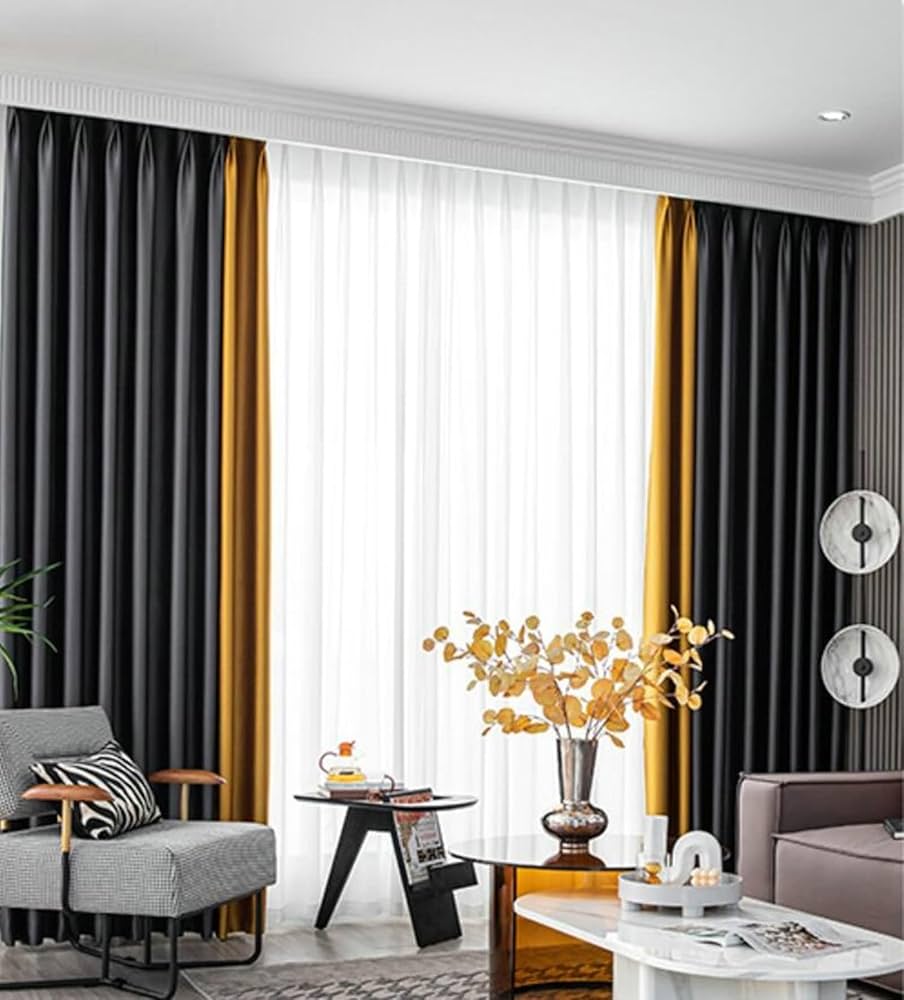
Choosing the right color curtains for your dining room can completely change the atmosphere. You want a space that feels inviting, comfortable, and stylish every time you gather around the table.
But with so many color options, how do you decide what works best for your room? This guide will help you pick the perfect curtain color that matches your style, enhances your space, and makes every meal feel special. Keep reading to discover simple tips that will transform your dining room effortlessly.
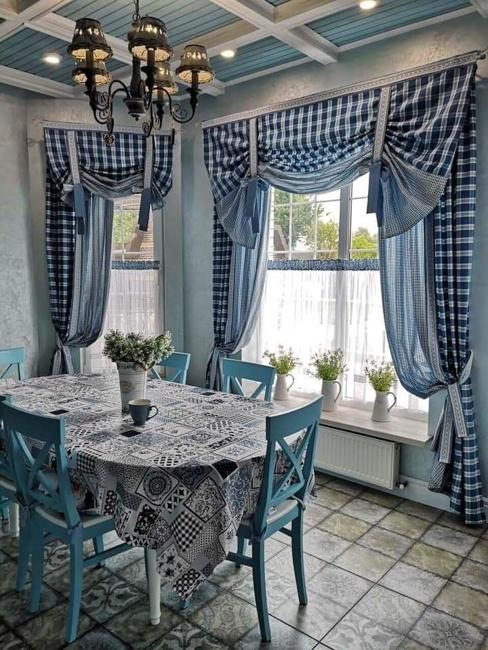
Credit: www.lushome.com
Choosing Curtain Colors
Choosing the right curtain colors for your dining room shapes the space’s mood and style. Curtains should blend with the room’s design while adding charm and comfort. Picking colors involves more than just personal taste. Consider walls, furniture, and lighting to create balance and harmony.
Match With Wall Colors
Choose curtain colors that complement your walls. Soft, neutral curtains work well with bright walls. Dark curtains create contrast on light-colored walls. For bold walls, pick curtains in lighter shades. This keeps the room from feeling crowded. Match tones, not exact colors, for a natural look.
Consider Furniture Tones
Curtains should harmonize with your dining room furniture. Warm wood tones pair well with earthy curtain colors. Cool-toned furniture suits blue or gray curtains. Use curtain colors to highlight your furniture style. Avoid clashing colors that break the room’s flow. Think about the dominant furniture color first.
Account For Lighting Effects
Lighting changes how curtain colors appear. Natural light makes colors look brighter and truer. Dim or artificial light can dull vibrant curtain shades. Choose lighter curtains for rooms with little sunlight. Dark curtains work best in bright rooms to reduce glare. Test curtain samples in your room’s light before buying.
Popular Curtain Colors
Curtains can change the look and feel of your dining room. Choosing the right color sets the mood and matches your style. Popular curtain colors offer many options. Each color type brings a unique touch to the space. Understanding these choices helps create a balanced and inviting room.
Neutral Shades
Neutral colors like beige, gray, and white fit most dining rooms. They create a calm, clean atmosphere. These shades blend well with different wall colors and furniture. Neutrals allow other decor elements to stand out. They also make the room look larger and brighter.
Bold And Vibrant Hues
Bright colors such as red, navy blue, or emerald green add energy. They bring warmth and a lively vibe to dining spaces. Bold curtains can become the room’s focal point. These colors work well in rooms with simple or neutral walls. Vibrant hues create a cozy and inviting environment.
Pastel And Soft Colors
Soft shades like light pink, mint green, or sky blue offer a gentle touch. They make the dining room feel fresh and airy. Pastels suit both modern and traditional decor. These colors add subtle charm without overpowering the space. They work well in rooms with natural light.
Color Psychology In Dining Rooms
Color psychology plays a key role in choosing curtains for your dining room. Colors influence mood and behavior. The right shade can make meals more enjoyable and create a welcoming space. Understanding how colors affect feelings helps pick curtains that match your dining room’s vibe.
Warm Colors And Appetite
Warm colors like red, orange, and yellow increase appetite. They create energy and excitement at the table. These colors make the room feel cozy and inviting. Red curtains can stimulate hunger and conversation. Orange adds warmth and friendliness. Yellow brings cheerfulness and brightness. Use warm tones to make meals lively and fun.
Cool Colors And Calmness
Cool colors such as blue, green, and gray promote calmness. They help diners relax and enjoy their food slowly. Blue curtains give a peaceful and fresh feeling. Green connects to nature and balance. Gray offers a neutral, soothing backdrop. These colors suit quiet dinners or formal settings. Cool tones reduce stress and create a calm dining mood.
Balanced Color Combinations
Combining warm and cool colors balances energy and calm. It creates a harmonious atmosphere in the dining room. For example, pair soft orange curtains with light blue walls. Or choose beige curtains with green accents. This blend keeps the room lively yet peaceful. Balanced colors suit families and guests. They make dining areas feel comfortable and stylish.

Credit: thehues.com
Fabric Choices And Their Impact
Choosing the right fabric for dining room curtains shapes the room’s mood and function. Fabric affects light, privacy, and style. It also influences the room’s warmth and comfort. Selecting a fabric that suits your needs enhances your dining experience.
Sheer Vs Opaque Curtains
Sheer curtains let in soft, natural light. They create an airy and open feel. These work well for smaller rooms or spaces needing extra brightness. Opaque curtains block light and offer privacy. They add a cozy, intimate atmosphere. Choose opaque fabrics for evening meals or formal settings. Mixing both types allows control over light and privacy.
Patterns And Textures
Patterns add personality to plain walls. Floral, geometric, or striped designs bring visual interest. Textured fabrics like linen or velvet add depth and richness. Smooth fabrics create a sleek, modern look. Consider the dining room style before picking patterns or textures. Subtle patterns suit classic rooms, while bold prints fit casual spaces.
Seasonal Fabric Selection
Lightweight fabrics like cotton or linen work well in summer. They keep the room cool and fresh. In winter, heavier fabrics such as velvet or wool provide warmth. These fabrics also block drafts better. Changing curtain fabrics with seasons refreshes the room’s look. It also improves comfort throughout the year.
Pairing Curtains With Dining Room Style
Choosing the right curtain color means thinking about your dining room’s style first. Curtains don’t just cover windows—they complete the look and feel of your space. Matching curtain colors with your dining room style can lift the whole room and make it feel inviting and balanced.
Modern And Minimalist Spaces
In modern and minimalist dining rooms, simplicity rules. Opt for curtains in neutral tones like white, gray, or soft beige to keep the clean, uncluttered vibe. These colors let natural light flow and maintain the airy feel you want.
If you want a pop of color, try muted shades like dusty blue or sage green. These hues add personality without overpowering the sleek lines of your furniture. Think about fabrics with a smooth texture—linen or cotton blends work well here.
Traditional And Classic Rooms
Traditional dining rooms call for rich, warm curtain colors. Deep reds, golds, or navy blues can add a sense of elegance and history to the space. These colors pair beautifully with wood furniture and classic dining sets.
Heavy fabrics like velvet or brocade enhance the classic look and feel luxurious. Don’t be afraid to add patterns such as damask or floral prints—they bring timeless charm and depth to your windows. How could a bold curtain choice transform your classic dining experience?
Eclectic And Bohemian Designs
Eclectic and bohemian styles invite creativity and boldness. Bright curtain colors like burnt orange, turquoise, or mustard yellow can energize your dining room. Mixing patterns is also encouraged here, so feel free to combine stripes, florals, or geometric prints.
Layering curtains with different textures like sheer and velvet can create a cozy, collected look. This style allows you to express your personality—what colors speak to your unique taste? Play with vibrant curtains to make your dining room a true reflection of your spirit.

Credit: easylifecurtains.com
Maintaining Curtain Colors
Maintaining the color of your dining room curtains keeps the space fresh and welcoming. Curtains face dust, sunlight, and cooking fumes, which can dull their colors. Regular care helps preserve their look and extends their life. Simple steps prevent fading and keep colors vibrant.
Cleaning Tips
Clean curtains regularly but gently. Dust them weekly using a soft brush or vacuum with a fabric attachment. For deeper cleaning, check the label for washing instructions. Use mild detergent and cold water for hand or machine wash. Avoid harsh chemicals that can strip colors.
Spot clean stains immediately with a damp cloth. Blot, don’t rub, to protect fabric and color. Air dry curtains away from direct sunlight to prevent damage.
Preventing Fading
Sunlight causes curtain colors to fade over time. Use sheer curtains behind heavier ones to block UV rays. Close curtains during peak sunlight hours to shield fabric. Consider UV-protective window film for extra defense. Rotating curtains occasionally also helps even out sun exposure.
Replacing And Updating
Curtains wear out after years of use, even with care. Replace curtains when colors fade beyond repair or fabric weakens. Choose new colors that complement your dining room’s style and lighting. Updating curtains refreshes the room and keeps it inviting. Keep a backup set for seasonal changes or quick swaps.
Frequently Asked Questions
What Colors Make A Dining Room Look Bigger?
Light colors like white, beige, or soft pastels can make a dining room appear more spacious. These hues reflect natural light, creating an airy feel. Pair with light-colored furniture for a cohesive look. Avoid dark colors, as they may make the space feel smaller and more enclosed.
Are Dark Curtains Suitable For Dining Rooms?
Dark curtains can add elegance and drama to a dining room. They work best in larger spaces or with ample natural light. They can create a cozy atmosphere. Ensure other elements like furniture and walls are lighter to balance the room’s overall look.
How Do I Match Curtains With Dining Room Furniture?
Choose curtain colors that complement your dining room furniture. For wooden furniture, opt for earthy tones. For modern pieces, bold or neutral colors work well. Consider the room’s color palette to ensure harmony. Patterns can also add interest if your furniture is plain.
Can Patterned Curtains Enhance My Dining Room?
Patterned curtains can enhance a dining room by adding visual interest. They can complement plain walls and furniture. Choose patterns that align with your room’s theme. Ensure patterns don’t overwhelm the space. Subtle patterns work well in smaller rooms, while bold ones suit larger spaces.
Conclusion
Choosing the right curtain color can change your dining room’s mood. Soft, light colors make the room feel bright and open. Darker shades add warmth and a cozy touch. Think about your furniture and wall colors too. Curtains should blend well with the whole space.
Remember, simple colors often work best for dining areas. Take your time and pick what feels right. Your dining room can look inviting and stylish with the perfect curtains. Small changes make a big difference. Enjoy creating a space you love!