
Have you ever noticed your lights flickering unexpectedly and wondered why it happens? Flickering lights can be more than just annoying—they might signal hidden problems in your home’s electrical system.
Understanding what causes your lights to flicker is key to keeping your home safe and comfortable. You’ll discover the common reasons behind flickering lights and what you can do about them before small issues turn into costly repairs. Keep reading to protect your home and get your lighting back to steady, reliable glow.
Common Electrical Issues
Lights flickering in your home can be more than just a minor annoyance. Often, it signals common electrical issues that need your attention to avoid bigger problems. Understanding these issues helps you decide whether to fix them yourself or call a professional.
Loose Wiring
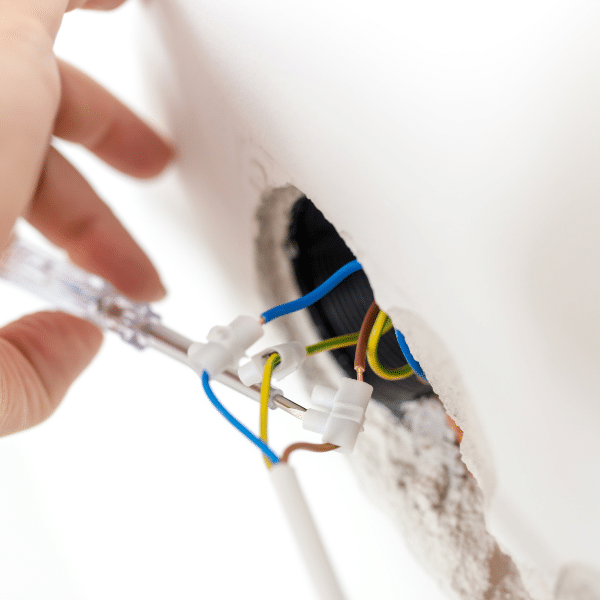
Loose wiring is a frequent cause of flickering lights. Over time, wires can become disconnected or worn out, interrupting the steady flow of electricity.
Imagine turning on a lamp and noticing it flickers every few seconds. This might be due to a loose wire in the fixture or the outlet. Not only does this cause flickering, but it can also create a fire hazard if left unchecked.
If you feel comfortable, you can check the wiring in switches and outlets. Make sure power is off before inspecting. Tightening connections often solves the problem quickly.
Faulty Light Switches
Faulty light switches can also cause your lights to flicker. Switches wear down with use, and internal components may become loose or damaged.
Have you ever flipped a switch and noticed the light flickers briefly or doesn’t respond properly? That’s a clear sign the switch needs replacing.
Replacing a faulty switch is usually straightforward and inexpensive. However, if flickering continues after replacement, the issue might lie elsewhere in your electrical system.
Power Supply Problems
Power supply problems are common reasons for lights flickering in a house. These issues affect the electrical flow and cause sudden changes in lighting. Understanding these problems helps in identifying the cause and finding the right solution.
Voltage Fluctuations
Voltage fluctuations happen when the electrical current changes rapidly. This can cause lights to dim or flicker unexpectedly. Common causes include:
- Large appliances starting up, like air conditioners or refrigerators
- Problems with the power grid from the utility company
- Loose or corroded wiring in the home
These fluctuations disturb the steady flow of electricity. The result is inconsistent light output that can be annoying or even harmful to bulbs.
Overloaded Circuits
Overloaded circuits occur when too many devices draw power from the same circuit. This causes the circuit to struggle and can lead to flickering lights. Common signs include:
- Multiple high-power devices running together
- Frequent circuit breaker trips
- Warm or buzzing outlets and switches
When circuits are overloaded, lights may flicker because the electrical load exceeds safe limits. Reducing the number of devices or upgrading the electrical system can fix this problem.
Appliance Interference
Lights flicker in a house often due to appliance interference. Electrical devices can cause small drops or spikes in power. These changes affect the lighting, causing it to flicker or dim briefly. Understanding how appliances impact your electrical system helps identify flicker sources.
High-power Appliances
Appliances like air conditioners, refrigerators, and microwaves use a lot of electricity. When they start or run, they draw a sudden surge of power. This surge can cause a temporary voltage drop in the circuit. Lights on the same circuit may flicker or dim during this time. The effect is more noticeable with older wiring or weak electrical panels.
Shared Circuits
Many homes have circuits shared by multiple devices and lights. When high-power appliances operate on the same circuit as your lights, it can cause interference. The electrical load fluctuates as devices turn on or off. This fluctuation causes the lights to flicker or blink. Separating heavy appliances onto different circuits reduces this problem.

Credit: www.theelectriciansco.com
Lighting Equipment Faults
Flickering lights can be more than just a mild annoyance; they often signal underlying issues with your lighting equipment. Faults in bulbs or fixtures are common culprits that you might overlook. Understanding these problems can help you fix flickering quickly and avoid bigger electrical hazards.
Defective Bulbs
Have you ever noticed a bulb that flickers right after you install it? Defective bulbs, whether LED, CFL, or incandescent, can cause inconsistent lighting. Sometimes the filament inside breaks or the internal electronics fail, leading to flickering.
Try swapping the flickering bulb with a new one to see if the problem persists. If the flicker stops, the bulb was the issue. Don’t ignore flickering bulbs; they waste energy and may burn out faster.
Worn-out Fixtures
Your light fixtures can wear down over time, causing loose connections or failing components. A fixture with corroded wiring or damaged sockets often leads to flickering lights. This is especially common in older homes.
Check if the fixture feels loose or if the bulb doesn’t sit firmly in place. Tightening connections or replacing worn sockets can solve flickering problems. Sometimes, replacing the entire fixture is the safest and most effective choice.
Environmental Factors
Environmental factors play a big role in causing lights to flicker in a house. Changes outside your home can affect the electrical system. These factors often cause temporary or repeated flickering. Understanding these causes helps in finding the right solution quickly.
Weather Conditions
Storms with strong winds can shake power lines. This shaking causes brief power interruptions. Heavy rain or snow can also cause moisture to enter electrical parts. Moisture leads to short circuits or loose connections. Lightning strikes may cause sudden surges in electricity. Such surges make lights flicker or dim. Extreme heat can cause wires to expand and contract. This movement may loosen connections over time. Cold weather can cause cables to become brittle and crack. All these weather effects can disrupt steady power flow.
Pest Infestations
Rodents and insects often chew on electrical wires. This damage creates faulty connections. Faulty connections cause lights to flicker or go out. Nesting in electrical boxes can cause short circuits. Pests also increase the risk of fire. Signs of pest damage include:
- Visible bite marks on wires
- Unusual buzzing sounds from outlets
- Frequent flickering in specific rooms
Regular inspection helps catch pest damage early. Protecting wiring from pests reduces flickering problems.
External Grid Issues
Flickering lights often signal problems beyond your home. External grid issues can affect your electrical supply. These problems originate from the power source outside your house. Understanding these causes helps in identifying the source of flickering lights.
Utility Company Problems
The utility company manages the main power supply to your area. Equipment failures or maintenance work can cause voltage drops. Power lines damaged by storms may cause flickering lights. Transformers may wear out and deliver unstable voltage. These issues affect many homes at once.
Neighborhood Electrical Loads
High demand in your neighborhood can strain the power grid. Large machines or tools starting up cause brief voltage dips. This results in lights flickering for a moment. Shared power lines mean your home feels these changes. The more devices running, the higher the chance of flickering.
Safety Precautions
Flickering lights might seem like a minor annoyance, but they can signal underlying electrical issues that need your attention. Prioritizing safety is crucial whenever you notice irregularities in your home’s lighting. Ignoring these signs can lead to bigger problems or even hazards.
When To Call A Professional
Some electrical problems require expert eyes. If your lights flicker frequently, especially alongside other symptoms like buzzing sounds, burning smells, or outlets that feel warm, it’s time to call a licensed electrician.
Electrical wiring issues, outdated circuits, or faulty breakers are not safe to handle without training. Professionals can quickly identify hidden dangers and fix them properly, preventing potential fires or shocks.
Ask yourself: Are the flickering lights affecting multiple rooms or just one? If it’s widespread, don’t wait. Your safety depends on timely intervention.
Diy Troubleshooting Tips
Before you pick up the phone, there are simple checks you can do. Start by tightening any loose bulbs or replacing flickering bulbs with new ones to rule out a basic cause.
- Check your light switches for wear or damage.
- Inspect your circuit breaker panel for tripped breakers or signs of burning.
- Look for any visible loose wiring around fixtures (only if you feel confident and the power is off).
Be careful: never touch wiring or electrical components with wet hands or when the power is on. If these steps don’t stop the flickering, don’t push your luck—call a professional.
Credit: dkelectricalsolutions.com

Credit: www.youtube.com
Frequently Asked Questions
Why Do Lights Flicker When Using Appliances?
Lights flicker due to power surges caused by high-energy appliances starting. This temporary voltage drop affects light bulbs, causing flickering. Upgrading wiring or using dedicated circuits can reduce this issue and protect your electrical system.
Can Faulty Wiring Cause Light Flickering?
Yes, faulty or loose wiring can cause lights to flicker. Poor connections create inconsistent electrical flow, leading to flickering or dimming. It’s important to have an electrician inspect and repair wiring to ensure safety and stable lighting.
Does Weather Affect House Lighting Flicker?
Weather conditions like storms or strong winds can cause flickering. External power lines may experience interruptions or voltage fluctuations during bad weather. These disturbances can momentarily affect your home’s lighting stability.
Is Flickering A Sign Of Electrical Overload?
Yes, an overloaded circuit can cause lights to flicker. When too many devices run on one circuit, voltage drops occur, causing flickering. Balancing loads and upgrading circuits can prevent this problem.
Conclusion
Flickering lights can signal different electrical issues at home. Loose bulbs or wiring often cause the problem. Sometimes, the issue comes from the electrical panel or appliances. Ignoring flickering lights can lead to bigger risks. Always check simple causes first, like bulb tightness.
If flickering continues, call a professional electrician soon. Keeping your home’s electricity safe protects your family and property. Understanding the causes helps you fix the problem quickly. Stay alert and act fast to avoid hazards.