

Are you looking for simple ways to make your home more eco friendly? Small changes in your daily routine can save energy, reduce waste, and protect the planet.
Imagine cutting your bills while helping the environment at the same time. You don’t need to overhaul your entire lifestyle—just a few easy steps can make a big difference. Keep reading to discover practical tips you can start using today to create a greener, healthier home for you and your family.
Credit: www.indigo.ca
Reduce Energy Use
Reducing energy use at home lowers your bills and helps the planet. Small changes add up to big savings. Energy-efficient habits make your home greener and more comfortable.
Switch To Led Bulbs
LED bulbs use much less energy than traditional bulbs. They last longer and produce the same amount of light. Changing all bulbs to LEDs reduces electricity use quickly. LED bulbs also create less heat, keeping rooms cooler.
Unplug Idle Electronics
Many devices use power even when off. Chargers, TVs, and computers draw energy while plugged in. Unplugging these items stops this “phantom” energy waste. Use power strips to switch off multiple devices easily.
Use Smart Thermostats
Smart thermostats adjust temperature automatically. They learn your schedule to save energy when you’re away. You can control them remotely with a phone. This helps keep your home energy-efficient all day.

Credit: momhomeguide.com
Cut Water Waste
Cutting water waste is a powerful way to make your home eco-friendlier. Saving water not only reduces your utility bills but also lessens the strain on local water supplies. Simple actions in your daily routine can create a big impact.
Fix Leaks Promptly
Have you ever noticed that constant drip of a leaking faucet? It might seem small, but a single leak can waste thousands of gallons of water each year. Checking your taps, toilets, and pipes regularly helps you catch leaks early.
Fixing leaks quickly is easier than you think. Tightening a loose valve or replacing a worn-out washer can stop water loss instantly. You don’t need to wait for a plumber every time—sometimes a quick DIY fix does the trick.
Install Low-flow Fixtures
Swapping out old showerheads and faucets with low-flow versions can cut your water use dramatically. These fixtures reduce water flow without sacrificing pressure, so you barely notice the difference. Over a year, this small change can save hundreds of gallons.
Look for WaterSense-labeled products to ensure efficiency and quality. Installing low-flow fixtures is a one-time effort that keeps paying off. Think about how much water your family uses daily—could these fixtures make a real difference?
Collect Rainwater
Collecting rainwater is a smart way to reduce your reliance on tap water for outdoor use. Setting up a rain barrel under your downspout provides free water for your garden or lawn. This simple step helps conserve municipal water and supports your plants naturally.
Have you tried using rainwater for your outdoor chores? It often contains fewer chemicals than tap water, which benefits plants. Plus, it cuts down on runoff, reducing erosion and pollution in your area.
Minimize Waste
Minimizing waste at home is one of the most effective ways to reduce your environmental footprint. It not only saves space and money but also helps conserve resources that would otherwise end up in landfills. Small changes in how you handle waste can add up to a big difference for the planet.
Start Composting
Composting turns food scraps and yard waste into nutrient-rich soil. It’s easier than many think—just keep a small bin for vegetable peels, coffee grounds, and eggshells.
Try adding a compost bin in your kitchen or backyard. You’ll notice less trash going out and healthier plants growing in your garden. What if you could cut your household waste by a third just by composting?
Recycle Properly
Recycling isn’t just tossing items in a bin; it requires sorting and cleaning to be effective. Check your local guidelines—some places accept plastics labeled 1 and 2, but not 3 to 7.
Rinsing containers avoids contamination that ruins entire batches of recyclable materials. Have you checked if your recycling center accepts glass or electronics? Knowing what can and can’t be recycled saves time and prevents waste from being landfilled.
Avoid Single-use Plastics
Single-use plastics like straws, bags, and utensils create massive waste. Switching to reusable alternatives can be simple: carry a cloth bag, use a metal straw, or keep a set of utensils in your bag.
I started carrying a reusable water bottle and noticed how many plastic bottles I avoided buying. What small switch could you make today to reduce plastic waste in your daily routine?

Credit: thecottagemarket.com
Choose Sustainable Products
Choosing sustainable products is one of the most effective ways to reduce your home’s environmental footprint. It means thinking beyond just price and appearance, and focusing on the long-term impact of what you bring into your home. This choice helps support responsible practices and encourages companies to produce goods that are better for the planet.
Buy Local And Organic
Buying local food and products cuts down on transportation emissions and supports your community’s economy. When you pick organic items, you avoid pesticides and fertilizers that harm soil and water quality.
Think about the farmers’ market near you or local stores that stock organic produce. Have you noticed how fresh local fruits and veggies taste compared to those shipped from far away?
Opt For Reusable Items
Single-use items create a lot of waste. Switching to reusable options like cloth bags, stainless steel water bottles, and glass containers can drastically reduce the trash piling up in landfills.
Try carrying your own shopping bags and ditching plastic wrap for beeswax wraps. These small swaps make a big difference over time and save money too.
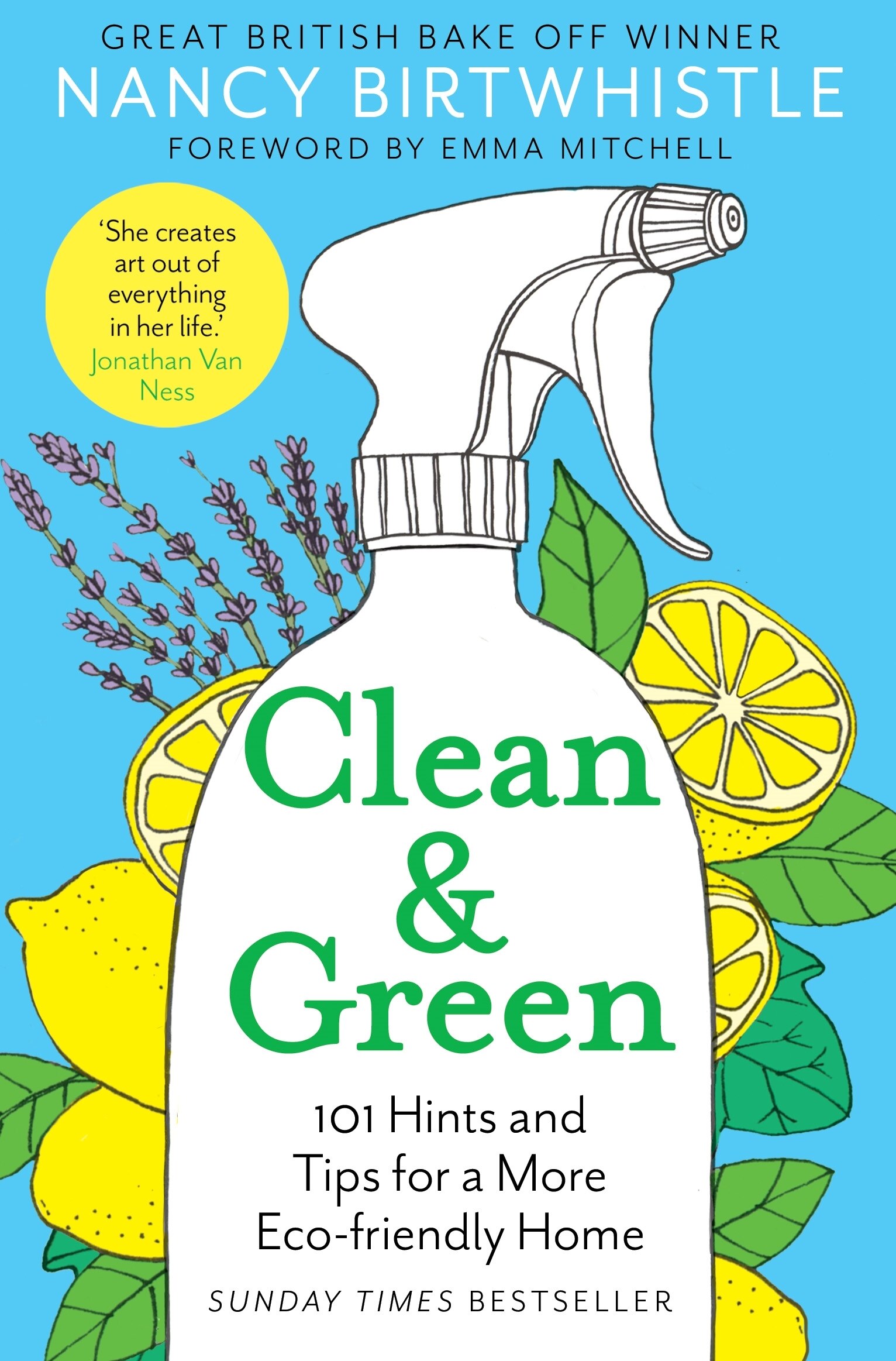
Select Eco-friendly Cleaning Supplies
Many cleaning products contain chemicals that pollute water and air. Choosing eco-friendly cleaners made with natural ingredients protects your health and the environment.
Look for labels that say biodegradable or non-toxic, or even make your own cleaners with vinegar and baking soda. Have you tried these simple homemade recipes? They work surprisingly well and keep your home safe.
Enhance Home Greenery
Enhancing greenery around your home does more than just beautify your space—it actively improves air quality and supports local wildlife. Adding plants inside and outside creates a healthier environment and connects you to nature every day. How can you make your home a greener, more sustainable place? Start by focusing on the plants you bring in and grow.
Grow Indoor Plants
Indoor plants are easy to care for and help filter toxins from the air. Choose resilient varieties like snake plants, pothos, or spider plants that thrive in low light and need minimal watering.
Placing plants near your workspace or living room can boost your mood and productivity. Have you noticed how a simple green leaf can make a room feel fresher and more alive?
Create A Vegetable Garden
Growing your own vegetables cuts down on packaging waste and reduces your carbon footprint. Even a small balcony or windowsill can hold pots for herbs like basil, mint, or parsley.
Start with easy-to-grow veggies such as cherry tomatoes or lettuce. Watching your food grow makes meals more satisfying and encourages healthier eating habits.
Use Native Plants Outdoors
Native plants require less water and are better suited to your local climate. They also provide food and shelter for native birds, bees, and butterflies.
Visit a local nursery to find plants that naturally thrive in your area. This choice saves resources and supports the ecosystem around your home.
Adopt Smart Cooking Habits
Adopting smart cooking habits helps reduce energy use and food waste. It supports a healthier planet by saving resources. Small changes in the kitchen can make a big difference. These habits also save money and time. Focus on planning, using efficient tools, and choosing eco-friendly ingredients.
Plan Meals To Reduce Waste
Planning meals carefully cuts down on food thrown away. Buy only what is needed for each recipe. Use leftovers creatively to avoid waste. Keep a list of meals for the week. This helps shop smarter and prevent overbuying. Store food properly to extend freshness. Check your fridge before cooking to use older items first.
Use Energy-efficient Appliances
Energy-efficient appliances use less power and save money. Choose cookware that heats evenly and quickly. Use lids on pots to cook faster and keep heat in. Match pan size to burner size to avoid wasting energy. Turn off ovens and stoves a few minutes before done. Microwaves and pressure cookers often use less energy than ovens. Regularly clean appliances to keep them working well.
Embrace Plant-based Options
Plant-based meals lower carbon footprint and conserve water. Vegetables, beans, and grains need fewer resources than meat. Try simple recipes with beans, lentils, or tofu. Add more veggies to dishes to reduce meat use. Explore new flavors with herbs and spices. Eating less meat supports a healthier environment and body.
Frequently Asked Questions
What Are Simple Ways To Reduce Home Energy Use?
Use energy-efficient LED bulbs and unplug devices when not in use. Adjust your thermostat wisely. Seal windows and doors to prevent drafts. These small changes lower electricity bills and reduce your carbon footprint effectively.
How Can I Minimize Plastic Waste At Home?
Switch to reusable bags, bottles, and containers. Avoid single-use plastics like straws and cutlery. Recycle properly and compost organic waste. These actions help reduce plastic pollution and promote a sustainable lifestyle.
What Plants Improve Indoor Air Quality Naturally?
Spider plants, snake plants, and peace lilies are excellent choices. They absorb toxins and release oxygen. Adding these plants enhances air quality and creates a healthier living environment.
How Do Water-saving Habits Benefit The Environment?
Fix leaks and use low-flow fixtures to cut water waste. Turn off taps while brushing teeth. Conserving water protects natural resources and reduces energy used for water heating.
Conclusion
Being eco friendly at home helps the planet and saves money. Small changes make a big difference over time. Turn off lights when not in use. Use less water every day. Choose reusable items instead of plastic. Planting a garden grows fresh food and cleans air.
Everyone can take part. Start with one step today. Together, we protect Earth for tomorrow. Simple actions build a greener future for all.