

Are you looking to transform your living room without overcrowding the space? Wall furniture design might be the perfect solution for you.
It helps you use your walls smartly, adding style and function without taking up floor space. Imagine a living room where everything has its place, from your TV to your books and decorations, all neatly organized on the walls. This not only makes your room look bigger but also creates a cozy, inviting atmosphere.
Keep reading to discover easy, creative ideas that will make your living room both beautiful and practical.
Benefits Of Wall Furniture
Wall furniture offers many benefits for living rooms. It uses vertical space smartly, saving floor area. This design adds style and function. It fits small and large rooms. Wall furniture keeps items organized and easy to reach. It also improves the room’s look with neat, clean lines.
Maximizing Space Efficiency
Wall furniture frees up floor space. It makes rooms feel larger and less crowded. Shelves, cabinets, and desks attach to walls. This setup avoids bulky pieces on the floor. It creates more room for movement and seating. Perfect for small apartments or tight spaces.
Enhancing Room Aesthetics
Wall furniture adds a modern, sleek look. It blends well with many décor styles. Clean lines and simple shapes improve visual flow. It can highlight colors or textures on walls. Lighting can be added to create ambiance. The overall effect is a tidy, stylish living room.
Increasing Storage Options
Wall furniture provides extra storage without clutter. Cabinets and shelves hold books, decor, and gadgets. Hidden compartments keep items out of sight. This helps maintain a clean, organized space. Storage is easy to customize to your needs. It helps reduce mess and stress in the living room.

Popular Wall Furniture Types
Choosing the right wall furniture can transform your living room’s look and feel. It saves floor space and adds style and function. Popular wall furniture types offer versatile options for different needs and tastes. They help keep the room tidy while displaying your favorite items.
Floating Shelves
Floating shelves are simple and stylish. They attach directly to the wall without visible brackets. These shelves create an airy, modern look. Perfect for books, plants, or small decor pieces. They come in various sizes and materials. Easy to install and rearrange as needed.
Wall-mounted Cabinets
Wall-mounted cabinets provide extra storage without taking floor space. They keep clutter out of sight, making the room neat. Cabinets come with doors or open fronts. Ideal for storing items like media, games, or dishes. Choose designs that match your room’s style for a seamless look.
Built-in Entertainment Units
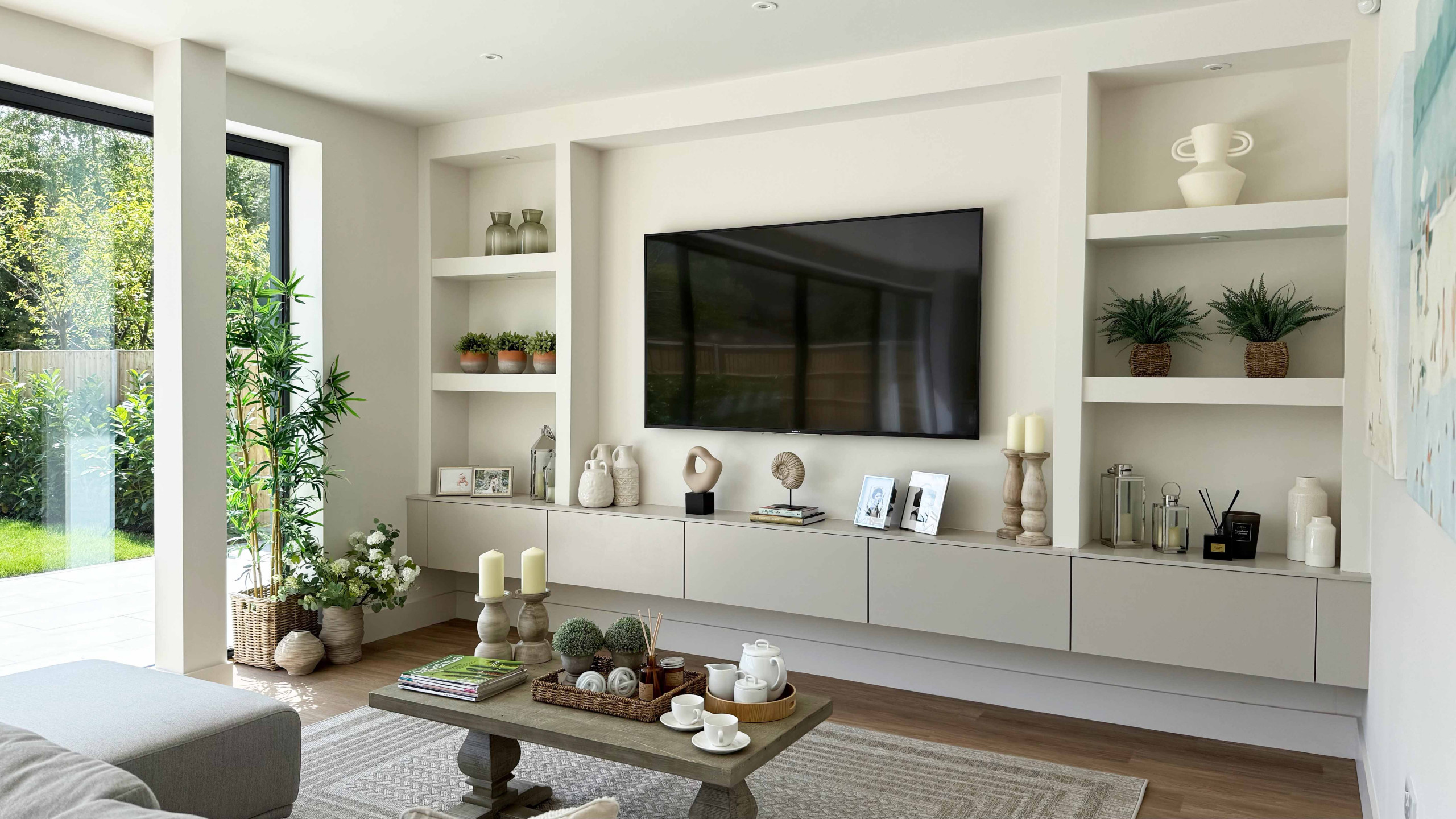
Built-in entertainment units combine storage and display around your TV. They offer shelves, cabinets, and space for media devices. These units create a focal point in the living room. Custom-built options fit your wall perfectly. They help organize cables and keep electronics tidy.
Wall Desks And Workstations
Wall desks save space and provide a compact work area. They fold up or have minimal depth for small rooms. These desks offer a spot for laptops or writing. Perfect for homes needing a quiet corner for work or study. Some designs include shelves or drawers for added storage.
Materials And Finishes
The choice of materials and finishes defines the style and durability of wall furniture in the living room. These elements shape the look and feel of the space. Selecting the right material ensures long-lasting beauty and function. Finishes add character and protect the furniture from wear and tear. Understanding common materials helps you make smart design choices.
Wood Varieties
Wood is a classic choice for wall furniture. It offers warmth and natural beauty. Popular woods include oak, pine, walnut, and maple. Each type has a unique grain and color. Hardwood like oak and walnut is strong and lasts long. Softwood like pine is lighter and easier to work with. Wood furniture fits well in both modern and traditional rooms.
Metal Accents
Metal adds a sleek, industrial touch to wall furniture. Common metals are steel, brass, and aluminum. Metal frames or handles create contrast with wood surfaces. It offers strength and durability. Metal accents suit minimalist and contemporary styles. They also bring a cool texture to the design.
Glass Elements
Glass adds elegance and lightness to wall furniture. Clear or frosted glass doors show or hide items. Glass shelves make the space look open and airy. It pairs well with wood and metal. Glass is easy to clean and maintain. It works great in small rooms to reduce visual weight.
Paint And Stain Choices
Paint and stain change the look of wood furniture. Paint offers many colors, from bold to soft pastels. It covers wood grain for a smooth finish. Stain enhances the natural grain and color of wood. Both protect the surface from damage and stains. Choose paint or stain based on your style and room mood.
Design Styles To Consider
Choosing the right design style for wall furniture in your living room sets the tone of the space. It reflects personality and enhances comfort. Different styles offer unique looks and functions. Consider your room size, lighting, and personal taste.
Wall furniture can include shelves, cabinets, and mounted units. Each design style brings its own charm and practicality. Here are some popular styles to think about.
Modern Minimalist
Modern minimalist style focuses on simplicity and clean lines. Furniture pieces have sleek surfaces and neutral colors. This style avoids clutter and favors open space. Materials like glass, metal, and polished wood work well. It creates a calm and orderly atmosphere in the living room.
Rustic Charm
Rustic charm brings warmth and nature inside. It uses raw wood, stone, and earth tones. Furniture often shows natural textures and imperfections. This style feels cozy and inviting. Perfect for a relaxed, country-style living room look.
Industrial Vibes
Industrial style mixes metal and wood with a worn look. Exposed hardware and rough finishes are common. This style suits lofts and modern urban homes. It adds a bold, edgy feel to the living room wall. Functional and stylish storage fits well here.
Scandinavian Simplicity
Scandinavian design blends function with beauty. It uses light woods, soft colors, and simple shapes. Wall furniture often includes smart storage solutions. This style feels bright and airy, perfect for small spaces. It promotes calmness and order in the living room.
Placement Tips For Wall Furniture
Choosing the right spots for wall furniture in the living room helps create a cozy and useful space. Proper placement improves how the room feels and works. It also highlights the style and keeps the room easy to move through. Focus on balance, visual appeal, and lighting to make the best choices for your wall furniture.
Balancing Function And Flow
Place wall furniture where it supports daily activities. Avoid blocking doors or walkways. Keep enough space for easy movement around the room. Use pieces that hold items you need often within reach. Balance heavy or large furniture with lighter, open areas on the wall. This keeps the room feeling open and inviting.
Focal Point Creation
Choose a main wall to highlight with your furniture. Use shelves, cabinets, or art to draw attention. Arrange items symmetrically for a neat look or asymmetrically for a modern feel. Keep the focal point clear of clutter. This helps the eye rest and makes the room more attractive.
Lighting Integration
Place wall furniture near natural or artificial light sources. Use built-in lights or add spotlights to highlight key pieces. Avoid shadows that make the space dark or dull. Reflective surfaces like mirrors can boost light and open the room. Good lighting makes wall furniture stand out and improves room mood.
Diy Vs. Custom Wall Furniture
Choosing between DIY and custom wall furniture can shape your living room’s vibe and functionality. Both options have unique advantages that cater to different needs and styles. Consider what matters most to you—time, budget, uniqueness, or hands-on experience.
Pros And Cons Of Diy
DIY projects give you full control over design and personalization. You can create something truly unique that fits your exact space and taste.
However, DIY demands time, patience, and skill. Mistakes can be costly and frustrating, especially if you’re new to woodworking or design.
- Pros:Personalized design, cost savings, sense of achievement
- Cons:Time-consuming, requires skills, risk of errors
Have you ever tried building something only to realize it took longer than expected? That’s a common challenge with DIY wall furniture.
Benefits Of Custom Pieces
Custom wall furniture offers precision and quality tailored to your living room. Professionals ensure perfect measurements and finishes that match your style.
These pieces often use better materials and craftsmanship, increasing durability and aesthetic appeal.
- Perfect fit for your space
- High-quality materials and finishes
- Design guidance from experts
Imagine having a wall unit that maximizes storage without overwhelming the room—custom pieces make this possible.
Budget Considerations
DIY can save money upfront but might require buying tools and materials you don’t have. Unexpected expenses can add up if you need to redo parts.
Custom furniture usually costs more initially but offers long-term value through durability and expert design.
| Aspect | DIY | Custom |
|---|---|---|
| Initial Cost | Lower, but variable | Higher |
| Tool/Material Purchase | Often needed | Not needed |
| Long-Term Value | Depends on quality | Generally higher |
Are you ready to invest more upfront for peace of mind, or do you prefer a hands-on project that could save money but take more time? Your answer will guide your choice.
Maintenance And Care
Maintaining your wall furniture in the living room keeps it looking fresh and extends its lifespan. Simple care routines can prevent damage and preserve the style you love. Let’s look at easy ways to keep your furniture in top shape.
Cleaning Techniques
Dust your wall shelves and cabinets regularly using a soft, dry cloth. Avoid harsh chemicals; instead, use mild soap diluted in water for stubborn stains. Remember to dry surfaces quickly to prevent moisture damage.
Glass panels benefit from a glass cleaner or vinegar solution to keep them crystal clear. For wooden furniture, a gentle polish can restore shine, but test it on a small area first. Have you ever noticed how a clean surface instantly brightens a room?
Preventing Wear And Tear
Place felt pads under decorative items to avoid scratches on shelves. Try not to overload your wall units with heavy objects that can cause sagging or warping. Regularly check mounting brackets and screws to ensure everything stays secure and safe.
Sunlight can fade colors over time, so consider rearranging items or using curtains to protect furniture. What small habit could you add to your routine to avoid common damage?
Repair And Upkeep
Minor scratches on wood can be fixed with wax sticks or touch-up markers matching your furniture color. Loose hinges or handles need tightening to prevent bigger issues down the line. If you spot cracks or chips, act quickly with appropriate fillers or consult a professional.
Keep an eye on wear points and address them before they worsen. Your wall furniture will thank you with years of reliable use and beauty.

Frequently Asked Questions
What Are The Best Wall Furniture Designs For Living Rooms?
The best wall furniture designs combine style and functionality. Floating shelves, built-in cabinets, and wall-mounted TV units save space and enhance aesthetics. Choose designs that complement your décor and provide ample storage for a clutter-free living room.
How Can Wall Furniture Improve Living Room Space?
Wall furniture maximizes vertical space, freeing up floor area. It creates organized storage without overcrowding the room. This improves flow and makes the living area appear larger and tidier, ideal for small or modern living rooms.
What Materials Are Ideal For Living Room Wall Furniture?
Wood, MDF, and metal are popular materials for wall furniture. Wood offers warmth and durability, MDF allows versatile finishes, and metal adds a sleek, modern touch. Choose materials based on your style and maintenance preferences.
How To Choose Wall Furniture For A Small Living Room?
Select compact, multi-functional pieces like floating shelves or slim cabinets. Use light colors to keep the room airy. Prioritize storage and avoid bulky designs to maintain an open and comfortable living space.
Conclusion
Wall furniture adds style and function to any living room. It saves space and keeps things organized. You can choose designs that fit your taste and room size. Bright colors or wood finishes create a warm, cozy feel. Small shelves hold books, plants, or decorations.
Simple ideas bring big changes to your space. Try different layouts to find what feels best. Enjoy a living room that looks great and works well for you.