

Struggling to make your small living room feel cozy and stylish? You’re not alone.
Finding the right furniture that fits perfectly without crowding your space can be tricky. But imagine turning your compact room into a comfortable, inviting spot where every piece serves a purpose. You’ll discover smart, simple furniture ideas that maximize space and boost your room’s charm.
Ready to transform your living room into a place you love? Keep reading—you’ll find solutions that work for you.
Choosing Multifunctional Furniture
Choosing multifunctional furniture is a smart way to make the most of a small living room. This type of furniture serves more than one purpose, helping save space and reduce clutter.
Multifunctional pieces allow you to combine comfort, style, and utility without crowding the room. They adapt to different needs, making your living area flexible and efficient.
Space-saving Sofas And Sectionals
Sofas with built-in storage or fold-out beds add extra value. They provide seating and a place to store blankets or pillows. Sectionals with modular pieces can be rearranged easily to fit your space.
Storage Ottomans And Coffee Tables
Ottomans with hidden compartments offer a place to rest your feet and store items. Coffee tables with shelves or lift tops keep books and remotes organized. These pieces keep your living room tidy and functional.
Foldable And Nesting Furniture
Foldable chairs and tables can be stored away when not in use. Nesting tables fit into each other, saving floor space. They provide extra surfaces for guests without permanent bulk.
Wall-mounted And Floating Options
Wall-mounted desks and shelves free up floor space. Floating cabinets and tables add storage without the weight of bulky furniture. They create a clean, open look in small rooms.

Utilizing Vertical Space
Utilizing vertical space is a smart way to make a small living room feel larger and more organized. By thinking upward, you create more room for storage and decoration without cluttering the floor. Tall furniture and wall-mounted solutions help keep the area open and airy.
Install Floating Shelves For Extra Storage
Floating shelves use wall space efficiently. They hold books, plants, and decor items. These shelves keep items off the floor. You can place them above sofas or TV units. This adds style and function without taking up room.
Choose Tall And Slim Furniture Pieces
Tall cabinets and narrow bookcases maximize storage vertically. They fit well in corners or beside windows. Slim designs avoid crowding the space. These pieces provide plenty of storage while keeping the floor clear.
Use Wall-mounted Tv Units And Cabinets
Mounting the TV on the wall frees up floor space. Wall cabinets below the TV store media devices neatly. This setup creates a clean look. It also makes the living room feel bigger and less cluttered.
Hang Hooks And Pegboards For Small Items
Hooks and pegboards keep small items organized on walls. Use them for keys, bags, or decorative pieces. This approach clears surfaces and keeps essentials handy. It’s an easy way to add vertical storage without bulky furniture.
Incorporating Built-in Storage
In small living rooms, space is precious. Incorporating built-in storage helps keep the area tidy and organized. It also maximizes every inch of the room without crowding it. Built-in storage blends with the room’s design and provides practical storage solutions.
These storage options can be custom-made or DIY projects. They fit perfectly into corners, under windows, or along walls. Built-in units create a seamless look and reduce clutter.
Maximize Space With Window Seats
Window seats with built-in storage offer a cozy spot to relax. The bench lifts up to reveal hidden storage. Store blankets, books, or toys inside. This design uses space that usually goes unused.
Use Floating Shelves For Storage And Display
Floating shelves add storage without taking floor space. Place them above sofas or next to windows. Use them to hold books, plants, or decorative items. Shelves keep items visible and easy to reach.
Built-in Cabinets For Hidden Storage
Built-in cabinets blend into walls and hide clutter. Use them to store electronics, games, or extra pillows. Choose cabinets with doors to keep the room neat. They offer large storage without bulky furniture.
Under-stair Storage Solutions
If your living room has stairs, use the space underneath. Custom shelves, drawers, or cupboards fit perfectly below the stairs. This area can store shoes, books, or household items. It turns an unused spot into practical storage.
Combine Seating And Storage
Built-in benches or ottomans with storage offer double use. Sit comfortably and store items inside. Great for small living rooms needing extra seating and storage. These pieces keep the room open and organized.
Opting For Light And Neutral Colors
Choosing light and neutral colors for your small living room furniture can dramatically change how spacious and inviting your space feels. These colors reflect more light, making the room appear larger and airier. They create a calm backdrop that allows you to easily add pops of color through accessories.
Benefits Of Light And Neutral Tones In Small Spaces
Light shades like white, beige, and soft grays open up the room visually. They reduce the feeling of clutter, which is common in small areas. Neutral colors also provide a timeless look that suits various decorating styles.
How To Select The Right Shade For Your Furniture
Consider the natural light your room receives throughout the day. If your room lacks sunlight, warmer neutrals like cream or taupe add warmth without closing in the space. For sunlit rooms, cooler tones such as light gray or soft blue can enhance the brightness.
Mixing Textures To Add Depth Without Overcrowding
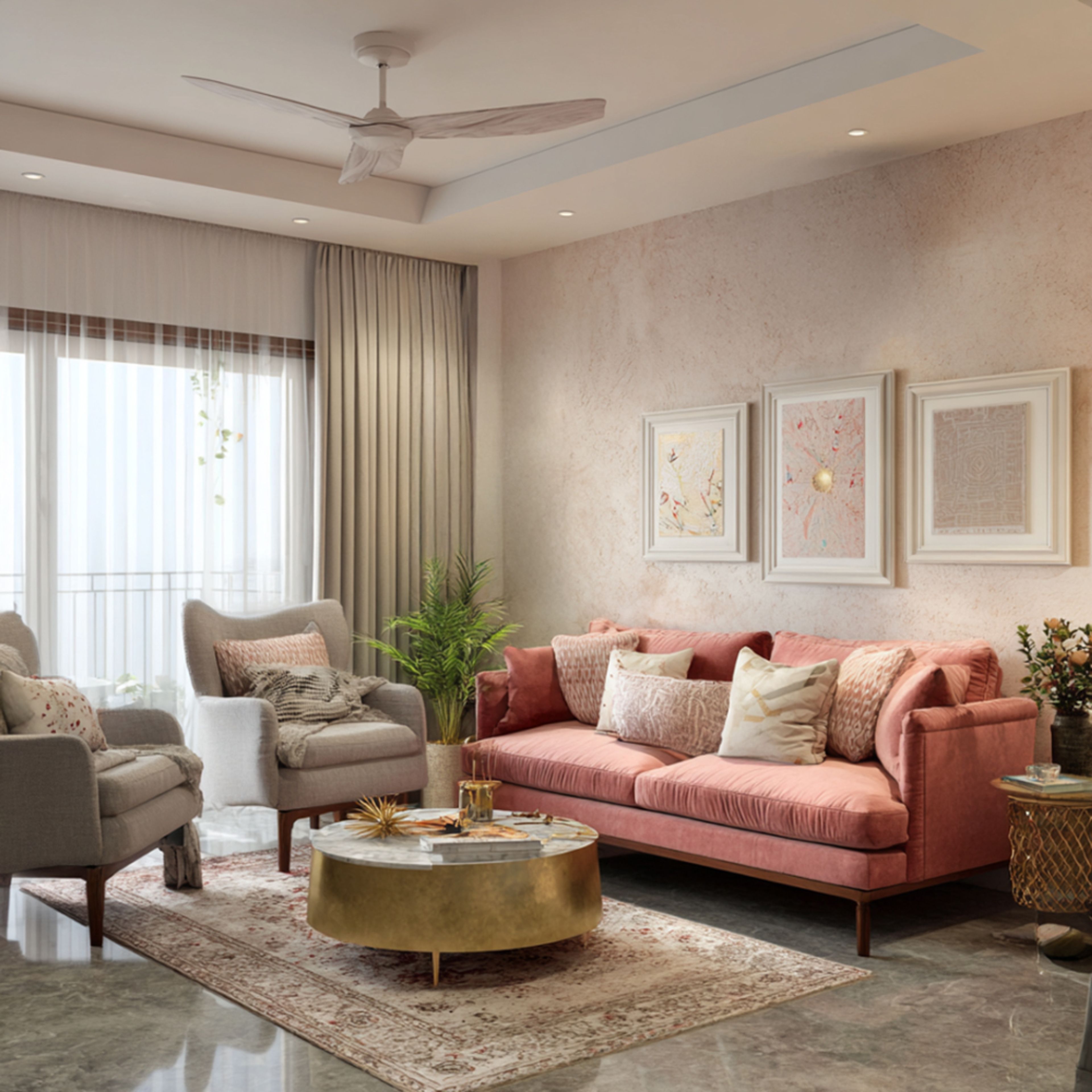
Using different textures in the same color family can make your furniture visually interesting without overwhelming the room. Think linen cushions, velvet armchairs, or a soft wool rug—all in light shades. This adds layers and comfort while keeping the airy feel.
Practical Tips For Maintaining Light-colored Furniture
Light colors can show stains more easily, so choose fabrics that are easy to clean. Slipcovers or washable materials are great options. Regular gentle cleaning keeps your furniture looking fresh and inviting.
How Light Furniture Enhances Other Room Elements
Light and neutral furniture acts like a blank canvas. It lets your artwork, plants, or colorful throw pillows stand out. Have you noticed how a simple light sofa makes bright cushions pop? This balance keeps your room lively but not cramped.
Selecting Space-saving Seating
Choosing the right seating for a small living room can make a huge difference in how spacious and comfortable the space feels. Space-saving seating doesn’t just mean picking smaller furniture—it’s about smart design that fits your lifestyle and maximizes every inch of your room.
Think about how you use your living room daily. Do you often have guests over? Or is it mostly a place for quiet reading and relaxing? Your seating choices should match these needs without overcrowding the room.
Choosing Compact Sofas And Loveseats
Compact sofas and loveseats are perfect for small living rooms because they offer comfortable seating without overwhelming the space. Look for slim arms and low profiles to keep the room feeling open.
Some models come with built-in storage under the seats—ideal for stashing blankets or magazines. Would you want a sofa that doubles as a storage unit? That could save you from adding extra furniture.
Using Multi-functional Seating
Multi-functional pieces are lifesavers in small spaces. Ottomans that open for storage or benches that double as seating and tables add value without taking extra room.
Imagine having a seat that also hides your remote controls or kids’ toys. This smart use of furniture keeps your living room tidy and cozy at the same time.
Selecting Chairs That Don’t Overcrowd
Instead of big armchairs, try smaller accent chairs with open legs or lightweight frames. They create a sense of airiness and can be moved around easily.
If you love reading by the window, pick a chair that fits perfectly into a corner or even a folding chair you can tuck away when not in use. How often do you really need all your seats out at once?
Opting For Modular And Sectional Seating
Modular sofas let you rearrange seating to fit different occasions. You can push modules together for movie nights or separate them for more open space.
Sectionals with a chaise or corner unit can fit snugly into a small room’s layout, offering more seating without extra chairs. Could rearranging your seating improve your room’s flow?
Adding Mirrors For Depth
Adding mirrors to a small living room can completely transform the space. Mirrors reflect light and create the illusion of depth, making your room feel larger and more open. They are a simple, stylish tool that can breathe new life into your furniture arrangement without taking up any floor space.
Choosing The Right Mirror Size And Shape
Pick a mirror that fits the scale of your room. A large mirror can act as a focal point and instantly open up the space. However, smaller mirrors placed strategically can add interest and multiple reflections that enhance depth.
Consider shapes beyond the usual rectangle. Round or oval mirrors soften sharp corners and add a modern twist, while geometric shapes bring a trendy edge. What shape do you think would best complement your existing decor?
Strategic Placement For Maximum Impact
Where you place your mirror matters as much as the mirror itself. Position it opposite a window to double the natural light and brighten the room. Hanging a mirror above a sofa or console table draws the eye upward, making the ceiling feel higher.
A mirror behind a piece of furniture can also create a layered look. Try leaning a tall mirror against a wall if you want a casual vibe and easy repositioning. How can you rearrange your current layout to better use reflections?
Combining Mirrors With Other Decor Elements
Mirrors work well with plants, art, and lighting to enhance your room’s depth. Place a mirror near greenery to reflect the natural vibe and add freshness. Pairing mirrors with wall sconces or candles adds a warm glow that expands the room visually.
Think about matching your mirror frame to other furniture finishes for a cohesive feel. A wooden frame can bring warmth, while a metallic frame adds a sleek touch. What materials in your room could you highlight with a mirror frame?
Embracing Minimalist Decor
Minimalist decor is a powerful way to make your small living room feel open and inviting. By focusing on simplicity and functionality, you create a space that breathes and feels calm. It’s about choosing pieces that serve a purpose and letting go of unnecessary clutter.
Think about the furniture you really need versus what just fills space. Have you ever noticed how a crowded room can make you feel stressed? Minimalism helps you reclaim your space and peace of mind.
Choosing Multi-functional Furniture
Multi-functional furniture is a game changer in small living rooms. Pieces like storage ottomans or sofa beds give you extra utility without crowding the room. They help you maximize every inch while keeping the look clean and simple.
When I added a coffee table with hidden storage, it instantly reduced clutter and gave me a place to tuck away magazines and remote controls. What items in your living room could be hidden away to free up surface space?
Using Light Colors And Simple Lines
Light colors open up a room and make it feel larger. Whites, soft grays, and pastels reflect light and create an airy atmosphere. Pair these colors with furniture that has clean, straight lines to avoid visual heaviness.
I once swapped a bulky patterned sofa for a sleek, light-colored one and saw my living room transform. The space felt twice as big and much more relaxing. Could changing your furniture’s color and style bring that same effect?
Limiting Decorations To Essentials
Minimalism means choosing decorations that add meaning or function. Instead of many small items, select a few statement pieces that draw attention without overwhelming. This keeps your living room tidy and focused.
Try using a single piece of wall art or a well-placed plant to add personality. I found that removing excess trinkets made my living room feel more personal and less chaotic. What one or two decorations truly reflect your style?

Incorporating Foldable And Stackable Pieces
In small living rooms, space-saving furniture is essential. Foldable and stackable pieces help you use every inch wisely. These items offer flexibility and easy storage. They create room for movement and keep your space tidy.
Choosing foldable furniture means you can set up seating only when needed. Stackable pieces let you pile up chairs or stools neatly. This keeps your living room open and clutter-free.
Benefits Of Foldable Furniture In Small Spaces
Foldable furniture saves space without sacrificing comfort. You can fold chairs, tables, or desks flat. Store them behind doors or under beds. This keeps the room open for other activities.
- Easy to move and store
- Allows quick room transformation
- Perfect for multi-use areas
Choosing Stackable Chairs And Stools
Stackable chairs and stools add extra seating in a small room. Stack them up to save floor space. Choose lightweight materials like plastic or metal for easy handling.
- Ideal for guests or gatherings
- Stores neatly in corners or closets
- Combines with other furniture styles
Foldable Tables And Desks For Multi-function Rooms
Foldable tables and desks provide work or dining space as needed. Fold them away when done to free up room. These pieces work well in compact living areas.
- Supports work, meals, or hobbies
- Simple to set up and fold down
- Maintains a clean, open look
Utilizing Corner Spaces
Utilizing corner spaces in a small living room helps make the most of every inch. Corners often become empty or wasted areas. Smart furniture choices can transform these spots into useful and stylish parts of your room.
Small corners can serve as storage, seating, or display areas. Choosing the right furniture keeps the space open and organized. Clever corner solutions improve the room’s flow and functionality.
Choosing Corner Sofas For Compact Comfort
Corner sofas fit snugly against walls, saving floor space. They offer ample seating without overcrowding the room. Look for compact designs with storage under the seats. These sofas create cozy spots for relaxing or guests.
Corner Shelves To Maximize Vertical Space
Corner shelves use vertical height to store items neatly. They keep books, decor, and essentials off the floor. Open shelves make the room feel lighter and less cluttered. Install floating shelves for a modern, clean look.
Using Corner Desks For Work Or Hobbies
Corner desks fit well in small living rooms. They provide a dedicated workspace without taking much room. Choose desks with built-in storage to keep supplies tidy. This setup supports productivity in limited space.
Incorporating Corner Cabinets For Hidden Storage
Corner cabinets add valuable hidden storage in small rooms. They store items out of sight, reducing clutter. Opt for cabinets with doors to protect belongings from dust. These pieces blend function with style seamlessly.
Adding Corner Chairs For Extra Seating
Corner chairs create additional seating without bulk. They fill empty corners and offer a cozy nook. Select chairs with slim profiles and light colors. This keeps the area open and inviting for guests.
Adding Personal Touches
Adding personal touches to your small living room furniture can transform a simple space into a cozy and inviting retreat. These details reflect your personality and make your room feel truly yours. Think about how small changes can bring big impact without crowding your space.
Use Accessories That Reflect Your Style
Accessories like cushions, throws, and rugs can add color and texture without taking up much space. Choose patterns or colors that you love and that complement your furniture. I once added a vibrant throw to a neutral sofa, and it instantly made the room feel lively and personal.
Display Meaningful Items Creatively
Showcase items that tell your story, such as travel souvenirs or family photos. Use floating shelves or small wall-mounted display cases to save floor space. This not only adds character but sparks conversations when guests visit.
Customize Furniture Pieces
Consider simple upgrades like changing knobs on cabinets or adding slipcovers to chairs. These small adjustments can make standard furniture feel unique. A friend painted an old coffee table a bright color, and it became the focal point of their living room.
Incorporate Greenery For A Fresh Feel
Plants can bring life to your space and improve air quality. Use small pots or hanging planters to keep the floor clear. Have you thought about how a few plants might change the mood of your room?
Frequently Asked Questions
What Furniture Suits A Small Living Room Best?
Choose compact, multi-functional furniture like storage ottomans and nesting tables. Opt for slim-profile sofas to maximize space without cluttering the room.
How To Maximize Space With Small Living Room Furniture?
Use vertical storage like shelves and tall cabinets. Select furniture with hidden storage to reduce clutter and maintain an open, airy feel.
Can Light Colors Improve Small Living Room Furniture Appearance?
Yes, light colors reflect natural light, making the room feel larger. Neutral tones also create a clean, spacious look that complements small spaces.
Are Modular Sofas Good For Small Living Rooms?
Modular sofas work great because they can be rearranged to fit different layouts. They provide flexibility and help optimize limited space efficiently.
Conclusion
Small living rooms can feel cozy and stylish with the right furniture. Choose pieces that fit well and save space. Multi-use furniture works great in tight spots. Bright colors and light materials help rooms feel bigger. Keep the layout open to allow easy movement.
Simple designs make a small room look neat and tidy. With thoughtful choices, your living room can be both useful and inviting. Make the most of your space and enjoy a comfortable home.