

Are you wondering if your living room and dining room curtains should match? It’s a common question that can make decorating feel tricky.
The right window treatments can change the whole look and feel of your space. But should your curtains blend perfectly or stand out on their own? What if matching makes your rooms feel dull, or different curtains break the flow?
Keep reading to discover simple tips that will help you create a stylish, balanced home without the guesswork. Your perfect curtain choice is closer than you think.
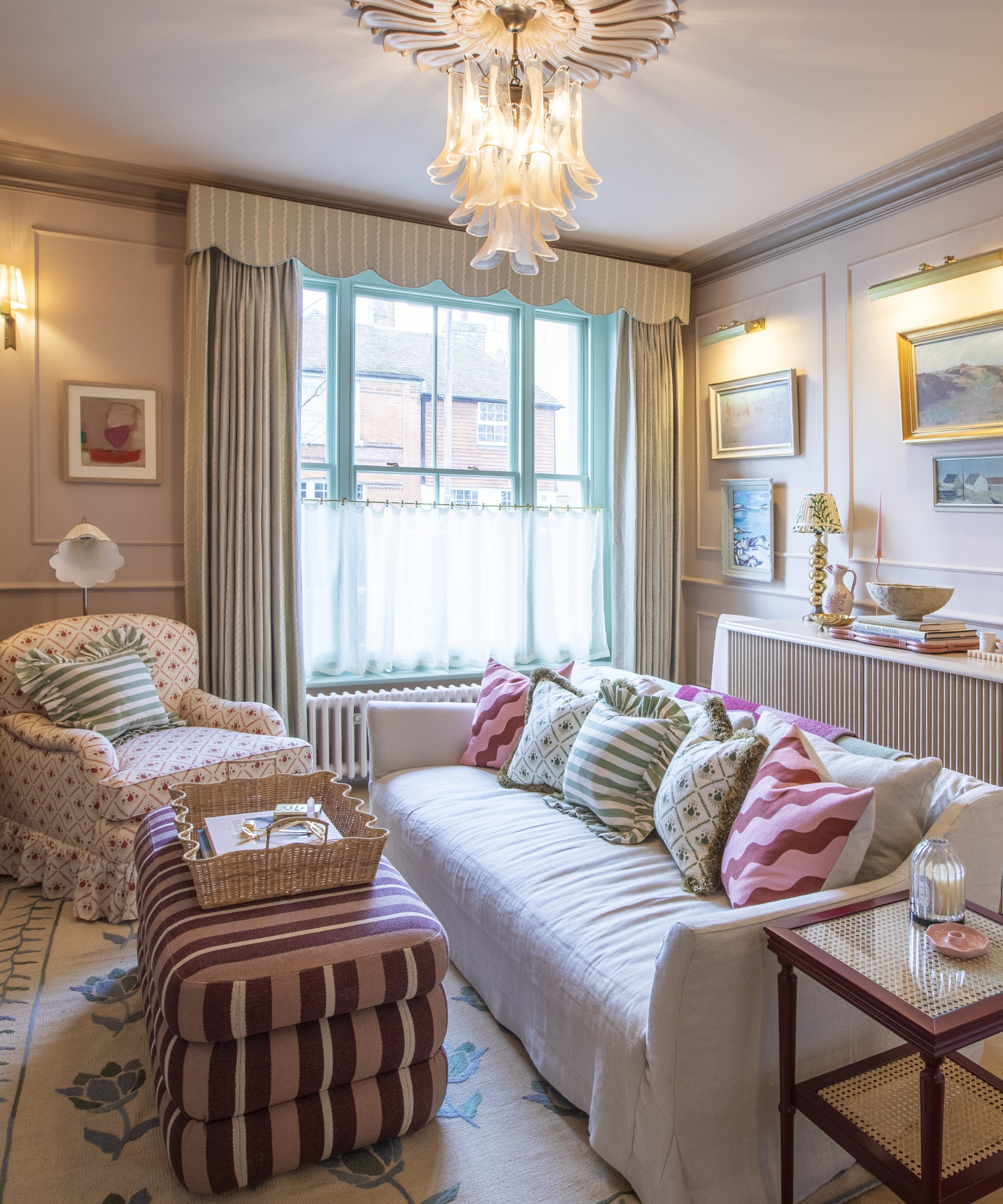
Credit: www.homesandgardens.com
Benefits Of Matching Curtains
Matching curtains in the living room and dining room offer several benefits. They create harmony between spaces and enhance the overall decor. This simple choice can make your home feel more inviting and stylish.
Creating A Cohesive Look
Matching curtains bring unity to your home’s design. They tie different rooms together visually. This helps your space look well-planned and balanced. A cohesive look makes your home feel calm and organized.
Enhancing Room Flow
When curtains match, moving from one room to another feels smooth. The colors and patterns guide the eye naturally. This improves the connection between living and dining areas. It creates a seamless transition that feels welcoming.
Simplifying Decor Choices
Choosing matching curtains reduces the stress of picking different styles. It narrows down fabric and color options. This makes decorating faster and easier. You can focus on other elements like furniture and lighting.

Credit: easylifecurtains.com
Reasons To Choose Different Curtains
Choosing different curtains for your living room and dining room can transform how each space feels and functions. Instead of matching everything, varying your curtain styles lets you tailor each room’s atmosphere. This approach invites creativity and allows your home to tell a more dynamic story.
Adding Visual Interest
Using different curtains adds layers of texture and color that catch the eye. Imagine a bold pattern in the living room paired with a subtle, light-filtering fabric in the dining area. This contrast makes each space stand out on its own, avoiding a monotonous look.
Have you noticed how uniform curtains can sometimes make rooms blend together too much? Different curtains break that sameness and create focal points that draw attention.
Reflecting Room Functions
Your living room and dining room serve different purposes, so their curtains should too. For instance, heavier, blackout curtains in the living room help create a cozy movie-watching environment. Meanwhile, lighter, sheer curtains in the dining area keep the space bright and inviting during meals.
Think about how you use each room daily. Would you prefer more privacy in one or more natural light in the other? Curtains tailored to function support how you live.
Showcasing Personal Style
Choosing distinct curtains lets you express different moods and styles in each space. Maybe your living room reflects a modern vibe with sleek, solid colors, while your dining room embraces a vintage charm with floral prints. This variety shows off your personality and design flair more clearly.
What story do you want your rooms to tell? Different curtains give you the freedom to experiment and showcase your taste without restrictions.
Choosing Colors And Patterns
Choosing colors and patterns for living room and dining room curtains shapes the room’s mood. These choices affect harmony and style. Consider how colors and patterns blend or contrast between spaces. The goal is a smooth flow that feels natural and inviting. Curtains can either match exactly or complement each other with a clever balance.
Coordinating Color Palettes
Select colors that share similar tones or undertones. Warm colors like reds, oranges, and yellows create cozy vibes. Cool colors like blues, greens, and grays bring calmness. Use a color wheel to find matching shades. Soft pastels can link rooms without overpowering. Neutrals such as beige, gray, or white work well across areas. Aim to tie the rooms together by repeating key colors in both curtains.
Mixing Patterns Successfully
Combine patterns by varying scale and style. Large floral prints in one room can pair with small geometric shapes in another. Stripes and dots often match well if colors align. Keep pattern colors within the same palette to avoid clashing. Use solid curtains to break up busy patterns. Balance bold designs with simpler ones for visual comfort. Pattern mixing adds interest and personality without chaos.
Balancing Bold And Neutral Tones
Bold curtains create a strong statement. Use them in one room and soften the other with neutral curtains. Neutral tones like cream, taupe, or soft gray calm intense colors. This balance prevents the space from feeling too loud or dull. Bold colors can highlight furniture or artwork. Neutral curtains provide a peaceful backdrop. Mixing bold and neutral tones keeps the look fresh and stylish.
Fabric And Texture Tips
Choosing the right fabric and texture for your living room and dining room curtains can impact the entire look. These elements affect style, comfort, and function. Matching or mixing fabrics needs thought about weight, feel, and purpose.
Understanding fabric and texture helps create harmony or contrast. This section guides you on how to pick materials that suit both rooms well.
Matching Fabric Weight
Fabric weight affects how curtains hang and move. Heavy fabrics look formal and block light well. Light fabrics feel airy and soft, ideal for casual spaces.
Using similar fabric weights in both rooms keeps balance. For example, thick velvet in the living room pairs nicely with a thick linen in the dining area. Avoid mixing very heavy and very light fabrics side by side. It can seem mismatched and awkward.
Combining Textures Creatively
Mixing textures adds depth and interest. Smooth silk curtains can blend with rougher burlap or woven cotton. This contrast makes each room unique yet connected.
Try pairing matte fabrics with shiny ones. Or soft velvets with crisp linens. Choose textures that feel good to touch and fit the room’s mood. Use texture to highlight or soften your curtain style.
Considering Light And Privacy
Fabric choice affects how much light enters and privacy levels. Sheer fabrics let in light but offer little privacy. Opaque fabrics block light and provide full privacy.
Think about what each room needs. Living rooms often benefit from filtered light and partial privacy. Dining rooms might need more privacy and less glare.
Select curtains based on how much natural light you want and how private the space should be. Layering sheer and heavy curtains is a smart option too.
Practical Style Tips
Choosing curtains for your living room and dining room is more than just picking colors and patterns. Practical style tips help you make decisions that enhance both spaces effectively. Paying attention to details like window measurements, curtain lengths, and how your curtains interact with furniture can transform your rooms.
Measuring Windows Accurately
Start by measuring the width and height of your windows carefully. Use a metal tape measure for precision, and measure at three points (top, middle, bottom) to catch any differences.
Remember to add extra width for fullness—curtains look best when they’re about 1.5 to 3 times wider than the window. This gives a rich, gathered look instead of a flat panel.
Selecting Curtain Lengths
Decide on curtain length based on the room’s style and function. Curtains can just touch the windowsill, hang to the floor, or puddle slightly for a dramatic effect.
If you want a clean, modern look, curtains that stop just above the floor work well. For a cozy, elegant vibe, longer curtains that pool slightly add softness.
Pairing Curtains With Furniture
Think about the colors and textures of your furniture when choosing curtains. If your sofa is a bold color, opt for neutral curtains to balance the space.
Matching patterns can feel overwhelming. Instead, try using curtains to complement the furniture’s tones—like soft beige curtains with a dark wood dining table.
Have you noticed how the right curtains can make your furniture pop or blend? Sometimes, subtle contrast makes the room feel more dynamic.
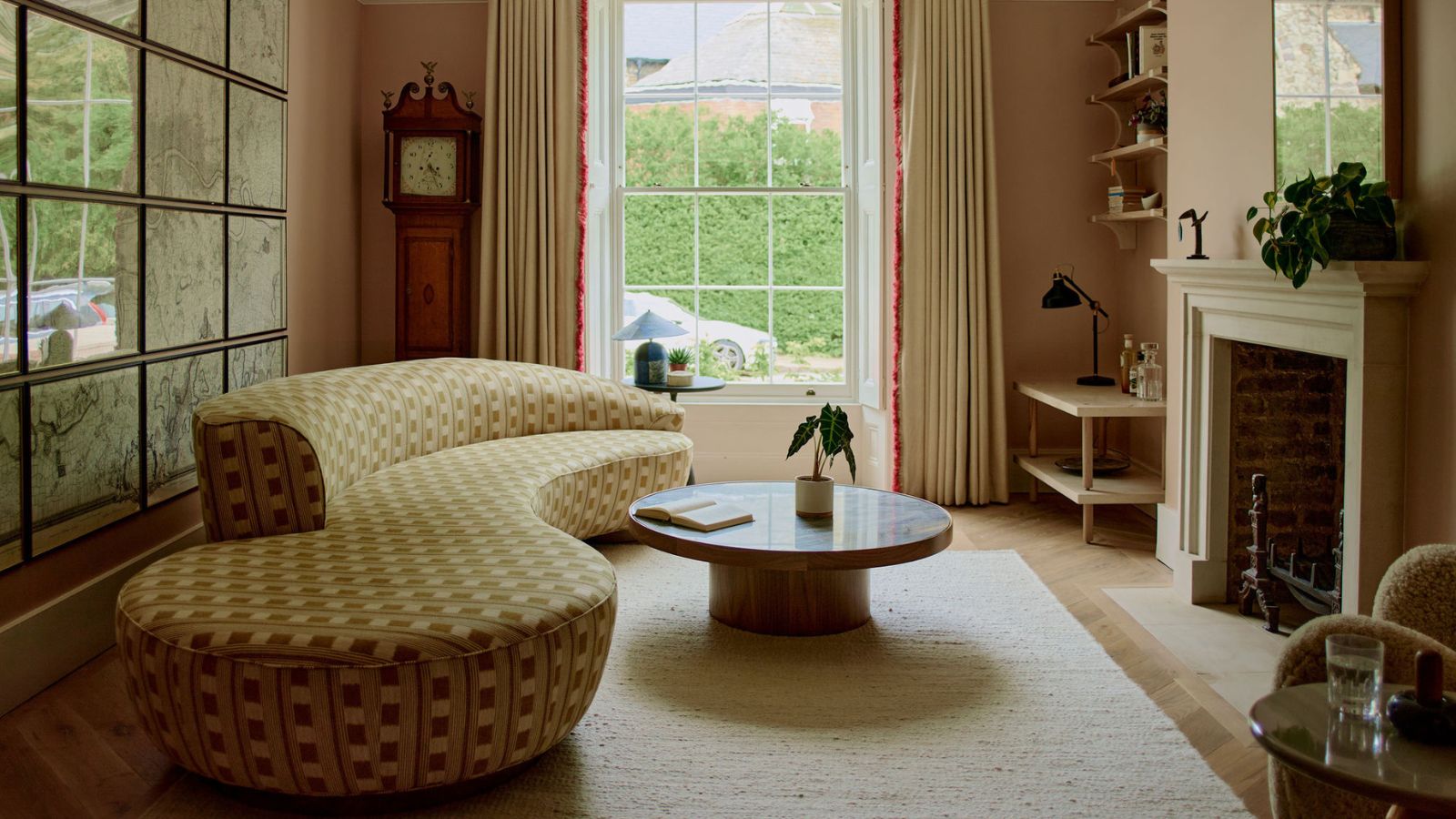
Credit: www.homesandgardens.com
Common Mistakes To Avoid
Choosing curtains for your living and dining rooms can significantly impact the atmosphere of your home. However, some common mistakes can turn your thoughtful choices into design missteps. Avoiding these pitfalls will help you create a balanced and inviting space that feels cohesive without being dull.
Overmatching And Monotony
Matching curtains in both rooms might seem like a safe choice, but too much similarity can make your home feel boring. When everything looks exactly the same, the spaces lose their unique character and become monotonous.
Think about how you want each room to feel. Should your dining room have a formal vibe while your living room stays cozy? Mixing complementary colors or patterns keeps the look unified yet interesting. Have you considered fabrics with different textures to add depth without clashing?
Ignoring Room Lighting
Lighting plays a huge role in curtain selection. Thick, dark curtains might work well in a sunny dining area but could make a dimly lit living room feel gloomy. On the other hand, sheer curtains might let in too much light where privacy is essential.
Before buying, observe how natural light changes throughout the day in both rooms. Adjust your curtain choices accordingly to maintain comfort and ambiance. Are your curtains enhancing the light or blocking it unnecessarily?
Neglecting Maintenance Needs
Choosing beautiful curtains is only part of the equation; maintenance is equally important. Heavy fabrics might look elegant but can be hard to clean, especially in high-traffic areas like dining rooms.
Consider how often you’re willing to wash or dry clean your curtains. Opt for materials that fit your lifestyle to avoid frustration later. Could easy-care fabrics save you time and keep your rooms looking fresh?
Frequently Asked Questions
Should Curtains In Living And Dining Rooms Match?
Matching curtains can create a cohesive look, but it’s not mandatory. Consider the overall design and color palette of your space. Complementary shades or patterns can also work well, maintaining harmony while adding interest. Ultimately, choose what suits your style and preferences.
Can Different Curtain Styles Work Together?
Yes, different curtain styles can work together if coordinated well. Keep a consistent color scheme or pattern to maintain harmony. Mixing styles, like sheer and blackout, can add depth and functionality. It’s essential to balance aesthetics and practicality for a stylish, cohesive look.
What Are The Benefits Of Matching Curtains?
Matching curtains unify your living and dining rooms, creating a seamless flow. They simplify design decisions, ensuring a coordinated look. This approach is ideal for open-plan spaces, enhancing visual continuity. Matching curtains can also make your home appear more spacious and organized.
How To Choose Curtain Colors For Both Rooms?
Choose curtain colors that complement your existing decor and furniture. Consider the room’s color palette and mood you wish to create. Neutral tones offer versatility, while bold colors add drama. It’s essential to balance harmony with personal style, ensuring a cohesive yet personalized look.
Conclusion
Matching curtains in the living and dining rooms can create a calm, unified look. Yet, different curtains allow each space to show its own style and mood. Choose based on your room size, lighting, and personal taste. Soft colors work well to keep rooms feeling open and fresh.
Patterns add life but use them carefully to avoid clashing. The key is balance—curtains should fit the space and your comfort. Your home, your rules. What feels right to you matters most.