
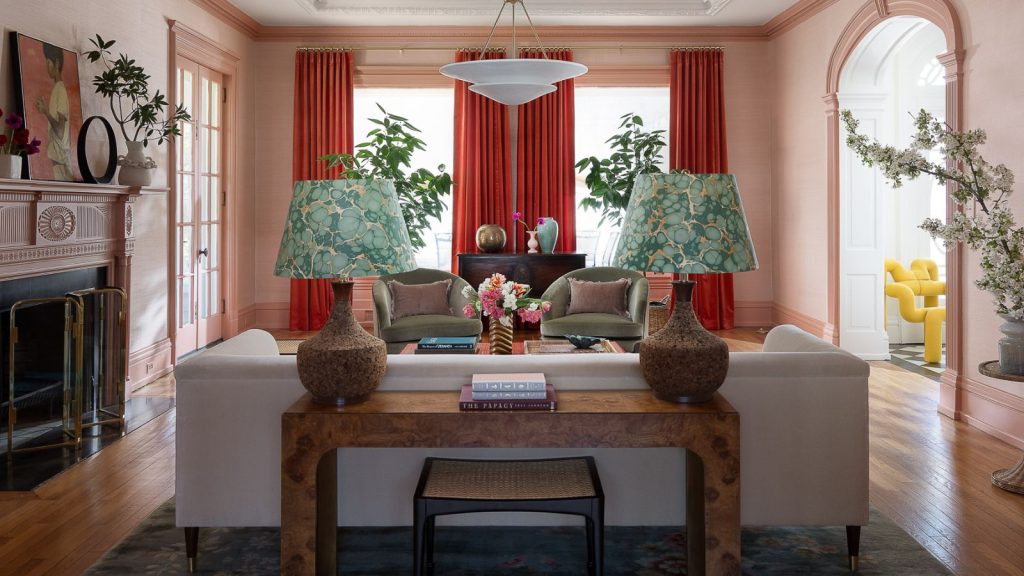
Are you in the midst of redecorating your dining room and feeling puzzled over whether your curtains should touch the floor? You’re not alone.
This seemingly small detail can make a big impact on the overall look and feel of your space. You might be wondering if floor-length curtains are the secret ingredient to a polished dining room, or if there’s more flexibility than you think.
As you explore this choice, consider how it could influence the ambiance, comfort, and style of your dining area. Dive into this guide to uncover the factors that can help you make the perfect decision for your home. By the end, you’ll not only know if your dining room curtains should touch the floor, but you’ll also understand why it matters. Keep reading to transform your dining space into a place of elegance and warmth.

Credit: twopagescurtains.com
Ideal Curtain Lengths
Choosing the right curtain length for your dining room is key. It shapes the room’s look and feel. The ideal length depends on style, function, and room size. Curtains can either touch the floor or hang just above it. Both choices create different moods and effects. Understanding these options helps you pick the best fit for your space.
Floor-hugging Styles
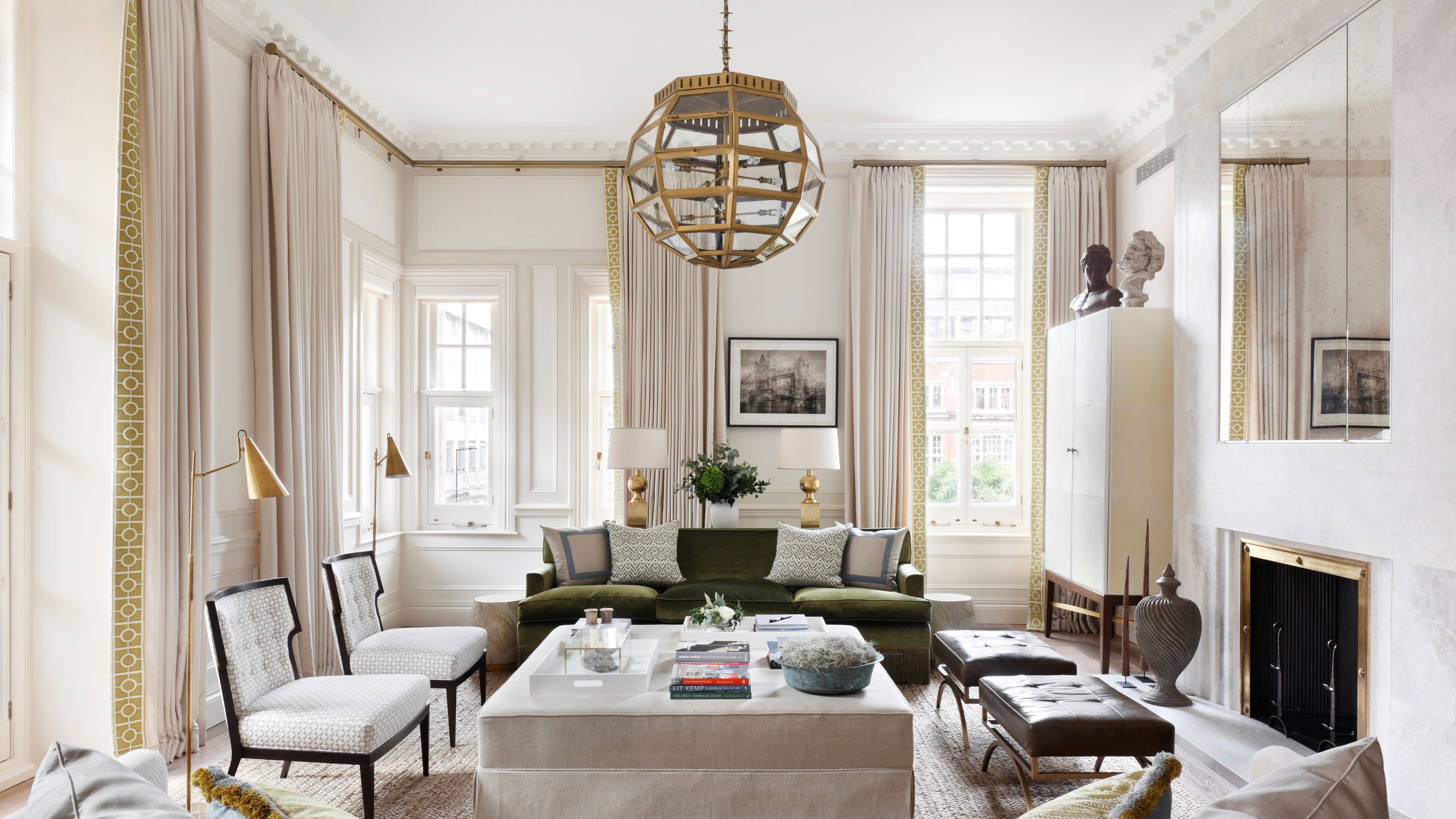
Floor-hugging curtains reach the floor perfectly. They create a clean, elegant appearance. This style works well in formal dining rooms. It adds a sense of height and luxury. Curtains that just skim the floor avoid dust and dirt. This length also helps soften hard floors. Floor-hugging styles create a cozy, finished look.
Floating Curtain Options
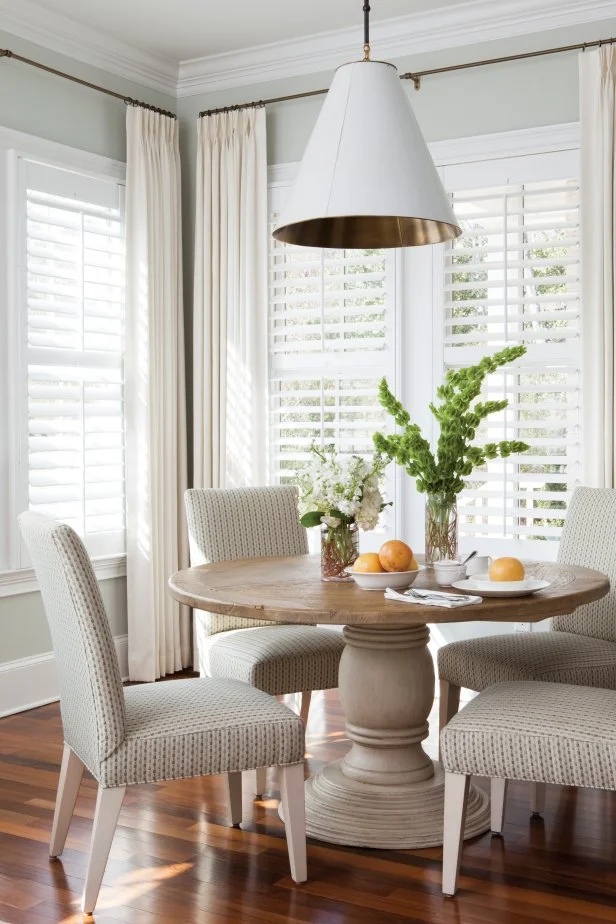
Floating curtains hang slightly above the floor. They usually have a gap of one to two inches. This style is practical and modern. It prevents curtains from dragging and getting dirty. Floating curtains work well in casual or busy dining rooms. They offer a relaxed, airy feel. This length is easier to maintain and clean.
Choosing Based On Room Size
Room size affects curtain length choices. In small rooms, floating curtains can make space feel larger. They avoid overwhelming the space. Larger rooms benefit from floor-hugging curtains. They add drama and balance to big spaces. Consider the ceiling height too. High ceilings pair well with long, floor-touching curtains. Low ceilings suit shorter, floating styles better.
Factors Influencing Curtain Length
Choosing the right curtain length for your dining room can change the entire feel of the space. Several factors come into play, shaping whether your curtains should graze the floor, hover just above it, or even puddle slightly. Understanding these factors helps you pick curtains that look great and function well in your dining area.
Curtain Fabric And Weight
The material of your curtains greatly affects how they hang. Heavy fabrics like velvet or thick linen tend to drape better when they touch or nearly touch the floor, adding a sense of luxury.
Lighter fabrics such as sheer cotton or voile might look awkward if they pool on the floor—they can catch dust or get dirty easily. Think about how the curtain fabric feels and moves before deciding on length.
Window Height And Placement
The size and position of your dining room windows play a big role in curtain length decisions. Taller windows often call for longer curtains that reach the floor to enhance vertical lines and make the room feel taller.
But if your windows sit low or have radiators beneath them, shorter curtains might work better to avoid obstruction. Measure carefully and imagine how different lengths will look against your window setup.
Dining Room Usage And Traffic
Consider how often people move around your dining space. If your dining room is a busy hub with kids or pets, curtains that just touch or skim the floor might get stepped on or soiled quickly.
In such cases, curtains that end slightly above the floor can keep your décor cleaner and safer. Ask yourself: do you want curtains that make a statement but require extra care, or something practical for everyday use?
Benefits Of Floor-length Curtains
Choosing floor-length curtains for your dining room can transform the entire space. These curtains offer more than just a decorative touch; they bring multiple benefits that can enhance your dining experience. Let’s look at how floor-length curtains can elevate your room’s style and function.
Enhancing Room Elegance
Floor-length curtains add an instant sense of luxury and sophistication to any dining room. Their extended length naturally draws the eye upward, creating an illusion of higher ceilings and a more spacious room. You’ll notice how this simple adjustment can make your dining area feel more refined and thoughtfully designed.
Imagine hosting a dinner party where your guests admire the polished look of your room. The curtains act like a silent but powerful piece of décor that ties everything together effortlessly.
Creating A Cozy Atmosphere
Long curtains soften the hard edges of windows and walls, which helps to create a welcoming, cozy environment. They can absorb sound, reducing echoes that often make dining spaces feel cold or uninviting. This makes conversations more intimate and enjoyable.
Think about those chilly evenings when you want your dining room to feel warm and inviting. Floor-length curtains help trap warmth and add a comforting texture that makes you want to linger longer at the table.
Improving Light Control
One of the practical perks of floor-length curtains is their superior ability to control natural light. They cover the entire window and part of the wall, blocking out unwanted glare or harsh sunlight during mealtimes. This allows you to set the perfect lighting mood, whether you want bright daylight or a softer glow.
Have you ever struggled with sunlight ruining the ambiance or making it hard to see your screen during dinner? Floor-length curtains give you control, so you can adjust how much light enters without sacrificing style.
Drawbacks Of Floor-touching Curtains
Floor-touching curtains can create an elegant and dramatic look in your dining room. However, before you decide to let your curtains sweep the floor, it’s important to consider some practical downsides. These drawbacks might affect your daily living and the long-term upkeep of your curtains.
Maintenance And Cleaning Challenges
Curtains that touch the floor tend to collect more dust, dirt, and pet hair. This means you’ll need to clean them more often to keep your dining room looking fresh. Imagine dragging your curtains across a hardwood or carpeted floor every time you open or close them—this constant contact makes cleaning a hassle.
You might find yourself having to wash or dry clean these curtains frequently, which can be time-consuming and expensive. Would you be willing to spend extra time and money just to maintain that floor-length look?
Potential Safety Concerns
Long curtains can become tripping hazards, especially if you have kids or elderly guests. It’s easy to get your foot caught in the fabric when walking around the dining area. This risk increases if the curtains are heavy or made of thick materials.
Additionally, if you use candles or have a fireplace nearby, floor-length curtains might catch fire accidentally. Are you ready to trade safety for style in your dining space?
Wear And Tear Issues
Constant friction with the floor causes the fabric to fray and wear out faster. This can lead to unsightly holes and faded spots near the bottom of your curtains. If you love investing in quality textiles, this wear could shorten the life of your curtains.
Also, damp floors or spills can stain the curtain edges, leaving permanent marks. Could this damage ruin the appearance you worked hard to achieve?
Alternative Curtain Styles
Choosing curtain length can change the entire vibe of your dining room. If floor-length curtains feel too formal or impractical, there are several alternative styles to consider. These options can add charm and functionality without overwhelming your space.
Sill-length Curtains
Sill-length curtains end right at the window sill, creating a clean and tailored look. They work well in dining rooms where you want to let in natural light but still maintain privacy. This length prevents curtains from dragging or collecting dust, making them easier to maintain.
Think about your dining table placement—sill-length curtains won’t interfere with chairs or movement around the room. They also add a subtle layer of texture without dominating the space.
Apron-length Curtains
Apron-length curtains fall just below the window sill, usually about 4 to 6 inches past it. This style adds a bit more softness compared to sill-length curtains but still keeps things neat. It’s a great middle ground if floor-length curtains feel too heavy.
In my own dining area, apron-length curtains helped balance the room’s proportions. They added warmth without blocking light or crowding the floor, making the space feel open yet cozy.
Customized Lengths For Unique Spaces
Not every dining room fits standard curtain lengths perfectly. Customizing your curtains to match your room’s unique features can make a big difference. You might have a low window ledge, built-in benches, or radiators that require a tailored approach.
Ask yourself where your curtains will fall and how they’ll interact with furniture or architectural details. Custom lengths let you create a look that’s just right for your space, blending style and practicality effortlessly.
Expert Tips For Choosing Curtain Length
Choosing the right curtain length for your dining room sets the tone for the entire space. The length affects the room’s look and how the curtains function. Experts advise paying close attention to measurements, style, and even the seasons to get the perfect fit. These tips help balance beauty and practicality.
Measuring Accurately
Start by measuring from the curtain rod to the floor. Use a metal tape for exact numbers. Measure in several spots to catch uneven floors. Subtract a little if you want curtains just above the floor. For a puddled look, add 4 to 6 inches. Keep measurements consistent to avoid surprises.
Matching Curtains To Dining Room Decor
Choose curtain length based on furniture style and room size. Floor-length curtains add elegance to formal dining rooms. Shorter curtains work well with casual or modern decor. Consider chair height and table shape near windows. Fabric texture and color should blend with walls and furniture. Think about the overall mood you want to create.
Considering Seasonal Changes
Curtain length can impact room temperature and light control. Longer curtains help keep cold air out during winter. Shorter curtains allow more airflow in summer months. Choose fabrics that suit the season, like heavier materials for winter. You may want to switch curtains or add liners for different seasons. Adapt to your climate for comfort and style.
Styling Floor-length Curtains
Styling floor-length curtains adds elegance and warmth to any dining room. These curtains create a dramatic look and help frame your windows beautifully. Choosing the right style and accessories can enhance your room’s atmosphere and complement your décor.
Layering With Sheers
Layering floor-length curtains with sheer panels softens natural light. Sheers add privacy without blocking sunlight. Pairing heavy curtains with light sheers creates depth and texture. This combination offers flexibility for different moods and times of day. It also makes the room feel airy yet cozy.
Using Tiebacks And Holdbacks
Tiebacks and holdbacks keep curtains neatly gathered to the side. They reveal more window space and increase natural light. These accessories add a touch of style and sophistication. Choose tiebacks in fabric or metal that match your décor. Holdbacks offer a fixed position for curtains, creating a polished look.
Accessorizing For Impact
Accessories can transform simple curtains into a focal point. Consider decorative curtain rods with unique finials to add character. Use curtain rings or clips to enhance ease of movement and style. Adding tassels or trims gives curtains a personalized touch. These small details create visual interest and complete your dining room design.
Credit: www.livingetc.com
Credit: www.hgtv.com
Frequently Asked Questions
Should Dining Room Curtains Touch The Floor?
Dining room curtains can touch the floor for an elegant look. Floor-length curtains create a formal ambiance and make rooms appear taller. However, slightly above the floor curtains are easier to clean and maintain, especially in high-traffic areas.
What Are Benefits Of Floor-length Dining Curtains?
Floor-length curtains add sophistication and a polished finish to dining rooms. They help insulate the room and block light effectively. These curtains also enhance room height perception and complement classic or luxurious decor styles.
Can Curtains Slightly Above Floor Work In Dining Rooms?
Yes, curtains slightly above the floor prevent dirt and damage. They are practical for busy dining spaces and easier to clean. This length offers a neat, tailored look without the risk of dragging fabric.
How To Choose Curtain Length For Dining Rooms?
Consider room size, curtain style, and maintenance needs when choosing length. Floor-length suits formal, spacious rooms; shorter curtains fit casual or small spaces. Balance aesthetics with functionality for the best dining room ambiance.
Conclusion
Dining room curtains that touch the floor create a clean, elegant look. They help make the room feel taller and more open. Shorter curtains can look unfinished or awkward. Choose the length that fits your style and space best. Keep in mind how often you clean or open the curtains.
The right curtain length adds comfort and charm to your dining room. Simple choices make a big difference in your home’s feel. Curtains matter more than you might think.