
Are you struggling to arrange your rectangular living room furniture in a way that feels both stylish and functional? You’re not alone.
Getting the layout right can transform your space, making it feel larger, cozier, and perfect for relaxing or entertaining. You’ll discover simple, practical tips to create a balanced and inviting living room that suits your lifestyle. Keep reading to unlock easy solutions that make your rectangular space work perfectly for you.
Choosing The Right Furniture
Choosing the right furniture for a rectangular living room can transform the space from awkward to inviting. The key lies in understanding how each piece fits within the room’s shape and how it complements your lifestyle. You want furniture that not only looks good but also feels right for everyday use.
Size And Scale Matters
Think about the size of your rectangular room before picking furniture. Oversized sofas might overwhelm the space, making it feel cramped, while too-small pieces can look lost and disconnected. Measure your room and leave enough walking space—at least 2 to 3 feet around furniture helps maintain flow.
Imagine placing a long sectional along one wall with a narrow coffee table in front. This setup uses the room’s length efficiently without blocking pathways. Have you ever felt stuck with furniture that just doesn’t fit? Getting the scale right can solve that problem instantly.
Multi-functional Pieces
Multi-functional furniture is a smart choice for rectangular living rooms, especially if you want to maximize space. Items like storage ottomans, sofa beds, or nesting tables add versatility without clutter. These pieces let you adapt your space for guests, work, or relaxation without extra bulk.
Think about a coffee table with built-in storage or a bench that doubles as seating and a place to stash blankets. Could your furniture do more than just look good? This approach keeps your room tidy and flexible.
Materials And Durability
Focus on materials that suit your lifestyle and stand up to daily wear. If you have kids or pets, durable fabrics like microfiber or leather work well. Solid wood frames tend to last longer than particleboard, giving you better value over time.
Don’t overlook texture and color, either. A slightly textured fabric can hide stains better, while darker shades often look cleaner between washes. What’s the one thing you want your furniture to withstand? Choosing the right materials can save you from headaches down the road.
Optimizing Furniture Placement
Optimizing furniture placement in a rectangular living room can enhance comfort and style. Good placement creates balance and makes the space functional. It improves movement and highlights key features in the room.
Focal Points And Flow
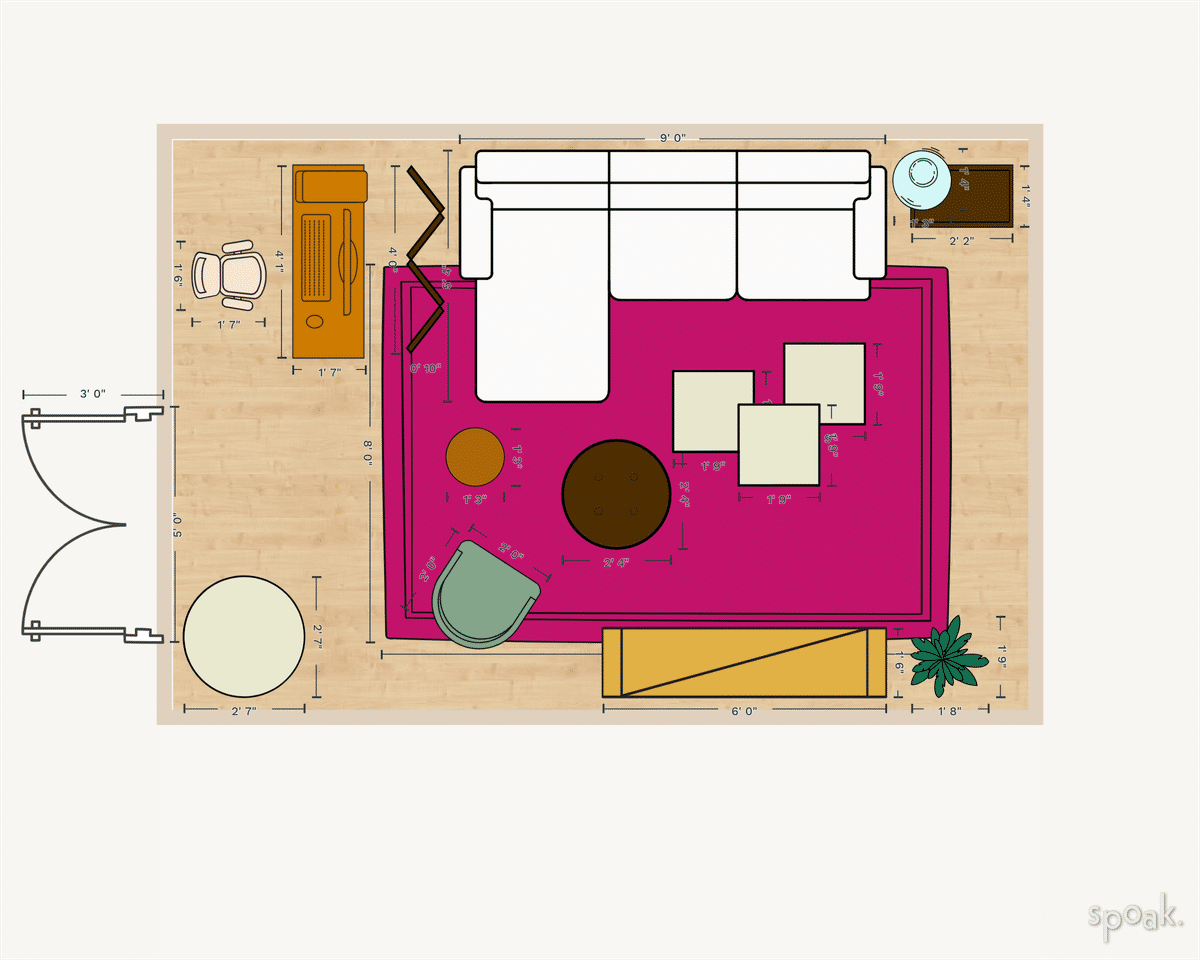
Identify the room’s focal point. This could be a fireplace, TV, or large window. Arrange seating to face or highlight this feature. Keep pathways clear for easy movement. Avoid blocking doors or windows. Ensure there is enough space to walk around furniture comfortably.
Zoning The Space
Create distinct areas for different activities. Use rugs or furniture to separate zones. For example, place a sofa and coffee table for relaxing. Add a small desk or reading chair in another corner. This divides the room without walls. Zoning helps organize a long rectangular space effectively.
Avoiding Clutter
Choose furniture with clean lines and simple shapes. Avoid overcrowding with too many pieces. Use storage solutions like shelves or baskets to keep items tidy. Leave some open space to make the room feel larger. A neat room feels welcoming and calm.
Seating Arrangements
Seating arrangements shape how you experience your living room every day. They influence comfort, flow, and social interaction. Thoughtful placement of sofas, chairs, and additional seating options can make your rectangular living room feel welcoming and balanced.
Sofa And Chairs Layout
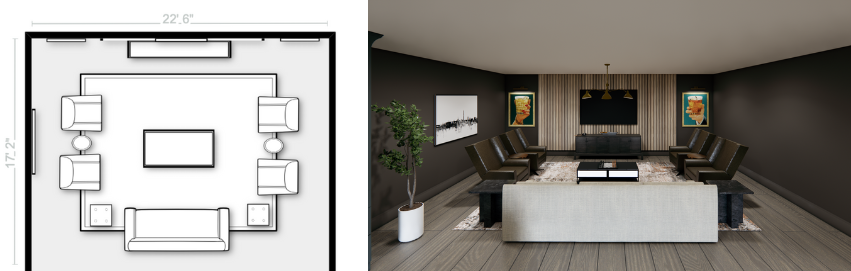
Position your sofa along the longest wall to maximize space and create a natural focal point. Pair it with chairs placed opposite or adjacent to encourage easy movement and visual balance.
Try arranging chairs at a slight angle to soften the room’s straight lines and invite conversation. If space is tight, slim-profile chairs can keep the area open without sacrificing seating.
Creating Conversation Areas
Group your seating to foster interaction. Place chairs and sofas close enough for voices to carry without strain, typically about 3 to 6 feet apart.
Use rugs or coffee tables to define these zones clearly. Ask yourself: Does this layout make it easy to chat without turning or shouting?
Incorporating Ottomans And Benches
Add ottomans or benches for flexible seating and extra comfort. They work well as footrests, side tables, or additional seats when guests arrive.
Choose pieces that can slide under tables or be moved easily to keep the room adaptable. Have you considered how a simple ottoman could double your seating without clutter?
Using Rugs And Accessories
Using rugs and accessories can transform your rectangular living room into a space that feels inviting and well-organized. These elements help break up the long layout, add texture, and bring personality to your room. Thoughtful choices in rugs and accessories can guide the eye and create zones that serve different purposes.
Defining Areas With Rugs
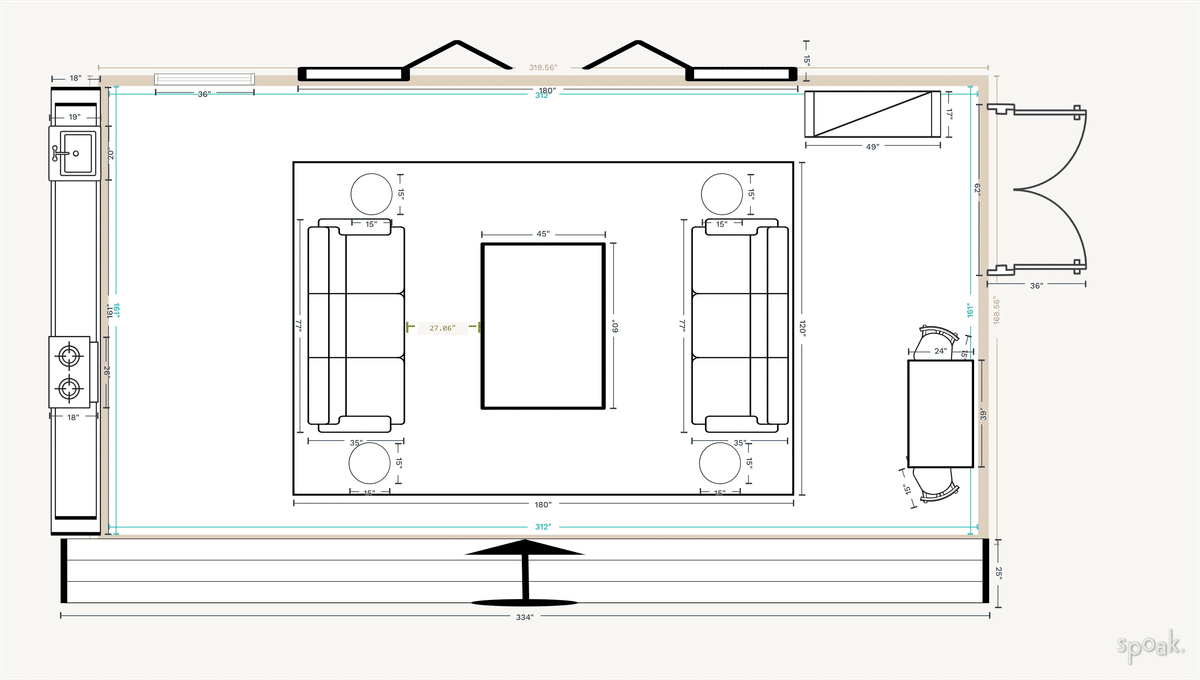
Rugs are powerful tools to define different areas in a rectangular living room. Instead of letting the space feel like one long corridor, use rugs to anchor your seating area or reading nook. A large rug under the sofa and coffee table pulls the furniture together and creates a cozy conversation spot.
Think about rug size carefully. A rug that is too small can make furniture look disconnected. Aim for a rug that fits all key pieces or at least the front legs of your furniture.
Strategic Lighting
Lighting is more than just functional; it shapes the mood and spatial perception of your living room. Use floor lamps and table lamps to soften the corners and add warmth to the rectangular space. Placing a lamp near a rug-defined area highlights that zone and invites use.
Layer your lighting with overhead fixtures, task lights, and accent lamps. This approach helps you control the ambiance depending on the time of day or activity.
Decorative Elements
Accessories bring your living room’s character to life. Use throw pillows, blankets, and art pieces to add color and texture without overwhelming the space. Keep a balance by selecting a few statement items rather than cluttering every surface.
Consider how decorative elements can echo the shapes and colors in your rugs and furniture. This creates a cohesive look that feels intentional. What small accessory could become your room’s focal point?
Storage Solutions
Storage solutions play a crucial role in making your rectangular living room both functional and inviting. Without smart storage, clutter can quickly take over, making the space feel cramped and chaotic. Thoughtful choices will help you keep essentials organized while enhancing the room’s overall style.
Built-in Vs. Freestanding
Built-in storage offers a seamless look by fitting perfectly into your living room’s layout. It maximizes every inch of space, especially in tight corners or along walls. However, it often requires a bigger upfront investment and is less flexible if you want to rearrange later.
Freestanding furniture, like bookcases or storage benches, gives you the freedom to move things around. You can try different layouts until you find what works best. Plus, it’s easier to swap out pieces as your style or needs change.
Hidden Storage Options
Hidden storage is a game-changer if you want to maintain a clean, minimalist look. Think ottomans with storage inside or coffee tables with drawers. These pieces keep items like blankets, remote controls, or magazines out of sight but within easy reach.
Have you ever felt frustrated looking for a place to stash your living room clutter? Hidden storage can solve that problem without adding visual bulk.
Shelving And Cabinets
Shelving units and cabinets provide both display and storage opportunities. Open shelves let you showcase books, plants, or decorative items, adding personality to the room. Closed cabinets, on the other hand, hide away less attractive belongings, keeping the space tidy.
Mixing both open and closed storage can create a balanced and practical setup. Consider wall-mounted shelves to free up floor space, especially in narrower rectangular rooms.
Traffic Flow And Accessibility
Traffic flow and accessibility are crucial when arranging furniture in a rectangular living room. You want to create a space where moving around feels natural and comfortable, without bumping into furniture or feeling cramped. Paying attention to these details can transform your room into a functional and inviting area for both everyday use and entertaining guests.
Clear Pathways
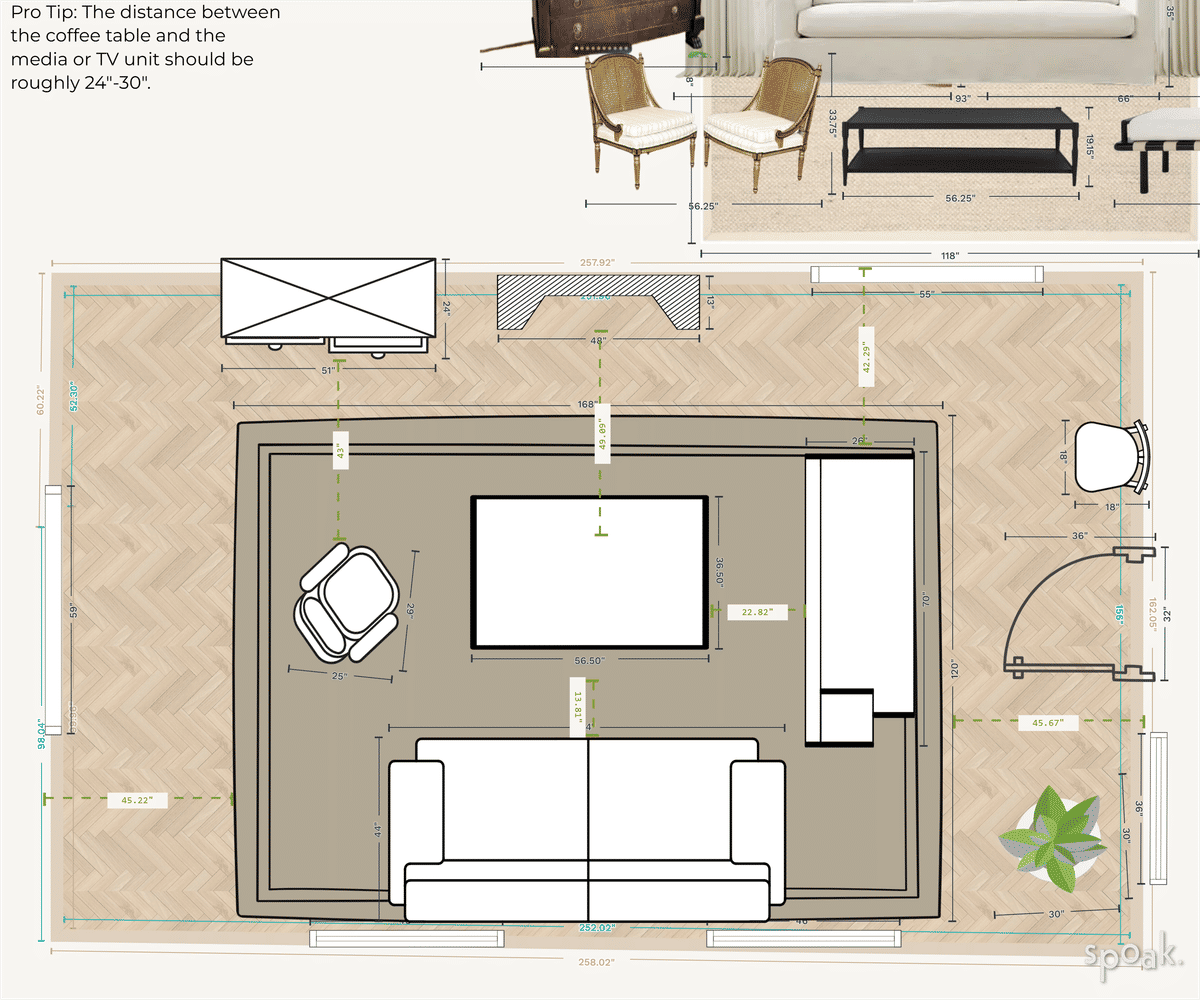
Clear pathways make navigating your living room effortless. Aim to leave at least 30-36 inches of walking space between furniture pieces. This width allows people to pass through without squeezing or awkwardly shifting around obstacles.
Think about the natural routes people take. Usually, they move from entry points to seating areas or other rooms. Arrange your furniture so these routes stay open and unobstructed.
Have you ever been stuck in a crowded room where moving feels like an obstacle course? Avoid that by keeping pathways straightforward and clutter-free. This simple step enhances comfort and safety for everyone.
Door And Window Considerations
Doors and windows are fixed elements that heavily influence your layout. Ensure furniture placement does not block door swings or window access. You want to preserve easy entry and natural light.
Leaving space around doors prevents awkward stops and helps maintain a welcoming vibe. Similarly, positioning seating near windows can boost natural light and create cozy, inviting spots.
Ask yourself: Are any pieces blocking a door or window? If yes, try repositioning or choosing smaller furniture to improve flow and light.
Balancing Function And Style
While traffic flow is vital, your living room should still reflect your style. Choose furniture that fits the scale of your room and complements your décor. Bulky items might look impressive but can hinder movement.
Mix practical pieces with stylish accents to keep the room functional and attractive. For example, a sleek coffee table with rounded edges can prevent accidents while adding charm.
Consider how you use the space daily. Is it for relaxing, entertaining, or both? Tailor your layout to support these activities without sacrificing aesthetics. How will your choices enhance both ease of movement and visual appeal?
Color And Texture Choices
Choosing the right colors and textures can transform your rectangular living room from plain to inviting. These choices affect how spacious and cozy your room feels. They also set the mood and highlight your furniture’s best features.
Light Colors To Expand Space
Light colors make your living room feel larger and brighter. Shades like soft whites, pale grays, or light blues reflect more light, which visually opens up the space.
If your room has limited natural light, try painting walls in these tones or adding light-colored rugs and curtains. Have you noticed how a pale sofa instantly brightens a room compared to a dark one?
Mixing Textures For Depth
Texture adds interest and warmth, preventing a rectangular room from feeling flat. Try combining smooth leather chairs with a fluffy wool rug or rough wood tables with soft linen cushions.
Mixing textures invites you to touch and engage with your space. Think about how your favorite cozy corner uses different fabrics to make it feel personal and layered.
Accent Colors And Patterns
Accent colors and patterns bring personality to your rectangular living room. Use bold cushions, patterned throws, or colorful artwork to create focal points that draw the eye.
Don’t be afraid to experiment with contrasting colors or geometric patterns—they break up the length and add excitement. What accent color makes you feel energized or relaxed in your space?
Frequently Asked Questions
What Is The Best Furniture Layout For A Rectangular Living Room?
The best layout arranges furniture along the longer walls. Place a sofa opposite the TV and add chairs to create balance. Use rugs and coffee tables to define seating areas. This setup maximizes space and maintains a natural flow.
How Can I Make A Rectangular Living Room Feel Cozy?
Add layered lighting with lamps and overhead fixtures. Use soft textiles like cushions, throws, and rugs. Arrange seating to encourage conversation and intimacy. Incorporate warm colors and personal décor to enhance comfort and coziness.
How Do I Optimize Space In A Narrow Rectangular Living Room?
Use slim, multi-functional furniture to save space. Place larger pieces against the long walls. Avoid clutter by choosing minimal décor. Utilize vertical storage options like shelves or cabinets to free floor space.
Should I Use Rugs In A Rectangular Living Room Layout?
Yes, rugs help define seating zones and add warmth. Choose rugs proportional to your furniture grouping. Place rugs under key pieces like sofas or coffee tables to anchor the space visually.
Conclusion
A well-planned rectangular living room layout makes space feel open and cozy. Choose furniture that fits the room without crowding it. Arrange pieces to encourage easy movement and good conversation. Use rugs and lighting to define areas clearly. Keep the style simple and balanced for comfort.
Small changes can make a big difference in how the room feels. Try different setups to find what works best for your space. Your living room can become a welcoming place for family and friends.