
Are you struggling to arrange your living room furniture in a way that feels both cozy and spacious? The way you position your furniture can change everything—from how comfortable your space feels to how easily you move around.
Imagine walking into your living room and instantly feeling relaxed, welcomed, and perfectly balanced. This isn’t just luck; it’s about smart placement. Keep reading, and you’ll discover simple, effective tips to transform your living room into the inviting, functional space you’ve always wanted.
Choosing A Focal Point
Choosing a focal point in your living room sets the tone for the entire space. It gives your furniture a natural place to face and creates a sense of balance. Think about what draws your eye the moment you walk in—this will guide where you place your seating and other key pieces.
Fireplace And Tv Placement
The fireplace often acts as a natural gathering spot, offering warmth and ambiance. Positioning your sofa and chairs around it encourages conversation and relaxation. However, if you use your living room mainly for watching TV, the screen should take priority as the focal point.
Try placing the TV above the fireplace if the height is comfortable for viewing. Otherwise, consider mounting it on a nearby wall or using a media console directly opposite your seating. Ask yourself: do you spend more time chatting by the fire or binge-watching shows? This helps decide which feature dominates.
Highlighting Artwork And Windows
Large windows or striking pieces of artwork can also become focal points. If your living room has a beautiful view or a stunning painting, arrange your furniture to face or frame these elements.
Use lighting to draw attention to artwork without overshadowing the rest of the room. Position chairs at angles that let you enjoy the view outside without blocking natural light. Have you ever noticed how a well-placed painting can change the mood of the entire room?
Maximizing Space
Maximizing space in a living room makes it feel bigger and more welcoming. Careful furniture placement helps avoid clutter and opens the room. Smart use of space improves comfort and usability for everyone.
Creating Traffic Flow
Clear paths let people move easily through the room. Arrange furniture so no one must squeeze past tight spots. Leave at least two feet of walking space around key furniture pieces.
Place larger items like sofas against walls to free up the center. Avoid blocking doorways and windows with bulky furniture. Think about how people enter and exit the room to keep paths natural.
Using Rugs To Define Areas
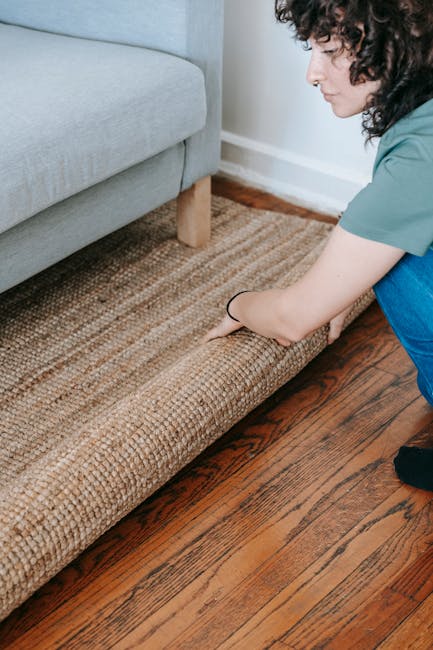
Rugs help separate different zones in an open living space. A rug under the seating area anchors the furniture and creates a cozy spot. Choose a rug size that fits all main furniture legs or at least the front legs.
Use smaller rugs to mark reading nooks or play areas. Rugs add texture and color while guiding the eye through the room. This creates an organized feel without needing extra walls or dividers.
Balancing Furniture Sizes
Balancing furniture sizes in your living room is key to creating a space that feels both inviting and functional. The right mix of large and small pieces can enhance flow and keep your room from feeling cramped or empty. Think about how each piece interacts with the others and the overall room size to maintain harmony.
Mixing Large And Small Pieces
Pairing a big sofa with smaller chairs or ottomans adds variety without overwhelming the room. Large furniture anchors the space, while smaller pieces provide flexibility and extra seating. You might try placing a bulky sectional against a wall and balancing it with delicate side tables or slim armchairs.
Have you noticed how a large coffee table can dominate a room? Swap it for a smaller, round table to open up walking space. This mix prevents the room from feeling too heavy on one side and keeps your eye moving around the space.
Avoiding Overcrowding
It’s tempting to fill every corner with furniture, but overcrowding stifles the room’s energy and function. Leave breathing room between pieces so you can move easily and the space feels light. Aim for at least 18 inches of space between seating and tables.
Ask yourself: does each piece serve a purpose or just fill space? Removing a bulky cabinet or an extra chair can dramatically improve flow and comfort. Sometimes less really is more when it comes to a balanced living room.
:max_bytes(150000):strip_icc()/designer-digs-5209106-recirc-890366b347c445a0bdd3d10221f2b1fd.jpg)
Arranging Seating For Conversation
Arranging seating for conversation creates a warm and inviting living room. It encourages guests to talk and connect easily. Proper furniture placement makes the space feel cozy and balanced. It also improves the flow and comfort of the room.
Facing Chairs And Sofas
Place chairs and sofas opposite each other to spark interaction. This setup allows people to maintain eye contact naturally. Keep the distance close enough for easy talking, about four to six feet. Avoid blocking walkways or crowding the space. Angling seats slightly can soften the arrangement and add comfort.
Incorporating Side Tables
Side tables offer convenience and style next to seating. They provide spots for drinks, books, or lamps. Position small tables between chairs or beside sofas within arm’s reach. Choose tables that match your room’s size and style. Multiple side tables help balance the seating area visually.
Lighting And Furniture Layout
Lighting plays a key role in how furniture feels and functions in a living room. It shapes mood, highlights design, and creates comfort. Smart lighting and furniture layout work together to make the space inviting and useful.
Positioning Lamps And Fixtures
Place lamps where light is needed most. Side tables near sofas work well for table lamps. Floor lamps fit nicely beside armchairs or reading spots.
Ceiling fixtures should spread light evenly. Avoid placing bright lights directly above seating to prevent glare. Use dimmers for control over brightness.
- Balance light sources around the room
- Use soft bulbs to create warmth
- Keep pathways clear of large lamps
Utilizing Natural Light
Arrange furniture to face windows when possible. This brings daylight into the seating area. Use light curtains to soften harsh sunlight without blocking it.
Reflect light with mirrors or light-colored furniture to brighten darker corners. Avoid placing tall furniture that blocks window light.
- Keep window areas open and accessible
- Choose translucent window treatments
- Use reflective surfaces to spread light

Adding Functional Zones
Creating functional zones in your living room helps organize the space. It allows different activities to happen without clutter. Each zone serves a purpose and fits the room’s layout. This makes the living room feel comfortable and practical. Here are some ideas to add zones that work well in most living rooms.
Reading Nooks
A cozy reading nook invites relaxation and quiet time. Choose a comfortable chair or small sofa. Place it near natural light or a good lamp. Add a small side table for books and drinks. Use soft cushions and a warm throw blanket. This corner becomes a peaceful retreat within your living room.
Work And Play Areas
Designate a spot for work or hobbies without disturbing the main space. Use a compact desk or table that fits the room size. Keep storage nearby for supplies and gadgets. For play, add a small rug or mat for games and toys. This zone keeps activities organized and easy to access. It also helps separate work or play from relaxation areas.
Incorporating Storage Solutions
Incorporating storage solutions in your living room helps keep the space neat and organized. It creates a tidy environment that feels relaxing and inviting. Storage options also allow you to display decor while hiding clutter. Choosing the right storage pieces supports both function and style in the room.
Using Shelves And Cabinets
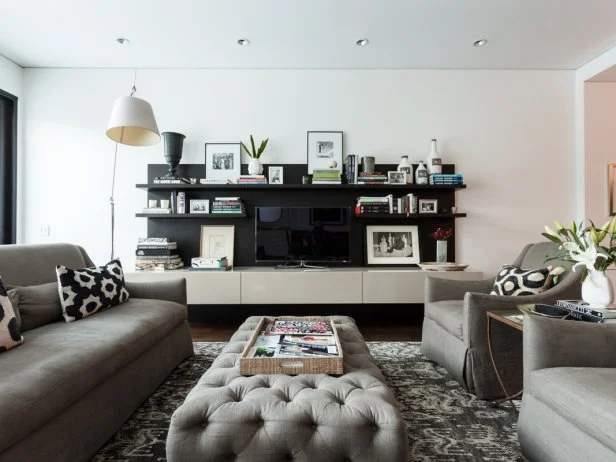
Shelves and cabinets offer vertical storage without taking much floor space. Use open shelves to showcase books, plants, or art. Closed cabinets hide items you don’t want visible, like electronics or toys. Place shelves near seating areas for easy access to essentials.
- Floating shelves save floor space and add modern style
- Tall cabinets maximize vertical room storage
- Combination units balance display and hidden storage
Multi-functional Furniture
Multi-functional furniture combines storage with everyday use. Choose pieces that serve more than one purpose to save space. Ottomans with storage hold blankets or magazines. Coffee tables with drawers keep remotes and coasters out of sight. Sofas with built-in storage provide extra room for cushions or games.
- Storage ottomans add seating and hide clutter
- Lift-top coffee tables reveal hidden compartments
- Storage benches offer seating and neatness
Frequently Asked Questions
How Do I Arrange Furniture To Maximize Living Room Space?
Start by measuring your room and furniture. Place larger pieces against walls. Keep pathways clear for easy movement. Use multi-functional furniture to save space and maintain flow.
What Is The Best Focal Point For Furniture Placement?
Identify a natural focal point like a fireplace or TV. Arrange seating around it to enhance comfort and social interaction. This anchors the room and balances the layout effectively.
How Can I Create A Cozy Seating Area In My Living Room?
Group sofas and chairs close together. Use rugs and lighting to define the space. Add cushions and throws for warmth. This encourages conversation and comfort in your living room.
Should I Place Furniture Away From Walls Or Against Them?
It depends on room size and purpose. Pulling furniture away creates intimacy and flow. For small rooms, placing pieces against walls maximizes open space and functionality.
Conclusion
Good furniture placement makes your living room feel warm and open. It creates easy paths for walking and invites people to sit and chat. Choose pieces that fit your space without crowding it. Balance comfort with style to enjoy your room every day.
Small changes can make a big difference in how your room feels. Try different layouts until it feels just right. Your living room should welcome you and your guests with ease. Simple steps lead to a cozy, functional space everyone loves.