
Struggling to arrange your furniture in a small living room? You’re not alone.
Finding the perfect balance between style and space can feel like a puzzle. But what if you could make your room look bigger, feel cozy, and stay functional—all at the same time? You’ll discover simple, smart tips to place your furniture just right.
Get ready to transform your living space into a comfortable, inviting haven you’ll love spending time in. Keep reading—you’ll be amazed at how easy it can be.

Choosing The Right Furniture
Choosing the right furniture is key for a small living room. It affects space, comfort, and style. The right pieces help maximize every inch without crowding the area. Focus on furniture that fits your lifestyle and room size. Smart choices create a cozy, functional space.
Opt For Multi-functional Pieces
Multi-functional furniture saves space and adds value. Look for items that serve two or more purposes. Examples include:
- Sofa beds for seating and sleeping
- Ottomans with hidden storage
- Foldable tables for dining and work
This approach reduces clutter and keeps your room tidy. Each piece works harder, freeing up floor space.
Select Compact And Scaled-down Items
Choose furniture with smaller footprints to fit your room better. Compact pieces do not overwhelm the space. Consider:
- Loveseats instead of full sofas
- Slender coffee tables
- Chairs with open legs to create visual space
Scaled-down items make the room feel airier. They allow easy movement and better flow.
Prioritize Lightweight And Movable Furniture
Lightweight furniture is easy to rearrange and clean around. Choose items made from materials like wood, metal, or plastic. Benefits include:
- Flexibility to change layouts
- Simple cleaning and maintenance
- Less strain when moving pieces
Movable furniture lets you adapt your living room to different needs quickly. It keeps the space functional and fresh.
Maximizing Space With Layout
Maximizing space with layout is essential in a small living room. Smart furniture placement makes the room feel larger and more welcoming. Careful planning improves flow and function without overcrowding. Every inch counts, so use the space wisely. The right layout keeps the room open and balanced.
Create Open Pathways
Clear pathways allow easy movement in a small room. Avoid blocking entrances or walkways with large furniture. Arrange pieces to guide traffic naturally through the space. Leave enough space to walk comfortably around furniture. Open pathways make the room feel airy and less cramped.
Use Corners Effectively
Corners often go unused but offer great chances for extra seating or storage. Place a cozy chair or small shelf in a corner to save space. Corner sofas or sectional pieces fit snugly and free up the center. Use corner tables or lamps to brighten dark spots. Smart corner use adds function without clutter.
Balance Symmetry And Asymmetry
Symmetry creates a calm and organized look. Place matching chairs or lamps on each side of a sofa. Asymmetry adds interest and can make the room feel dynamic. Use one large piece and balance it with smaller items opposite. Mixing both styles keeps the space visually appealing and well-proportioned.
Utilizing Vertical Space
Utilizing vertical space in a small living room can create more room and keep the area tidy. It draws the eyes upward, making the space feel larger and less crowded. This approach helps to use every inch of the room efficiently.
Install Floating Shelves
Floating shelves provide storage without taking floor space. They keep books, plants, and decor off surfaces and add a modern look. Arrange shelves at different heights to balance the wall visually.
Choose lightweight items to avoid clutter. Use baskets or boxes on shelves to hide small items and keep things neat.
Incorporate Tall Storage Units
Tall storage units use the room’s height for extra space. Slim cabinets or bookcases fit well in corners or against walls. They store items vertically, freeing up floor area.
Select units with closed doors to reduce visual clutter. Open shelves work well for displaying favorite items without crowding the room.
Hang Art And Mirrors Strategically
Art and mirrors draw attention upward and make the room feel bigger. Place mirrors opposite windows to reflect light and open the space.
Choose vertical artwork to emphasize height. Group smaller pieces in a vertical line to guide the eye upward. This technique adds style without using floor space.
Choosing Colors And Textures
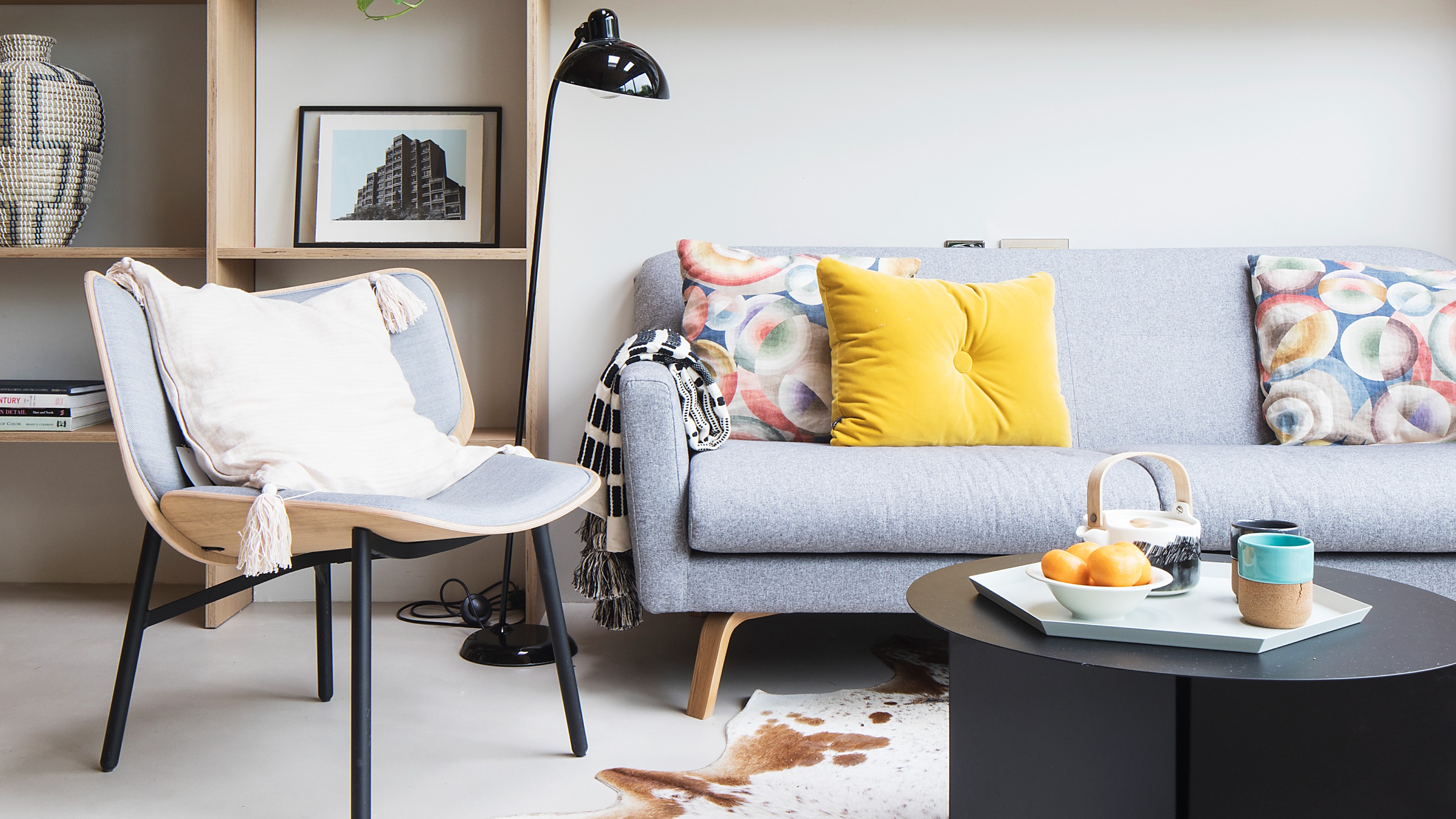
Choosing the right colors and textures can transform a small living room. The right palette can make the space feel larger and more inviting. Textures add interest without taking up space. Together, they create a balanced and cozy atmosphere.
Stick To Light And Neutral Tones
Light colors open up small rooms. Shades like white, beige, and soft gray reflect light well. They make the room appear bigger and brighter. Neutral tones provide a calm background. This helps furniture and decorations stand out without crowding the space.
Add Texture To Create Depth
Texture adds warmth and dimension to small rooms. Use materials like linen, wool, or soft cotton. A textured rug or throw pillows add comfort and style. Textured surfaces catch light differently. This effect prevents the room from looking flat or dull.
Use Patterns Sparingly
Patterns can energize a small living room. Choose simple, small-scale patterns to avoid overwhelming the space. Use patterns in accents like cushions or curtains. Keep the rest of the room plain to maintain balance. This approach keeps the room lively yet spacious.
Lighting To Enhance Space
Lighting plays a vital role in making a small living room feel open and welcoming. The right lighting can create the illusion of more space and add warmth to the area. Bright, well-distributed light helps avoid dark corners that make rooms look cramped.
Using a mix of lighting sources brings balance. It prevents harsh shadows and highlights important areas. Thoughtful lighting design makes your small living room both functional and stylish.
Maximize Natural Light
Natural light opens up any room instantly. Keep windows clear of heavy curtains or blinds. Choose light, sheer fabrics that allow sunlight to pass through.
Place furniture away from windows to avoid blocking light. Use light-colored walls and flooring to reflect daylight around the room. Mirrors near windows boost natural light by bouncing it further inside.
Add Layered Lighting
Use different types of light for depth and flexibility. Combine ceiling lights, floor lamps, and table lamps.
- Ceiling lights offer general brightness.
- Floor lamps provide focused light for reading or relaxing.
- Table lamps add cozy, soft lighting.
Dimmer switches help adjust brightness to suit different moods and times of day. Layered lighting makes a small room feel larger and more inviting.
Use Reflective Surfaces
Reflective surfaces spread light and brighten spaces. Incorporate mirrors, glass, and shiny metals in your decor.
- Mirrors create the illusion of depth.
- Glass tabletops do not block light paths.
- Metallic finishes add sparkle and catch light.
Place mirrors opposite windows or light sources to maximize effect. Reflective surfaces keep your living room feeling airy and open.
Decluttering And Organization
Keeping your small living room tidy and well-organized plays a huge role in making the space feel larger and more inviting. Clutter can quickly overwhelm a limited area, making it hard to arrange furniture effectively. Focusing on smart storage and minimalism helps you maximize every inch without sacrificing style or comfort.
Incorporate Hidden Storage
Hidden storage is a game-changer in small living rooms. Think about furniture pieces with built-in storage, like ottomans with compartments or coffee tables with drawers. These allow you to keep essentials out of sight but within easy reach.
For example, I once added a storage bench by the window that doubled as extra seating and a place to stash blankets. It instantly freed up space that was previously cluttered with baskets and piles of items. What small storage options could you add to your room that don’t scream “storage”?
Limit Decorative Items
Decorations add personality, but too many can crowd your small space and distract from your furniture layout. Choose a few meaningful pieces that bring you joy or highlight your style. This helps your room feel purposeful rather than chaotic.
Try selecting one or two statement items instead of filling every surface with knickknacks. This approach keeps your living room visually open and allows your furniture to shine. What’s one decorative piece you love that can become your room’s focal point?
Maintain Clear Surfaces
Clear surfaces create an impression of order and spaciousness. Resist the urge to pile magazines, remotes, or random items on tables and shelves. Instead, keep these surfaces clean or store things neatly in designated spots.
I noticed my living room looked instantly bigger when I started clearing off the coffee table every evening. A simple habit like this encourages you to be mindful about what stays out. Which surfaces in your room could use a daily clear-off routine?
Flexible And Adaptable Solutions
Flexible and adaptable solutions make small living rooms more functional. They help maximize space and fit different needs. These ideas let you change the room’s setup easily. You can switch between relaxing, working, or entertaining without clutter. Smart furniture choices and thoughtful planning create a versatile living area.
Use Foldable And Stackable Furniture
Foldable and stackable pieces save space when not in use. Chairs and tables that fold can be stored away quickly. Stackable stools or ottomans add extra seating without taking room. These items are easy to move and rearrange. They keep the living room open and neat.
Create Zones For Multiple Uses
Dividing a small room into zones improves its use. A corner can serve as a reading nook or work area. Use rugs or furniture placement to mark each zone. This method helps organize activities without walls. It keeps the space functional and cozy.
Swap Pieces Seasonally
Changing furniture by season refreshes the room’s look and feel. Light pieces for summer and cozy ones for winter work well. Store off-season items to free up space. Rotating pieces keeps the living room interesting and practical. It also allows adapting to different needs throughout the year.
Frequently Asked Questions
How To Arrange Furniture In A Small Living Room?
Start by measuring your space and choosing scaled-down furniture. Use multifunctional pieces and keep pathways clear to enhance flow. Arrange seating to encourage conversation and maximize natural light for a spacious feel.
What Furniture Is Best For Small Living Rooms?
Opt for compact, multifunctional furniture like storage ottomans, slim sofas, and nesting tables. Choose pieces with exposed legs to create an airy atmosphere. Prioritize items that provide storage to reduce clutter.
How Can I Make A Small Living Room Look Bigger?
Use light colors on walls and furniture to open the space visually. Incorporate mirrors to reflect light and create depth. Keep decor minimal and use vertical storage to free up floor space.
Should I Use Rugs In A Small Living Room?
Yes, rugs can define areas and add warmth. Choose a rug that fits your seating area to unify furniture. Avoid oversized rugs that overwhelm the space.
Conclusion
Small living rooms can feel cozy and stylish with smart furniture choices. Choose pieces that fit well without crowding the space. Use light colors and keep the layout open for easy movement. Multipurpose furniture helps save space and adds function.
Keep things simple and avoid clutter to make the room feel bigger. With these tips, your small living room will be both comfortable and inviting. Enjoy creating a space that works for your daily life.