

Are you tired of feeling cramped or uncomfortable in your living room? Organizing furniture the right way can transform your space into a cozy, inviting haven where you love to spend time.
Imagine walking into your living room and instantly feeling calm, relaxed, and ready to enjoy your favorite moments. This isn’t just about moving pieces around—it’s about creating a flow that works perfectly for you and your lifestyle. Keep reading, and you’ll discover simple, effective tips to arrange your furniture so your living room feels bigger, brighter, and more welcoming than ever before.
Your perfect living space is closer than you think.

Maximizing Space
Maximizing space in your living room is about making every inch count without making the area feel cramped. The right choices in furniture and layout can open up your room, giving it a fresh, inviting atmosphere. Think about how your space feels and functions—does it allow easy movement and promote relaxation?
Choosing The Right Furniture Size
Oversized furniture can swallow up your living room, leaving little room to move. Instead, pick pieces that fit the scale of your room. If your living room is small, try a loveseat instead of a full sofa or opt for chairs that don’t have bulky arms.
Measure your space before buying anything new. This step helps avoid the frustration of furniture that just doesn’t fit. Have you ever bought a couch only to realize it blocks the walkway? Avoid that by planning first.
Utilizing Vertical Space
Walls offer more than just a backdrop—they can be your best storage allies. Adding tall shelves or wall-mounted cabinets draws the eye upward and frees up floor space. Use floating shelves to display books, plants, or decor without cluttering your surfaces.
Hooks and pegboards can organize items like keys, bags, or even small baskets for remote controls. How much unused vertical space do you have right now? Tapping into that can instantly clear up your living area.
Multi-functional Furniture Options
Furniture that serves more than one purpose is a game changer for tight spaces. Think coffee tables with storage inside or ottomans that open up to hold blankets. A sofa bed can transform your living room into a guest room without extra furniture.
Choose pieces that fit your lifestyle. If you often work from your living room, a desk that folds away might be perfect. What multi-use furniture could make your daily life easier and your living room more flexible?
Creating Zones
Creating zones in your living room helps you make the most of the space you have. It breaks down the room into functional areas, making it easier to move around and use the space efficiently. You get a clear structure without crowding the room, and each zone serves a purpose that fits your lifestyle.
Defining Seating Areas
Start by deciding where people will sit and gather. Arrange sofas and chairs so they face each other or a focal point like a TV or fireplace. Keep enough space between pieces to allow easy movement, but close enough to encourage conversation.
Think about how you use your living room. Do you entertain guests often or prefer a cozy spot for reading? Position your seating to match these needs, and use side tables or ottomans to enhance comfort and function.
Incorporating Work Or Play Zones
If you work from home or have kids, adding a separate zone for work or play makes a big difference. A small desk tucked into a corner can create a productive workspace without overwhelming the room. For play, use a low shelf or toy chest to keep things organized and contained.
Ask yourself: where do distractions happen? Place work areas away from noisy spots and play zones near natural light if possible. This separation helps everyone focus or relax as needed.
Using Rugs And Lighting To Separate Spaces
Rugs are an easy way to visually divide your living room into zones. Choose rugs that fit the size of each area, whether it’s a seating group or a play corner. The texture and color can also add warmth and personality.
Lighting plays a key role in creating distinct spaces. Use floor lamps or table lamps to brighten seating areas and task lighting for work or play zones. Layering light sources makes each zone inviting and functional.
Optimizing Traffic Flow
Optimizing traffic flow in your living room improves comfort and usability. It allows people to move freely without bumping into furniture. Proper flow makes the space feel open and welcoming. Planning your furniture arrangement with traffic flow in mind is key.
Arranging Furniture For Easy Movement
Place larger pieces like sofas and chairs against walls or corners. Keep pathways wide enough for walking, ideally 2 to 3 feet. Angle furniture to guide movement naturally through the room. Avoid blocking doorways or windows with bulky items.
Group seating areas to create cozy zones without crowding the room. Use rugs or lighting to define these spaces clearly. Make sure each seat has enough space around it for easy access.
Avoiding Cluttered Pathways
Clear the main walking routes of small tables, plants, or decor. Limit the number of items in high-traffic areas to prevent trips. Use furniture with slim profiles to save space. Choose multi-functional pieces that reduce the need for extras.
Keep cords and cables tucked away safely to avoid hazards. Regularly tidy up to maintain open, clutter-free paths. A simple layout reduces stress and keeps the room feeling spacious.
Balancing Aesthetics And Functionality
Combine style with comfort and practicality in your layout. Select furniture that fits the room size and matches your design taste. Use colors and textures that enhance the room’s mood without overwhelming it.
Consider furniture height and shape to maintain sightlines across the room. Add functional elements like storage ottomans or shelves for organization. This balance creates a living room that looks good and works well.
Storage Solutions
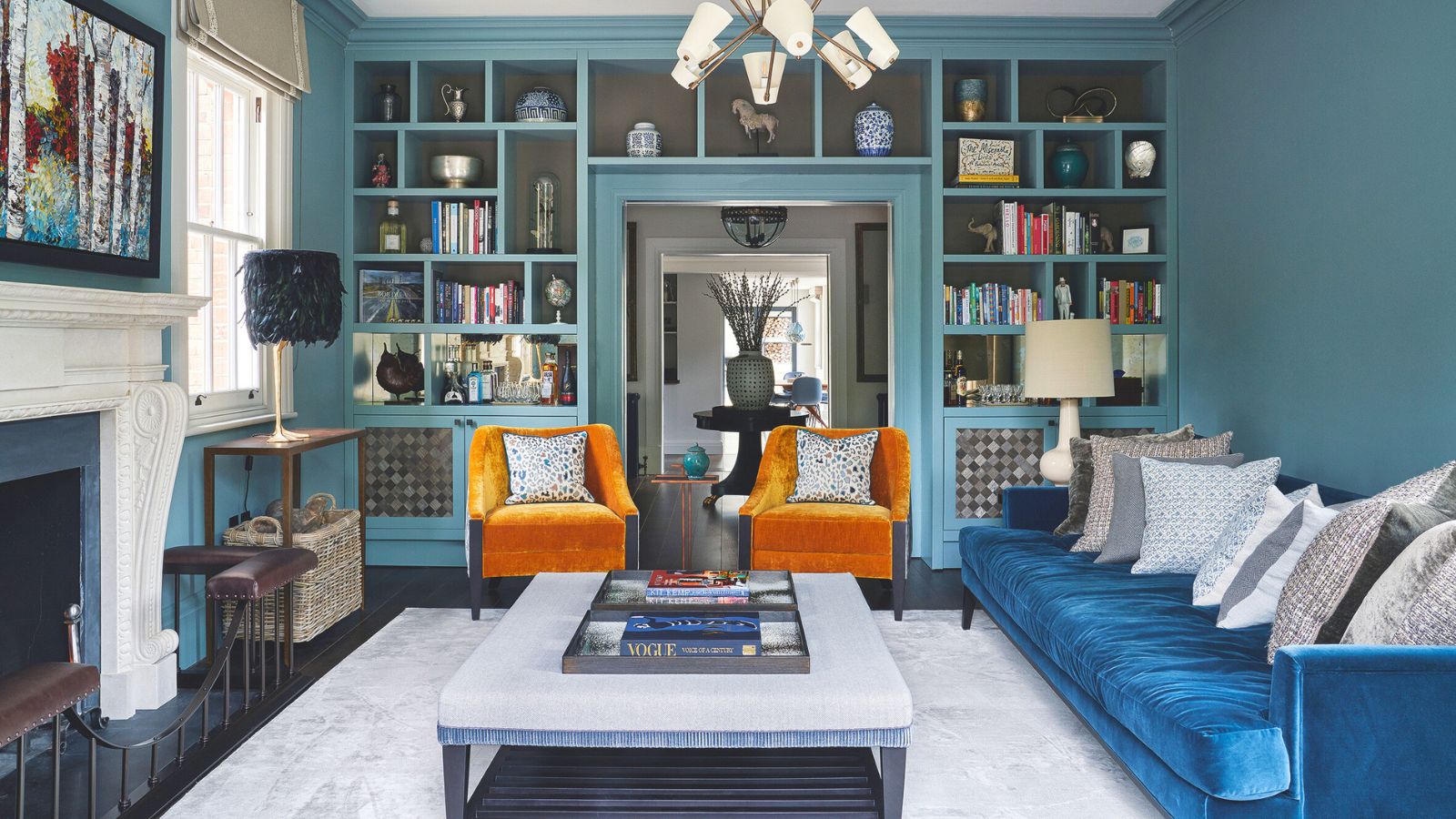
Finding smart storage solutions can transform your living room from cluttered to calm. The right storage not only keeps things tidy but also adds to the room’s style and comfort. Think about how much more enjoyable your space feels when everything has its place and surfaces stay clear.
Hidden Storage Ideas
Hidden storage works wonders in a living room, especially if you have limited space. Furniture pieces like ottomans with lift-up tops or coffee tables with drawers keep items out of sight but within reach. I once used a storage bench by the window to tuck away blankets and magazines—it’s amazing how much clutter disappeared instantly.
Other options include sofas with built-in storage or side tables that open up to store remotes and chargers. These clever solutions help you keep daily essentials handy without crowding your living area.
Open Shelving Benefits
Open shelves offer a simple way to display your favorite books, plants, and décor while providing extra storage. They encourage you to keep only what you love visible, which helps maintain a clean, organized look. You can even mix baskets or boxes on these shelves to store smaller items neatly.
Open shelving also makes it easy to find things quickly, reducing time spent searching through clutter. Have you ever noticed how a well-arranged shelf can become a focal point that invites conversation and adds personality?
Using Corners And Underused Spaces
Corners and overlooked nooks often hold untapped potential for storage. Corner shelves or a tall, narrow cabinet can fill these spaces without intruding on the room’s flow. I added a corner bookshelf in my living room that doubled as a display area and a spot for storage baskets underneath.
Underused spaces like beneath the sofa or around the TV stand can also be perfect for low-profile storage bins or drawers. Ask yourself where you naturally reach for things or what spots could hold items without interrupting movement—those might be your best storage opportunities.
Styling Tips
Styling your living room furniture is more than just placing pieces around the space. It’s about creating a vibe that reflects who you are while keeping the room inviting and functional. Let’s dive into some practical tips that can help you bring harmony and personality into your living room setup.
Color Coordination
Choosing the right colors can instantly change the mood of your living room. Start by picking a main color and build your palette around it with two or three complementary shades. You don’t have to match everything perfectly—contrast can make your space pop.
Think about your sofa, rugs, and curtains as your primary color zones. Then add cushions, throws, or artwork in accent colors to keep things interesting. Have you noticed how a splash of a bold color on a neutral background grabs your attention without overwhelming the room?
Mixing Textures And Materials
Texture adds depth and warmth to your living room. Combining different materials like leather, wood, metal, and soft fabrics can create a balanced and tactile environment. For example, a sleek leather sofa paired with a chunky knit throw adds contrast and comfort.
Don’t shy away from rough and smooth surfaces together; they make your space feel layered and inviting. How can you mix materials you already have to freshen up your room without buying new furniture?
Incorporating Personal Touches
Your living room should tell your story. Add pieces that reflect your interests, like framed travel photos, favorite books, or handmade crafts. These elements make the space uniquely yours and spark conversations.
Personal touches don’t have to take up much space—a small collection of souvenirs on a shelf or a unique lamp can make a big difference. What small item in your home brings you the most joy when you see it every day?

Frequently Asked Questions
How To Arrange Living Room Furniture For Better Flow?
Arrange furniture by creating clear pathways and grouping pieces around focal points. Avoid blocking walkways to ensure smooth movement.
What Is The Best Furniture Layout For Small Living Rooms?
Use multi-functional furniture and opt for a corner or L-shaped layout. Keep pieces proportional to the room size.
How To Balance Furniture Placement In A Large Living Room?
Divide the space into zones using rugs or furniture clusters. Balance heavy pieces with lighter ones across the room.
Which Furniture Should Be The Focal Point In A Living Room?
Choose a fireplace, sofa, or entertainment unit as the focal point. Arrange other furniture around it for visual harmony.
Conclusion
Organizing your living room furniture brings comfort and style. Choose pieces that fit well and leave space to move. Arrange seating to encourage easy conversation and relaxation. Use rugs and lighting to define areas clearly. Keep clutter low for a neat, open feel.
Small changes can make a big difference in your room. Enjoy the cozy, inviting space you create every day.