
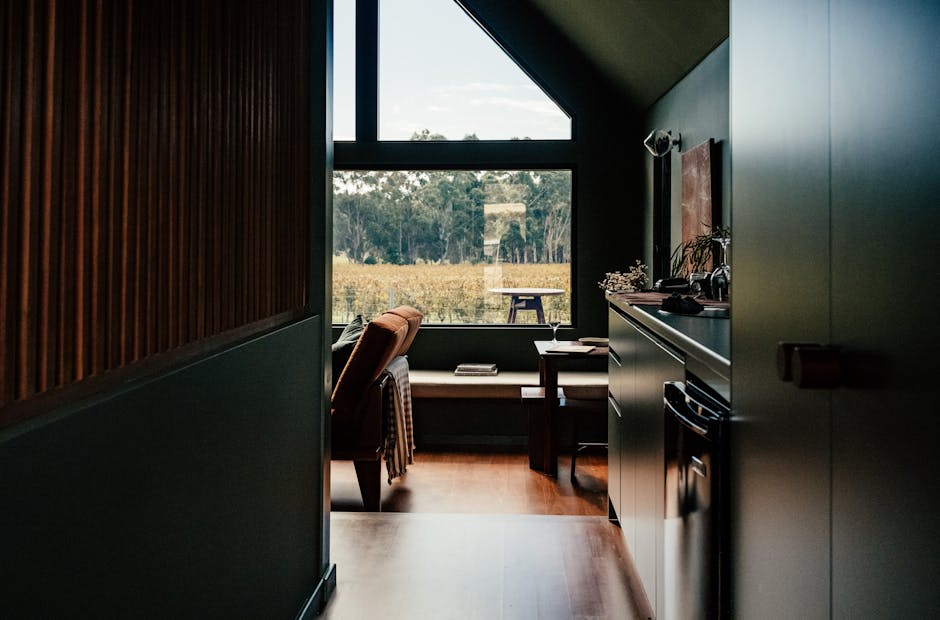
Are you ready to transform your living space into something truly inviting and stylish? Open concept living room furniture is the key to creating a room that feels spacious, cozy, and perfect for both relaxing and entertaining.
Imagine furniture that not only fits your space but also enhances how you live and connect with others. You’ll discover simple tips and smart choices that make your open concept living room both beautiful and functional. Keep reading to unlock ideas that will make your home feel more open, bright, and welcoming than ever before.
Benefits Of Open Concept Living Rooms
Open concept living rooms create a spacious and welcoming environment. They offer many benefits that enhance daily living. These benefits make them a popular choice in modern home design.
Enhanced Natural Light
Open concept layouts let sunlight travel freely. Without walls blocking light, rooms feel brighter. Natural light improves mood and reduces the need for artificial lighting. This also helps save energy and lowers electricity bills.
Improved Traffic Flow
With fewer walls, moving around is easier. Open spaces prevent congestion and create a smooth path. This is ideal for families and guests during gatherings. It also allows flexible furniture arrangements without blocking walkways.
Versatile Space Usage
Open concept rooms can serve many purposes. They adapt to different activities like relaxing, dining, or working. Furniture can be rearranged to fit changing needs. This flexibility makes the space functional and efficient.
Choosing The Right Furniture
Choosing the right furniture for an open concept living room can make all the difference in how the space feels and functions. You want pieces that not only look great but also work well together to create a cohesive and inviting area. The goal is to find furniture that supports your lifestyle while enhancing the flow of the open space.
Selecting Multi-functional Pieces
Multi-functional furniture is a game changer in open concept living rooms. Think about a coffee table that doubles as storage or a sofa bed for guests. These pieces save space and add versatility, allowing you to adapt the room for different uses without clutter.
When I switched to a storage ottoman, I realized how much floor space opened up. It’s all about choosing items that serve more than one purpose and keep your room feeling spacious.
Balancing Scale And Proportion
Furniture that’s too big can overwhelm an open concept room, while pieces that are too small might get lost. Aim for a balance that matches the size of your space and the other elements around it.
Consider how your sofa size relates to your dining area or kitchen island. Keeping a visual balance helps maintain flow and prevents the room from feeling chaotic.
- Measure your space carefully before buying.
- Choose furniture with clean lines to avoid visual clutter.
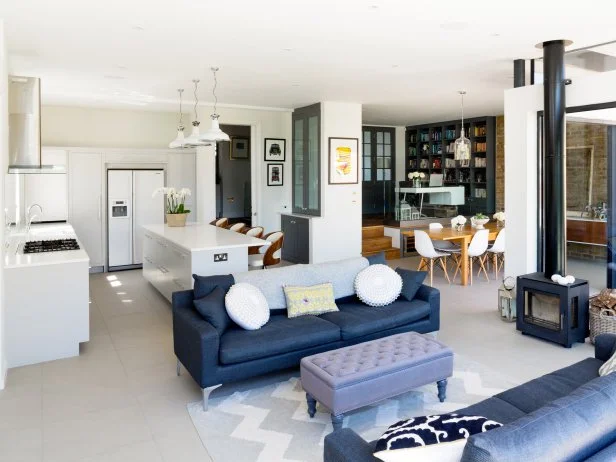
- Use rugs to define different zones without breaking up the openness.
Prioritizing Comfort And Style
Comfort should never take a back seat to style, especially in a room where you’ll spend a lot of time. Look for furniture that feels good to sit on and fits your personal taste.
Think about how you use the space daily. Would you rather have a plush sectional for lounging or sleek chairs for entertaining? Your choices should reflect both your comfort needs and the look you want to achieve.
Creating Defined Zones
Creating defined zones in an open concept living room helps you enjoy different activities without feeling cluttered. It gives your space purpose and flow, making it easier to relax, entertain, or work. Defining areas also adds a sense of comfort and organization to an otherwise large, open space.
Using Rugs And Lighting
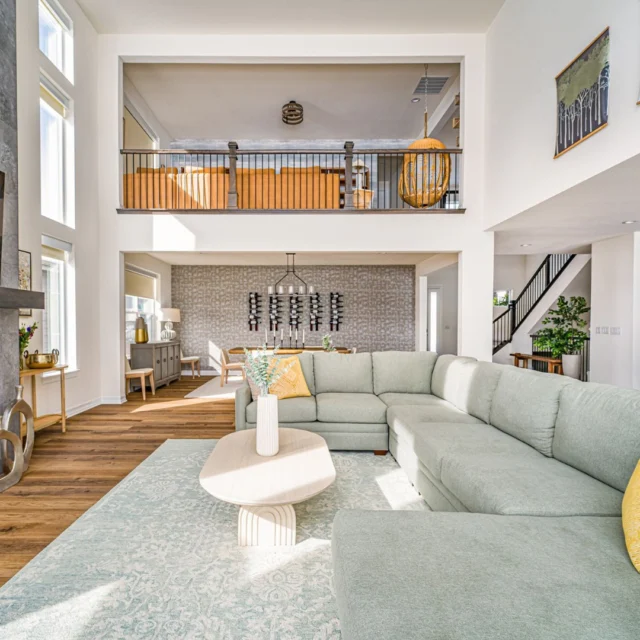
Rugs are an easy way to mark specific zones within your living room. Choose different textures or colors to separate the seating area from the dining or workspace. A soft rug under your sofa instantly creates a cozy lounge zone.
Lighting also plays a crucial role. Use pendant lights or floor lamps to highlight certain areas. Dimmer switches can help adjust the mood, making your zones feel distinct and inviting.
Arranging Furniture Strategically
Furniture placement can naturally divide your open living room. Arrange sofas and chairs in a way that forms a boundary without blocking walkways. Positioning a bookshelf or console table behind a sofa can create a subtle separation between zones.
Think about how you move through the space daily. Does your layout support ease of movement while giving each area a clear purpose? Test different setups until you find what feels balanced and functional.
Incorporating Room Dividers
Room dividers are a practical option for creating boundaries without closing off the space completely. Screens, open shelving units, or even tall plants can act as visual barriers. These elements add style while maintaining openness.
Have you considered a folding screen or a curtain? They can be moved or adjusted when you want a more open feel. This flexibility is perfect for adapting your living room to different needs or moods.
Color And Material Choices
Choosing the right colors and materials shapes the mood of an open concept living room. These choices influence how spacious and welcoming the area feels. Balancing tones and textures brings harmony and personality to the space. Focus on selections that blend well and last long.
Coordinating With Overall Palette
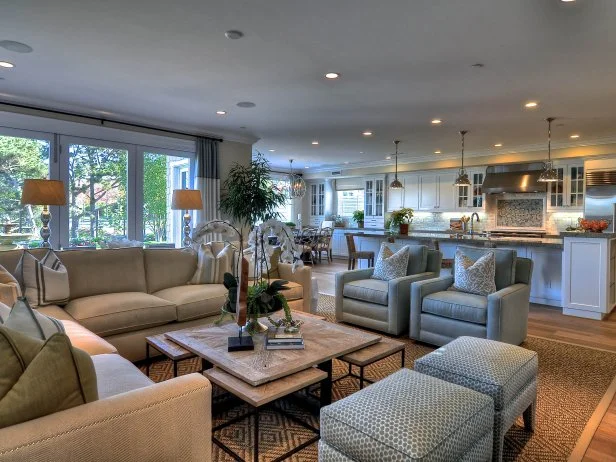
Pick furniture colors that match the room’s main palette. Neutral tones like beige, gray, or white create a calm base. Bright or bold colors work well as accents. Use colors that flow smoothly from the kitchen and dining areas. This keeps the open space connected and balanced.
Mixing Textures For Interest
Combine different textures to add depth and charm. Soft fabrics like velvet or linen contrast nicely with smooth leather. Wood and metal finishes bring natural and modern vibes together. Layer cushions, rugs, and throws for a cozy touch. Textures make the room inviting and visually rich.
Choosing Durable Materials
Opt for materials that stand up to daily use and wear. Look for stain-resistant fabrics and easy-to-clean surfaces. Hardwood and metal frames offer strength and stability. Durable materials keep furniture looking good for years. This choice saves money and effort over time.
Maximizing Storage Solutions
Maximizing storage solutions in an open concept living room keeps the space tidy and functional. Smart storage helps maintain a clean look while offering easy access to essentials. Clever designs blend storage with style, fitting perfectly in open layouts.
Built-in Shelving Options
Built-in shelves save floor space and create a streamlined look. They fit into walls or corners, using space efficiently. Open shelves display books, decor, and plants. Closed cabinets hide clutter and keep items organized.
- Wall-mounted shelves for a modern touch
- Recessed shelving to blend with walls
- Floor-to-ceiling units for maximum storage
Storage Ottomans And Benches
Storage ottomans and benches add seating and hidden space. These multi-purpose pieces hold blankets, toys, or magazines. They keep the living room neat without extra furniture.
- Choose ottomans with lift-up tops
- Benches with under-seat storage compartments
- Match fabric and style with room decor
Hidden Storage Ideas
Hidden storage keeps clutter out of sight. Furniture with secret compartments works well in open rooms. Look for coffee tables, side tables, or sofas with concealed space.
- Lift-top coffee tables for extra storage
- Sofas with under-seat drawers
- Wall panels that open to reveal shelves
Incorporating Technology Seamlessly
Technology blends effortlessly into open concept living rooms. It enhances comfort and functionality without cluttering the space. Smart designs allow technology to support daily life and entertainment. Integrating tech with furniture keeps the room sleek and inviting.
Smart Furniture Features
Smart furniture brings convenience and style together. Sofas with built-in USB ports and wireless chargers keep devices powered. Coffee tables may include hidden compartments for remotes and tablets. Some chairs have speakers or controls embedded for easy access.
Choose pieces that match your lifestyle. Look for features like adjustable lighting or Bluetooth connectivity. These add comfort without adding wires or gadgets scattered around.
Managing Cables And Devices
Cables often create visual chaos in open spaces. Use cable organizers to bundle wires neatly behind furniture. Power strips with surge protection help keep devices safe and tidy.
Furniture with built-in cable management hides cords. Opt for rugs or mats that conceal wires on the floor. Wall-mounted shelves reduce clutter by storing devices off surfaces.
Entertainment Setup Tips
Position your TV and speakers for optimal viewing and sound. Mounting the TV on the wall saves floor space and looks clean. Wireless speakers reduce the need for multiple cords across the room.
Use a media console with closed doors to hide consoles and accessories. Arrange devices logically for easy use and access. Keep remote controls in a designated spot to avoid loss.
Styling Tips For Open Spaces
Styling an open concept living room requires careful choices to create a warm and inviting space. The right furniture and accessories help define areas without closing off the room. Simple design tips enhance flow and balance in large, open spaces.
Layering Accessories
Layering adds depth and personality to your living room. Use a mix of pillows, throws, and rugs in different textures. Keep colors in the same family for harmony. Small accessories like candles and books make the space feel lived-in. Avoid clutter by choosing a few key pieces.
Adding Greenery And Art
Plants bring life and color to open rooms. Choose easy-care plants that suit your light conditions. Place them near seating or corners to soften edges. Wall art adds character and anchors the room visually. Use large, simple pieces to avoid overwhelming the space.
Maintaining A Cohesive Look
Keep furniture styles and colors consistent across the space. Repeat materials like wood or metal to unify the design. Use a limited color palette to avoid chaos. Balance large pieces with smaller accents to maintain flow. Consistency helps open spaces feel connected and calm.
Frequently Asked Questions
What Defines Open Concept Living Room Furniture?
Open concept furniture promotes flow and flexibility, using minimal barriers. It often includes modular sofas, lightweight tables, and multi-use pieces. These designs enhance space and connectivity in open floor plans.
How To Choose Furniture For Open Concept Living Rooms?
Select furniture that complements the room’s spaciousness. Opt for pieces that are proportionate and versatile. Choose neutral colors and clean lines to maintain an airy feel. Prioritize comfort and functionality.
What Are The Benefits Of Open Concept Living Room Designs?
Open concept designs maximize natural light and space. They encourage social interaction and create a seamless flow between areas. This layout improves flexibility for entertaining and daily living.
Can Open Concept Furniture Suit Small Living Rooms?
Yes, open concept furniture is ideal for small spaces. Modular and multi-functional pieces optimize room usage. Light colors and minimal designs prevent clutter and visually expand the space.
Conclusion
Open concept living room furniture creates a spacious and inviting feel. It helps rooms flow smoothly and improves light. Choosing pieces that fit well keeps the space comfortable and functional. Mix styles to add personality without clutter. Keep the layout simple to make the room easy to use.
This style suits many homes and lifestyles. Enjoy a room that feels open, warm, and welcoming every day.