
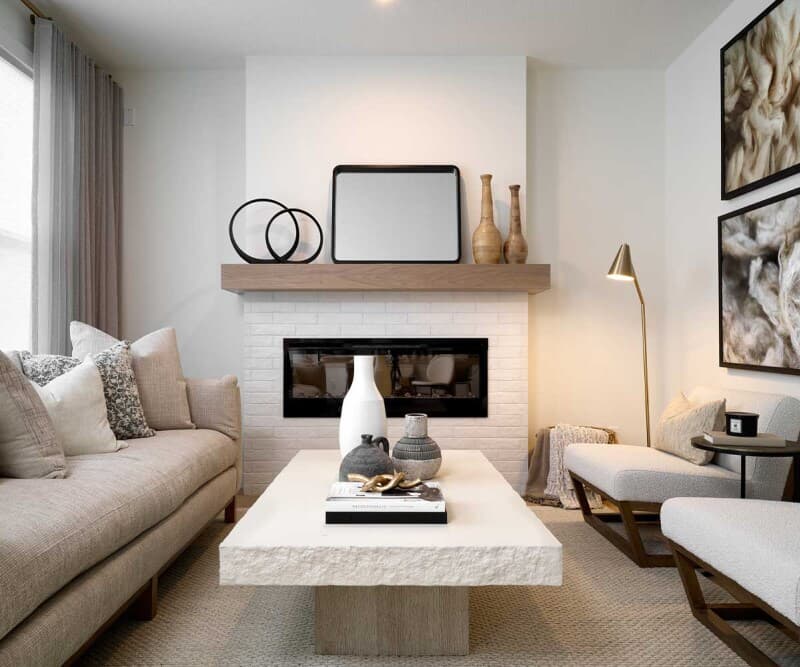
Are you looking to create a living room that feels calm, inviting, and timeless? Neutral living room furniture ideas can help you achieve just that.
By choosing the right colors and pieces, you can design a space that’s both stylish and flexible for any occasion. Imagine a room where every item blends perfectly, making you feel relaxed the moment you walk in. Keep reading to discover simple yet powerful tips that will transform your living room into a peaceful haven you’ll love spending time in.
Choosing The Right Neutral Palette
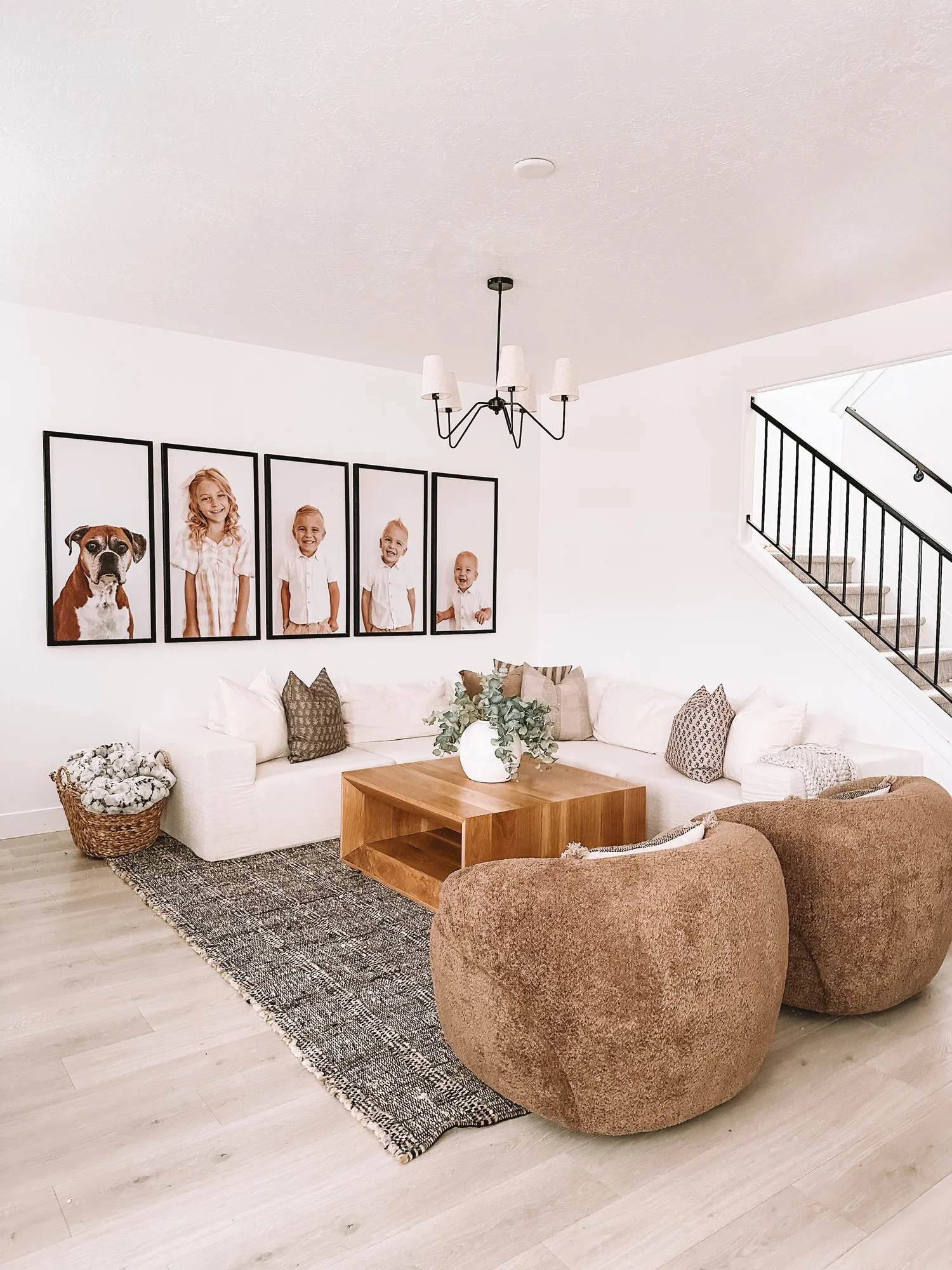
Choosing the right neutral palette is a crucial step in designing a living room that feels inviting and timeless. Neutral colors offer a calm backdrop that lets your furniture and decor shine without overwhelming the space. But not all neutrals are created equal—selecting the right tones can either create warmth or coolness, simplicity or depth.
Warm Vs Cool Neutrals
Warm neutrals include shades like beige, taupe, and soft browns. They bring a cozy, inviting vibe to your living room that makes it feel more intimate and comfortable. If you want your space to feel like a warm hug after a long day, warm neutrals are your go-to.
Cool neutrals, such as grays, greiges, and icy whites, create a sleek and modern atmosphere. These tones often make a room feel more spacious and fresh, perfect if you prefer a clean and minimalist look. Which mood do you want your living room to evoke—warmth or calm sophistication?
Mixing Shades For Depth
Using a single neutral shade can sometimes make your living room feel flat or dull. Mixing different neutral tones adds layers and dimension, making the space visually interesting without adding color noise.
Try pairing a soft gray sofa with cream-colored cushions and a light tan rug. This subtle contrast keeps the palette neutral but lively. Don’t shy away from experimenting—sometimes unexpected combinations reveal the most appealing results.
Incorporating Textured Neutrals
Texture is your best friend when working with a neutral palette. It adds character and tactile interest that color alone can’t achieve. Think of a chunky knit throw, a leather armchair, or a woven jute rug.
These textured elements break up the monotony and invite you to touch and experience the space. How can you add texture without overwhelming your neutral scheme? Start small with pillows or curtains and build from there.
Essential Neutral Furniture Pieces
Neutral furniture pieces create a calm and welcoming living room. These items form the base of your space. They offer comfort and style while staying subtle. Choosing the right pieces helps balance your room’s look. Focus on shapes and materials that blend well. This approach makes decorating easier and more flexible.
Sofas And Sectionals
Choose sofas in soft tones like beige, gray, or cream. These colors fit many styles and color schemes. Opt for simple designs with clean lines. Sectionals provide extra seating without clutter. Fabric options like linen or cotton add texture. Look for pieces with removable cushions for easy care.
Coffee And Side Tables
Pick tables in natural wood or light metal finishes. Round or square shapes work well in neutral spaces. Tables with slim legs keep the area open and airy. Consider pieces with storage underneath for extra space. Glass tops can add a touch of lightness without bold colors.
Storage Solutions
Use storage furniture that blends into the background. Neutral-toned cabinets or shelves keep the room tidy. Baskets in natural fibers add warmth and function. Choose closed storage to hide clutter and open shelves to display decor. Matching storage pieces help maintain a clean look.
Balancing Minimalism And Comfort
Balancing minimalism and comfort in a neutral living room is about creating a space that feels open and calm yet inviting and warm. You want your room to breathe without looking empty or cold. The key lies in choosing elements that add softness and usability without cluttering the space.
Soft Fabrics And Cushions
Soft fabrics bring warmth and texture to a neutral room. Think linen, cotton, or velvet cushions in gentle hues like beige, cream, or soft gray. Adding cushions in different sizes and shapes creates visual interest while keeping the look simple.
Try mixing smooth and nubby textures to make the seating area cozy. Have you noticed how a well-placed cushion can transform a stiff sofa into a welcoming spot? It’s a small detail with big impact.
Layered Rugs And Throws
Layering rugs is a smart way to add dimension and comfort underfoot without overpowering the neutral palette. Start with a larger natural fiber rug, then add a smaller, plush rug on top for softness and contrast.
Throws are another easy way to bring warmth and style. Draping a neutral-toned throw over your sofa invites you to sit down and relax. Consider textures like chunky knits or soft fleece for extra coziness.
Ergonomic Seating Options
Comfort doesn’t have to mean sacrificing style. Choose seating that supports your body well, such as chairs with good lumbar support or sofas with firm, well-cushioned seats. Ergonomic doesn’t mean bulky; sleek designs can offer both comfort and elegance.
Have you tested your living room chairs for long-term comfort? If not, try spending a few minutes sitting in different spots before deciding. Your back will thank you, and your guests will appreciate it too.
Adding Subtle Accents
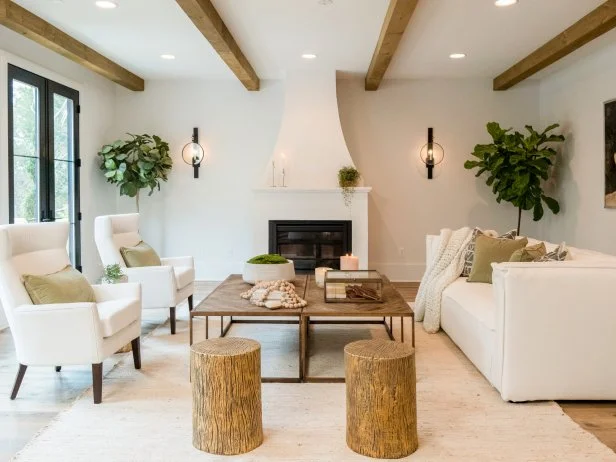
Adding subtle accents to a neutral living room can completely transform the space without overwhelming its calm and balanced vibe. These small touches bring character and warmth, making your room feel inviting and stylish. Think of accents as the finishing details that highlight your furniture and walls without stealing the spotlight.
Metallic And Wooden Finishes
Metallic accents like brushed gold, matte black, or aged bronze add a sleek, modern edge to neutral furniture. A metal coffee table or lamp base can catch the light and create a subtle sparkle that draws the eye.
Wooden finishes introduce warmth and texture. Try a wooden side table or picture frame with natural grain patterns—it adds depth while staying neutral. These materials blend smoothly with soft fabrics and neutral tones, giving your room a balanced feel.
Neutral Artwork And Decor
Choosing artwork in soft shades of beige, gray, or muted pastels keeps your neutral palette consistent. Abstract prints or simple line drawings add personality without cluttering the space.
Decor items like ceramic vases, woven baskets, or linen cushions in neutral shades enhance the room’s texture. These pieces offer visual interest and comfort, making your living room feel lived-in and welcoming.
Plants And Natural Elements
Greenery is an easy way to add life and color while maintaining a peaceful atmosphere. Small potted plants or a large leafy floor plant can break up neutral tones beautifully.
Natural elements like stone coasters, driftwood sculptures, or jute rugs bring organic shapes and textures into the room. These touches connect your space to nature and create a calming, grounded environment.
Lighting To Enhance Neutrals
Lighting plays a key role in making neutral living rooms feel warm and inviting. It brings out the soft tones and textures of neutral furniture. Good lighting creates depth and highlights design details without overpowering the calm color scheme.
Choosing the right lighting can transform a simple neutral room into a cozy retreat. It balances natural brightness with artificial light for comfort and style. Different lighting layers work together to enhance the subtle beauty of neutral shades.
Natural Light Maximization
Natural light makes neutral colors look fresh and lively. Use sheer curtains or blinds to let sunlight flow freely. Position furniture near windows to catch daylight. Mirrors can reflect natural light, brightening darker corners.
Keep windows clean and clutter-free for the best light effect. Open spaces with large windows help neutral tones shine. Natural light changes throughout the day, adding dynamic warmth to the room.
Ambient And Task Lighting
Ambient lighting sets the overall mood with soft, even light. Use ceiling fixtures or wall sconces for gentle illumination. Task lighting focuses on areas for reading or work, like floor lamps or table lamps.
Layering ambient and task lights creates balance and functionality. Dimmers allow light adjustment to suit different activities. Warm white bulbs complement neutral palettes, enhancing comfort and calmness.
Statement Light Fixtures
Unique light fixtures add character to neutral spaces. Choose designs with simple lines or natural materials like wood and metal. A bold chandelier or pendant light can become a room’s focal point.
Statement lights bring style without clashing with neutral furniture. They provide visual interest and elevate the room’s look. Select fixtures that match the room’s size and style for harmony.
Creating Zones In Open Spaces
Creating zones in open living spaces helps organize the room into distinct areas. It brings order and comfort without using walls or dividers. Neutral living room furniture fits well in this style, keeping the look calm and balanced. Defining zones makes the space functional for different activities, like relaxing, dining, or working. This approach maximizes open floor plans and helps the room feel cozy and inviting.
Furniture Arrangement Tips
Place furniture to separate areas naturally. Use sofas and chairs to form a seating zone. Arrange pieces to face each other, encouraging conversation. Position a console table or bookshelf to mark boundaries. Keep pathways clear for easy movement around zones. Balance furniture size to avoid overcrowding or empty spaces. Choose neutral tones that blend well across zones.
Using Rugs To Define Areas
Rugs are perfect for marking different zones in one room. Choose rugs with subtle patterns or solid neutral colors. Place rugs under furniture groups to anchor each area. Make sure rugs fit well with the size of the zone. Layering rugs can add texture without breaking the calm look. Rugs create warmth and help visually separate spaces.
Multi-functional Pieces
Use furniture that serves more than one purpose. Ottomans with storage keep the space tidy. Sofas that convert into beds add comfort and function. Coffee tables with shelves or compartments hold essentials neatly. Foldable or stackable chairs provide extra seating when needed. Multi-functional pieces save space and enhance zone flexibility.
Frequently Asked Questions
What Colors Define Neutral Living Room Furniture?
Neutral furniture features shades like beige, gray, white, and taupe. These colors create a calm, versatile backdrop for any decor style.
How To Add Texture To Neutral Furniture?
Incorporate varied materials like linen cushions, wool rugs, and wooden tables. These elements add depth and warmth without overpowering the neutral palette.
What Styles Suit Neutral Living Room Furniture?
Neutral furniture fits well with modern, minimalist, Scandinavian, and rustic styles. Its simplicity allows easy customization with different accessories and accents.
How To Maintain Neutral Furniture’s Fresh Look?
Regularly clean upholstery and avoid direct sunlight to prevent fading. Use slipcovers or throws to protect surfaces and refresh the space easily.
Conclusion
Neutral living room furniture brings calm and style together. Soft colors create a peaceful and warm space. Natural materials add texture and a cozy feel. Simple designs keep the room open and fresh. You can mix and match pieces easily.
This look fits many tastes and homes. A neutral palette lets you change accents anytime. Comfort meets elegance in a balanced way. Try these ideas to make your living room inviting. Enjoy a space that feels both timeless and modern.