
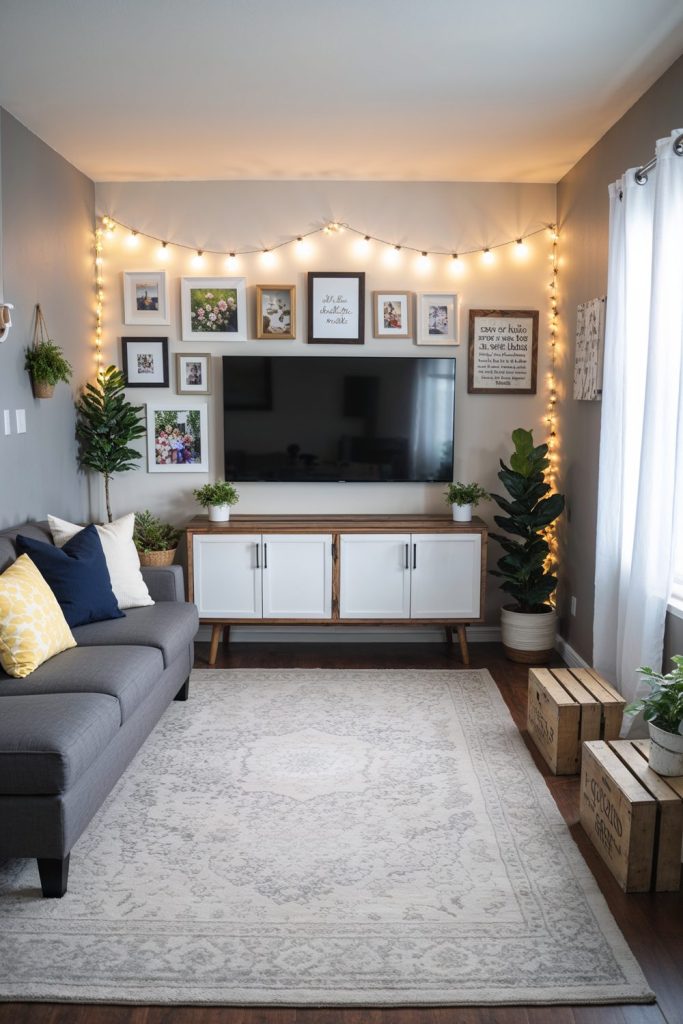
Is your living room feeling cramped and awkward? If you have a narrow space, arranging your furniture can be tricky.
But don’t worry—you can turn that tight area into a cozy, stylish spot that feels open and inviting. You’ll discover simple, smart layout ideas that make the most of your narrow living room. Whether you want to relax, entertain, or just enjoy your space, these tips will help you create a room that works perfectly for you.
Ready to transform your living room? Let’s dive in.
Choosing The Right Furniture
Choosing the right furniture is key for a narrow living room. It shapes the room’s flow and feel. The right pieces make the space look bigger and more inviting. Avoid bulky furniture that crowds the room. Focus on pieces that fit the size and style of your space.
Slim And Multi-functional Pieces
Select furniture with a slim profile to save space. Narrow armrests and legs help keep the room open. Multi-functional pieces add value and reduce clutter.
- Sofas with built-in storage
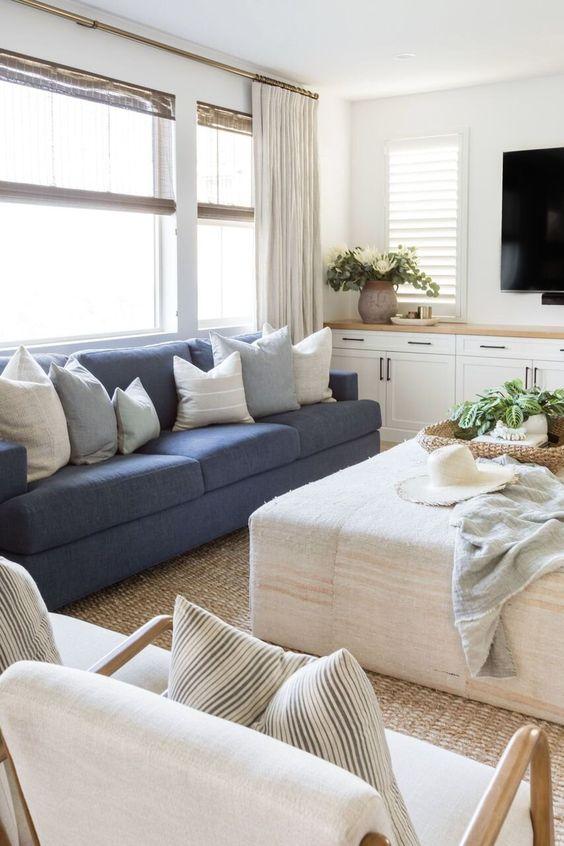
- Ottomans that double as tables
- Nesting tables for flexible use
These pieces serve more than one purpose. They help maintain a clean and organized look.
Scale And Proportion Tips
Match furniture size to the room’s dimensions. Large sofas or oversized chairs overpower narrow rooms. Choose smaller sofas or loveseats to fit the space.
Keep low-profile furniture to avoid blocking sightlines. A balanced scale creates a comfortable and airy feel.
Lightweight And Mobile Options
Lightweight furniture is easier to move and rearrange. This flexibility lets you change layouts often.
- Chairs with slim metal or wooden frames
- Tables on wheels for easy repositioning
- Foldable or stackable furniture for extra seating
Mobile pieces keep the narrow room functional and adaptable.

Optimizing Furniture Placement
Optimizing furniture placement in a narrow living room is key to making the space feel comfortable and functional. Thoughtful arrangement can open up the room, making it appear larger and more inviting. It’s about balancing style with practicality to suit how you live.
Aligning Along Walls
Placing furniture along the walls frees up central space, which is crucial in narrow rooms. This approach creates an open pathway in the middle, reducing clutter and improving flow. Consider slim sofas or benches that hug the walls without overwhelming the room.
In my own living room, pushing the sofa against the longest wall instantly made the space feel wider. It also gave me room for a small coffee table without crowding the area. Could your largest piece of furniture work better if placed against a wall?
Creating Clear Walkways
Clear walkways prevent the room from feeling cramped and make movement easier. Leave at least 2 to 3 feet of space for walking paths around furniture. Avoid blocking entrances, windows, or frequently used areas to keep the room inviting and easy to navigate.
Think about how you use your space daily. Do you often bump into furniture or feel stuck navigating around it? Adjusting the layout to create simple, unobstructed paths can change how you experience your living room.
Using Corners Effectively
Corners are often overlooked but can provide valuable spots for furniture or storage. Add a corner chair, small bookshelf, or a plant stand to make use of these areas without crowding the center. This helps distribute furniture evenly and adds character to the room.
One time, I placed a cozy armchair in a corner and suddenly the room felt more balanced. It created a little reading nook without interrupting the main walking space. What corner in your room could become a functional or cozy spot?
Enhancing Space With Storage
Maximizing space in a narrow living room often means thinking beyond traditional furniture placement. Storage solutions can do more than just tidy up your space—they can make your room feel larger and more inviting. The key is to integrate storage seamlessly into your living area without crowding it.
Built-in Shelving Ideas
Built-in shelves use wall space efficiently, leaving your floor clear. You can customize these shelves to fit your room’s exact dimensions, turning awkward nooks into practical storage. Consider adding a mix of open shelves and closed cabinets to display decor while hiding clutter.
I once transformed a narrow living room by adding built-in shelves around the TV area. It instantly created a focal point and gave me space for books, plants, and media devices. Could your walls hold more than just paint?
Under-furniture Storage
Look under your sofas and chairs for hidden storage opportunities. Many furniture pieces offer drawers or compartments perfect for storing blankets, magazines, or toys. If your current furniture lacks this, try adding storage baskets or rolling bins underneath.
This approach keeps essentials close without adding bulky pieces. You gain function without sacrificing space or style. Have you checked what’s hiding beneath your furniture lately?
Vertical Storage Solutions
Vertical storage draws the eye upward and uses space that often goes ignored. Tall bookcases, ladder shelves, or wall-mounted cabinets create ample room for your belongings. Adding hooks or pegboards on walls can also organize items like keys, bags, or even small plants.
Using vertical space keeps your floor open, which is crucial in narrow rooms. You might be surprised how much you can store by thinking vertically. What unused vertical spots in your room could hold extra storage?

Incorporating Visual Tricks
Visual tricks can make a narrow living room feel much larger and more inviting. Simple changes to your decor and furniture placement can create an illusion of space without the need for major renovations. Have you ever walked into a room and immediately felt it was spacious, even if the square footage was limited? These techniques can help you achieve that same effect.
Mirrors To Expand Space
Mirrors reflect light and views, which can double the sense of space in your narrow living room. Placing a large mirror opposite a window maximizes natural light and opens up the room visually.
Try a floor-to-ceiling mirror or a set of smaller mirrors arranged like artwork. They don’t just add depth—they also create a stylish focal point. Avoid overcrowding walls; one or two well-placed mirrors work best.
Light Colors And Patterns
Light colors naturally make a room feel bigger and brighter. Opt for soft hues like pale blues, creams, or light grays on your walls and furniture to keep the space airy.
Patterns should be subtle and spaced out to avoid overwhelming the room. Thin stripes or small geometric shapes can add interest without shrinking the space. Have you considered swapping out a heavy, dark rug for a light, patterned one? It can lift the entire room’s mood.
Strategic Lighting Choices
Good lighting goes beyond brightness; it shapes the room’s perception. Use layered lighting with a mix of ceiling lights, floor lamps, and table lamps to avoid harsh shadows.
Wall-mounted fixtures save floor space and draw the eye upward, making your ceilings seem higher. Think about lighting corners to reduce the feeling of tunnel vision. How could changing your lighting change the way your living room feels?
Choosing Accessories Wisely
Choosing accessories wisely is key to making a narrow living room feel inviting without overcrowding it. Accessories should enhance the space, not overwhelm it. Think about what truly adds value to your room’s look and function.
Minimalist Decor
In a narrow living room, less is always more. Select a few key pieces that bring personality without cluttering the space.
For example, a sleek vase or a simple table lamp can add charm while keeping things open. Avoid bulky or overly ornate items that eat up space visually and physically.
Ask yourself: does this accessory create calm or chaos in my room?
Functional Rugs And Curtains
Rugs and curtains do more than decorate—they define areas and control light. Choose rugs that fit the narrow shape, like long runners or slim rectangles, to elongate the room.
Pick curtains that hang high and wide to make windows appear larger and brighten the space. Opt for lightweight fabrics that let natural light filter through, preventing the room from feeling boxed in.
Have you checked if your rug size complements your furniture layout without crowding walkways?
Art And Wall Hangings Placement
Art can make a narrow room feel taller and wider if placed thoughtfully. Hang pieces at eye level and consider vertical arrangements to draw the eye upward.
Try narrow frames or slim shelves with a few decorative items instead of heavy, wide art. This keeps the walls interesting without dominating the space.
Could your walls tell a story without making the room feel cramped?
Frequently Asked Questions
What Furniture Suits A Narrow Living Room Best?
Slim, multi-functional furniture works well in narrow living rooms. Choose pieces with exposed legs to create openness and avoid bulky items that crowd the space.
How Can I Arrange Seating In A Narrow Living Room?
Place seating parallel to the longest wall to maximize space. Use a small sofa and chairs that don’t obstruct walkways for better flow.
What Colors Enhance A Narrow Living Room Layout?
Light, neutral colors make narrow rooms feel larger and brighter. Use whites, soft grays, or pastels to open up the space visually.
How Do Mirrors Help In Narrow Living Room Design?
Mirrors reflect light and create an illusion of depth. Strategically place large mirrors opposite windows to enhance brightness and room size perception.
Conclusion
Narrow living rooms can feel tight but arranging furniture smartly helps. Choose slim pieces that fit the space well. Keep pathways clear to make the room feel open. Use light colors and mirrors to add depth. Small touches like rugs and cushions bring warmth.
With careful planning, a narrow living room feels cozy and inviting. Try different layouts until you find what works best. Enjoy your stylish and comfortable space every day.