
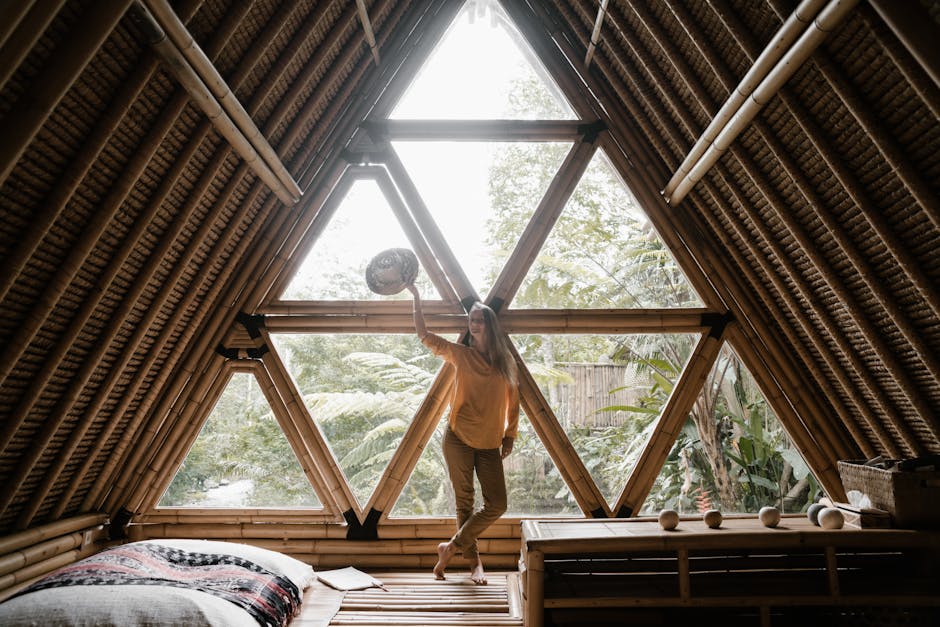
Imagine living in a home that not only looks stunning but also saves you money and protects the planet. Modern eco friendly homes do exactly that.
They use smart designs and materials to reduce waste, lower energy bills, and create healthier spaces for you and your family. If you want a home that feels good to live in and makes a real difference, keep reading. You’ll discover how these homes work and why they might be the perfect choice for your next move.
Eco Materials
Eco materials form the heart of modern eco-friendly homes. They help reduce harm to nature and save resources. These materials are chosen for their low environmental impact. They support healthier living spaces and promote sustainability.
Using eco materials lowers energy use and waste. They often come from natural or recycled sources. This approach keeps homes green and resource-efficient.
Renewable Resources
Renewable resources come from nature and can regrow quickly. Wood from well-managed forests is a common example. Bamboo grows fast and is strong for building. Cork, harvested without cutting trees, works well for flooring and insulation.
These materials reduce the need for non-renewable resources. They help keep the environment balanced. Choosing renewable resources supports long-term sustainability.
Recycled Building Supplies
Recycled materials reuse waste products instead of new ones. Steel, glass, and concrete can be recycled for building. Using recycled supplies cuts down landfill waste and saves energy. It also reduces the need to extract new raw materials.
Recycled wood and bricks add character and history to homes. These materials lower the home’s overall carbon footprint. They prove that old materials can have new life.
Low-impact Finishes
Low-impact finishes use fewer chemicals and less energy to produce. Natural paints and stains often contain fewer harmful toxins. These finishes improve indoor air quality and protect health.
Options like clay plaster and natural oils create safe, durable surfaces. They reduce pollution and waste during application. Low-impact finishes contribute to a clean and green home environment.

Credit: www.dreamstime.com
Energy Solutions
Energy solutions are at the heart of modern eco-friendly homes. They don’t just lower bills—they shrink your carbon footprint. Each choice you make here shapes how your home interacts with the environment and your lifestyle.
Solar Power Integration
Installing solar panels is one of the most effective ways to power your home sustainably. Panels capture sunlight and convert it into electricity, reducing your dependence on non-renewable sources.
Many homeowners find solar batteries helpful to store excess energy for nighttime use. Have you checked if your roof’s angle and shading make solar a smart option for your property?
Efficient Insulation
Good insulation keeps your home warm in winter and cool in summer without overusing energy. Materials like cellulose, wool, or foam can block drafts and maintain a steady indoor temperature.
Think about upgrading your attic or walls first; these areas lose the most heat. What insulation improvements could you make to cut down on heating and cooling costs?
Smart Energy Management
Smart thermostats and energy monitors give you control over your home’s energy use in real-time. They learn your habits and adjust settings to save power without sacrificing comfort.
Apps linked to these devices let you track usage and spot where energy leaks happen. Could smart technology help you identify hidden energy waste in your home?
Water Conservation
Water conservation plays a vital role in modern eco friendly homes. Saving water reduces utility bills and protects natural resources. Smart water use helps maintain a healthy environment for future generations.
Eco friendly homes use smart systems to collect, reuse, and save water. These systems reduce waste and make homes more sustainable.
Rainwater Harvesting
Rainwater harvesting collects rain from roofs and stores it for later use. This water can irrigate gardens or flush toilets. It reduces dependence on city water and lowers water bills.
- Simple collection systems catch rainwater from gutters.
- Storage tanks keep water for dry days.
- Filters ensure clean water for safe use.
Greywater Recycling
Greywater recycling reuses water from sinks, showers, and laundry. It is treated and used for watering plants or flushing toilets. This process cuts down on fresh water use and reduces waste.
- Collects water from bathroom and laundry drains.
- Treats water with filters and natural processes.
- Redirects treated water to irrigation or toilets.
Water-saving Fixtures
Water-saving fixtures lower water use without losing performance. They help save gallons of water daily in kitchens and bathrooms. Fixtures include low-flow faucets, showerheads, and dual-flush toilets.
| Fixture | Water Savings | Benefit |
|---|---|---|
| Low-flow Faucets | Up to 30% | Reduces water during hand washing |
| Low-flow Showerheads | Up to 40% | Uses less water per shower |
| Dual-flush Toilets | Up to 50% | Two flush options for liquid or solid waste |

Credit: www.autoevolution.com
Design Principles
Design principles shape modern eco friendly homes by focusing on energy efficiency and comfort. These principles reduce environmental impact while enhancing living quality. Thoughtful design creates spaces that use natural resources wisely and promote sustainability.
Passive Heating And Cooling
Passive heating and cooling use natural elements to control indoor temperature. South-facing windows capture sunlight in winter, warming the home. Roof overhangs and shading prevent overheating in summer. Proper insulation keeps heat inside during cold months and outside during hot months. This approach lowers energy use and utility bills.
Natural Lighting
Natural lighting brightens rooms without electric lights. Large windows and skylights bring in sunlight all day. Light colors on walls and floors reflect light deeper into rooms. This reduces the need for artificial lighting and creates a healthy, uplifting atmosphere. It also connects occupants with the outdoor environment.
Indoor-outdoor Flow
Indoor-outdoor flow blends living spaces with nature. Sliding doors and large openings connect interiors to patios, gardens, or decks. This design improves air circulation and provides easy access to fresh air. It encourages outdoor activities and creates a sense of openness. The boundary between inside and outside becomes soft and inviting.
Waste Reduction
Waste reduction is a key focus in modern eco-friendly homes. Cutting down waste not only saves resources but also lowers your environmental footprint. You can make a real difference by adopting smart waste reduction strategies in your home design and daily life.
Construction Waste Minimization
Reducing waste during construction starts with planning. Choosing materials that come in standard sizes helps avoid leftover scraps. You can also work with builders who reuse or recycle excess materials like wood, metal, and concrete.
Ordering only what you need avoids unnecessary waste and cost. Have you ever thought about how much scrap ends up in landfills after building a home? Minimizing this from the start saves money and the planet.
Composting Systems
Adding a composting system at home turns food scraps and garden waste into valuable soil. This reduces what you send to the landfill and enriches your garden naturally. Even a small countertop composter can make a big impact.
Think about your daily kitchen waste—how much of it could go into compost instead of the trash? Setting up composting is easier than you might expect and can save you money on fertilizers.
Sustainable Landscaping
Design your yard to reduce waste by using native plants that need less water and maintenance. Mulching with natural materials helps keep soil healthy and cuts down on garden waste. Rainwater harvesting can also reduce runoff and water usage.
Have you noticed how a well-planned garden can reduce the need for chemical fertilizers and pesticides? Sustainable landscaping means less waste and a healthier outdoor space you can enjoy year-round.
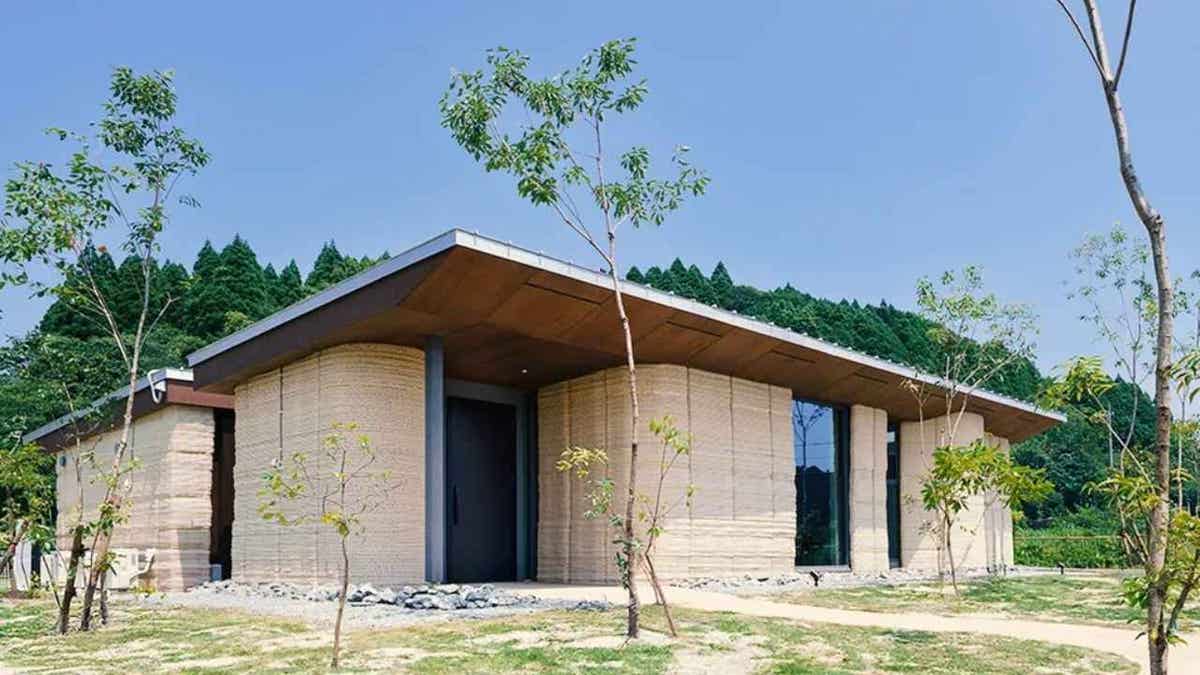
Credit: www.foxnews.com
Healthy Living
Healthy living is a key focus in modern eco-friendly homes. These homes create safe, clean spaces that support well-being. The design and materials used reduce harmful exposure and promote comfort. Fresh air, natural light, and green elements contribute to a healthier lifestyle. Let’s explore how these homes improve health through thoughtful choices.
Non-toxic Materials
Modern eco-friendly homes avoid harmful chemicals. Builders choose materials free from toxins like formaldehyde and VOCs. Paints, flooring, and furniture use natural or low-emission options. These choices reduce indoor pollution and allergic reactions. Homeowners breathe easier and feel safer in these spaces.
Air Quality Improvements
Good air quality is essential for health. Eco-friendly homes use ventilation systems that bring fresh air inside. Air filters remove dust, pollen, and pollutants. Some homes include plants that naturally clean the air. These features lower risks of asthma and respiratory problems.
Biophilic Elements
Biophilic design connects people to nature indoors. Large windows let in sunlight and views of greenery. Indoor plants add life and improve mood. Natural materials like wood and stone create warmth and calm. These elements reduce stress and boost mental health.
Smart Technologies
Smart technologies are a key part of modern eco-friendly homes. They help save energy and make life easier. These technologies use sensors and devices to control home systems automatically. They reduce waste and improve comfort. Smart features adapt to your daily routine and weather changes. They play a big role in sustainable living.
Home Automation
Home automation connects devices through a central system. Lights, heating, and security can be controlled remotely. This reduces energy use by turning off unused appliances. You can set schedules for lighting and temperature. Automation keeps the home efficient and safe without effort.
Energy Monitoring
Energy monitoring systems track electricity and gas use in real time. They show which devices use the most power. This helps identify waste and reduce bills. Some systems send alerts if consumption is high. Monitoring encourages smarter energy habits and lowers the carbon footprint.
Adaptive Systems
Adaptive systems learn from your habits and adjust settings automatically. Thermostats change temperatures based on occupancy and weather. Smart blinds open or close to save heat or cool air. These systems improve comfort while using less energy. They respond to changes without manual input.
Community Impact
Modern eco-friendly homes do more than save energy and reduce waste. They shape communities and improve local life. Their impact reaches beyond individual households, affecting neighborhoods and social ties. These homes help build a stronger, greener future for all residents.
Local Sourcing
Materials for eco-friendly homes often come from nearby places. This reduces transport pollution and supports local businesses. Builders choose wood, stone, and other supplies from the region. This practice keeps money in the community and creates local jobs.
Neighborhood Sustainability
Eco-friendly homes encourage neighbors to adopt green habits. Shared solar panels, community gardens, and rainwater systems become common. These features lower the whole neighborhood’s environmental footprint. Together, residents save energy and reduce waste.
Social Benefits
Green homes foster stronger community bonds. People meet at shared green spaces and work on local projects. This leads to better health and well-being for everyone. Cleaner air and quieter streets improve daily life. Residents feel proud of their eco-conscious neighborhood.
Frequently Asked Questions
What Defines A Modern Eco Friendly Home?
A modern eco friendly home integrates sustainable materials, energy-efficient systems, and smart design. It reduces environmental impact and lowers utility costs. These homes use renewable energy, water-saving fixtures, and improved insulation for comfort and efficiency.
How Do Eco Friendly Homes Save Energy?
Eco friendly homes save energy through solar panels, efficient appliances, and smart thermostats. Proper insulation and natural lighting reduce heating and cooling needs. These features minimize electricity use, lowering bills and carbon footprints.
Are Modern Eco Friendly Homes Costly To Build?
Initial costs can be higher due to green materials and technology. However, energy savings and incentives offset expenses over time. Many find eco homes affordable with long-term financial and environmental benefits.
What Materials Are Used In Eco Friendly Home Construction?
Sustainable materials like bamboo, recycled steel, reclaimed wood, and low-VOC paints dominate. These reduce waste, pollution, and resource depletion. Eco-friendly materials also improve indoor air quality and durability.
Conclusion
Modern eco-friendly homes offer a bright future for living. They save energy and reduce waste. These homes use natural materials and smart designs. People enjoy cleaner air and lower bills. Small changes make a big difference over time. Everyone can contribute to a healthier planet.
Choosing eco-friendly homes supports a better world for all. The future looks greener and more sustainable. Why not be part of this positive change? Simple steps can lead to big benefits.