
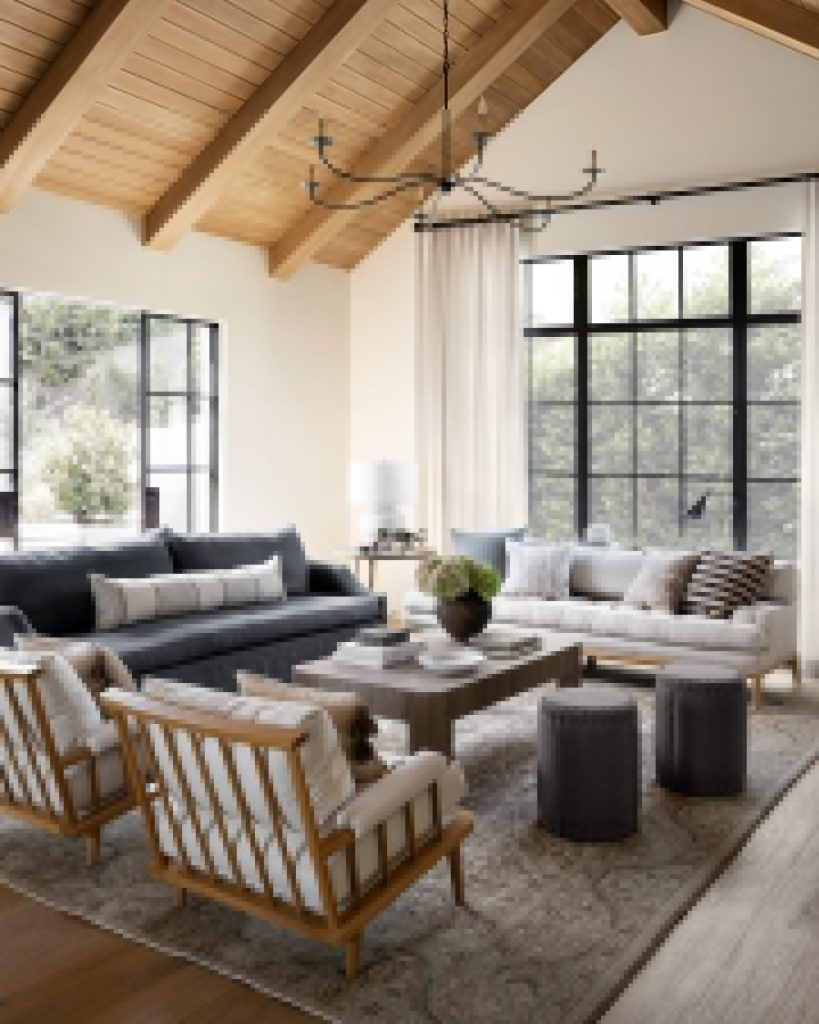
Are you wondering how to create a stunning living room that feels warm and stylish at the same time? Mixing white and dark wood furniture might be the secret you’ve been looking for.
This combination adds depth and balance, making your space look both modern and cozy. But how do you pull it off without making your room feel cluttered or mismatched? Keep reading, because we’ll show you simple tips to blend these contrasting woods perfectly, so your living room becomes a place you love to relax and impress guests.
Choosing The Right Woods
Choosing the right woods sets the tone for mixing white and dark wood furniture. It creates balance and harmony in your living room. The key is to pick wood types that complement each other. This ensures your space looks stylish and inviting. Understanding popular wood options helps you make smart choices.
Popular White Wood Types
White woods bring lightness to any room. They make spaces feel open and fresh. Here are some common white wood types:
- Maple: Smooth grain, pale cream color.
- Birch: Light yellow tone, fine texture.
- Pine: Soft wood, warm pale yellow shade.
- Ash: Light with subtle grain patterns.
These woods blend well with darker tones. They add brightness without overwhelming the room.
Common Dark Wood Varieties
Dark woods add depth and richness. They create a strong contrast with white woods. Popular dark wood choices include:
- Walnut: Deep brown with rich grain.
- Mahogany: Reddish-brown, elegant finish.
- Cherry: Warm reddish hues, smooth texture.
- Ebony: Almost black, very dense.
Dark woods bring warmth and luxury to living spaces. They balance the lightness of white woods.
Matching Wood Tones
Matching wood tones is essential for a cohesive look. Choose tones that share similar undertones or warmth. Here are simple tips:
- Pair cool white woods with cool dark woods.
- Warm white woods blend well with warm dark woods.
- Avoid mixing very yellow and very red tones.
- Test samples together before buying furniture.
Matching tones create harmony. It makes the room feel well thought out and cozy.
Balancing Colors And Textures
Balancing colors and textures is key to creating a living room that feels both cohesive and dynamic when mixing white and dark wood furniture. Getting this balance right helps each piece stand out without overwhelming the space. It also adds depth and interest, making your living room inviting and stylish.
Contrasting Finishes
Mixing glossy white furniture with matte dark wood pieces creates an eye-catching contrast. The shine of a white lacquered coffee table can highlight the rich, natural finish of a dark wood bookshelf nearby.
Try to vary the finishes rather than matching them exactly. This contrast can help prevent your room from feeling flat or too uniform. Have you noticed how a mix of smooth and rough surfaces can make a space more engaging?
Incorporating Natural Grains
Natural wood grains bring warmth and character to your living room. Dark wood with visible grain patterns can add texture, while white-painted furniture offers a clean backdrop.
Look for pieces where the grain shows through the finish, especially on dark wood. This creates a tactile experience that invites you to reach out and touch the furniture. How often do you pay attention to these natural details in your space?
Using Rugs And Fabrics
Rugs and fabrics are essential to tie together the colors and textures of your furniture. A rug with a mix of light and dark tones can anchor the room and soften the transitions between different woods.
- Choose cushions or throws with patterns that include both white and dark shades.
- Textures like linen, wool, or velvet add another layer of interest.
- Experiment with fabrics that have subtle texture to complement your furniture finishes.
These soft elements not only enhance comfort but also help balance the visual weight of contrasting woods. What textures do you find most comforting in your living space?
Arranging Furniture For Flow
Arranging furniture in a living room that mixes white and dark wood pieces can either create harmony or chaos. The key is to ensure a smooth flow that makes the space feel inviting and balanced. Thoughtful placement helps your eyes move comfortably across the room, highlighting the unique qualities of both wood tones.
Creating Focal Points
A strong focal point anchors the room and draws attention to your best furniture pieces. Consider placing your dark wood sofa or coffee table where it naturally stands out against lighter walls or rugs. White wood furniture can frame this area, adding brightness without competing.
Ask yourself: what do you want guests to notice first when they enter? It could be a beautiful dark wood cabinet or a white wood bookshelf with colorful decor. Position these pieces where they catch the eye but don’t overwhelm the space.
Spacing And Placement Tips
- Keep at least 18 inches between seating and tables for easy movement.
- Avoid crowding white and dark wood pieces too close; give each enough breathing room.
- Arrange furniture in natural conversation zones to encourage interaction.
- Use rugs or lighting to define areas and separate different wood tones subtly.
When I first mixed my white and dark wood furniture, I noticed the space felt cramped. Spacing pieces a little further apart made the room feel larger and let each item shine on its own. Try moving your furniture around and see which layout feels most comfortable and functional for you.
Layering With Accessories
Accessories can soften the contrast between white and dark wood while adding personality. Use cushions, throws, and rugs that pull colors from both wood tones to create visual unity.
Metal or glass accents also work well to bridge the gap between light and dark. A brass lamp on a dark wood side table or a glass vase on a white wood shelf can balance the look without cluttering.
Think about how you can use plants, artwork, or books to connect the two wood finishes. This layering makes the room feel thoughtfully styled and cohesive.
:max_bytes(150000):strip_icc()/CarinaSkrobeckiPhoto_JessicaNelsonDesign_252222ndAve_01-47bc103d13e34f8d89179a86e968e7eb-5b0a8608f5c64a999203309e3fd0af57.jpg)
Mixing Styles With Wood
Mixing styles with wood brings depth and character to your living room. It allows combining different wood tones and furniture designs. This blend creates a unique and personalized space. Wood’s natural warmth makes it easy to mix styles without clashing.
Modern Meets Rustic
Pair sleek white wood pieces with dark, rugged rustic furniture. The contrast highlights clean lines and natural textures. White wood adds brightness, while dark wood adds earthiness. This mix balances modern simplicity with rustic charm. Use simple accessories to keep the look fresh.
Traditional And Contemporary Blends
Combine classic dark wood furniture with light, modern designs. Traditional pieces bring elegance and history. Contemporary items add lightness and trendiness. Together, they create a balanced, inviting space. Keep colors neutral to unify the styles smoothly.
Eclectic Combinations
Mix different wood styles freely for an eclectic vibe. Blend white, dark, and even medium wood tones. Add varied furniture shapes and finishes for interest. This style reflects creativity and personality. Use rugs or cushions to tie the pieces together visually.
Maintaining Cohesion
Mixing white and dark wood furniture creates visual interest and depth in a living room. Maintaining cohesion ensures the space looks harmonious and well-planned. Achieving balance between contrasting woods requires thoughtful design choices. Focus on repeating colors, balancing sizes, and matching hardware to unite the look.
Repeating Colors And Materials
Use colors found in both wood tones to tie the room together. Add cushions, rugs, or curtains in shades that complement the wood. Incorporate natural materials like leather or linen that blend with the furniture. Small decor pieces in matching wood finishes can also create a subtle link.
Balancing Scale And Proportion
Keep furniture pieces balanced in size to avoid overpowering contrasts. Pair a large dark wood cabinet with a similarly sized white wood sofa or table. Mixing small and large pieces evenly spreads visual weight. This balance helps the eye move smoothly through the room.
Consistent Hardware And Details
Choose similar hardware styles for handles and knobs across furniture pieces. Metal finishes in brass, black, or chrome can unify different woods. Consistent details like trim, legs, or carvings add harmony. Small matching elements make the mix feel intentional and cohesive.
Lighting To Enhance Wood Tones
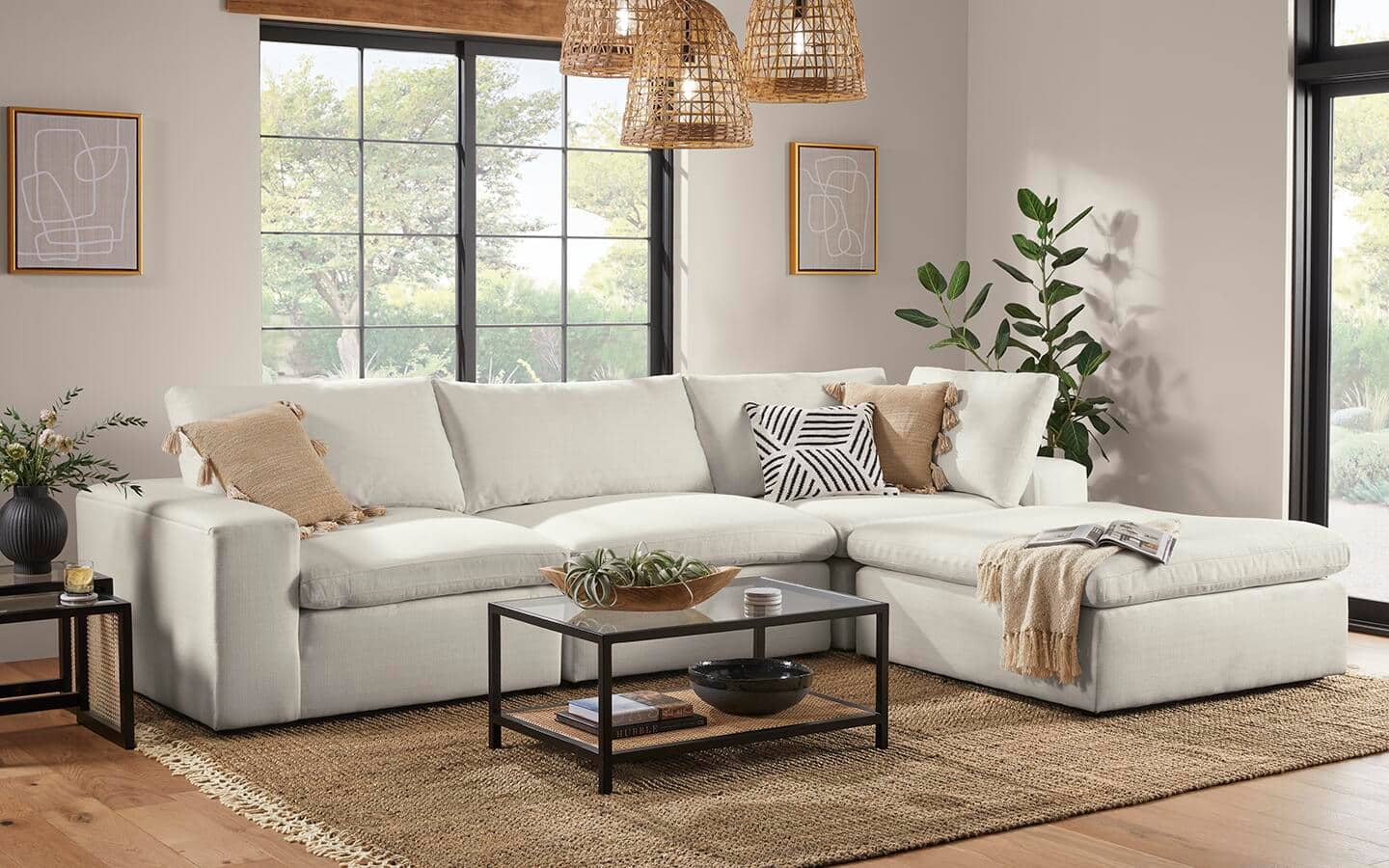
Lighting plays a crucial role in bringing out the beauty of both white and dark wood furniture in your living room. The right lighting can emphasize the unique characteristics of each wood tone, creating a balanced and inviting space. Understanding how different lighting types affect wood can help you make your furniture stand out in the best way possible.
Natural Light Effects
Natural light changes throughout the day, subtly altering how wood tones appear. White wood often looks crisp and clean in bright daylight, while dark wood gains depth and richness as shadows shift.
Try placing your dark wood pieces near windows where morning or afternoon light hits them directly. You might notice the grain patterns become more pronounced, adding texture to your room.
Have you observed how a sunny room can make white wood furniture feel fresh and airy? Maximizing natural light can enhance this effect, so consider sheer curtains or strategically placed mirrors to bounce light around.
Warm Vs Cool Lighting
Warm lighting, with its yellow or amber tones, complements dark wood by enhancing its natural warmth and richness. This type of lighting can make your living room feel cozy and inviting, perfect for evenings.
In contrast, cool lighting, which has a bluer or whiter hue, pairs well with white wood furniture. It keeps the look crisp and modern, highlighting the clean lines and bright surfaces.
Think about the mood you want to set. Would you prefer a soft, relaxing glow or a bright, energetic atmosphere? Combining both warm and cool lights using dimmers or layered fixtures offers versatility for your mixed wood furniture.
Highlighting Key Pieces
Spotlighting can draw attention to your favorite furniture items, whether it’s a dark wood coffee table or a white wood bookshelf. Use adjustable track lighting or small lamps to focus light where you want it most.
Accent lighting not only showcases the wood grain but also creates visual interest by breaking up the room’s lighting layers. You might be surprised how a well-lit wood piece becomes a conversation starter.
Consider the placement of your lighting fixtures carefully. Are there unique details or textures in your wood furniture that deserve extra attention? Highlighting these can make your living room feel personalized and thoughtfully designed.
Common Mistakes To Avoid
Mixing white and dark wood furniture can create a stunning look. Yet, some common mistakes can spoil the harmony. Avoid these pitfalls to keep your living room stylish and balanced. Understanding these errors helps you design with confidence and charm.
Overmatching Woods
Using too many pieces with the exact same wood tone makes the room feel flat. Matching every item perfectly removes visual interest. Mixing white and dark woods means embracing variety. Choose different shades and grains to add depth. Let contrasts highlight each piece’s unique character.
Ignoring Room Size
Dark wood furniture can make small rooms feel cramped. White pieces help open up space and add lightness. Large rooms can handle bold, dark woods without feeling heavy. Balance the amount of dark and white furniture based on size. This keeps the room feeling comfortable and inviting.
Neglecting Overall Theme
Furniture styles and colors must fit the room’s theme. Mixing modern white pieces with rustic dark woods creates confusion. Keep the style consistent for a smooth look. Choose furniture that matches your room’s mood and decor. This creates a cohesive and pleasing environment.

Frequently Asked Questions
How To Mix White And Dark Wood Furniture Effectively?
Balance is key. Pair white pieces with dark wood accents. Use area rugs and decor to unify the look. Maintain consistent style for harmony. Avoid overcrowding to keep the space open and inviting.
What Color Schemes Complement White And Dark Wood Furniture?
Neutral tones like beige, gray, and soft pastels work well. Earthy colors enhance warmth. Bold colors can add contrast but use sparingly. Keep walls light to brighten the space. Use cushions and throws to tie colors together.
Can Mixing White And Dark Wood Furniture Make A Room Look Smaller?
No, if done right. Using white furniture brightens the room. Dark wood adds depth and richness. Proper lighting and open layouts help maintain spaciousness. Avoid heavy, bulky pieces to prevent crowding.
What Styles Suit Mixing White And Dark Wood Furniture?
Modern farmhouse, rustic, Scandinavian, and transitional styles work best. These styles blend natural wood tones with clean white finishes. They promote warmth and balance. Choose furniture with simple lines for a cohesive look.
Conclusion
Mixing white and dark wood furniture adds depth and charm to your living room. It creates a balanced look that feels warm and fresh. You can play with shapes and sizes to keep the space interesting. Small touches like rugs or cushions help tie the styles together.
This blend works well with many decorating styles, making your room unique. Try it out and enjoy a cozy, stylish space that feels just right.