
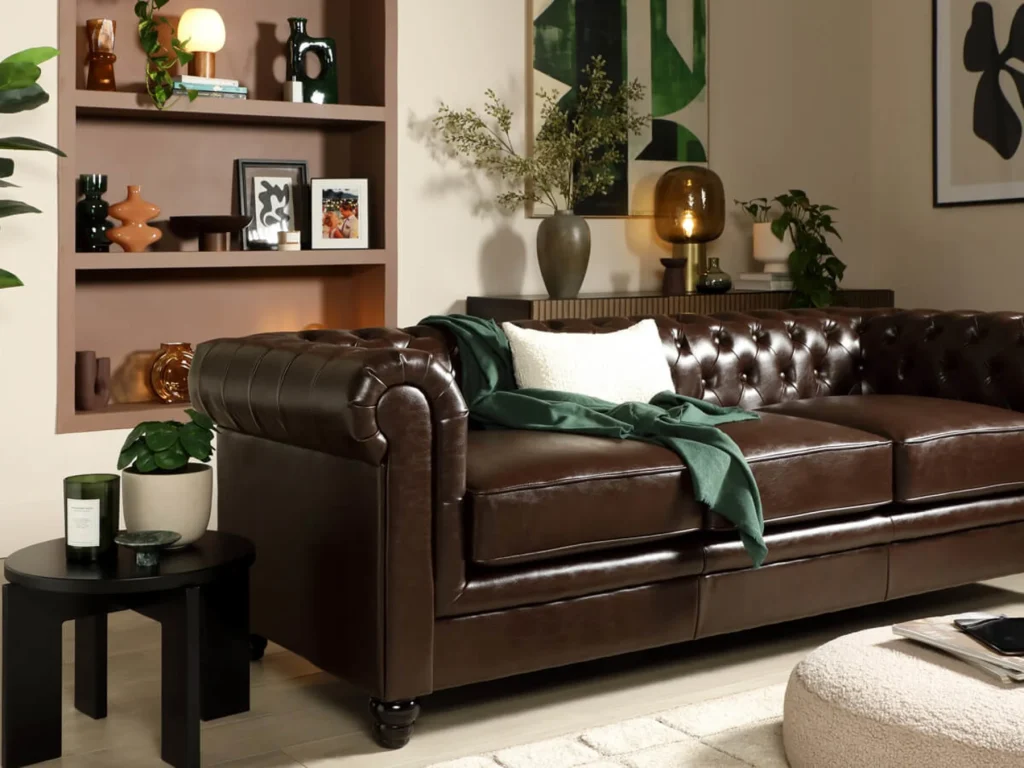
Are you looking to give your living room a fresh, stylish upgrade? Mixing leather furniture into your space might be the perfect move.
Leather adds warmth, texture, and a timeless charm that can transform any room. But how do you blend different leather pieces without making your space look mismatched or overwhelming? Keep reading, and you’ll discover simple tricks to mix leather furniture effortlessly.
By the end, you’ll feel confident creating a living room that’s not only cozy but also full of personality and style—just the way you want it.
Choosing Leather Types
Choosing the right leather type is key to mixing leather furniture in your living room. Each leather variety offers unique looks and feels. Understanding these types helps you create a balanced, stylish space. Consider texture, durability, and finish to match your decor and lifestyle.
Full Grain Vs Top Grain
Full grain leather is the strongest and most natural. It keeps the hide’s original texture and marks. This leather ages beautifully, developing a rich patina over time.
Top grain leather is sanded and buffed to remove imperfections. It looks smoother and more uniform. It offers good durability but less natural character than full grain.
Aniline And Semi-aniline Finishes
Aniline leather is dyed with transparent dyes. It shows the hide’s natural grain clearly. This leather feels soft but needs careful care to avoid stains.
Semi-aniline leather has a light protective coating. It keeps the natural look with added durability. It resists stains and fading better than pure aniline.
Patent And Corrected Leather
Patent leather has a shiny, glossy surface. It offers a sleek, modern look. This leather is easy to clean but less breathable.
Corrected leather is sanded and coated with pigments. It hides flaws and gives a uniform color. It is more affordable and durable but less natural in appearance.

Balancing Colors And Tones
Balancing colors and tones is key to mixing leather furniture in a living room. It helps create a space that feels warm and inviting. Choosing the right shades can highlight the beauty of each piece. It also ensures the room looks organized, not chaotic. Let’s explore how to balance these colors and tones well.
Neutral Shades For Versatility
Neutral colors like beige, gray, and brown work well with most styles. They create a calm background that lets other elements stand out. Leather furniture in neutral tones fits many room designs. It offers flexibility to change decor later without clashing. These shades also bring a cozy and timeless look to your living space.
Bold Colors For Statement Pieces
Bold colors like deep red, navy blue, or emerald green make leather furniture a focal point. These colors draw attention and add personality to the room. Using one bold piece can energize a neutral room. It creates contrast and gives the space character. Balance bold colors with softer tones to avoid overwhelming the eye.
Using Contrasting Tones
Contrasting tones add visual interest and depth to your living room. Pair light leather with dark wood or fabrics for a dynamic look. Contrast can highlight each furniture piece’s texture and shape. It prevents the space from feeling flat or dull. Keep contrasts balanced by repeating colors in small accents like pillows or rugs.
Mixing Textures
Mixing textures in your living room can transform the space from ordinary to inviting. Leather furniture brings a sleek, polished look, but adding different textures creates depth and warmth. Have you ever walked into a room that felt cold despite beautiful furniture? That’s where texture plays a vital role.
Pairing Leather With Fabrics
Leather pairs beautifully with soft fabrics like velvet, linen, or cotton. Imagine a rich leather sofa complemented by velvet cushions—this contrast makes each material pop. You can also add fabric armchairs or ottomans near your leather pieces to create a cozy conversation area.
Try mixing patterns and colors too. A plaid wool throw on a leather chair adds interest without overwhelming the space. Don’t shy away from textures that feel different to the touch; they invite you to relax and engage with the room.
Incorporating Wood And Metal Accents
Wood and metal accents add character and balance to leather furniture. Wooden coffee tables or side tables soften the sleekness of leather with natural grains and warmth. Metals like brushed brass or matte black on lamps and frames introduce an industrial edge that contrasts nicely.
Think about how these materials interact with light. Wood reflects warmth, while metal can catch glints, creating a dynamic environment. Have you noticed how a metal lamp on a wooden side table next to a leather sofa instantly elevates the space?
Layering Rugs And Throws
Rugs and throws are easy ways to add texture without major changes. A chunky knit throw draped over a leather couch breaks up the smooth surface and invites touch. Layering rugs—like a jute base with a soft wool rug on top—creates visual layers and comfort underfoot.
Consider the size and scale to keep balance. A small patterned rug can anchor a leather seating group, while a large neutral rug can unify diverse textures. What textures do you find yourself reaching for when you want to feel cozy?
Arranging Leather Furniture
Arranging leather furniture in your living room requires a thoughtful approach to enhance both comfort and style. Leather pieces often serve as focal points, so how you place them can set the tone for the entire space. Paying attention to layout details will help you create a welcoming and functional environment that invites conversation and relaxation.
Creating Conversation Areas
Arrange your leather chairs and sofas facing each other or at slight angles to encourage interaction. Avoid placing seating too far apart; keeping pieces within a comfortable speaking distance helps foster connection. Adding a central coffee table or ottoman can anchor the area and give everyone a place to rest drinks or books.
Think about how you use your living room. Do you host family gatherings or casual hangouts? Tailor your seating arrangement to fit those needs by grouping furniture in smaller clusters rather than lining them up against walls.
Balancing Scale And Proportion
Leather furniture often comes in bold, substantial shapes. To keep your room balanced, mix in smaller, lighter pieces like side chairs or stools. This contrast prevents the space from feeling heavy or crowded.
Consider the size of your room before adding large leather sofas. A massive sectional might overwhelm a small space, while a sleek loveseat can complement it perfectly. Pay attention to the height and bulk of your furniture to maintain visual harmony.
Optimizing Room Flow
Ensure pathways around your leather furniture are clear and easy to navigate. Avoid blocking doorways or creating tight squeezes that disrupt movement. A good rule is to leave at least 2 to 3 feet of walking space between pieces.
Think about how you move through the room daily. Does the current layout feel natural or forced? Sometimes shifting a sofa slightly or removing an unnecessary chair can open up the space and make it more inviting.
Styling With Accessories
Styling with accessories brings life and warmth to leather furniture in your living room. These small touches soften the look and create a cozy feel. Accessories add color, texture, and personality without overwhelming the space.
Adding Cushions And Pillows
Cushions and pillows break the solid look of leather. Choose soft fabrics like cotton or velvet for contrast. Mix colors and patterns to add interest. Keep sizes varied for a casual, inviting style. Change them seasonally to refresh your room’s vibe.
Choosing Complementary Lighting
Lighting shapes the mood around leather furniture. Use warm bulbs to soften leather’s natural shine. Table lamps and floor lamps add layers of light. Position lights to highlight textures and create cozy corners. Avoid harsh overhead lights that make leather look shiny.
Incorporating Art And Decor
Art and decor personalize your living space. Hang paintings or prints that match your color theme. Sculptures and vases add depth and interest. Use natural elements like plants or wooden pieces to balance leather’s sleek look. Keep decor simple to avoid clutter.
Maintaining Leather Pieces
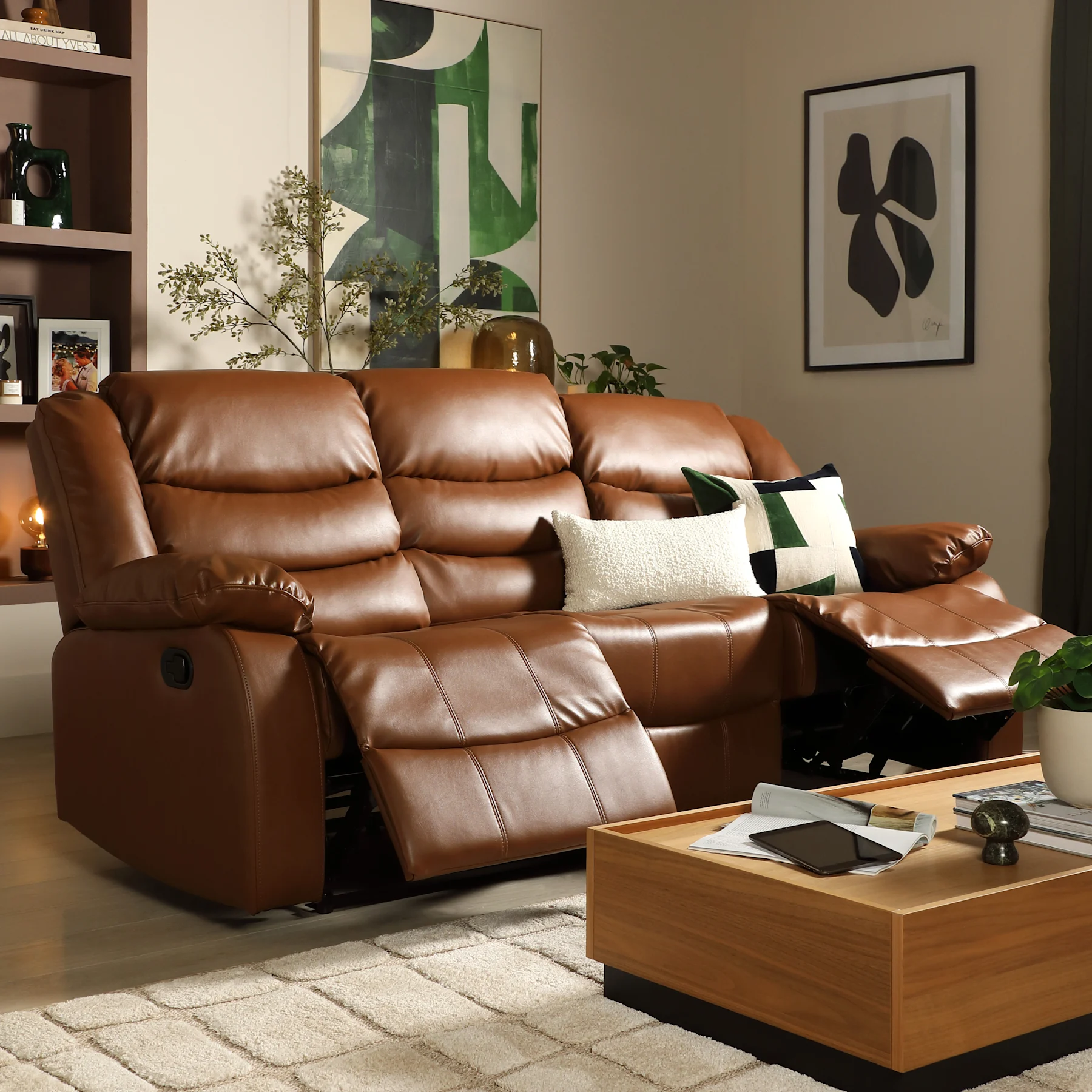
Maintaining leather pieces in your living room is essential to keep them looking fresh and durable. Leather naturally ages beautifully, but it still needs regular care to prevent drying, cracking, or fading. By giving your leather furniture the right attention, you ensure it remains a stylish and comfortable part of your space for years.
Cleaning And Conditioning Tips
Clean your leather furniture regularly with a soft, dry cloth to remove dust and dirt. Avoid using harsh chemicals or abrasive cleaners that can damage the leather’s surface.
Conditioning is key to keeping leather soft and supple. Use a leather conditioner every 6 to 12 months to restore moisture and prevent cracking. Test the conditioner on a hidden spot first to ensure it doesn’t alter the color.
Preventing Wear And Tear
Place your leather pieces away from direct sunlight and heat sources to avoid fading and drying out. Consider using throws or cushions in high-use areas to protect against scratches and stains.
Rotate cushions and seating spots regularly to distribute wear evenly. This simple habit can extend the life of your leather furniture significantly.
Repairing Scratches And Scuffs
Minor scratches can often be buffed out with a soft cloth and a little leather conditioner. For deeper scratches, consider using a leather repair kit designed for your furniture’s type and color.
Act quickly on any damage to prevent it from worsening. Have you noticed how small repairs done promptly keep leather looking almost new? It’s worth the effort to maintain that smooth, polished look.

Frequently Asked Questions
How To Mix Different Leather Furniture Styles?
Mixing leather furniture styles works by balancing textures and colors. Use complementary tones and varied shapes to create harmony. Avoid overly matching pieces. Adding soft fabrics and rugs can soften the look and add depth to your living room design.
What Colors Of Leather Furniture Blend Well Together?
Neutral leather colors like brown, black, and tan blend well together. You can also pair dark leather with lighter tones for contrast. Earthy shades complement each other and create a warm, inviting space. Avoid clashing bright colors to maintain cohesion.
Can Mixing Leather Furniture Improve Living Room Aesthetics?
Yes, mixing leather furniture adds texture and visual interest. It breaks monotony and creates a personalized style. Combining different finishes and tones can enhance your living room’s overall look. Proper arrangement and balance are key to improving aesthetics.
How To Maintain Mixed Leather Furniture Effectively?
Maintain mixed leather furniture by cleaning with appropriate leather cleaners. Condition each type based on its finish to prevent cracking. Avoid direct sunlight and heat exposure. Regular dusting and gentle care extend the furniture’s life and appearance.
Conclusion
Mixing leather furniture adds style and warmth to your living room. It creates a cozy and inviting space for family and friends. Choose colors and textures that match your room’s theme. Balance leather pieces with soft fabrics to keep comfort.
Small touches like rugs and cushions help tie the look together. Experiment with different arrangements to find what feels right. Your living room becomes both elegant and relaxed. Enjoy a space that shows your personality and taste.