
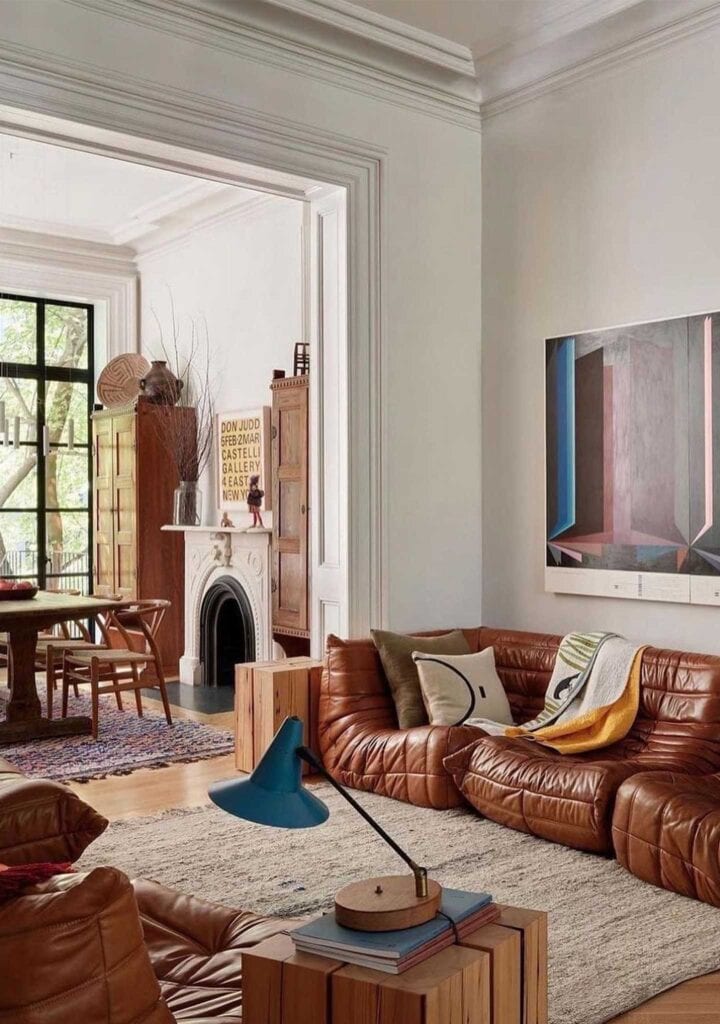
Are you wondering how to make your living room look stylish and inviting without spending a fortune? Mixing dark and light wood furniture might be the perfect trick you haven’t tried yet.
It’s a simple way to add depth, warmth, and personality to your space. Imagine your room feeling cozy but fresh, classic but modern—all at once. If you want to learn how to balance these contrasting tones effortlessly and create a living room that truly reflects your style, keep reading.
This guide will show you easy tips that anyone can follow to transform your space beautifully.

Choosing The Right Wood Tones
Choosing the right wood tones is key to creating a harmonious living room when mixing dark and light wood furniture. The tone of the wood affects the mood and feel of your space more than you might expect. It’s not just about picking colors but understanding how those colors play together to either clash or complement.
Balancing Warm And Cool Shades
Wood tones come with natural warmth or coolness, and balancing these can make your living room feel inviting and stylish. Warm woods like cherry, mahogany, and oak bring a cozy, rich vibe. Cooler woods such as ash, maple, or gray-stained pieces add freshness and modernity.
Think about your room’s lighting and existing colors. If your walls and floors lean warm, adding some cool-toned furniture can prevent the space from feeling too heavy. On the other hand, mixing too many warm shades without a cool balance might make the room seem crowded or dull.
Ask yourself: Does the room feel balanced or does one tone dominate? Sometimes placing a cool-toned coffee table next to a warm-toned sofa frame creates a refreshing contrast that keeps the eye moving.
Matching Undertones For Cohesion
Undertones are subtle hues beneath the main wood color, like red, yellow, or gray. Matching these undertones helps blend different pieces seamlessly, even if their surface colors differ.
For example, a light oak piece with yellow undertones pairs well with a dark walnut that also carries warm yellow undertones. This creates a subtle thread of consistency. Conversely, mixing a cool gray undertone with a warm reddish undertone can feel disjointed.
Look closely at your furniture in natural light to identify these undertones. You might be surprised how a dark wood with a reddish base complements a lighter wood with a similar underlying hue better than a purely neutral or gray-toned piece.
Do you notice any undertones that repeat in your furniture? Highlighting these can be a simple trick to unify your mixed wood setup without sacrificing variety.

Creating Visual Contrast
Creating visual contrast in your living room by mixing dark and light wood furniture can transform the space into a dynamic and inviting area. Contrast draws the eye and adds depth, making your room feel balanced and interesting. You don’t have to worry about clashing tones if you plan carefully and focus on key elements.
Highlighting Key Furniture Pieces
Choose one or two standout pieces to become the focal points of your room. A dark wood coffee table can anchor the space, while light wood chairs offer a fresh, airy feel around it. This contrast helps your eyes travel naturally across the room without feeling overwhelmed.
Think about the size and shape of each piece too. A bulky dark wood cabinet next to a sleek light wood side table creates a pleasing balance. Don’t be afraid to let these pieces show their character by keeping surrounding decor simple.
Using Rugs And Accessories To Tie Together
Rugs and accessories are your secret weapons to unify different wood tones. Pick a rug with mixed shades that echo both dark and light woods, helping your furniture feel connected. This creates a seamless look rather than a patchwork of random colors.
Add cushions, vases, or picture frames that incorporate similar wood tones or complementary colors. This subtle repetition can make the contrast feel intentional and well thought out.
Have you tried pairing a pale oak bookshelf with a walnut coffee table? Adding a rug that blends both colors can turn this contrast from jarring to harmonious. What accessories could you add to your living room to balance your wood tones?
Arranging Furniture For Harmony
Arranging furniture in a living room with both dark and light wood pieces requires balance. The goal is to create a space where each item complements the other. Harmony brings a cozy and stylish feel. Careful planning helps avoid a cluttered or mismatched look. Small changes in placement make a big difference in the room’s flow and mood.
Spacing And Placement Tips
Allow enough space between furniture to keep the room open. Crowding dark and light pieces can make the room feel busy. Use symmetry to create balance, such as placing a dark wood coffee table between light wood chairs. Group similar wood tones together to form a visual anchor.
- Keep walkways clear and wide enough for easy movement
- Place larger dark wood pieces against light walls for contrast
- Use light wood furniture near darker walls to brighten the space
- Mix furniture heights to add interest and avoid monotony
- Keep furniture angles aligned for a neat appearance
Combining Different Wood Textures
Mixing textures adds depth and character to the living room. Smooth finishes contrast nicely with rough or matte surfaces. Try pairing glossy dark wood with matte light wood for a fresh look. Avoid repeating the same texture too often to keep the room dynamic.
- Pair natural grain with painted or stained finishes
- Use soft fabrics on wood furniture to soften hard edges
- Include woven or rattan accents for extra texture variety
- Balance heavy, chunky wood with lighter, delicate pieces
Incorporating Complementary Colors
Mixing dark and light wood furniture in your living room creates a dynamic contrast that can either energize or overwhelm the space. The key to making this combo work lies in choosing the right complementary colors around the room. These colors help tie the different wood tones together, making your living area feel cohesive and inviting rather than chaotic.
Wall Colors That Enhance Wood Mix
Choosing the right wall color can make a huge difference when blending dark and light wood furniture. Neutral tones like soft greys, warm beiges, or creamy whites work wonderfully because they don’t compete with the wood’s natural beauty.
If you want to add a bit more personality, try muted greens or blues. These shades bring out the richness of dark woods while highlighting the warmth of lighter pieces.
Have you ever noticed how a pale sage wall can make both a walnut coffee table and a birch bookshelf pop? It’s all about finding a shade that balances the cool and warm tones in your furniture.
Accent Colors For Balance
Accent colors give you a chance to add energy and personality without overwhelming the space. Think about cushions, rugs, or artwork in colors like burnt orange, mustard yellow, or deep teal to complement the wood tones.
To keep things balanced, use these accents sparingly. A bright pillow on a light wood sofa or a colorful vase on a dark wood console can create just the right contrast.
Have you tried mixing textures along with colors? Combining soft fabrics with smooth wood surfaces adds depth and keeps your living room feeling layered and interesting.
Maintaining A Consistent Style
Maintaining a consistent style while mixing dark and light wood furniture in your living room can be challenging but rewarding. It requires a careful balance so the pieces complement rather than clash. When done right, your space feels intentional and harmonious, not chaotic or mismatched.
Choosing A Unified Design Theme
Start by deciding on a clear design theme that ties your furniture together. Whether you prefer rustic charm, sleek modern, or cozy farmhouse, this theme will guide your wood choices and finishes.
For instance, if you pick a Scandinavian style, stick to clean lines and minimalistic shapes in both dark and light wood. This keeps the contrast from feeling random and instead highlights each piece’s unique character.
Think about the room’s overall vibe. Do you want it to feel warm and inviting or fresh and airy? Let that feeling influence your wood tones and textures, so every item works toward the same goal.
Mixing Modern And Traditional Elements
Combining modern and traditional furniture can add depth to your living room, but consistency is key. Match the wood finishes by choosing similar undertones—even if one piece is dark and another is light.
Imagine pairing a sleek, light oak coffee table with a dark mahogany armchair that has classic carved details. The contrast in style becomes a conversation starter rather than a visual clash.
- Use accessories like cushions or rugs to bring modern and traditional styles together.
- Keep color accents consistent across furniture pieces to unify the look.
- Don’t be afraid to repeat wood tones in smaller elements, such as picture frames or side tables, to create a subtle link.
Ask yourself: does each piece feel like it belongs in the same room? If the answer is no, adjust by either swapping out items or adding unifying elements until your mix feels deliberate and stylish.
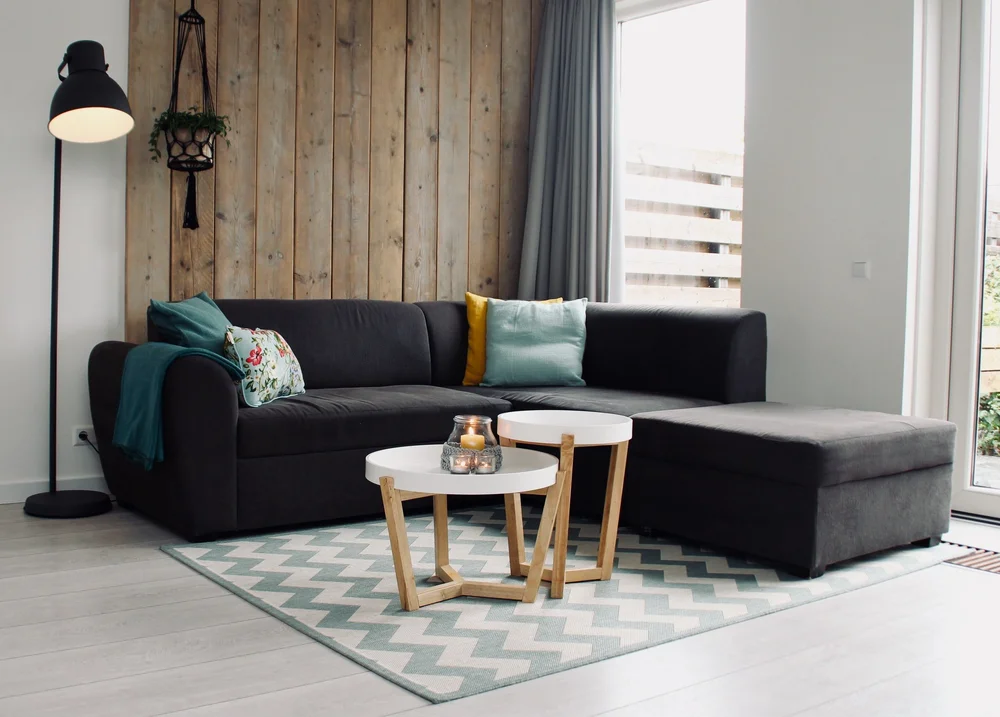
Lighting To Enhance Wood Features
Lighting plays a key role in highlighting wood furniture in your living room. It brings out the natural beauty of both dark and light woods. Good lighting creates contrast and depth, making each piece stand out. It also sets the mood and atmosphere of the space. Using the right lighting enhances the texture and grain of wood surfaces, making your furniture more attractive and inviting.
Natural Vs Artificial Lighting Effects
Natural light shows wood in its truest colors. It changes throughout the day, giving wood different looks. Dark wood can appear warmer in sunlight. Light wood becomes brighter and more vibrant.
Artificial lighting offers control and consistency. Warm bulbs highlight wood grain and knots well. Cool lights can make wood look dull or washed out. Adjusting light intensity helps balance dark and light furniture pieces.
Using Lamps And Fixtures Strategically
Place floor lamps near dark wood furniture to brighten the area. Table lamps work well on light wood surfaces to add warmth. Use spotlights to focus on special wood details or art.
- Choose lampshades that soften light without hiding wood texture.
- Use dimmers to change light levels for different times or moods.
- Mix overhead lights with lamps to avoid shadows on wood.
Good lighting placement makes wood pieces feel connected. It also helps blend dark and light woods smoothly in the room. Thoughtful lamp and fixture choices highlight wood’s natural charm.
Frequently Asked Questions
How To Mix Dark And Light Wood Furniture Effectively?
Balance is key. Pair dark wood with light pieces to create contrast. Use neutral accessories to unify the look. Avoid overcrowding to maintain harmony. Mixing textures can also enhance visual interest without clashing.
What Colors Complement Dark And Light Wood Furniture?
Neutral shades like beige, gray, and white work best. Soft pastels also highlight wood tones beautifully. Avoid overly bright colors that overshadow natural wood textures. Earthy hues enhance warmth and create a cozy ambiance.
Can Mixing Wood Tones Affect Room Size Perception?
Yes, light wood can make a room appear larger and brighter. Dark wood adds depth and warmth but can shrink small spaces visually. Combining both tones balances perception and creates a dynamic yet spacious feel.
Should I Match Wood Grain Patterns When Mixing Furniture?
Matching grain patterns is not necessary but helps maintain cohesion. Mixing different grains adds texture and interest. Keep the style consistent to avoid visual chaos. Subtle contrasts in grain can enhance the overall design.
Conclusion
Mixing dark and light wood furniture brings balance and style to your living room. It creates warmth and adds visual interest. You can match tones with rugs, cushions, or art for a unified look. Don’t be afraid to experiment with different textures and shapes.
Keep the space cozy and inviting. This mix fits many decor styles and feels fresh. Your living room will look unique and welcoming. Try mixing wood tones to make your space stand out. Simple changes can make a big difference.