
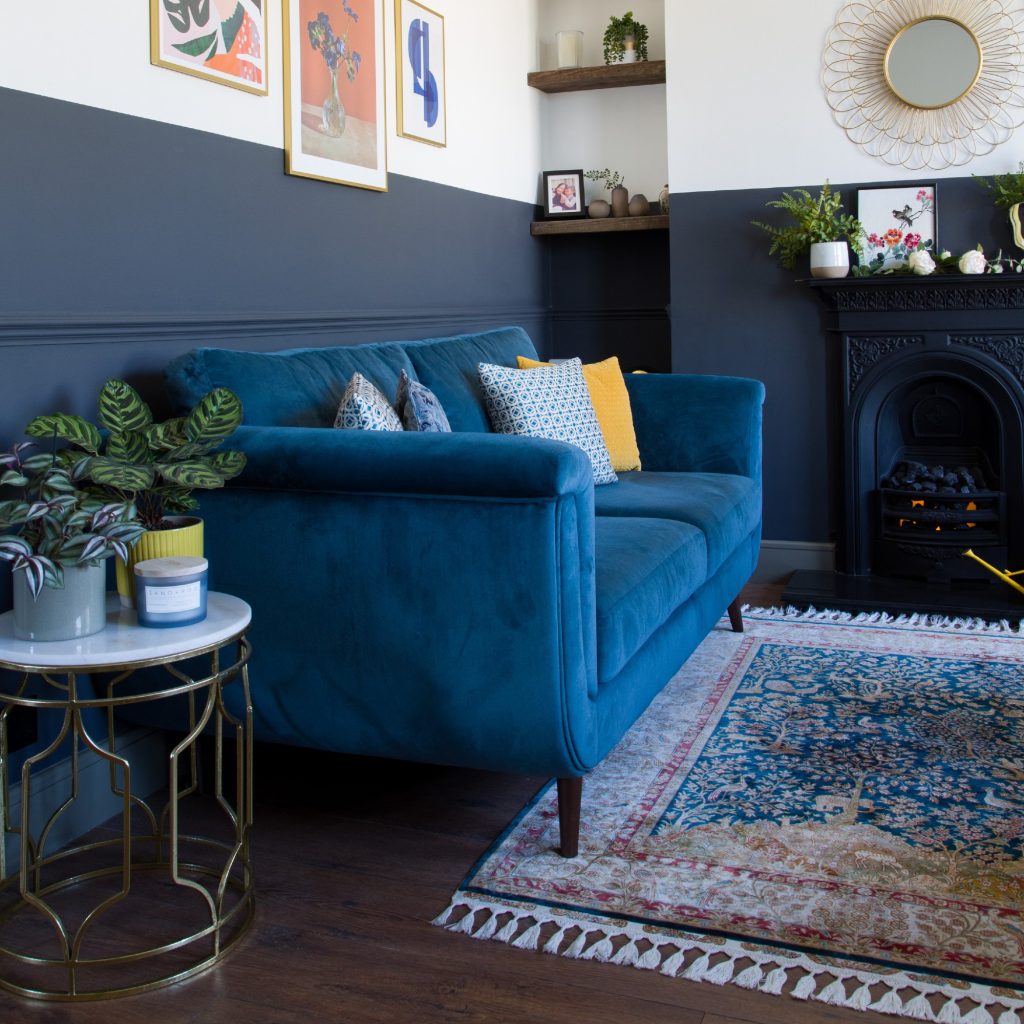
Imagine walking into your living room and feeling an instant wave of calm and comfort. That’s the power of blue furniture.
Whether you want to create a peaceful retreat or add a bold splash of color, blue pieces can transform your space in ways you might not expect. If you’re wondering how to make blue furniture work for your style and home, keep reading.
You’ll discover simple tips and inspiring ideas to help you create a living room that feels just right for you.
Choosing The Right Shade Of Blue
Choosing the right shade of blue for your living room furniture shapes the room’s mood. Blue offers many tones, each with a unique feel. Picking the perfect shade helps create a space that feels calm, bright, or cozy. Understanding these options makes decorating easier and more fun.
Understanding Different Shades Of Blue
Blue ranges from light to dark. Light blues feel airy and fresh. Dark blues offer richness and depth. Mid-tone blues bring balance and calmness. Knowing these differences guides your choice.
Matching Blue With Room Lighting
Natural light changes how blue looks. Bright rooms suit cooler blues. Rooms with less light work well with warmer blues. Check how blue furniture looks at different times of day.
Considering Room Size And Blue Shades
Light blue makes small rooms feel bigger. Dark blue adds coziness to large rooms. Choose blue based on your room’s size and feel.
Pairing Blue With Other Colors
Blue blends well with neutrals like white and gray. It also pairs with warm colors like orange for contrast. Think about your wall colors and decor before choosing blue furniture.
Personal Style And Blue Tones
Select a blue shade that matches your taste. Soft blues suit classic styles. Bright blues fit modern, bold designs. Your style guides your choice.

Mixing Blue With Neutral Tones
Mixing blue with neutral tones creates a balanced and inviting living room that feels both fresh and timeless. Blue furniture grabs attention, but pairing it with softer shades like beige, white, or gray lets your room breathe. This combo helps you avoid overwhelming the space while keeping your style bold and modern.
Choosing The Right Neutrals To Complement Blue
Not all neutrals work equally well with blue. Warm neutrals like creamy beige or soft taupe add warmth and coziness to cooler blue tones. Cool neutrals such as light gray or crisp white maintain a clean, crisp look that highlights the blue’s vibrancy.
Think about the shade of blue you have. A navy sofa pairs beautifully with off-white walls and natural wood floors. For lighter blues, try sandy beige or light gray accents to keep the room feeling airy and calm.
Using Textures To Add Depth
Adding different textures in neutral tones can make your blue furniture pop even more. A linen beige rug, a wool gray throw, or a velvet cream cushion creates layers that invite touch and relaxation. This contrast in texture stops the room from looking flat or dull.
Next time you’re decorating, touch the fabrics and materials. Does the combination feel balanced and inviting? Texture is an easy way to bring personality without adding more color.
Balancing Bold Blue Pieces With Soft Neutrals
Blue furniture can feel bold, so balance it by keeping other elements soft and subtle. Paint your walls in soft neutral shades and choose curtains or lampshades in gentle tones to avoid competition with your blue pieces. This way, the blue stands out without overpowering the room.
Have you noticed how a striking blue armchair looks even more stunning against a pale gray wall? This contrast creates a focal point that draws the eye naturally and makes the space feel thoughtfully designed.
Adding Accents To Tie Blue And Neutrals Together
Small accents help connect your blue furniture and neutral backdrop. Use throw pillows, vases, or artwork that include both blue and neutral colors. This creates a cohesive look that feels intentional rather than random.
- Mix beige pillows with subtle blue patterns on your sofa
- Choose a neutral rug with hints of blue to ground the space
- Incorporate blue and white ceramics as decorative touches
These details make your living room feel complete and harmonious. What small accent could you add today to bring your blue and neutrals together?
Incorporating Textures And Patterns
Adding different textures and patterns to a living room with blue furniture can transform the space from simple to stunning. Texture and pattern bring depth and interest, making the room feel cozy and inviting. They help highlight your blue pieces without overwhelming the senses.
Mixing Soft And Rough Textures
Think about combining smooth velvet cushions with a chunky knit throw on your blue sofa. The contrast creates a tactile experience that invites touch and relaxation. You can also add a rough jute rug underfoot to balance the softness above.
Have you noticed how a variety of textures can make a space more dynamic? It’s not just about looks—textures add comfort and personality.
Using Patterns To Complement Blue Furniture
Patterns can echo or contrast your blue pieces to create visual harmony. Stripes, florals, or geometric prints on pillows or curtains can highlight the blue without clashing.
Try pairing a navy couch with pillows featuring subtle white or grey patterns. It keeps the focus on blue while adding visual interest. Would you prefer bold patterns or something more understated?
Balancing Bold And Subtle Elements
Too many patterns or textures can make a room feel chaotic. Balance bold prints with solid colors to keep your living room calm and stylish.
For example, if your blue furniture is patterned, choose plain textured throws or rugs. This balance ensures your space feels thoughtfully curated, not cluttered.
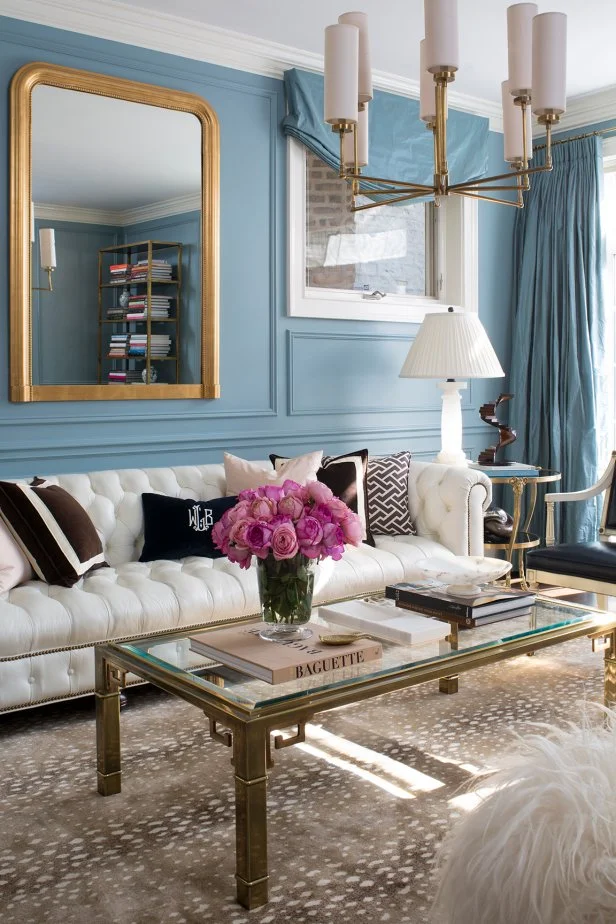
Accentuating With Metallic And Wooden Accents
Blue furniture in the living room creates a calm and stylish base. Metallic and wooden accents bring warmth and shine. They balance the coolness of blue and add rich texture. These accents make the space more inviting and elegant.
Using Metallic Accents To Brighten The Room
Metallic elements add sparkle and modern flair. Gold, silver, and copper work well with blue tones. Use metallic lamps, picture frames, or side tables. A metal coffee table catches light and draws attention. Small metallic decor pieces add subtle shine without overwhelming.
Incorporating Wooden Elements For Warmth
Wood adds natural warmth and earthiness. Choose wood with warm or medium tones to soften blue’s coolness. Wooden shelves, frames, or furniture legs create balance. A wooden floor or accent wall adds depth and comfort. Wood textures bring a cozy, grounded feel to the room.
Combining Metallic And Wooden Accents
Mixing metal and wood creates contrast and harmony. Pair a wooden side table with a metallic lamp. Use wooden frames alongside metallic decorative trays. The blend keeps the room lively and well-rounded. Balance is key: too much metal feels cold, too much wood can look heavy.
Enhancing With Complementary Colors
Choosing complementary colors can dramatically lift a living room with blue furniture. These colors sit opposite blue on the color wheel, creating a lively contrast that catches the eye. Using complementary colors smartly will help you create a balanced and inviting space without overwhelming your senses.
Understanding Blue’s Best Matches
Orange is the classic complementary color to blue. Adding touches of warm orange tones, like burnt orange cushions or terracotta pots, can warm up the coolness of blue furniture. You don’t have to go bold; soft apricot or peach shades work just as well to brighten the room subtly.
Adding Depth With Neutral Complements
Neutral colors like beige, cream, or taupe can act as a bridge between blue and its complementary tones. These shades soften the overall look and prevent clashing. For instance, a beige rug or cream curtains help your blue sofa stand out without creating too much contrast.
Using Accessories To Balance Color
- Throw pillows in rusty orange or burnt sienna
- Artwork featuring warm reds or soft yellows
- Wooden furniture with natural warm tones
These small additions make a big difference. You can change them seasonally to keep your room feeling fresh and tailored to your mood.
Experimenting With Textures And Patterns
Textures add another layer of interest when working with complementary colors. Pair a smooth blue velvet sofa with a rough orange wool throw or a patterned rug that mixes both colors. This keeps your room dynamic and tactile, inviting you to linger longer.
Have you tried combining unexpected shades with your blue furniture? Sometimes, stepping outside the usual color combos reveals a style that feels uniquely yours. What’s stopping you from mixing these colors in your next room update?

Optimal Lighting For Blue Interiors
Lighting plays a key role in enhancing blue furniture in your living room. It affects the mood and the look of the space. Proper lighting brings out the richness of blue hues. It balances the coolness and makes the room feel inviting.
Choosing the right light type helps highlight textures and colors. Soft lighting creates a calm, cozy atmosphere. Bright lighting adds energy and sharpness. The goal is to match lighting with the style and function of the room.
Natural Light Benefits For Blue Interiors
Natural light makes blue colors appear fresh and lively. It reduces the need for artificial lights during the day. Position blue furniture near windows to catch sunlight. Use light curtains to soften harsh rays. Natural light creates a soothing and airy feel.
Warm Vs. Cool Artificial Lighting
Warm lighting adds a golden glow to blue tones. It creates a cozy and relaxing space. Cool lighting enhances the crispness of blues. It works well for modern and minimalist rooms. Use bulbs with different color temperatures to find balance.
Layered Lighting Techniques
Layered lighting combines ambient, task, and accent lights. Ambient light provides overall brightness. Task lighting focuses on reading or activities. Accent lighting highlights blue furniture or art pieces. This mix adds depth and dimension to the room.
Using Lamps And Fixtures For Blue Furniture
- Table lamps soften the light near blue sofas or chairs.
- Floor lamps add height and draw attention to furniture.
- Wall sconces create warm pools of light around blue accents.
- Chandeliers add elegance and illuminate larger spaces.
Selecting The Perfect Blue Furniture Pieces
Selecting the perfect blue furniture pieces can dramatically change the vibe of your living room. Blue is a versatile color that can evoke calmness, energy, or sophistication depending on the shade and style you choose. To make the best choice, consider how these pieces will fit with your existing décor and daily lifestyle.
Understanding Different Shades Of Blue
Blue comes in many shades, from soft pastels to deep navy. Light blues add a fresh, airy feel, perfect if you want your room to feel open and relaxing. Dark blues bring a bold, cozy atmosphere, ideal for creating a sense of comfort and elegance.
Think about the mood you want to set. Would you prefer a calming retreat or a striking statement? Your answer will guide your shade selection.
Choosing The Right Furniture Style
The style of blue furniture impacts both function and appearance. Modern pieces with clean lines suit a minimalist space, while vintage or rustic styles add character and warmth. Don’t forget about the size of each piece—too large might overwhelm, too small may feel out of place.
Ask yourself: Does this style match your personality and how you use your living room? Your furniture should feel like a natural extension of your life.
Balancing Blue With Other Colors And Textures
Blue furniture works best when balanced with complementary colors and textures. Soft neutrals like whites, creams, and grays provide a calm backdrop, letting blue stand out without clashing. Adding different textures—such as a velvet sofa paired with a wooden coffee table—creates visual interest and comfort.
Could mixing textures and colors help your blue furniture shine instead of blend in? Experiment to find a combination that feels right for you.
Considering Practicality And Maintenance
Think about how much use your blue furniture will get. If you have kids or pets, opt for durable fabrics and finishes that resist stains and wear. For example, microfiber or leather in navy blue can be both stylish and easy to clean.
Is your blue furniture practical enough for your daily life? Choosing pieces that fit your routine keeps your living room looking great longer.
Arranging Furniture For Maximum Impact
Arranging blue furniture in your living room is more than just placing pieces around the space. It’s about creating a balanced and inviting atmosphere that highlights the unique charm of blue tones. Thoughtful arrangement can make your room feel larger, cozier, and more connected to your lifestyle.
Consider The Room’s Focal Point
Start by identifying the natural focal point of your living room. It might be a fireplace, a large window, or a TV. Position your blue sofa or chairs facing this spot to draw attention and encourage conversation.
Have you noticed how a well-placed piece of furniture can instantly make the room feel complete? Aligning your largest blue furniture with the focal point creates harmony and purpose.
Balance Color And Space
Blue furniture stands out, so balance it with neutral walls and flooring. Leave enough space around each piece to avoid overcrowding. This allows the blue tones to breathe and shine without overwhelming the room.
Think about how you move through the space. Is there enough room to walk comfortably without bumping into furniture? Clear pathways enhance both comfort and style.
Mix Different Shades And Textures
Don’t stick to one shade of blue. Mixing navy, sky blue, or teal pieces creates depth and interest. Pair these with different textures like velvet cushions or wooden legs to add warmth and tactile appeal.
Have you tried layering cushions or throws on your blue sofa? Small changes like these can transform the entire look and feel of your living area.
Use Rugs And Accessories To Anchor Furniture
Place a rug under your blue furniture to define the seating area and add coziness. Choose rugs with subtle patterns or neutral colors to complement rather than compete with the blue.
Accessories like lamps, coffee tables, or plants placed strategically can connect blue furniture to the rest of the room. These small touches help create a cohesive and welcoming space.
Accessorizing With Blue Decor Elements
Accessorizing your living room with blue decor elements can elevate the space and create a harmonious look. Blue is a versatile color that works well with different styles and moods. Adding blue accents helps tie together your blue furniture, making the room feel complete and thoughtfully designed.
Choosing The Right Shades Of Blue
Not all blues are the same. You can mix light blues, navy, and turquoise to add depth and interest. Try pairing your furniture’s blue tone with accessories in complementary shades to avoid a flat look.
Think about the atmosphere you want: soft blues create calmness, while brighter blues bring energy. What feeling do you want your living room to convey?
Using Blue Throw Pillows And Rugs
Throw pillows are an easy way to add blue without overwhelming the space. Mix different textures and patterns in blue to make the seating area inviting.
Blue rugs can anchor your room and add warmth underfoot. Choose a pattern that reflects your style—geometric for modern or floral for a cozy vibe.
Incorporating Blue Artwork And Wall Decor
Blue artwork can become a focal point that complements your furniture. Look for pieces that balance blues with other colors you like.
Wall decor like mirrors with blue frames or blue-toned prints can subtly reinforce your color scheme. How can you use these to draw attention to your favorite spots?
Adding Blue Lighting And Accessories
Blue lampshades or candles add ambiance and a soft glow to your living room. Small accessories like vases, bowls, or picture frames in blue bring cohesion without clutter.
Try placing blue items in unexpected places—on shelves, side tables, or mantels—to surprise your guests and keep the room dynamic.
Seasonal Updates For A Fresh Look
Refreshing your living room with blue furniture can feel like a big change. But updating your space for each season keeps it lively and inviting without a full makeover. Small tweaks can bring new energy and highlight your blue pieces beautifully.
Switching Textiles for Comfort and StyleChanging cushions and throws is a simple way to update your blue furniture. In warmer months, choose light fabrics like linen or cotton in white or pastel shades to brighten the room. When colder weather arrives, swap them for cozy wool or velvet in deeper tones like mustard or burnt orange.
Have you tried mixing patterns with your blue sofa? Stripes or florals in seasonal colors can add interest without overwhelming your space.
Adding Seasonal Decor AccentsSmall decor items can shift your room’s vibe to match the season. Use vases filled with fresh spring flowers, autumn leaves, or winter berries. Candles and lanterns in seasonal scents enhance the atmosphere and complement the blue furniture’s calmness.
Think about the balance between your blue furniture and the colors in these accents. How can you highlight your furniture without clashing?
Lighting Adjustments for Mood and FunctionLighting changes with seasons—longer days call for lighter, airier lighting, while shorter days benefit from warm, layered light sources. Try sheer curtains to let in natural light during spring and summer. In fall and winter, add table lamps or floor lamps with warm bulbs to create a cozy glow around your blue seating.
Have you noticed how different lighting changes the perception of your blue furniture’s shade?
Frequently Asked Questions
What Colors Complement Blue Furniture In Living Rooms?
Neutral shades like white, beige, and gray complement blue furniture. Warm tones like mustard or burnt orange add contrast. These combinations create balance and enhance the room’s ambiance. Using metallic accents like gold or silver also pairs well with blue furniture.
How To Style A Living Room With Blue Furniture?
Use light-colored walls to make blue furniture stand out. Add textured rugs and throw pillows for depth. Incorporate plants for natural contrast. Keep décor simple to avoid overwhelming the space. Layer lighting for a cozy, inviting atmosphere.
Is Blue Furniture Suitable For Small Living Rooms?
Yes, blue furniture works well in small rooms. Opt for lighter blue shades to keep the space airy. Choose sleek, compact furniture designs to maximize room. Reflective surfaces and mirrors also help open up the area visually.
What Are Popular Blue Furniture Styles?
Popular styles include mid-century modern, coastal, and contemporary. Each style uses blue in different textures and finishes. Velvet and linen are common upholstery fabrics. These styles suit various living room aesthetics effectively.
Conclusion
Blue furniture adds calm and style to your living room space. It pairs well with many colors and designs. Soft cushions and simple decor make the room feel cozy. Choose shades of blue that match your personality. Play with patterns or keep it plain for balance.
A blue-themed room invites relaxation and warmth. Your living room can be both fresh and inviting. Enjoy the peaceful vibe that blue furniture brings. This choice creates a beautiful and comfortable home spot.