
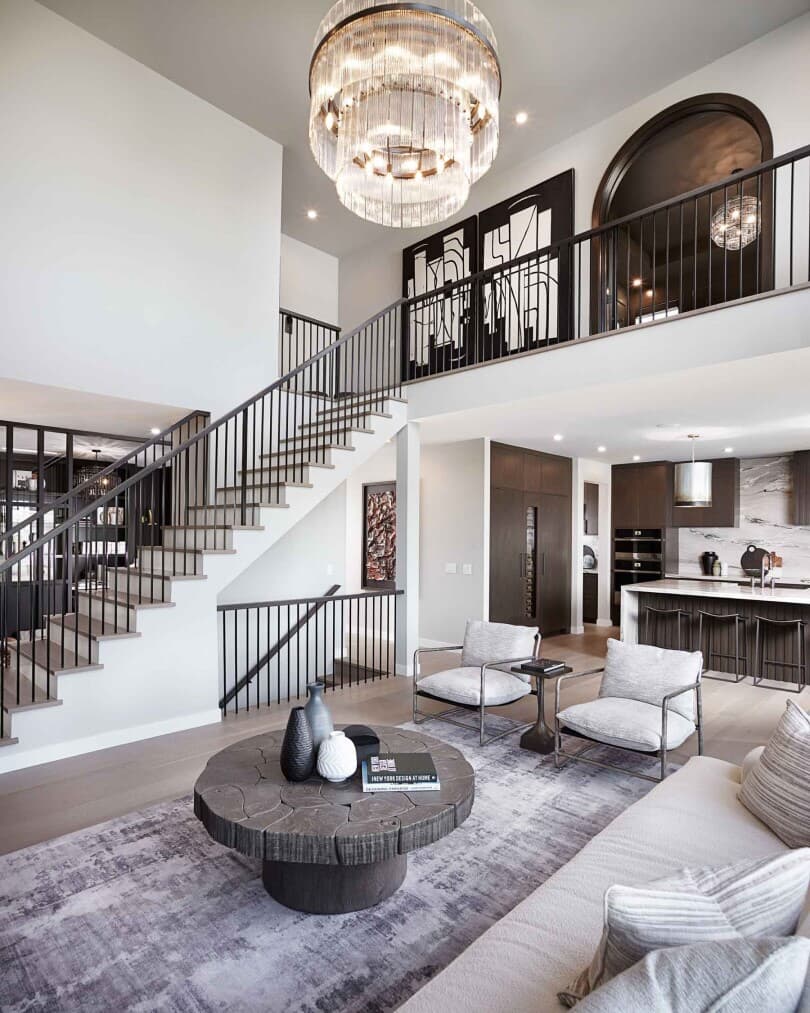
Your living room is more than just a space—it’s where you relax, entertain, and create memories. But figuring out the perfect furniture setup can feel overwhelming.
What if you could arrange your furniture to make your room feel bigger, cozier, and more inviting all at once? You’ll discover easy and smart living room furniture set up ideas that transform your space without spending a fortune. Keep reading, and you’ll soon have a living room that truly feels like home.
Choosing The Right Layout
Choosing the right layout for your living room furniture sets the foundation for a comfortable and functional space. It’s not just about fitting pieces in; it’s about arranging them in a way that supports how you live and interact in the room. Think about your daily routines and how you want the space to feel before placing each item.
Maximize Space With Furniture Placement
Start by identifying the focal point of your living room—whether it’s a fireplace, TV, or a large window. Position your largest furniture pieces, like the sofa, facing or near this focal point to anchor the room.
Use smaller chairs or ottomans to fill empty corners without overcrowding. Avoid pushing everything against the walls; floating furniture away from walls can create a sense of openness and flow.
Consider multi-purpose furniture, such as storage ottomans or nesting tables, to save space without sacrificing functionality.
Create Conversation Zones
Arrange your seating to encourage easy conversation. Group chairs and sofas so people face each other comfortably, keeping the distance close enough to hear without raising voices.
Use rugs or lighting to define these zones visually. A well-placed coffee table can anchor the conversation area and provide a surface for drinks and decor.
Think about how many people you typically entertain. Does your current setup invite conversation, or do guests feel isolated? Adjust your layout to bring people together naturally.
Balance Traffic Flow
Clear pathways through your living room help maintain a smooth flow of movement. Avoid blocking entrances or walkways with bulky furniture.
Leave at least 2 to 3 feet of walking space between pieces. This keeps the room feeling open and accessible, preventing awkward navigation around furniture.
Try to visualize how you and your guests move through the room. Is there a natural path that feels intuitive? Arrange furniture to support these routes rather than obstruct them.
Selecting Furniture Styles
Choosing the right furniture style sets the tone for your entire living room. It affects how comfortable and inviting the space feels. Knowing what style suits your personality and daily needs can make arranging your furniture easier and more enjoyable.
Modern Minimalist Options
Modern minimalist furniture focuses on clean lines and simple shapes. Think sleek sofas with neutral colors and minimal decoration. This style helps create a calm, clutter-free environment that makes your room feel larger and more open.
Look for pieces made from materials like metal, glass, or light wood to keep the space airy. A low-profile sofa paired with a slim coffee table can instantly refresh your living room. Have you tried using hidden storage options? They keep essentials out of sight and maintain that minimalist vibe.
Cozy Traditional Pieces
Traditional furniture brings warmth and comfort with its rich fabrics and classic designs. Soft armchairs, wooden coffee tables, and patterned rugs invite you to relax and stay awhile. This style often features darker woods and detailed craftsmanship that adds character.
Mixing plush cushions with a sturdy loveseat creates a welcoming corner for family and friends. You might find that traditional styles encourage longer conversations and slower evenings. How can you balance heavy pieces with lighter accents to avoid a crowded look?
Eclectic Mix And Match
Eclectic style lets you combine different furniture types and eras for a unique, personalized space. Don’t be afraid to pair a vintage armchair with a modern sofa or a rustic table with sleek lamps. This approach turns your living room into a creative expression of your taste.
Use color and texture to tie the pieces together, so the room feels intentional, not chaotic. Personal items like books, art, and plants add layers that make your space truly yours. What unexpected items could you add to spark conversation and showcase your personality?
Incorporating Multifunctional Furniture
Incorporating multifunctional furniture into your living room boosts both style and utility. These pieces serve more than one purpose, saving space and reducing clutter. Choose furniture that blends comfort with clever design to enhance your room’s functionality.
Multifunctional furniture adapts to different needs and occasions. It helps keep your living space organized and inviting. This approach suits small apartments and large homes alike.
Storage-friendly Sofas
Storage-friendly sofas provide hidden compartments for blankets, pillows, or magazines. They keep your living room tidy without extra shelves. Some models include pull-out beds, perfect for guests. This furniture combines comfort with smart storage options.
Expandable Coffee Tables
Expandable coffee tables adjust in size for different uses. They offer more surface area during gatherings or meals. Many designs include built-in storage for remotes or books. This piece adapts easily to your daily needs.
Convertible Seating Solutions
Convertible seating transforms from chairs to beds or ottomans. These pieces maximize seating without crowding the room. They are ideal for small spaces or flexible living areas. Convertible furniture offers comfort and convenience in one.
Choosing Colors And Textures
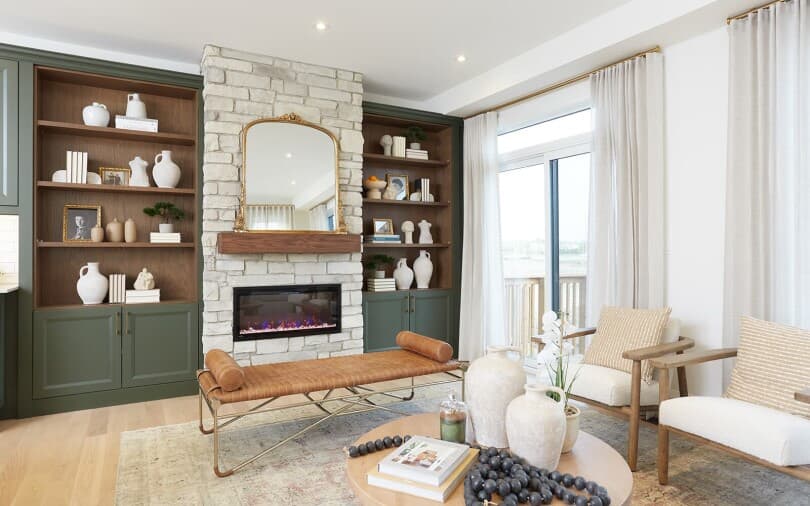
Choosing the right colors and textures for your living room furniture set up can change the entire mood of the space. The combination you pick affects how comfortable and inviting your room feels. It also reflects your style and personality, so don’t be afraid to experiment and make choices that resonate with you.
Neutral Palettes For Calm Spaces
Neutral colors like beige, gray, and soft whites create a soothing backdrop for your living room. These shades make the space feel airy and open, perfect if you want a calm and relaxing environment.
Try pairing a light gray sofa with cream-colored cushions and a soft wool rug. This combo invites you to unwind after a long day. Adding subtle texture, like a linen throw or a jute basket, keeps the room from feeling flat.
Bold Accents For Personality
If you want your living room to pop, bold colors are your best friend. Think deep blues, rich greens, or vibrant reds on accent chairs or throw pillows. These choices bring energy and character to your space.
Don’t hesitate to mix a bright yellow ottoman with a neutral sofa. It creates a focal point and sparks conversation. What color makes you feel most alive when you walk into a room?
Mixing Fabrics And Materials
Textures add depth and interest beyond color. Combining smooth leather with soft velvet or rough linen keeps your living room engaging to the eye and touch.
Try a leather couch with velvet cushions and a wooden coffee table. This mix balances comfort and style effortlessly. Think about how different textures feel—do they invite you to sit down and relax?
Lighting To Enhance The Mood
Lighting plays a key role in setting the mood of your living room. It can make the space feel cozy, bright, or even dramatic. Thoughtful lighting choices help highlight your furniture and decor. They also create a welcoming atmosphere for relaxing or entertaining guests. Use different types of light to build a balanced and inviting space.
Layered Lighting Techniques
Layered lighting combines ambient, task, and accent lights. Ambient light provides overall brightness. Task lighting focuses on specific activities like reading. Accent lights highlight artwork or architectural features.
- Use ceiling lights or recessed lights for ambient glow.
- Place table lamps or floor lamps near seating areas.
- Add wall sconces or spotlights to emphasize decor.
This mix creates depth and flexibility. Adjust lights to suit different moods and needs.
Statement Light Fixtures
Statement fixtures act as focal points in the room. They draw attention and add personality. Choose styles that match your decor theme.
- Chandeliers bring elegance and charm.
- Bold pendant lights add modern flair.
- Unique lamps or sculptural fixtures offer artistic touch.
Place them above coffee tables or seating groups. This enhances the room’s style and mood instantly.
Natural Light Optimization
Natural light brightens the room and lifts spirits. Maximize window exposure for fresh, soft illumination.
- Use sheer curtains to diffuse harsh sunlight.
- Keep windows clean to allow more light inside.
- Arrange furniture to face windows for warmth and view.
Natural light changes throughout the day. It adds life and comfort to your living room setting.
Accessorizing Your Setup
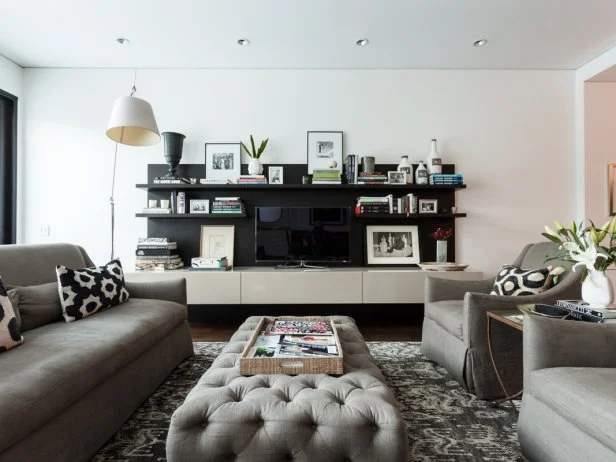
Accessorizing your living room setup can completely transform the space and make it uniquely yours. Small details bring warmth, personality, and functionality to the room. Choosing the right accessories helps you highlight your furniture arrangement and create a comfortable, inviting atmosphere.
Area Rugs To Define Zones
Area rugs are more than just floor coverings—they visually separate different parts of your living room. Use a rug to anchor your seating area or to create a cozy reading nook. Pick rugs that complement your furniture colors and textures to tie the room together.
Have you ever noticed how a well-placed rug can make your space feel more organized? It also adds softness underfoot and can reduce noise, which makes your living room more enjoyable.
Artwork And Wall Decor
Walls are a perfect canvas to express your style. Choose artwork that reflects your personality or sparks conversation. Whether it’s a bold painting, a gallery wall, or framed photos, art adds depth and interest to your setup.
Think about the scale and placement of your wall decor. Large pieces work well above sofas, while smaller items can fill gaps or create patterns. What story do you want your walls to tell?
Throw Pillows And Blankets
Throw pillows and blankets are easy ways to add color, texture, and comfort. Mix different sizes and patterns to create a layered, inviting look. Soft blankets draped over a chair or sofa invite relaxation and warmth.
Changing these accessories seasonally or whenever you want a fresh vibe keeps your living room feeling new. Have you tried swapping pillow covers to update your space without spending much?
Tips For Small Living Rooms
Small living rooms can feel cramped without smart planning. Choosing the right furniture and decor helps create a cozy and open space. Simple tricks can make your room look bigger and more inviting.
Compact Furniture Choices
Pick furniture that fits well and saves space. Use smaller sofas or loveseats instead of large couches. Look for pieces with slim arms and legs to keep the room airy. Multi-functional furniture like ottomans with storage or fold-out tables work great. Avoid bulky items that block walking paths.
Using Mirrors To Expand Space
Mirrors reflect light and create a sense of depth. Place a large mirror opposite a window to double natural light. Use mirrored furniture or decor to add sparkle without crowding. Wall-mounted mirrors take up no floor space. This simple trick makes small rooms feel larger and brighter.
Vertical Storage Ideas
Use your walls to free up floor space. Install floating shelves to store books, plants, or decorations. Tall cabinets draw the eye upward and add storage without widening the room. Hooks and pegboards keep items off surfaces and organized. Vertical storage keeps your living area neat and open.
:max_bytes(150000):strip_icc()/CarinaSkrobeckiPhoto_JessicaNelsonDesign_252222ndAve_01-47bc103d13e34f8d89179a86e968e7eb-5b0a8608f5c64a999203309e3fd0af57.jpg)
Frequently Asked Questions
How Do I Arrange A Small Living Room Furniture Set?
To arrange a small living room, use multi-functional furniture. Place larger pieces against walls. Keep pathways clear. Use light colors to create space. Add mirrors for depth. Prioritize essential items and avoid clutter.
What Is The Best Furniture Layout For A Living Room?
The best layout creates balance and flow. Position seating around a focal point like a fireplace or TV. Use area rugs to define spaces. Ensure easy movement between furniture. Mix different furniture sizes for interest and comfort.
How Can I Make My Living Room Furniture More Inviting?
Choose comfortable seating with soft cushions. Add throw pillows and blankets. Use warm lighting like lamps and candles. Incorporate personal decor items. Arrange furniture to encourage conversation. Keep the space tidy and welcoming.
Which Furniture Pieces Are Essential For A Living Room?
Essential pieces include a sofa, chairs, coffee table, and storage units. Add side tables and lighting for functionality. Choose items that match your lifestyle and space size. Quality and comfort should guide your selections.
Conclusion
Choosing the right furniture arrangement brings comfort and style together. Small changes can make your living room feel bigger and brighter. Think about how you use the space every day. Place furniture where it invites conversation and easy movement. Soft lighting and cozy textures add warmth and charm.
Your living room can become a place to relax and enjoy time with family. Try different setups until it feels just right for you. Simple ideas often create the best, most welcoming rooms. Keep your space neat and personal for lasting happiness.