
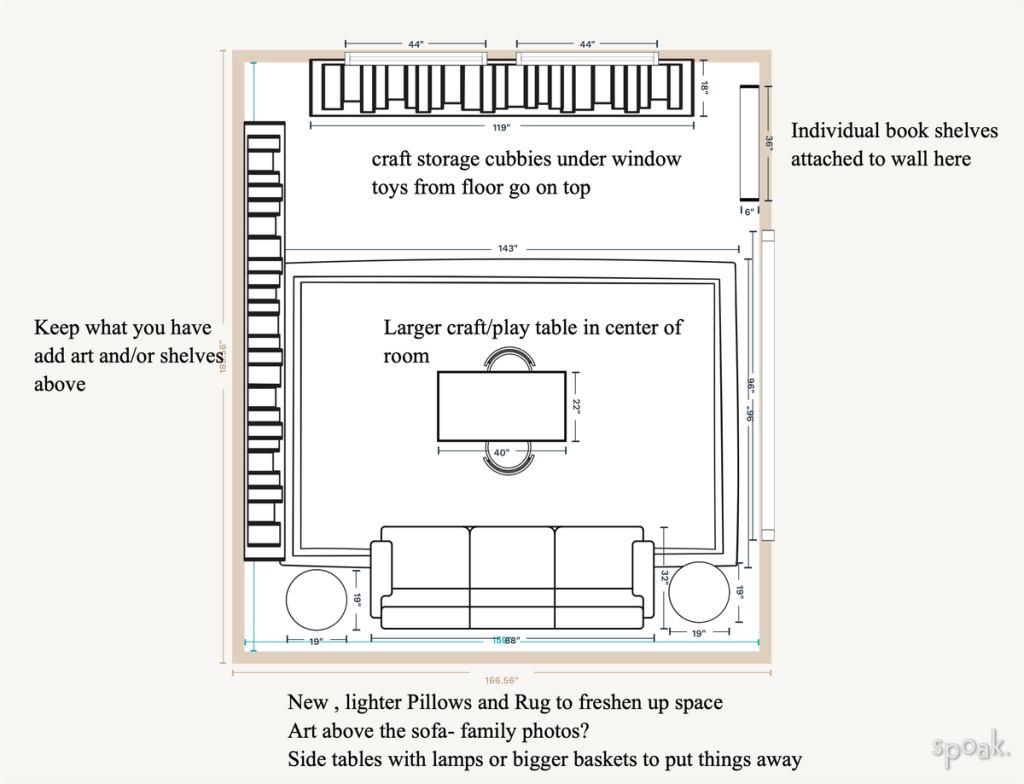
Your living room is more than just a space—it’s where you relax, connect, and create memories. But without the right furniture layout plan, it can feel cramped, confusing, or just plain uncomfortable.
Imagine walking into your living room and instantly feeling calm and welcome. That’s exactly what a smart furniture layout can do for you. You’ll discover simple, effective ways to arrange your furniture that make your room look spacious, feel cozy, and work perfectly for your lifestyle.
Ready to transform your living room into your favorite spot at home? Let’s dive in.
Choosing The Right Focal Point
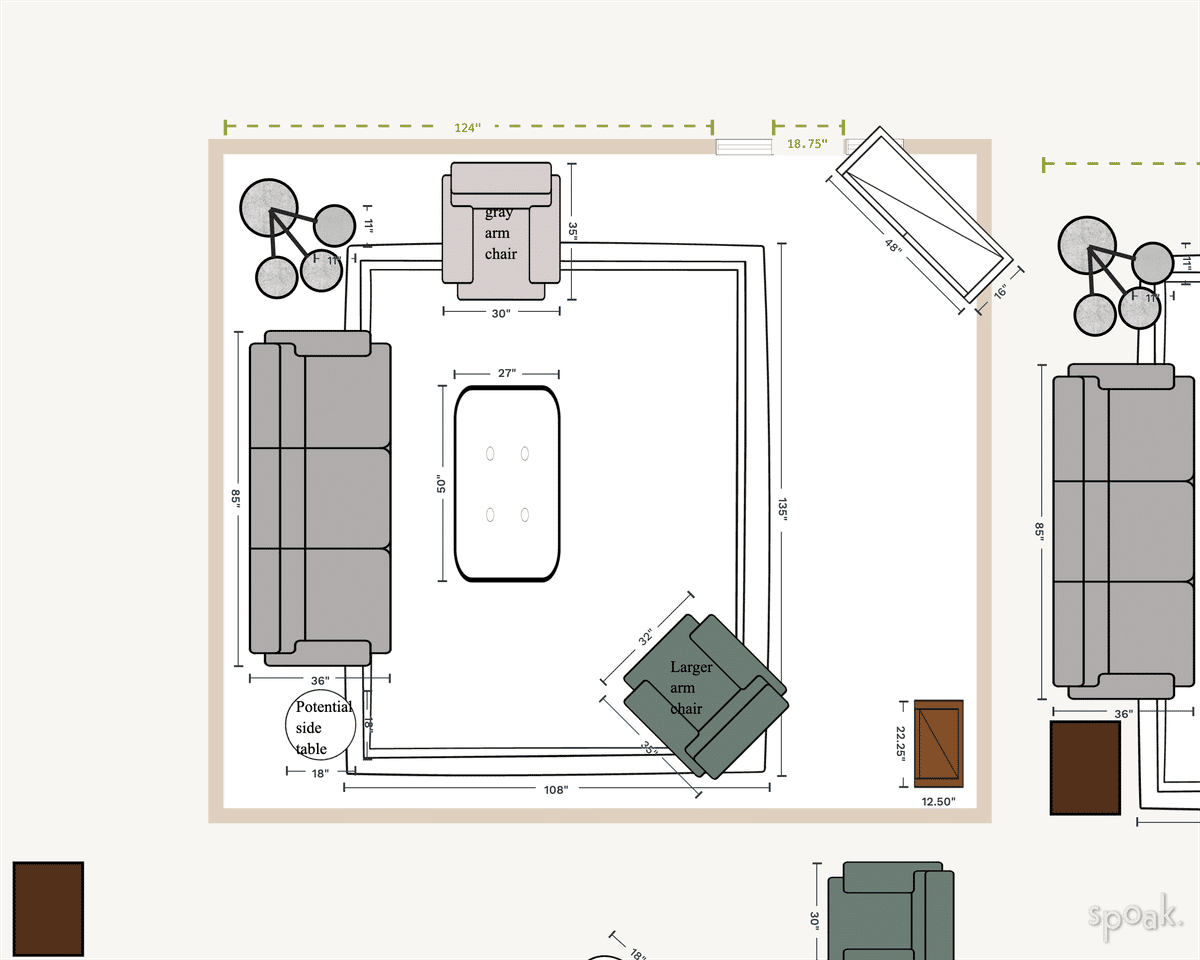
Choosing the right focal point shapes the entire living room layout. It draws attention and sets the room’s mood. A clear focal point helps arrange furniture naturally. It creates balance and guides movement in the space. The right focal point can highlight your style and make the room feel cozy.
Understanding Different Types Of Focal Points
Focal points can be many things. A fireplace creates warmth and draws eyes. Large windows show outdoor views and natural light. Artwork adds color and personality. A bold piece of furniture can also serve as a center of interest. Pick a focal point that fits your room’s style and size.
How To Position Furniture Around The Focal Point
Arrange sofas and chairs facing the focal point. Keep pathways clear for easy movement. Balance the layout by spreading seating evenly. Smaller pieces like side tables or lamps should complement, not block, the focal area. This setup invites conversation and comfort.
Tips For Enhancing Your Focal Point
- Use lighting to highlight the focal point.
- Add contrasting colors or textures nearby.
- Keep clutter away to maintain focus.
- Use rugs or furniture placement to frame the area.
- Update decor seasonally to keep the space fresh.
Arranging Seating For Comfort
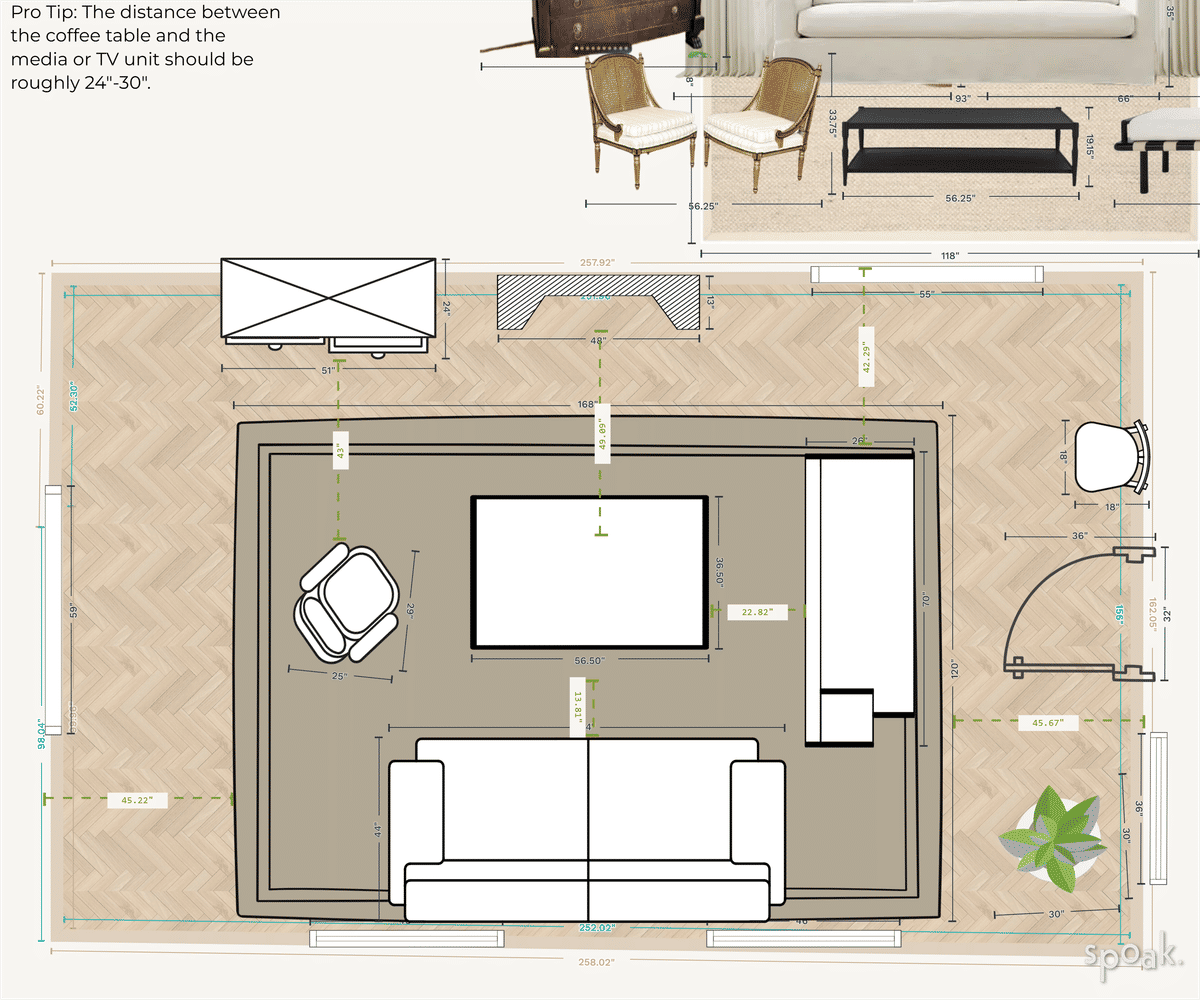
Arranging seating for comfort in your living room is more than just placing furniture. It’s about creating a space where you and your guests feel relaxed and connected. Thoughtful seating layouts can enhance conversations, improve traffic flow, and make your living room the go-to spot for unwinding.
Optimizing Sofa Placement
Start by positioning your sofa where it naturally invites people to sit. Facing a focal point like a fireplace, TV, or a window view encourages everyone to gather comfortably.
Leave enough space around the sofa for easy movement—about 18 inches from a coffee table is ideal. This keeps the area open without feeling cramped.
Think about how light falls in your room. Placing the sofa near a source of natural light can boost mood and make the space feel inviting.
Incorporating Armchairs And Recliners
Adding armchairs or recliners gives your living room flexibility and extra comfort. Position them to create a conversational circle or semi-circle around the sofa.
Make sure these seats don’t block walkways. Allow about 24 inches of clearance for smooth passage.
Try mixing different chair styles for a cozy, personalized touch. A recliner in the corner can serve as your favorite reading nook, while an armchair opposite the sofa balances the room’s layout.
Utilizing Space With Coffee Tables
Coffee tables are more than just a centerpiece in your living room—they can define how you use your space. Choosing the right coffee table can help you maximize your room’s functionality without overcrowding it. Let’s look at how you can make the most of this essential piece.
Selecting The Perfect Size
Size matters when it comes to coffee tables. Too big, and your living room feels cramped; too small, and it looks out of place. Measure the space between your seating carefully—ideally, leave about 18 inches between the sofa and the table for easy movement.
Consider the shape as well. Round tables work well in smaller rooms, reducing sharp corners and improving flow. Rectangular or square tables suit larger spaces and provide more surface area for your essentials.
Balancing Aesthetics And Functionality
Your coffee table should look good and serve a purpose. Think about what you regularly use it for—holding drinks, storing magazines, or displaying decor. Tables with built-in shelves or drawers offer extra storage without adding clutter.
Material choice also affects both style and usability. Glass tops create an open feel but require frequent cleaning, while wood offers warmth and durability. Ask yourself: does your table support your daily habits or just fill space?
-1.png)
Incorporating Side Tables And Consoles
Adding side tables and consoles to your living room layout can transform both its functionality and style. These pieces offer practical surfaces for everyday items while also allowing you to express your personal taste. Thoughtful placement ensures they serve your needs without cluttering the space.
Enhancing Accessibility
Side tables placed next to sofas or chairs provide a convenient spot for drinks, books, or remote controls. This makes your living room more user-friendly and reduces the need to get up frequently. Consoles positioned behind seating or along walls can hold essentials within arm’s reach, keeping the room organized.
Consider the height of your side tables relative to your seating. Tables that are too low or too high can be awkward to use. A well-chosen table height supports ease of access and comfort during gatherings or quiet evenings.
Styling For Visual Appeal
Side tables and consoles don’t just serve a purpose—they add character to your space. Mixing materials like wood, metal, and glass can create a layered look that feels inviting. Use them to display decorative items such as plants, lamps, or art pieces that reflect your personality.
Try balancing symmetry and asymmetry by pairing matching side tables with a unique console or vice versa. This approach keeps your layout dynamic without overwhelming the room. Have you noticed how a well-placed console can anchor a wall and give the room a polished finish?
Integrating Storage Solutions
Integrating storage solutions into your living room furniture layout is key to keeping the space organized and comfortable. Without smart storage, clutter can quickly take over, making your living room feel cramped and chaotic. Thoughtful storage options help you maintain a clean look while keeping essentials within easy reach.
Choosing Multi-functional Furniture
Multi-functional furniture saves space and adds convenience. Think of a coffee table with hidden compartments or an ottoman that doubles as a storage box. These pieces let you store blankets, magazines, or remote controls without sacrificing style.
I once struggled with scattered toys and books in my living room until I switched to a sofa with built-in storage underneath. It made a huge difference in tidiness and freed up floor space for guests. Could your living room benefit from furniture that serves more than one purpose?
Maximizing Wall Space
Walls offer untapped storage potential. Installing shelves or wall-mounted cabinets keeps items off the floor and opens up more living space. Use floating shelves to display books, plants, or decorative boxes that hide smaller items.
Hooks and pegboards are also great for holding keys, bags, or headphones right where you need them. Have you checked your walls lately for storage opportunities? Sometimes, just looking up can reveal new ways to organize your living room efficiently.
Lighting For Ambiance And Function
Lighting shapes the mood and usability of your living room like nothing else. It sets the tone for relaxation or lively gatherings while making sure you can see clearly when needed. Balancing ambiance and function requires thoughtful planning of your light sources and their placement.
Layering Light Sources
Relying on a single overhead light leaves your living room feeling flat and uninspired. Instead, add multiple light layers to create depth and flexibility.
- Ambient lighting:This is your main source, like ceiling fixtures or recessed lights, which provide overall illumination.
- Task lighting:Use table lamps or floor lamps near seating areas to help with reading or hobbies.
- Accent lighting:Spotlights or LED strips highlight artwork, plants, or architectural features, adding interest.
Think about how you use your living room throughout the day. Can you switch between bright and soft lighting? This control helps you adapt the room to different moods or activities.
Highlighting Key Areas
Identify the spots in your living room that deserve attention and make them stand out with lighting. This helps organize the space visually and functionally.
- Place a warm-toned lamp near your favorite reading chair to create a cozy nook.
- Use directional lights to emphasize a gallery wall or a unique piece of furniture.
- Consider under-cabinet or shelf lighting to brighten dark corners or display collections.
Have you noticed how some rooms feel instantly inviting? Often, it’s the clever use of light drawing you toward specific areas. Try shifting your lighting focus and see how it changes your room’s vibe.
Balancing Decor Elements
Balancing decor elements in a living room creates harmony and comfort. Each piece should complement others in size, color, and style. A well-balanced space feels inviting and looks polished. The right mix of textures, colors, and art helps achieve this balance. Focus on key elements that define the room’s personality and flow.
Incorporating Rugs And Textiles
Rugs and textiles add warmth and softness to any living room. They define areas and anchor furniture pieces. Choose rugs that fit the room size and furniture layout. Soft cushions and throws bring color and texture. Layering textiles adds depth without clutter. Match textiles to the room’s color palette for unity. Patterns can create interest but keep them subtle. Natural fabrics often work best for comfort and style.
Displaying Art And Accessories
Art and accessories personalize the living room and add visual interest. Use wall art to draw attention and set a tone. Vary the size and style of frames for dynamic appeal. Place accessories like vases or books in groups for balance. Avoid overcrowding surfaces to maintain a clean look. Choose items that reflect your style and the room’s mood. Symmetry or asymmetry both work when carefully planned.
Creating Flow And Movement
Creating flow and movement in your living room layout is essential for a comfortable and inviting space. It helps everyone move around easily without bumping into furniture or feeling cramped. When your furniture encourages natural movement, your living room becomes more functional and enjoyable.
Establishing Clear Pathways
Clear pathways guide people through the room smoothly. Keep at least 2 to 3 feet of walking space between furniture pieces. This spacing prevents crowding and makes the room feel open.
Think about the main routes people take, like from the entrance to the sofa or from the sofa to the TV. Arrange your furniture so these paths aren’t blocked. If you have a coffee table, make sure it doesn’t force you to squeeze past.
Try imagining walking through the room before moving the furniture. Does anything feel awkward or tight? Adjust your layout until those paths feel natural and easy to navigate.
Adjusting Layout For Traffic
Traffic flow changes depending on how many people use the room and what activities happen there. If your living room is a hub for family gatherings, you may need more open space for people to move freely.
Position seating to face each other without blocking entrances or exits. This setup invites conversation while keeping the flow intact. Avoid placing large furniture right in front of doorways; it can create bottlenecks.
Sometimes a small shift makes a big difference. Moving a chair a few inches or swapping the position of a side table can open up the room instantly. Ask yourself, “Is this layout making it easy or hard for everyone to move around?”
Personalizing With Style
Personalizing your living room furniture layout is key to creating a space that feels uniquely yours. It’s about more than just arranging sofas and chairs; it’s about weaving your personality into every corner. This makes your living room not only inviting but also a genuine reflection of your style and lifestyle.
Reflecting Personal Taste
Your living room should speak to who you are. Choose furniture pieces that resonate with your favorite colors, textures, and shapes. If you love a cozy vibe, go for plush cushions and warm-toned fabrics.
Think about the art, photos, or mementos you want to display. These items add character and make the room feel lived-in. Don’t shy away from mixing styles if that’s what feels right to you—modern chairs paired with a vintage coffee table can create a stunning balance.
Adapting To Seasonal Trends
Changing your living room layout slightly with the seasons can refresh the space without a full redesign. Swap out heavy throws and rugs for lighter fabrics in spring and summer to keep the room airy. Add candles and warm-toned pillows during fall and winter to bring coziness.
Consider the position of furniture too. Moving seating closer to a window in winter can maximize natural light and warmth. Have you ever noticed how a small shift in furniture can change the entire mood of a room? Try rearranging to suit the season and watch your space transform.
Frequently Asked Questions
How Do I Start A Living Room Furniture Layout Plan?
Begin by measuring your room’s dimensions and noting door and window locations. Sketch a floor plan to visualize furniture placement. Consider traffic flow and focal points for balanced arrangements that maximize space and comfort.
What Is The Best Furniture Layout For Small Living Rooms?
Use multi-functional pieces and arrange furniture against walls to open space. Opt for light, low-profile furniture to avoid clutter. Create zones for seating and activities while maintaining clear pathways for easy movement.
How To Arrange Furniture For Optimal Conversation?
Place seating pieces facing each other or at right angles within 8 feet. Use a central coffee table to anchor the space. Avoid large gaps and ensure clear sightlines to encourage interaction and comfort.
What Role Does Lighting Play In Layout Planning?
Lighting highlights focal areas and affects room ambiance. Incorporate layered lighting: ambient, task, and accent. Position furniture near natural light sources and use lamps to brighten dark corners effectively.
Conclusion
A good living room layout makes your space feel open and cozy. Choose furniture that fits well and leaves room to move. Think about how you use the room every day. Arrange seating to invite talk and relax. Small changes can make a big difference.
Try different setups to find what works best. A clear plan helps your living room look neat and welcoming. Enjoy creating a space where everyone feels at home.