
Struggling to make your small living room feel cozy and stylish? You’re not alone.
Finding the right furniture that fits perfectly without crowding your space can be tricky. But imagine transforming your living room into a comfortable, inviting spot where every inch works for you. You’ll discover smart living room furniture ideas designed specifically for small spaces.
These tips will help you maximize your room’s potential and create a place you love coming back to. Keep reading, and unlock the secrets to a beautiful, functional living area that feels much bigger than it really is.
Choosing Compact Sofas
Choosing the right compact sofa is key for small living rooms. It saves space and keeps the room comfortable. Compact sofas offer style and function without crowding the area. They create a cozy seating spot and fit well in limited spaces.
Sectional Sofas For Flexibility
Sectional sofas can adapt to many room shapes. They come in small sizes perfect for tight corners. These sofas allow rearranging to fit your space and needs. You can separate pieces or join them for more seating.
Loveseats And Armchairs
Loveseats are smaller than regular sofas but still comfy. They fit well in narrow rooms or next to windows. Pairing a loveseat with an armchair offers varied seating. This combo helps keep the room open and inviting.
Sofa Beds For Dual Purpose
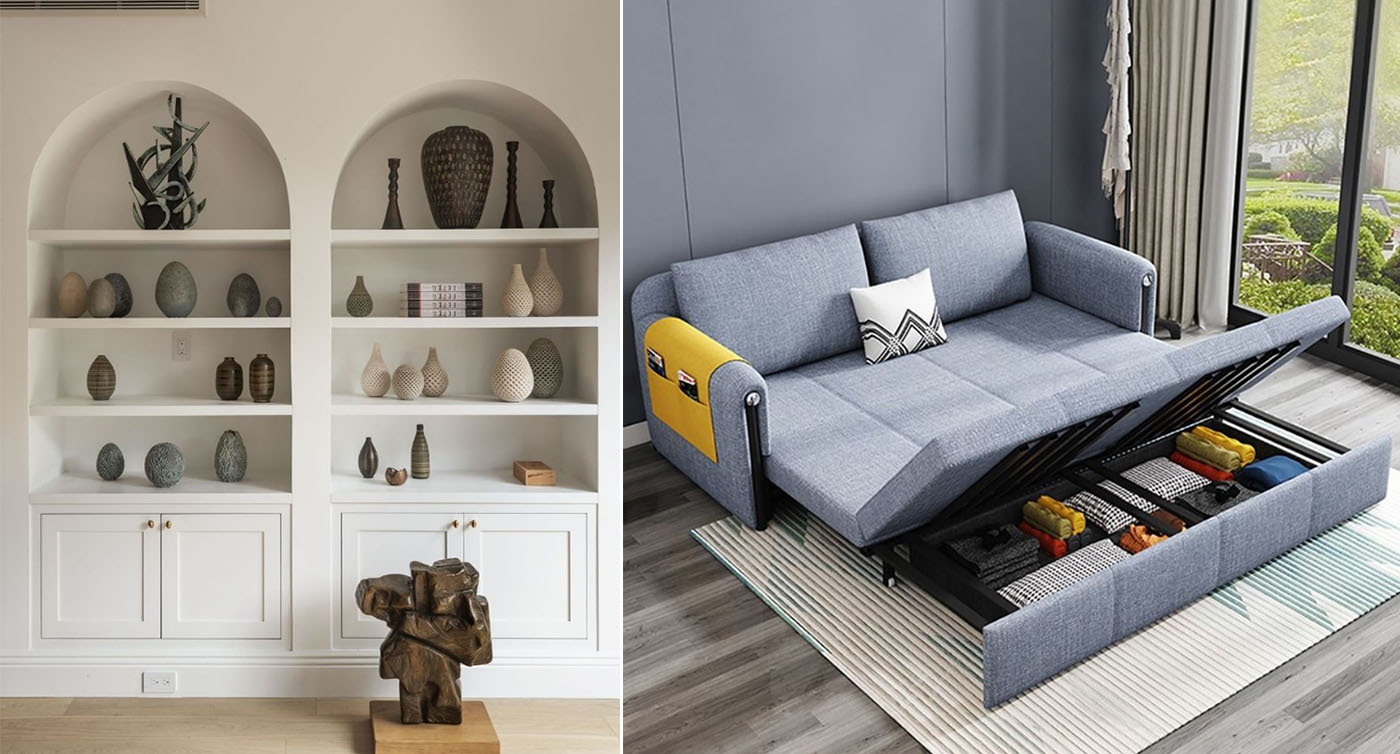
Sofa beds provide seating and a sleeping option. Ideal for small homes with guests or limited rooms. They save space by combining two functions in one piece. Choose a compact sofa bed with easy-to-use folding features.
:max_bytes(150000):strip_icc()/CarinaSkrobeckiPhoto_JessicaNelsonDesign_252222ndAve_01-47bc103d13e34f8d89179a86e968e7eb-5b0a8608f5c64a999203309e3fd0af57.jpg)
Smart Storage Solutions
Finding smart storage solutions is key to making your small living room feel open and organized. You need furniture that does more than just look good—it should help you store your things neatly and keep clutter out of sight. Choosing the right pieces can make a big difference in how spacious and comfortable your room feels.
Ottomans With Hidden Storage
Ottomans are a great choice because they serve multiple purposes. You can use them as extra seating, a footrest, or even a small table. The best part? Many ottomans come with hidden compartments inside, perfect for storing blankets, magazines, or remote controls.
I once had a small living room where I used an ottoman with storage to hide away kids’ toys. It kept the space tidy and made cleanup quick after playtime. Wouldn’t it be nice if your furniture could help keep your daily mess out of sight?
Wall-mounted Shelves
Wall-mounted shelves free up floor space and give you room to display items or store books and decor. They can be installed at different heights to fit your needs and style. Using vertical space like this keeps your living room airy and less crowded.
Try grouping shelves in creative patterns or mixing open and closed styles to break the monotony. Have you considered how much floor space you could save by moving storage up onto your walls?
Multi-functional Coffee Tables
A coffee table that doubles as storage is a clever way to keep essentials handy but hidden. Look for tables with drawers, lift-tops, or shelves underneath. These designs help you store things like coasters, books, or board games without adding bulk to the room.
One of my favorite finds was a coffee table with a lift-top that turned into a small desk for working from the couch. It made the living room feel more useful and less cluttered. What could you store or do with a coffee table that offers extra functionality?
Space-saving Seating Options
Space-saving seating options help maximize every inch of a small living room. They offer comfort without crowding the space. Smart seating choices create a cozy and functional area for family and guests.
These options fit easily into tight corners and can be moved or stored quickly. They keep the room open and airy. Choosing the right seating improves both style and usability.
Foldable Chairs
Foldable chairs are perfect for small spaces. They can be folded flat and stored away when not in use. This frees up floor space instantly.
These chairs come in many styles and materials. Some have cushioned seats for extra comfort. They are lightweight and easy to carry around.
Foldable chairs are great for unexpected guests or extra seating during gatherings.
Stackable Stools
Stackable stools save space by nesting on top of each other. They take up little room when stacked in a corner or closet.
Stools offer versatile seating and can double as side tables. Many designs add a modern touch to your living room.
They are sturdy and easy to move, making them ideal for small apartments or studios.
Window Benches
Window benches provide built-in seating without using extra floor space. They fit snugly below windows, perfect for relaxing or reading.
Many window benches include storage inside, combining seating and organization. Cushions and pillows add comfort and style.
This seating option brightens the room by making use of natural light and views.

Lightweight And Minimalist Designs
Lightweight and minimalist furniture designs are perfect for small living rooms. They help keep the space open and airy, making your room feel larger than it actually is. Choosing pieces that are easy to move also gives you flexibility to change your layout whenever you want.
Transparent Furniture
Transparent furniture, like glass or acrylic tables and chairs, visually disappears in a room. This makes your living room look less crowded without sacrificing functionality.
I once swapped my bulky coffee table for a clear acrylic one, and the room instantly felt more spacious. You can easily clean these pieces, and they blend well with various styles.
Slim Profile Pieces
Choose furniture with slim legs and narrow arms to avoid overwhelming your space. Slim sofas and chairs take up less visual space, giving your room a neat and tidy look.
Think of a sleek console table or a narrow bookcase that fits snugly against the wall. These pieces provide storage and seating without crowding your living area.
Neutral Color Palettes
Using neutral colors like beige, gray, or soft white helps create a calm and open atmosphere. These shades reflect light and make your small room feel brighter.
Try mixing different textures in neutral tones to add depth without clutter. Have you noticed how a simple beige sofa can become the perfect backdrop for colorful cushions or artwork?
Maximizing Vertical Space
Maximizing vertical space is a game-changer for small living rooms. You gain more storage and display options without crowding the floor. This approach helps your space feel open and organized, making every inch count.
Tall Bookshelves
Tall bookshelves draw your eyes upward, creating an illusion of higher ceilings. They provide ample storage for books, decor, and essentials without taking up much floor area. Choose shelves with adjustable heights to fit different items and keep things flexible.
If you have a narrow corner, placing a tall bookshelf there can turn dead space into a stylish storage hub. Have you tried mixing open shelves with closed cabinets for a cleaner look?
Hanging Planters
Hanging planters bring greenery into your living room without sacrificing precious surface space. They add a fresh vibe and improve air quality while keeping your tables and shelves clutter-free. Use hooks or ceiling mounts to suspend them at different heights for a dynamic effect.
Try grouping several small plants together in hanging planters to create a mini indoor garden above your seating area. How might adding living elements change the mood of your room?
Vertical Art Displays
Displaying art vertically can make walls a focal point and add personality without adding furniture. Slim picture ledges or stacked frames work well in narrow spaces. Consider vertical stripes or long, narrow prints to emphasize height.
What story does your wall art tell when arranged vertically? Arranging your pieces this way encourages viewers to look up and around, making your room feel larger and more inviting.
Layout Tips For Small Living Rooms
Designing a small living room requires smart layout choices to maximize space and comfort. The right arrangement makes the room feel larger and more inviting. It allows easy movement and clear function for every area. Thoughtful planning helps avoid clutter and creates a balanced look.
Creating Open Pathways
Clear walking paths prevent the room from feeling cramped. Arrange furniture to allow easy movement between doors and windows. Keep pathways at least 2 to 3 feet wide. Avoid blocking entrances with bulky pieces. Use smaller furniture near busy routes to maintain flow.
Zoning Different Areas
Divide the living room into zones for different activities. Create a seating area for conversation and a separate corner for reading or working. Use furniture placement to separate spaces without walls. Position a sofa or bookshelf to define boundaries naturally. This makes the room feel organized and purposeful.
Using Rugs To Define Space
Rugs help set apart areas visually. Choose a rug large enough to fit key furniture pieces. Place the front legs of sofas and chairs on the rug to unify the seating zone. A rug can add color and texture, enhancing the room’s style. It also anchors the furniture and prevents the space from looking scattered.
Incorporating Mirrors And Lighting
Adding mirrors and smart lighting can completely change how your small living room feels. These elements don’t just brighten up the space; they also create an illusion of more room. Let’s look at how you can use mirrors and different lighting techniques to make your living area more inviting and spacious.
Mirrors To Enhance Depth
Mirrors reflect light and open up your room visually. Placing a large mirror opposite a window can bounce natural light around, making the space feel twice as big.
Try different shapes and frames to add personality. A round mirror above the sofa can soften sharp corners, while a tall mirror leaning against a wall adds height.
Think about where you spend most of your time and position mirrors nearby. This not only brightens that spot but also adds depth where you want it most.
Layered Lighting Options
Relying on just one light source can make your room feel flat. Use a combination of overhead, task, and accent lighting to create a warm, dynamic atmosphere.
Table lamps and floor lamps add coziness and can be moved around as needed. Adjustable lighting helps you change the mood from bright and lively to soft and relaxing.
- Use dimmers to control brightness easily.
- Choose LED bulbs with warm tones for comfort.
- Highlight artwork or shelves with small spotlights.
Natural Light Optimization
Maximizing natural light is the simplest way to make a small living room feel bigger. Keep window treatments light and airy to avoid blocking sunlight.
Reflective surfaces like glass or metallic accents can amplify the daylight entering your space. Even light-colored furniture helps bounce light around.
Have you noticed how a sunlit corner instantly becomes the favorite spot? Arrange your seating to catch the best natural light during the day.
Frequently Asked Questions
What Are The Best Furniture Types For Small Living Rooms?
Compact, multifunctional furniture like storage ottomans, foldable tables, and slim sofas work best. These maximize space without overcrowding, offering both comfort and utility.
How Can I Arrange Furniture In A Small Living Space?
Place larger pieces against walls to open the center. Use floating furniture and keep pathways clear for an airy, spacious feel.
Which Colors Suit Small Living Room Furniture Best?
Light, neutral colors like beige, white, and pastels reflect light and make spaces appear bigger and brighter.
How To Choose Multifunctional Furniture For Small Rooms?
Look for pieces with hidden storage or convertibility. Examples include sofa beds, nesting tables, and benches with storage compartments.
Conclusion
Small living rooms can feel cozy and stylish. Choose furniture that fits well and saves space. Use light colors to make the room look bigger. Multi-use pieces help keep the space neat. Add mirrors to reflect light and open the room.
Keep decor simple to avoid clutter. With smart choices, even small spaces feel comfortable and inviting. Your living room can be both practical and beautiful. Try these ideas to enjoy your small space every day.