

Struggling to make your small living room feel cozy and stylish? You’re not alone.
Finding the right furniture can transform your space from cramped to comfortable without sacrificing your personal style. Imagine a living room where every piece fits perfectly, making your room look bigger and inviting. You’ll discover smart, easy ideas to maximize your space and create a living area you’ll love spending time in.
Keep reading, and unlock the secrets to small-room furniture that works just for you.
Maximizing Vertical Space
Maximizing vertical space in a small living room can dramatically increase your storage and style without crowding your floor area. Using the walls effectively frees up room for movement and helps keep your space organized. Have you ever noticed how much unused space lies above eye level? Tapping into that can transform your living room.
Wall-mounted Shelving
Wall-mounted shelves are a simple way to add storage without taking up floor space. You can use them to display books, plants, or decorative items that reflect your personality. Installing shelves at different heights creates visual interest and draws the eye upward, making the room feel taller.
If you worry about clutter, try mixing open shelves with some that have baskets or boxes for hidden storage. This keeps your space tidy while still allowing easy access to everyday items. What small things do you want to keep within reach but off the floor?
Tall Bookcases And Cabinets
Tall bookcases and cabinets take advantage of vertical space by extending storage upward rather than outward. Choosing slim, high furniture pieces lets you fit more into a narrow space without overwhelming it. Use the top shelves for items you rarely need, reserving lower shelves for things you use often.
Consider bookcases with adjustable shelves to customize the space for different sized items. Adding a cabinet with doors can also hide clutter and keep your living room looking neat. How can you balance storage and openness in your room to avoid a cramped feeling?
Multi-functional Furniture
Multi-functional furniture is a game-changer for small living rooms. It helps you save space without sacrificing style or comfort. Choosing pieces that serve more than one purpose lets you make the most of every square inch.
Sofa Beds And Futons
Sofa beds and futons bring versatility to your living room. They offer comfortable seating by day and transform into a bed by night. This is perfect if you often have guests but don’t have a spare bedroom.
Look for models with easy-to-use mechanisms that don’t require much effort to switch between functions. Some also come with built-in storage for bedding, which adds even more usefulness. Have you considered how much space you could save by combining your sofa and guest bed?
Storage Ottomans And Benches
Storage ottomans and benches are excellent for keeping your living room tidy. They provide extra seating or a footrest while hiding away clutter like blankets, magazines, or toys. This helps you maintain a clean, open look in a small space.
Choosing the right size is key—too big, and they overpower the room; too small, and you lose storage potential. Opt for pieces with lids that open smoothly and sturdy construction to support your weight comfortably. Could a single piece of furniture handle your seating and storage needs at once?
Choosing Compact Pieces
Choosing compact pieces is essential when decorating a small living room. You want furniture that fits well without overwhelming the space. This approach helps keep the room feeling open and comfortable.
Slim Profile Sofas
Slim profile sofas offer a sleek look without sacrificing comfort. Their narrow arms and low backs take up less visual space, making your room appear larger. I once swapped my bulky couch for a slim sofa, and the difference in openness was immediate.
Look for sofas with exposed legs to create a sense of airiness underneath. Choose neutral colors or simple patterns to avoid a crowded feeling. Would you consider trading your oversized sofa for something that fits your space better?
Nesting Tables
Nesting tables are a smart choice for small rooms because they provide flexible surface space. You can stack them together to save room or spread them out when guests arrive. I use nesting tables that double as extra seating during parties, which saves me from cluttering the floor.
They come in various materials, from wood to metal, fitting any style. If you want to maximize your living room’s functionality, could nesting tables be the solution you’re missing?
Light And Bright Color Schemes
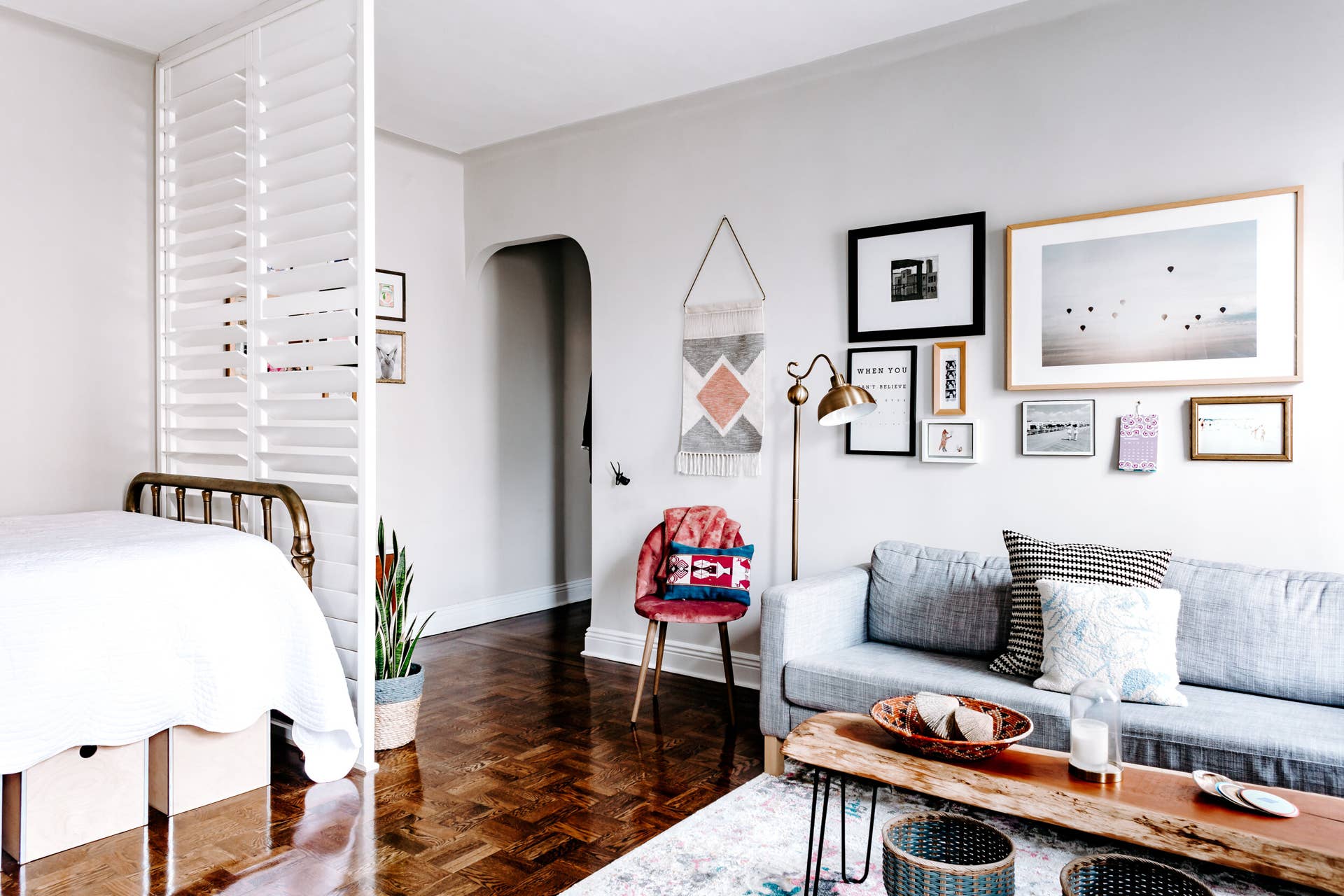
Light and bright color schemes can make small living rooms feel spacious and inviting. These colors reflect natural light, opening up the space visually. Choosing the right palette helps create a calm and airy atmosphere that feels comfortable.
Neutral Tones
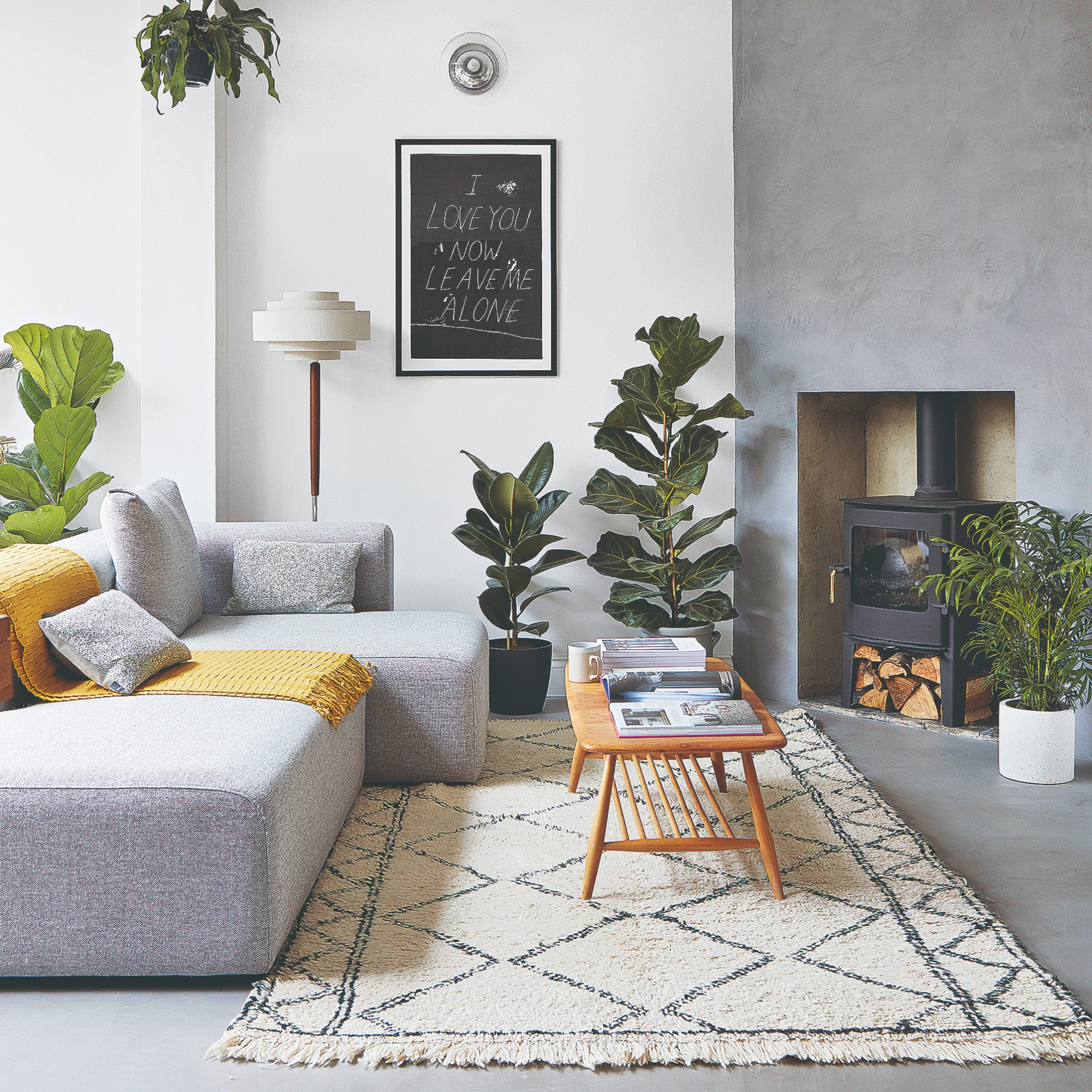
Neutral tones like beige, cream, and soft gray work well in small rooms. They create a clean and simple background that doesn’t overwhelm the space. Light neutrals make walls and furniture blend seamlessly, giving a sense of openness.
Use neutral tones on larger pieces like sofas and rugs to keep the room feeling balanced. They also pair easily with other colors and décor styles. This flexibility helps maintain a fresh look without cluttering the space.
Accent Colors
Adding accent colors brings personality to a light and bright room. Soft pastels or muted blues and greens add subtle pops of color. These shades complement neutral tones without making the room feel smaller.
Use accent colors in pillows, throws, or small décor items. This approach adds visual interest while keeping the overall look light. Bright accents like yellow or coral can energize the space without overwhelming it.
Creative Layout Strategies
Creative layout strategies can transform a small living room into a cozy, functional space. Thoughtful arrangement helps maximize space without crowding. It also improves flow and comfort. Using clever ideas can make your room feel larger and more inviting.
Floating Furniture Arrangement
Floating furniture means placing pieces away from walls. This opens pathways and creates a sense of space. Arrange sofas and chairs in a way that encourages conversation. Use smaller furniture to avoid blocking light or views. Leave enough room to walk around each piece easily.
Try this:
- Place a sofa in the center of the room, not against a wall.
- Use a small coffee table in front of the sofa.
- Add chairs angled toward the sofa to form a circle.
- Keep the area under furniture clear to enhance openness.
Zoning With Rugs And Lighting
Zoning divides the room into smaller sections for different uses. Rugs and lighting are great tools for this. Rugs define seating or play areas without walls. Choose rugs that fit the size of each zone. Lighting highlights areas and sets mood.
Ideas include:
- Use a soft rug under the sofa and chairs.
- Add a floor lamp or table lamp in each zone.
- Place a bright light over the reading corner.
- Keep pathways well-lit for safety and ease.

Incorporating Mirrors
Mirrors are a simple yet powerful tool to make your small living room feel more open and inviting. They reflect light, creating the illusion of space, and can also serve as a stylish focal point. Adding mirrors thoughtfully can transform your room without taking up any extra square footage.
Mirror Walls
Covering an entire wall or a large section of it with mirrors can dramatically expand your room’s perceived size. This doesn’t mean you need to install expensive glass; peel-and-stick mirror tiles or panels work well and are budget-friendly.
Try placing a mirror wall opposite a window to maximize natural light. This trick brightens the room and makes it feel airier. Think about your layout—would a mirror wall behind the sofa or TV create a better sense of depth?
Decorative Mirror Pieces
Smaller decorative mirrors add personality and charm without overwhelming your space. Choose shapes and frames that match your style—whether sleek and modern or rustic and vintage.
Arrange several small mirrors in an interesting pattern on one wall to create an eye-catching gallery. It’s a great way to reflect light from different angles and add texture to your room.
Have you noticed how a well-placed mirror can highlight your favorite artwork or furniture? Use mirrors to draw attention to your best pieces and create a balanced, cohesive look.
Utilizing Underused Spaces
Small living rooms often feel cramped, but unused spaces can be your secret weapon. These overlooked areas offer unexpected spots to add both style and function. By paying attention to every inch, you create a room that feels larger and more inviting.
Corners And Alcoves
Do you often ignore corners because they seem too tight for furniture? Think again. A small corner can become a cozy reading nook with a compact armchair or a floating shelf to display your favorite books and plants.
Alcoves are natural pockets of space begging for attention. Add a built-in bench with storage underneath or a slim console table to make use of these spots without crowding your room. These simple additions can transform dead zones into practical, stylish areas.
Window Sills
Window sills are often just bare surfaces that miss a great opportunity. Turning your window sill into a mini seating area or a display shelf can add character and extra seating or storage.
If your window sill is deep enough, try adding cushions to create a small bench. It’s perfect for relaxing with a cup of coffee or watching the world outside. If the sill is narrow, use it for decorative items like candles, small plants, or photo frames to bring life to the space.
Frequently Asked Questions
What Furniture Suits Small Living Rooms Best?
Compact, multi-functional furniture like foldable sofas and nesting tables maximize space. Choose pieces with built-in storage to reduce clutter. Light-colored furniture creates an airy feel. Opt for slim, raised legs to enhance openness and ease cleaning.
How To Arrange Furniture In A Small Living Room?
Place larger furniture against walls to open central space. Use rugs to define zones and create flow. Avoid overcrowding by leaving walking paths clear. Angle pieces to add depth and visual interest. Prioritize essential items to maintain functionality and comfort.
What Colors Work Well For Small Room Furniture?
Light, neutral colors like beige, white, and pastels reflect light and enlarge space visually. Soft blues and greens add calmness without overwhelming. Avoid dark, heavy tones that shrink room perception. Consider matching furniture color with walls for a seamless look.
Can Multifunctional Furniture Save Space In Small Rooms?
Yes, multifunctional furniture like sofa beds, ottomans with storage, and extendable tables optimize limited space. These pieces serve more than one purpose, reducing the need for extra items. They enhance usability while maintaining a clean, organized environment.
Conclusion
Small rooms can feel cozy and stylish with the right furniture. Choose pieces that fit well and serve more than one purpose. Light colors and simple designs help the space feel bigger. Keep the room tidy to avoid clutter. Add a few personal touches for comfort and charm.
With smart choices, your living room will be both useful and inviting. Enjoy creating a space that feels just right for you.