
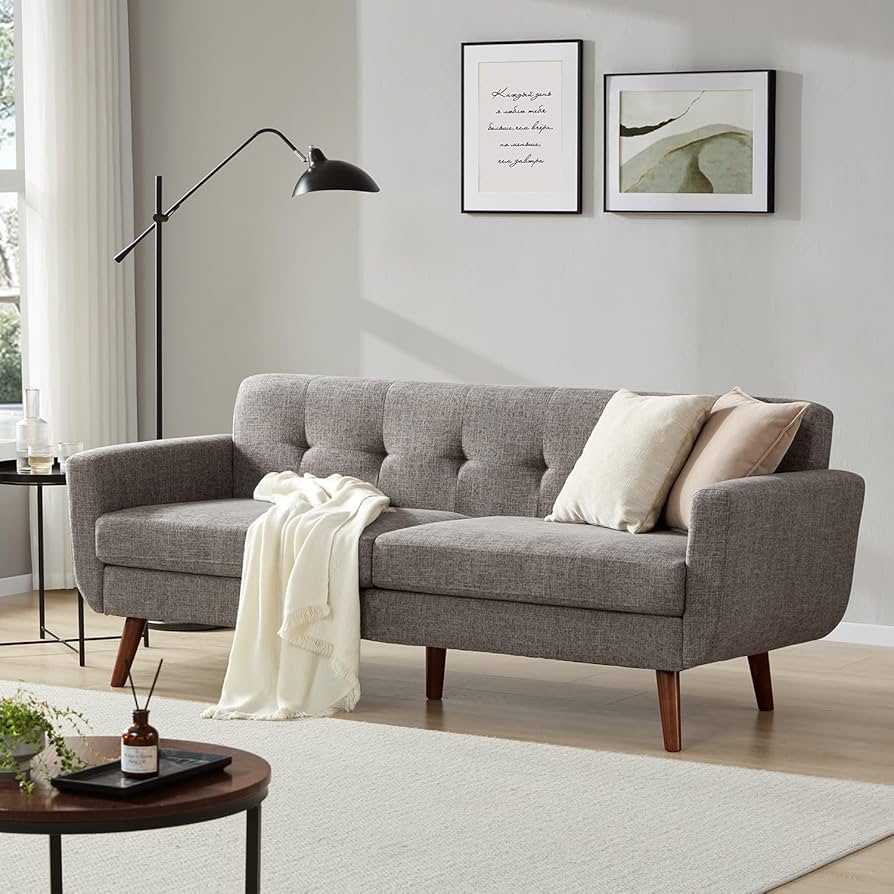
Struggling to find the perfect furniture for your small living room? You’re not alone.
When space is tight, every piece counts. The right furniture can make your room feel bigger, more comfortable, and stylish—all at the same time. Imagine a living area where you can relax, entertain, and enjoy without feeling cramped. You’ll discover simple, smart choices that transform your small space into a cozy, inviting haven.
Keep reading to find out how to make your living room work for you, no matter the size.
:max_bytes(150000):strip_icc()/CarinaSkrobeckiPhoto_JessicaNelsonDesign_252222ndAve_01-47bc103d13e34f8d89179a86e968e7eb-5b0a8608f5c64a999203309e3fd0af57.jpg)
Choosing Multifunctional Pieces
Choosing multifunctional pieces is key for small living rooms. These pieces save space and serve more than one purpose. They help keep your room tidy and organized. You get comfort and utility in a smaller footprint.
Multifunctional furniture adapts easily to your daily needs. It can change from seating to storage or from table to work desk. This flexibility makes your living area feel larger and more useful.
Benefits Of Multifunctional Furniture
- Maximizes limited space
- Reduces clutter by combining uses
- Offers practical solutions for small rooms
- Enhances room flow and ease of movement
- Provides extra storage without extra bulk
Types Of Multifunctional Pieces
- Sofa beds for seating and sleeping
- Ottomans with hidden storage
- Nesting tables for flexible surfaces
- Wall-mounted foldable desks
- Storage benches that double as seats
How To Choose The Right Pieces
- Measure your space carefully before buying
- Pick furniture with clean, simple designs
- Opt for light colors to keep space bright
- Look for durable materials for everyday use
- Consider pieces that match your style and needs

Utilizing Vertical Space
Making the most of vertical space can transform a cramped living room into a well-organized and stylish area. When floor space is limited, looking upward offers new opportunities to add storage and display options without crowding your room. Have you ever noticed how empty walls can feel wasted? Filling that space smartly can change how your small living room feels and functions.
Choosing Tall Shelving Units
Tall shelves draw the eye upward, creating a sense of height in the room. They hold books, plants, and decor without taking up much floor space. Consider open shelving to keep things airy and avoid a bulky look.
I once replaced a bulky low cabinet with a sleek, tall bookcase in my small living room. It freed up floor area and made the room feel less cluttered instantly.
Wall-mounted Storage Solutions
Wall-mounted shelves, cabinets, or floating desks keep items off the floor and within easy reach. These options work great for storing everyday essentials or displaying your favorite items. You can even install hooks for hanging bags or coats to keep clutter down.
Have you tried using wall-mounted shelves for your media devices or plants? It clears surfaces and adds personality without using floor space.
Vertical Furniture With Multi-functionality
Look for furniture designed to use vertical space creatively, such as storage ottomans with stackable trays or tall armoires with built-in shelves. This kind of furniture maximizes storage while serving more than one purpose.
When I added a tall storage ottoman to my living room, it gave me a place to sit, store blankets, and even hold snacks during movie nights—all without needing extra space.
Using Wall Space For Art And Mirrors
Vertical space isn’t just for storage—it’s also perfect for decorating. Hanging art or mirrors higher on the walls draws attention upward and can make the room feel larger. Mirrors especially reflect light and add depth, which benefits small areas.
Try placing a large mirror above your sofa or narrow console to visually expand your living room’s size.
Compact Seating Solutions
Small living rooms need smart seating to save space. Compact seating solutions offer comfort without crowding the room. They help create a cozy area for relaxation and socializing. These options maximize every inch while keeping the room open and inviting.
Sofa Beds
Sofa beds are perfect for small spaces. They serve as a couch by day and a bed by night. This dual function saves space and adds convenience for guests. Choose models with easy-to-use mechanisms for quick transformation. Look for sleek designs that fit well in tight corners or against walls.
Many sofa beds come with storage underneath. This extra space keeps blankets and pillows out of sight. A good sofa bed balances comfort and style. Upholstery in neutral colors fits various decor styles. Compact sofa beds make small living rooms multi-functional and welcoming.
Loveseats And Armchairs
Loveseats provide cozy seating for two people. They are smaller than regular sofas but still very comfortable. Loveseats fit perfectly in small corners or beside windows. Pairing a loveseat with one or two armchairs creates flexible seating zones.
Armchairs add individual seats without taking too much space. Choose chairs with slim arms and legs to keep the room airy. Lightweight armchairs are easy to move around. Patterns and colors can bring personality without overwhelming the room.
Both loveseats and armchairs allow various layouts. They help avoid bulky furniture that blocks walkways. Together, they create a balanced and inviting living area in small homes.
Incorporating Wall-mounted Furniture
In small living rooms, wall-mounted furniture saves space and adds style. It frees up floor area, making the room feel bigger and less crowded. Wall-mounted pieces create an open, airy look while giving you practical storage and display options.
Choosing the right wall-mounted furniture can transform your small living room. It keeps essentials within reach without cluttering the floor. This approach works well with shelves, cabinets, desks, and even seating options.
Benefits Of Wall-mounted Furniture In Small Living Rooms
- Maximizes floor space for movement and other furniture
- Makes the room appear larger and more open
- Offers flexible storage and display solutions
- Creates a clean, modern aesthetic
Popular Wall-mounted Furniture Types
- Shelves:Perfect for books, plants, and décor without taking floor space
- Floating Cabinets:Provide hidden storage for small items and electronics
- Fold-Down Desks:Save space and create a workspace when needed
- Wall-Mounted TV Units:Keep entertainment setups off the floor and organized
Tips For Choosing Wall-mounted Furniture
- Measure your wall space carefully before purchasing
- Choose lightweight pieces for easy installation
- Opt for neutral colors to blend with the room
- Ensure secure mounting to support weight safely
- Consider multi-functional furniture for better utility
Foldable And Nesting Furniture
Foldable and nesting furniture offers smart solutions for small living rooms. They save space without sacrificing style or comfort. These pieces adapt easily to different needs and room sizes. They create an open, airy feel by reducing clutter and bulky items.
Choosing foldable and nesting furniture helps maximize every inch of your living room. They provide flexibility for seating, storage, and surface space. Ideal for compact areas, these designs combine function and convenience.
Benefits Of Foldable Furniture
Foldable furniture can be stored flat, freeing up floor space. It is lightweight and easy to move around. Great for small rooms, it adjusts to changing needs. Folding chairs and tables fit neatly into corners or closets. They offer quick setup for guests or activities. This furniture type keeps your living room neat and spacious.
Advantages Of Nesting Tables And Chairs
Nesting furniture pieces slide together to save space. Tables and chairs stack compactly when not in use. They provide multiple surfaces without crowding the room. Nesting sets are versatile for small living rooms. Use them individually or grouped as needed. They blend convenience with modern design.
Choosing The Right Materials And Designs
Light materials like wood, metal, or plastic work best. They keep furniture easy to fold and move. Simple designs avoid visual clutter and enhance space. Neutral colors match various decors and make rooms look larger. Transparent or slim-frame pieces add an airy feel. Quality build ensures durability and comfort.
Tips For Incorporating Foldable And Nesting Furniture
- Pick foldable chairs that stack or hang on walls.
- Use nesting tables as coffee and side tables.
- Store folded pieces in closets or under beds.
- Mix different sizes for flexible seating and surfaces.
- Keep pathways clear for easy furniture movement.
- Choose multifunctional items with storage options.
Optimizing Storage With Built-ins
Optimizing storage with built-in furniture can transform small living rooms. Built-ins use space efficiently and keep the room tidy. They blend storage and design, making the area feel open and organized.
Bookshelves And Cabinets
Built-in bookshelves and cabinets offer vertical storage, saving floor space. Use shelves to display books, decor, or plants. Cabinets keep clutter out of sight, making the room look neat.
Custom shelves fit the room perfectly and can reach the ceiling. This maximizes storage without crowding the space. Choose light colors or open designs to keep the room airy.
Under-seat Storage
Under-seat storage adds hidden space without extra furniture. Benches or sofas with built-in compartments are perfect for small rooms. Store blankets, toys, or magazines inside to reduce mess.
This storage type keeps essentials close but out of view. It also provides extra seating without taking up more room. Pick furniture with easy access lids or drawers for convenience.
Choosing Light And Airy Designs
Choosing light and airy designs for living room furniture in small areas can dramatically transform how your space feels. Instead of cramming bulky pieces, opt for furniture that visually lifts the room. This approach doesn’t just make your room look bigger; it creates a calming and inviting atmosphere that you’ll enjoy spending time in.
Prioritize Furniture with Slim ProfilesFurniture with slim legs and narrow arms keeps the floor visible, making the room appear more open. Think about chairs with exposed wooden or metal legs instead of solid bases. I once switched to a sleek sofa with raised legs, and suddenly, the entire room felt brighter and less crowded.
Choose Neutral and Light ColorsLight colors reflect more light and make small spaces feel less cramped. Soft whites, pale grays, and muted pastels work well for sofas, chairs, and tables. You don’t have to sacrifice style—just pick shades that brighten up your living room while matching your personality.
Use Transparent and Reflective MaterialsGlass, acrylic, and mirrored furniture create an illusion of extra space by letting light pass through or bounce around. A glass coffee table or acrylic chairs can make your living room feel airy without adding visual weight. These materials are surprisingly durable and easy to clean too, which is a bonus.
Opt for Multi-Functional PiecesIn small spaces, furniture that serves more than one purpose frees up room. Look for ottomans with storage, fold-out tables, or sofas that convert into beds. This approach keeps your area tidy and flexible, letting you adapt your living room to different needs without overcrowding.
Keep Decor Minimal and PurposefulLight and airy design isn’t just about the furniture itself but also how you accessorize it. Avoid heavy drapes and chunky rugs that weigh down the space. Instead, choose a few well-placed cushions or light curtains that complement your furniture without overwhelming your room.
Using Mirrors To Create Illusion Of Space
Using mirrors in a small living room is a smart trick to make your space feel larger and brighter. Mirrors reflect light and open up the room visually, giving the impression of more depth. You don’t need a big budget or a complete redesign to create this illusion.
Think about where natural light enters your room. Placing a mirror opposite a window can bounce sunlight around, making your living area feel airy and inviting. It’s like doubling the amount of daylight without adding a single bulb.
Have you ever noticed how a mirror can turn a cramped corner into a focal point? By carefully positioning mirrors, you can highlight your favorite furniture or artwork, distracting from tight spots. This simple change can make your small room feel thoughtfully arranged rather than cluttered.
Choosing The Right Mirror Size And Shape
The mirror you pick should match the size of your wall and furniture. Oversized mirrors can overwhelm a small room, while tiny ones might not have much effect. A medium-sized rectangular or round mirror often works best to balance space and style.
Consider unique shapes like hexagons or ovals if you want to add personality. These shapes can soften the room’s edges and create a more dynamic look without taking up extra space. What shapes resonate with your taste and room vibe?
Best Wall Placement For Maximum Impact
Mirrors work best when placed where they can reflect light and open up sightlines. Opposite or adjacent to windows is a top choice. Avoid walls cluttered with furniture or heavy art, as this reduces their impact.
Another great spot is above a sofa or console table. This placement draws the eye upward, adding height to your room. Try moving your mirror around to find the sweet spot that feels most spacious to you.
Using Multiple Mirrors To Enhance Depth
If one mirror isn’t enough, try grouping several smaller ones together. A wall collage of mirrors can create interesting reflections and add texture. Arrange them in patterns like grids or staggered clusters for a modern look.
Just be careful not to overdo it. Too many mirrors can confuse the eye and make the space feel busy rather than open. How can you find the right balance between reflection and simplicity in your layout?
Incorporating Minimalist Decor
Minimalist decor is a smart choice for living rooms with limited space. It helps keep the area tidy and visually open, making your room feel larger than it really is. Focusing on simplicity, clean lines, and purposeful pieces lets you create a comfortable yet functional space.
Choosing Furniture With Clean Lines
Opt for furniture that has simple shapes and sleek designs. Avoid bulky or overly ornate pieces that take up too much visual and physical space. For example, a slim sofa with straight arms and wooden legs creates an airy feel without sacrificing comfort.
Think about how each item fits your lifestyle. A coffee table with built-in storage can reduce clutter and keep essentials close by. Would you rather have multiple small tables or one versatile piece that does the job?
Using Neutral Colors To Open Up Space
Light, neutral colors like beige, soft gray, or white make your room feel brighter and more spacious. You can add texture with cushions, throws, or rugs to prevent the space from feeling cold or empty.
Imagine walking into a room with dark, heavy colors versus one with light, airy tones—how does each make you feel? You want your living room to be inviting, so choose colors that create a calm and open atmosphere.
Limiting Decorations To Essential Items
Too many decorations can make a small space feel cluttered and overwhelming. Select a few meaningful pieces that reflect your personality and style.
Consider how you use your living room daily. Do you need space for reading, socializing, or relaxing? Keep decorations functional or inspiring, like a favorite artwork or a stylish lamp.
Maximizing Vertical Space
Use wall-mounted shelves or hooks to free up floor space. This helps keep your living room organized without overcrowding it with furniture.
Have you tried using tall bookshelves or floating shelves? They draw the eye upward and create the illusion of higher ceilings, which can make your room feel larger.
Selecting The Right Color Palette
Choosing the right colors for small living rooms can make a big difference. Colors affect how spacious and bright the room feels. A good color palette helps create a cozy and inviting space without crowding it.
Using Light And Neutral Colors
Light colors open up small spaces. Shades like white, beige, and soft gray reflect more light. This makes the room feel larger and airier. Neutral tones also create a calm and balanced look. They match well with many furniture styles and colors.
Adding Pops Of Color
Small rooms benefit from small bursts of color. Use bright cushions, rugs, or artwork. These accents add personality without overwhelming the space. Choose one or two bold colors to keep the look simple and fresh.
Choosing Monochromatic Schemes
A monochromatic palette uses different shades of one color. This creates harmony and flow in small rooms. For example, light blue walls with navy cushions give depth. The uniform color theme makes the space feel cohesive.
Balancing Warm And Cool Tones
Warm colors like soft yellows and warm grays create comfort. Cool tones such as blues and greens bring calmness. Mixing both can balance the mood of a small living room. Use warm colors on walls and cool tones on furniture or vice versa.
Considering Natural Light
Natural light changes how colors look in a room. Rooms with little sunlight need lighter shades. Bright light rooms can handle deeper and richer colors. Test paint samples at different times of day to see how colors shift.

Frequently Asked Questions
What Are The Best Furniture Types For Small Living Rooms?
Compact, multi-functional furniture like foldable sofas, nesting tables, and wall-mounted shelves work best. They save space and maintain comfort.
How To Maximize Space With Living Room Furniture?
Choose pieces with built-in storage and use vertical space. Opt for lightweight, movable furniture to create a flexible layout.
Can Small Living Rooms Have Stylish Furniture?
Yes, sleek designs with clean lines and neutral colors enhance style. Minimalist furniture avoids clutter and makes the room appear larger.
What Colors Suit Small Living Room Furniture?
Light, neutral colors like beige, white, or pastels reflect light and create an airy feel. Dark colors can make the space feel smaller.
Conclusion
Small living rooms can still feel cozy and stylish. Choose furniture that fits well and saves space. Multi-use pieces help keep the area neat and open. Light colors and simple designs make rooms look bigger. Arrange items to allow easy movement and comfort.
A small space does not mean less style or function. With smart choices, your living room can be both useful and inviting. Enjoy making your small area a warm place to relax and gather.