

Your living room is more than just a space—it’s where you relax, connect, and create memories. Finding the right furniture design can transform this area into a cozy, stylish haven that truly feels like home.
Imagine walking into a room that instantly lifts your mood and welcomes your guests with warmth and charm. You’ll discover simple yet inspiring living room furniture design ideas that fit your style and needs. Ready to make your living room the heart of your home?
Let’s dive in and explore how you can bring comfort and elegance together effortlessly.
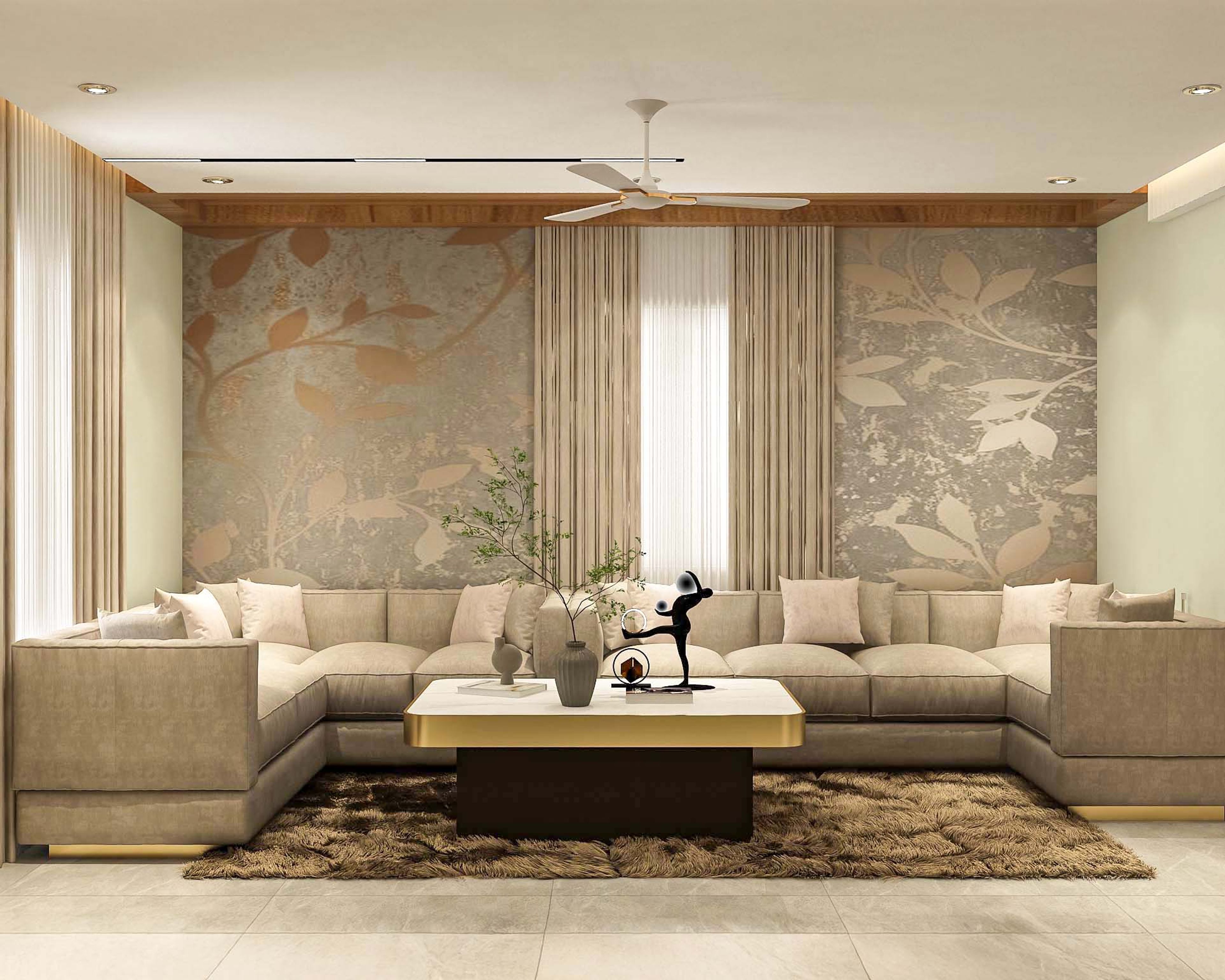
Choosing The Right Sofa
Choosing the right sofa is a key decision in designing your living room. It’s more than just picking a place to sit; your sofa sets the tone for comfort, style, and function. Think about how you use your living room daily and what kind of sofa will fit seamlessly into that lifestyle.
Size And Shape Options
Consider the size of your living room first. A large sectional might be perfect for a spacious area but overwhelming in a smaller room.
Think about shape too. A classic three-seater works well in most settings, while a curved or L-shaped sofa can create a cozy conversation spot. Don’t forget to measure your space carefully to avoid any surprises during delivery.
Fabric And Material Choices
The sofa’s fabric affects both comfort and durability. If you have kids or pets, look for stain-resistant or easy-to-clean materials like microfiber or leather.
Natural fabrics such as cotton or linen offer breathability but may require more maintenance. Reflect on your daily routine and decide which fabric will hold up best over time.
Color And Style Trends
Neutral colors like beige, gray, or navy offer versatility and blend well with various decor styles. However, a bold color sofa can become the room’s focal point and showcase your personality.
Right now, mid-century modern and minimalist designs are popular, but don’t feel pressured to follow trends blindly. Choose a style that feels right to you and complements your existing furniture.
Creative Seating Arrangements
Creative seating arrangements can transform your living room from ordinary to inviting. The way you place your furniture influences how people interact and move around the space. Thoughtful seating encourages conversation, comfort, and even style expression.
Sectionals And Modular Pieces
Sectionals offer a cozy, unified look while maximizing seating. They work well in open layouts, allowing you to define the living area naturally. Modular pieces let you customize your setup, shifting parts to fit your mood or guests.
Imagine hosting a game night—you can rearrange modules into a circle for easy interaction. Or, push them together for a large family movie marathon. The flexibility is unmatched, and you get to tailor your space without buying new furniture.
Accent Chairs And Ottomans
Accent chairs add personality and extra seating without overwhelming the room. Choose bold colors or unique shapes to create focal points. Ottomans serve double duty as footrests, extra seating, or even coffee tables.
Placing an ottoman near a chair invites guests to relax fully. Have you tried mixing different chair styles? It can break monotony and make your living room feel curated and lively.
Flexible And Multi-use Seating
Look for seating that adapts to your needs—foldable stools, storage benches, or poufs. These options save space and provide hidden storage or additional surfaces. They are perfect if your living room doubles as a workspace or play area.
Think about how often you entertain versus how much space you actually use daily. Flexible pieces let you switch between those modes seamlessly. What’s your living room missing right now that could be solved with smart seating?
Coffee Tables And Side Tables
Coffee tables and side tables shape the heart of your living room. They offer surfaces for drinks, books, and décor. These tables also bring style and function together. Choosing the right ones enhances comfort and visual appeal.
Material Varieties
Coffee and side tables come in many materials. Wood adds warmth and natural charm. Metal offers a modern, sleek look. Glass creates an airy, open feel. Marble brings luxury and durability. Each material suits different styles and needs.
Functional Designs
Function matters as much as style. Some tables have storage drawers or shelves. Nesting tables save space and add flexibility. Lift-top tables provide hidden compartments and extra surface area. Wheels make tables easy to move around. Choose designs that fit your lifestyle.
Styling Tips
Balance size with room space. Keep enough walking area around tables. Mix shapes for interest—round, square, or rectangular. Layer with trays, books, or small plants. Match table finishes to other furniture for harmony. Use side tables to frame seating or highlight décor.
Storage Solutions
Storage solutions are essential in living room design. They help keep your space tidy while enhancing its overall look. Clever storage not only hides clutter but also adds personality and function to your living area.
Shelves And Bookcases
Shelves and bookcases offer both display and storage options. You can use them to organize books, show off decor, or store everyday items within easy reach.
Floating shelves create a modern, airy feel, while built-in bookcases add a touch of classic charm. Try mixing open shelves with closed cabinets to balance display and hidden storage.
- Use adjustable shelves to fit items of different sizes
- Place baskets or boxes on lower shelves for a neat look
- Arrange books both vertically and horizontally to create visual interest
Hidden Storage Ideas
Hidden storage keeps your living room clutter-free without sacrificing style. Think of furniture pieces that serve dual purposes, like ottomans with storage inside or coffee tables with drawers.
Under-seat storage in sofas or benches is perfect for stashing blankets and games. These smart solutions let you keep essentials close but out of sight.
- Use storage ottomans for seating and hiding items
- Choose coffee tables with built-in compartments
- Consider wall-mounted cabinets that blend with your decor
Combining Style With Function
Storage doesn’t have to mean sacrificing design. Choose pieces that complement your style while meeting your storage needs.
For example, a vintage trunk can be a coffee table and a storage spot. Or a sleek console table with drawers can hold remotes and chargers without cluttering surfaces.
Ask yourself: what items do you use daily, and how can you store them attractively? This approach keeps your living room both practical and inviting.
Lighting To Enhance Ambiance
Lighting plays a crucial role in shaping the mood and feel of your living room. The right lighting can make your space inviting, cozy, or vibrant, depending on what you want to achieve. It’s not just about brightening the room; it’s about creating layers and focal points that enhance your living area’s personality.
Layered Lighting Techniques
Think of lighting as layers that build on each other to create depth and interest. Combining ambient, task, and accent lighting helps you control the atmosphere easily.
- Ambient lightingprovides overall illumination, like ceiling fixtures or recessed lights.
- Task lightingtargets specific areas where you need more light, such as reading corners or workspaces.
- Accent lightinghighlights artwork, architectural features, or decorative elements.
Have you noticed how a dimmed overhead light paired with a warm table lamp transforms the room? Try mixing different light sources to see how your living room changes throughout the day.
Statement Fixtures
Adding a bold lighting fixture can instantly elevate your living room’s style. Whether it’s a chandelier, pendant light, or an oversized floor lamp, statement pieces catch the eye and set the tone for the space.
Choosing a fixture that reflects your personality or complements your décor can make a big difference. Imagine a sleek, modern pendant above your coffee table or a rustic chandelier to add charm—each creates a unique vibe.
Task And Accent Lighting
Task lighting isn’t just practical; it improves comfort and functionality. A well-placed reading lamp or adjustable floor light lets you enjoy activities without straining your eyes.
Accent lighting adds drama and focus. Use small spotlights or LED strips to draw attention to a bookshelf or a favorite piece of art. It’s an easy way to personalize your living room and create conversation points.
Which corner of your living room could benefit from targeted light to make it more useful or inviting?
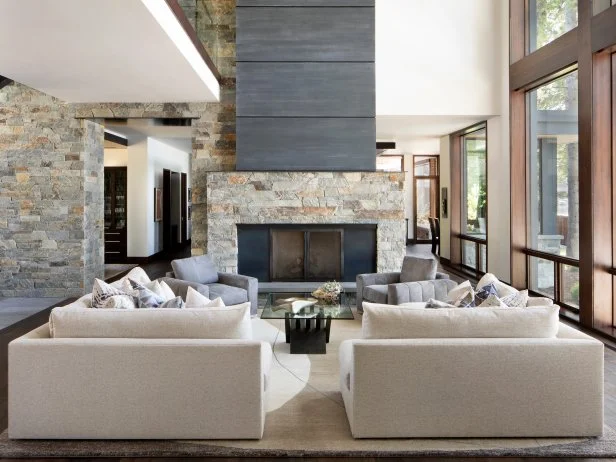
Rugs And Textiles
Rugs and textiles are more than just decorative elements in your living room; they set the tone and bring warmth to the space. The right choices can transform a bland area into a cozy, inviting retreat. Think about how a rug feels underfoot or how a throw pillow brightens your sofa—these small details have a big impact.
Choosing The Right Size
Picking the right rug size can make or break your room’s balance. Too small, and it will look lost; too large, and it might overwhelm the space. A good rule is to have the rug large enough to fit under the front legs of your furniture.
Imagine sitting on your couch and having your feet rest comfortably on the rug. That feeling of cohesion brings the room together. If your living room is open-plan, use rugs to define seating areas without blocking pathways.
Patterns And Colors
Patterns and colors should complement your existing décor, not compete with it. If your furniture and walls are neutral, a bold rug with vibrant colors can add life and energy. Conversely, if your room already has a lot of color, a subtle pattern can create calm.
Ask yourself: Do you want the rug to be the star or the supporting actor? Geometric patterns add a modern touch, while floral or traditional designs bring a classic feel. Keep in mind that darker colors can hide stains better, which is practical for families or pets.
Mixing Textures
Combining different textures in your textiles creates depth and interest. Pair a soft, plush rug with smooth leather or linen furniture to balance comfort with sleekness. Adding knitted or woven throws and cushions can make your space feel more layered and inviting.
Think about how your textiles feel, not just how they look. Running your hand over a variety of fabrics can help you decide what works best. Don’t be afraid to experiment—sometimes unexpected combinations become the highlight of your room.
Decorative Accents
Decorative accents transform a living room from plain to inviting. They add personality and style without crowding the space. Small details catch the eye and create a cozy atmosphere. Choosing the right accents makes your living room feel unique and complete.
Artwork And Wall Decor
Artwork sets the tone of your living room. Choose pieces that reflect your taste and color scheme. Large paintings create a focal point. Smaller prints arranged in a gallery wall add interest. Mirrors can brighten the room and make it feel larger.
Plants And Greenery
Plants bring life and freshness to the space. Select low-maintenance options like succulents or snake plants. Use different sizes and shapes for variety. Place plants on shelves, tables, or in corners. Greenery softens hard edges and adds natural color.
Personal Touches
Personal items make the room feel lived-in and warm. Display family photos in stylish frames. Add souvenirs from travels or handmade crafts. Use decorative bowls or trays to organize small items. These touches tell your story and create comfort.

Frequently Asked Questions
What Are The Best Living Room Furniture Styles?
Popular styles include modern, minimalist, rustic, and mid-century modern. Choose a style that matches your home’s decor. Consider comfort, functionality, and aesthetics when selecting furniture pieces.
How To Arrange Living Room Furniture For Space?
Place larger pieces against walls to maximize space. Create conversation areas by grouping seating. Use rugs to define zones and keep pathways clear for easy movement.
What Furniture Is Essential For A Living Room?
A sofa, coffee table, and chairs are basic essentials. Add storage units like shelves or cabinets for organization. Consider lighting fixtures to enhance ambiance and functionality.
How To Choose Living Room Furniture Colors?
Select colors that complement your wall and floor tones. Neutral shades create a calm feel, while bold colors add vibrancy. Use accent pieces to introduce contrasting or matching hues.
Conclusion
Choosing the right furniture shapes your living room’s feel. Mix comfort with style for a warm space. Simple pieces often bring the best look. Colors and textures add life without stress. Small touches can make a big difference. Your living room should invite and relax everyone.
Take your time to find what fits best. Enjoy creating a space that feels like home.