
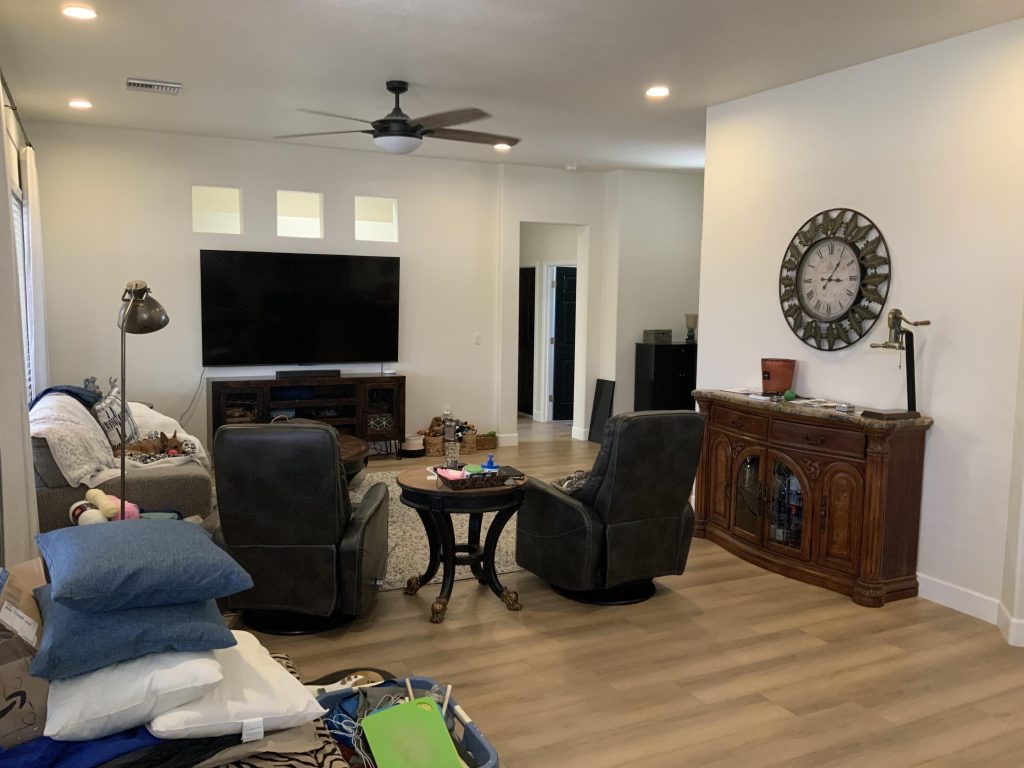
Your living room is more than just a space; it’s where you relax, entertain, and enjoy your favorite shows. But arranging your furniture around the TV can be tricky.
You want comfort, style, and the perfect viewing angle—all without clutter. Imagine sinking into your sofa with everything just right, no distractions, no awkward seating. This guide will help you create a living room setup that feels cozy and looks great, while making your TV the star of the show.
Ready to transform your space? Let’s dive in.

Choosing The Right Layout
Choosing the right layout for your living room furniture is key to comfort and style. The arrangement should suit your TV viewing habits and daily activities. A well-planned layout balances functionality with aesthetics. It makes your space inviting and easy to use. Consider how people move and interact in the room. Plan seating so everyone can enjoy the TV and chat easily. Use the room’s shape and size to guide your decisions.
Facing The Tv
Place the main seating directly facing the TV for the best view. The distance between the TV and seats matters. Too close strains the eyes. Too far makes details hard to see. Arrange sofas or chairs in a straight line or slight curve. Keep pathways clear to avoid blocking the view. Use TV stands or wall mounts to set the screen at eye level. This reduces neck strain and improves comfort.
Creating Conversation Areas
Not all seats must face the TV. Group some chairs or a small sofa away from the screen. This creates cozy spots for talking and relaxing. Use rugs or coffee tables to define these spaces. Arrange seats so people can see each other easily. Keep furniture close enough to encourage conversation but not crowded. This balance helps the room serve multiple purposes.
Maximizing Space
Use the room’s corners and walls to save floor space. Floating furniture away from walls can create better flow. Pick multi-use pieces like ottomans with storage or foldable tables. Keep pathways wide enough for easy movement. Avoid overcrowding with too many chairs or tables. Light colors and mirrors can make the room feel larger. Smart layout choices help a small room feel open and inviting.
Seating Options
Choosing the right seating options shapes the living room’s comfort and style. Seats should invite relaxation and support clear TV viewing. Each choice impacts the room’s flow and how people interact while watching shows or movies.
Sofas And Sectionals
Sofas and sectionals offer ample seating for families and guests. Sectionals fit corners well and provide flexible shapes. Sofas come in various sizes, from loveseats to large three-seaters. Choose cushioned seats for long viewing sessions. Neutral colors blend easily with decor, while bold hues create focal points.
Accent Chairs And Ottomans
Accent chairs add personality and extra seating. They bring color, pattern, or texture into the room. Ottomans serve dual purposes as footrests or extra seats. Place them near sofas or sectionals for convenience. Lightweight pieces allow easy movement to face the TV or join conversations.
Flexible Seating Solutions
Flexible seating adapts to different needs and spaces. Poufs, floor cushions, and foldable chairs work well for casual setups. These options are easy to store and move around. Perfect for small rooms or unexpected guests. Flexible seating keeps the room dynamic and user-friendly.
Tv Placement Tips
Placing your TV correctly can transform your living room experience. It’s not just about putting the TV anywhere; the right spot improves comfort and enjoyment. Here are some key tips to help you position your TV for the best viewing setup.
Optimal Viewing Height
The center of your TV screen should be at eye level when you’re seated. This usually means the middle of the screen is about 42 inches from the floor, but it depends on your couch height and seating arrangement.
Try sitting where you usually watch TV and measure the height from the floor to your eyes. This simple step ensures you don’t strain your neck during long viewing sessions. Have you noticed neck discomfort after watching TV? Adjusting the height can fix that easily.
Wall Mount Vs. Stand
Deciding between a wall mount and a stand affects both your room’s look and function. Wall mounts save floor space and offer a sleek appearance, but require careful installation.
Stands are easier to move and often come with storage options for devices and remotes. Think about your lifestyle: Do you rearrange furniture often? A stand might suit you better. If you want a cleaner look and have a fixed layout, a wall mount is ideal.
Avoiding Glare And Reflections
Glare from windows and lights can ruin your TV viewing. Position your TV perpendicular to windows rather than directly opposite them to reduce glare.
Using curtains or blinds helps control natural light, while dimmable lamps can manage artificial light. Have you ever been annoyed by a bright spot on your screen? Small tweaks in lighting and TV placement can eliminate that frustration.
Balancing Function And Style
Balancing function and style in living room furniture arrangements with a TV is key to creating a comfortable and attractive space. The room must serve daily needs while showcasing personal taste. This balance helps the room feel welcoming and organized.
Choosing the right furniture and layout ensures the TV is a focal point without overpowering the room. Every piece should add value, whether for storage, comfort, or decoration. Smart planning makes the living room practical and stylish.
Storage Furniture Choices
Storage furniture helps keep the living room tidy and functional. Select pieces that hide cables, remotes, and media devices. Cabinets with doors or drawers work well to reduce clutter.
Open shelves provide space for books and décor but require neat arrangement. Choose storage units that match the room’s style and size. Compact designs save space without sacrificing storage.
Incorporating Decorative Elements
Decorative elements add personality and warmth to the living room. Use rugs, cushions, and artwork to complement the furniture and TV setup. These touches create a cozy atmosphere.
Balance bold decorations with simple furniture to avoid visual overload. Plants and soft lighting enhance the room’s style. Keep decorations relevant to the room’s color and theme.
Maintaining Traffic Flow
Clear pathways make moving around the living room easy and safe. Arrange furniture to avoid blocking entrances or walkways. Leave enough space between pieces for comfortable movement.
Place the TV where it can be seen from seating without causing awkward angles. Avoid cramping the room with too many large furniture items. A smooth traffic flow supports both function and style.
Lighting And Ambiance
Lighting shapes the mood of your living room and influences how you experience your TV space. The right lighting can prevent glare, reduce eye strain, and create a cozy environment for movie nights or casual hangouts. Think about how you want your room to feel and function before choosing your lighting setup.
Layered Lighting
Layered lighting uses multiple light sources at different levels to create depth and flexibility. Combine ambient lights like ceiling fixtures with task lights such as floor lamps and accent lights for artwork or shelves.
This approach lets you adjust brightness according to the activity—whether it’s watching TV, reading, or chatting with friends. Have you tried dimmers? They’re a game-changer for setting the perfect vibe.
Smart Lighting Options
Smart bulbs and lighting systems give you control right from your phone or voice assistant. You can change colors, dim lights, and create schedules without leaving your seat.
Imagine lowering the lights automatically when your favorite show starts or brightening the room during a video call. These options add convenience and help tailor the ambiance to your personal preferences.
Highlighting Key Areas
Use lighting to draw attention to important parts of your living room, like a stylish TV stand, a favorite piece of art, or a cozy reading nook. Accent lights or spotlights work well for this purpose.
Highlighting these areas adds character and breaks up the room visually. What areas in your living room deserve a little spotlight to enhance your overall experience?

Small Living Room Solutions
Small living rooms can feel tricky to arrange, especially when you want to include a TV without overcrowding the space. Finding smart solutions helps you enjoy your entertainment area without sacrificing comfort or style. Let’s look at practical ideas that make your small living room feel open and inviting while fitting all the essentials.
Space-saving Furniture
Choosing the right furniture is key to making the most of limited space. Slim-profile sofas or loveseats can provide seating without overwhelming the room. Wall-mounted shelves or floating TV stands free up floor space and keep the area tidy.
Think about using furniture with exposed legs to create a sense of openness. Avoid bulky pieces that block sightlines. Have you noticed how a narrow console behind a sofa can double as storage and a visual divider?
Multipurpose Pieces
Multipurpose furniture is a lifesaver in small rooms. Ottomans that open for storage or coffee tables with hidden compartments add function without extra clutter. A sofa bed can transform your living room into a guest space effortlessly.
Consider nesting tables that tuck away when not in use, giving you flexibility for entertaining. You might be surprised how a foldable desk or wall-mounted drop-leaf table can add workspace without crowding your living area.
Visual Tricks For Openness
Visual tricks can make your living room feel larger than it really is. Light colors on walls and furniture reflect natural light and brighten the space. Mirrors placed opposite windows amplify light and create a sense of depth.
Arrange furniture to keep pathways clear and avoid blocking windows. Position your TV on a swivel mount so you can adjust it without rearranging the whole room. Have you tried using rugs to define zones without breaking up the space?
Tech Integration
Integrating technology into your living room furniture arrangement can enhance comfort and style. Smart devices and entertainment systems blend better with thoughtful planning. This section explores simple ways to manage tech in your space.
Hiding Cables
Visible cables create clutter and distract from your decor. Use cable covers or raceways to conceal wires along walls. Furniture with built-in cable management helps keep cords out of sight. Velcro straps and clips organize cables behind TVs and consoles neatly.
Smart Home Compatibility
Choose furniture that supports smart devices easily. Tables with USB ports and wireless charging pads add convenience. Place hubs and speakers where they receive strong signals. Arrange seating for easy voice control and remote access.
Sound System Placement
Position speakers for clear, balanced sound throughout the room. Avoid placing them too close to walls or corners to reduce echo. Use stands or wall mounts to save floor space. Keep speaker wires hidden for a clean look.

Frequently Asked Questions
How To Arrange Living Room Furniture Around A Tv?
Place seating facing the TV for optimal viewing. Use a central coffee table and keep pathways clear. Balance furniture size with room space to avoid clutter. Ensure lighting reduces screen glare for comfort.
What’s The Best Tv Height For Living Room Furniture?
Mount the TV at eye level when seated, typically 42-48 inches from the floor. This reduces neck strain and enhances viewing comfort. Adjust height based on sofa height and room layout.
How To Optimize Space In Small Living Rooms With A Tv?
Use multi-functional furniture like storage ottomans and slim TV stands. Arrange seating close but comfortable for clear viewing. Mount the TV on the wall to save floor space. Choose light colors and mirrors to open the room visually.
Can I Place A Tv Opposite A Fireplace In Living Rooms?
Yes, but ensure both are visible without strain. Arrange seating to face both or use swivel mounts. Balance the room’s focal points to create a cozy atmosphere without clutter.
Conclusion
Arranging living room furniture around the TV creates comfort and style. Choose pieces that fit your space and meet your needs. Keep the view clear and seating cozy. Balance looks with function for the best experience. Small changes can make a big difference in your room.
Enjoy your space where watching TV feels just right.