
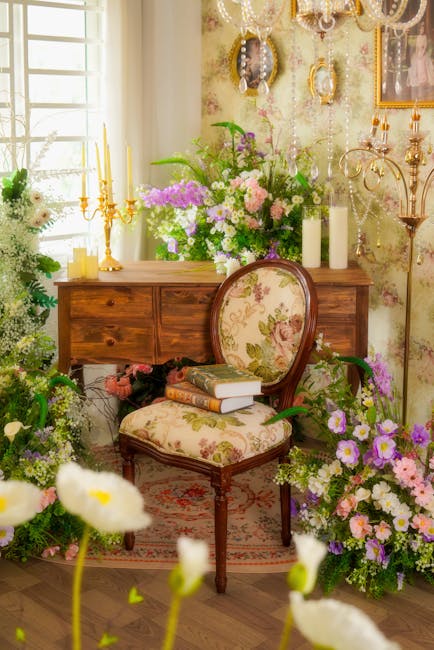
Your living room is more than just a space—it’s where you relax, entertain, and create memories. But arranging your furniture can feel tricky.
How do you make the most of your space without it feeling crowded or awkward? You’ll discover simple and smart living room furniture arrangement ideas that transform your space into a comfortable, stylish haven. Whether your room is big or small, these tips will help you create a layout that suits your lifestyle and impresses your guests.
Keep reading, and you’ll soon have a living room that feels just right for you.

Choosing A Focal Point
Choosing a focal point in your living room sets the tone for the entire space. It draws attention and creates a natural spot for arranging furniture. The right focal point helps your room feel balanced and welcoming, guiding how you place sofas, chairs, and tables.
Fireplace And Tv Options
A fireplace naturally commands attention and creates a cozy atmosphere. If your living room has one, try positioning your seating to face it directly. This encourages conversation and warmth, making the space inviting for guests.
What if you don’t have a fireplace? The TV often becomes the default focal point. Mount it on the wall or place it on a stylish console to keep it neat. Arrange your furniture so everyone has a clear view without feeling cramped or overly focused on the screen.
Consider combining both elements if your space allows it. For example, mount the TV above the fireplace for a sleek, modern look. Just make sure it’s at eye level for comfortable viewing.
Artwork And Decor Focus
Bold artwork can serve as a stunning focal point, especially if you prefer a more artistic vibe. A large painting or a curated gallery wall draws eyes and sparks conversation. Position your main seating around this display to highlight its impact.
Decor pieces like a statement mirror, a colorful rug, or an eye-catching sculpture can also anchor your room. These elements add personality and depth without overwhelming the space. Think about what reflects your style and creates the atmosphere you want.
Are you using your focal point to tell a story? Personal items or travel souvenirs placed strategically can make your living room uniquely yours. This approach invites guests to connect with your space on a deeper level.
Seating Layouts
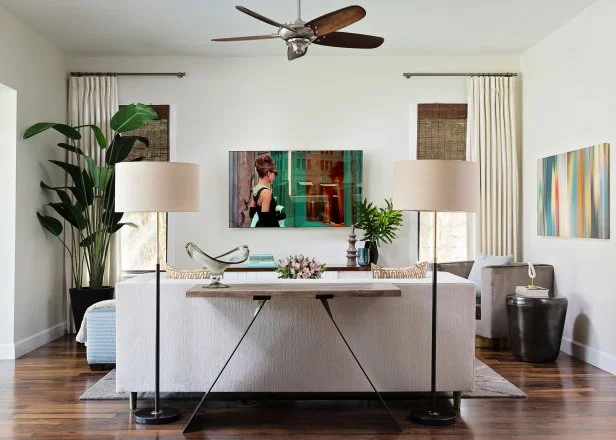
Seating layouts are the backbone of a comfortable and inviting living room. How you arrange your sofas, chairs, and other seating options shapes the room’s flow and functionality. A well-planned seating area encourages relaxation and socializing, making your living space truly welcoming.
Sofa And Chair Combinations
Mixing sofas and chairs lets you create flexible seating that fits your lifestyle. Try pairing a large sofa with one or two accent chairs to balance the space and add personality. You can angle chairs slightly toward the sofa to invite conversation without crowding the room.
Think about the size and style of each piece. A sleek leather chair can contrast nicely with a plush fabric sofa, offering both comfort and visual interest. Don’t forget to leave enough walking space around your furniture—about 18 inches between pieces works well.
Sectional Placement Tips
Sectionals can anchor your living room but need careful placement to avoid overwhelming the space. Position the sectional to face the main focal point, whether it’s a TV, fireplace, or window with a view. This creates a natural gathering spot and keeps the layout balanced.
If your room is small, choose a sectional with a chaise to maximize seating without extra pieces. In larger rooms, use a U-shaped sectional to define the seating area clearly. Remember, the goal is to keep the space open and inviting, not cramped.
Creating Conversation Zones
Conversation zones encourage interaction by grouping seating close enough for easy talking. Place chairs and sofas around a central coffee table or rug to anchor the zone visually and functionally. This helps guests feel connected rather than scattered across the room.
Try breaking up a large living room with multiple conversation zones to serve different needs. One area could be for casual chatting, while another is set up for reading or working. How can you arrange your furniture to invite more meaningful connections in your space?
Optimizing Traffic Flow
Optimizing traffic flow in your living room helps create a space that feels open and welcoming. It allows people to move easily without bumping into furniture or feeling cramped. A well-planned layout improves comfort and usability, making your living room more functional for daily activities and gatherings.
Clear Pathways
Keep pathways wide and free from obstacles. Aim for at least 24 to 30 inches of walking space between furniture pieces. Arrange seating and tables so people can walk through without turning sideways. Use rugs to define walkways and guide movement naturally. Avoid placing furniture in front of doors or main entry points.
Avoiding Clutter
Choose only essential furniture to prevent overcrowding. Use storage solutions like baskets or shelves to keep items organized. Keep surfaces clear by limiting decorative objects. Arrange furniture to maximize space and reduce visual clutter. A tidy room feels larger and invites smooth movement.
Balancing Scale And Proportion
Balancing scale and proportion in your living room helps create a comfortable and inviting space. It makes the room look well put together without feeling crowded or empty. The right balance guides the eye and sets a natural flow for the room.
Choosing The Right Size Furniture
Select furniture that fits the room size and shape. Oversized sofas can overwhelm small spaces. Tiny chairs might look lost in large rooms. Measure your room before buying any piece.
Consider the height, width, and depth of furniture. Leave enough walking space around pieces. A good rule is to keep 18-24 inches between furniture for easy movement.
Mixing Large And Small Pieces
Combine different furniture sizes to add interest and balance. Pair a big sofa with smaller side chairs. Use a large coffee table but add small ottomans or stools.
This mix prevents the room from feeling too heavy or too empty. It also creates cozy conversation areas. Use rugs and lighting to tie these pieces together visually.
Incorporating Multi-functional Pieces
Incorporating multi-functional pieces into your living room creates a space that is both stylish and practical. These pieces help maximize space without sacrificing comfort or design. They offer clever solutions for small or busy rooms. Each item serves more than one purpose, making your living area more flexible and efficient.
Storage Ottomans And Benches
Storage ottomans and benches provide extra seating and hidden storage. They keep clutter out of sight while adding comfort. These pieces work well near sofas or under windows. Use them to store blankets, books, or toys. Choose styles that match your room’s decor for a seamless look. Their compact design makes the room feel more open and tidy.
Convertible Furniture Ideas
Convertible furniture adapts to different needs and saves space. Sofas that turn into beds offer sleeping options for guests. Coffee tables with adjustable heights can serve as work desks or dining spots. Fold-out chairs and nesting tables fit easily into small areas. These flexible pieces make your living room ready for any activity. They combine style with practical function for everyday living.
Using Rugs To Define Spaces
Using rugs to define spaces in your living room is a simple yet powerful way to organize the area. Rugs create clear boundaries that help each section of your room feel intentional and cozy. Whether your living room is open-plan or compact, a well-chosen rug can anchor furniture and highlight specific zones.
Size And Placement Tips
Choose a rug size that fits your furniture arrangement without overcrowding the space. Ideally, the rug should be large enough for the front legs of your sofa and chairs to sit comfortably on it. This approach ties the seating area together and makes the room feel balanced.
Place the rug so it aligns with the main furniture pieces, not just centered in the room. If your sofa is against a wall, ensure the rug extends beyond the edge to avoid a floating look. In smaller rooms, a slightly smaller rug can work if it sits fully under the coffee table, keeping things tidy and focused.
Layering Rugs
Layering rugs adds texture and depth, making your living room more visually interesting. Start with a large neutral base rug and add smaller patterned or colorful rugs on top. This technique works well in casual spaces where you want to express personality without overwhelming the area.
Try mixing materials like a jute rug with a soft wool one to create contrast. You can also experiment with shapes—placing a round rug over a rectangular one breaks monotony. Think about the mood you want to set: layering can soften a modern room or add warmth to minimalistic décor.
Lighting Arrangements
Lighting can completely transform your living room’s mood and functionality. The right lighting arrangement not only highlights your furniture but also makes your space more inviting and comfortable. Balancing different types of lighting helps you create a versatile room that works for relaxing, reading, or entertaining guests.
Combining Ambient And Task Lighting
Ambient lighting sets the overall tone of your living room. Think ceiling lights, chandeliers, or recessed lighting that evenly brightens the space. But ambient light alone can feel flat or insufficient for specific activities.
Task lighting fills that gap by focusing light where you need it most—near a reading chair or on a work surface. Floor lamps, table lamps, or adjustable wall sconces work great here. When I added a simple floor lamp next to my sofa, reading evenings became much more enjoyable without straining my eyes.
Try layering these two types of lighting to create a balanced effect. You can dim ambient lights during quieter moments and switch on task lights when you need focused brightness. How do you currently adjust your lighting for different activities?
Accent Lights For Ambiance
Accent lighting adds character and highlights specific features in your living room. Use spotlights or LED strips to draw attention to artwork, plants, or architectural details. These lights create depth and interest beyond basic illumination.
Small lamps or fairy lights can also add a cozy, warm glow. I once placed a string of soft white lights around my bookshelf—it instantly gave the room a relaxed, welcoming vibe without overpowering the main lights.
Think about what you want to emphasize in your living room. Could subtle accent lights help showcase your favorite decor or add a soothing background glow? Experiment with placement and brightness to find the perfect balance.
Personalizing With Accessories
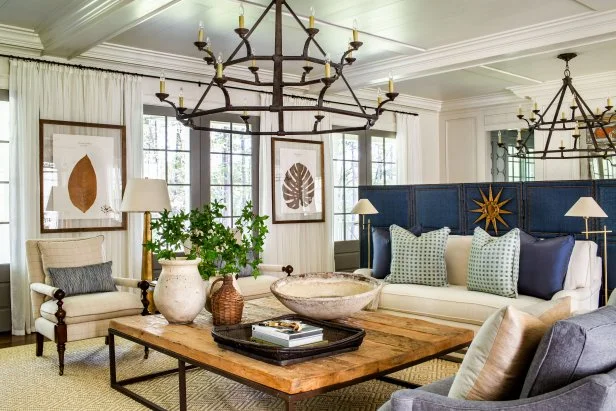
Personalizing your living room with accessories brings warmth and character. Accessories reflect your style and make the space feel inviting. Choosing the right items enhances comfort and visual appeal. Small touches can transform the entire room without major changes.
Throw Pillows And Blankets
Throw pillows add color and texture to your sofa or chairs. Pick pillows in different shapes and patterns for interest. Blankets offer coziness and a layered look. Drape a soft blanket over the armrest or back of a couch. Use fabrics that feel nice to the touch and match your theme.
Decorative Shelving And Tables
Shelves create spots to display personal items and decor pieces. Use open shelves for books, plants, and small art objects. Choose tables that serve both style and function. Coffee tables with storage keep essentials close but hidden. Side tables provide surfaces for lamps or drinks. Mixing materials like wood and metal adds depth to the room.
Frequently Asked Questions
What Is The Best Living Room Furniture Layout?
The best layout depends on room size and shape. Arrange furniture to promote conversation and easy movement. Center seating around a focal point like a fireplace or TV. Use area rugs to define zones and balance the space.
How Do I Arrange Furniture In A Small Living Room?
Use compact, multi-functional pieces to save space. Place larger furniture against walls to open up the center. Use mirrors and light colors to create an illusion of space. Keep pathways clear for better flow and accessibility.
How Can I Create A Cozy Living Room Setup?
Choose warm colors and soft textures for comfort. Arrange seating close together to encourage interaction. Add throw pillows and blankets for warmth. Use layered lighting like lamps and candles to enhance coziness.
What Furniture Should I Prioritize In Living Room Design?
Start with a comfortable sofa as the main piece. Add chairs to complement seating and balance the room. Include a coffee table for functionality and style. Consider storage units or shelves for organization and decor display.
Conclusion
Arranging living room furniture can change the entire space. Choose pieces that fit well and feel comfortable. Keep pathways clear for easy movement. Balance the room by placing items evenly. Use rugs or lighting to define areas. Small changes bring fresh looks without big costs.
Enjoy creating a room that feels just right. Simple steps lead to a cozy, inviting living space. Try different setups until it feels perfect for you.