
Your living room is more than just a space—it’s where you relax, entertain, and create lasting memories. But how do you make sure it feels just right?
The secret lies in smart living room design and choosing the perfect furniture that matches your style and needs. Imagine walking into a room that instantly feels welcoming and comfortable, reflecting your personality. You’ll discover simple tips and ideas that can transform your living room into the cozy and stylish haven you’ve always wanted.
Ready to unlock the full potential of your space? Keep reading and see how easy it can be.

Choosing The Right Color Palette
Choosing the right color palette sets the mood for your living room. Colors can make the space feel cozy, bright, or calm. Picking the right shades helps your furniture and décor stand out. It also creates harmony and balance in the room. A well-chosen palette makes your living room inviting and stylish.
Understanding Color Psychology
Colors affect emotions and energy. Warm colors like red, orange, and yellow bring excitement and warmth. Cool colors such as blue, green, and purple create calm and relaxation. Neutral tones like beige, gray, and white offer balance and simplicity. Choose colors that match the feeling you want in your living room.
Considering Natural Light
Natural light changes how colors look. Bright sunlight makes colors appear lighter and more vibrant. Rooms with little sunlight benefit from warm or light colors to feel open and airy. Darker colors work well in rooms with lots of light to add depth. Always test paint samples in your space before deciding.
Creating A Balanced Color Scheme
A balanced palette has a mix of main, secondary, and accent colors. Use the 60-30-10 rule:
- 60% dominant color (walls or large furniture)
- 30% secondary color (upholstery or rugs)
- 10% accent color (decor or pillows)
This balance keeps the room visually pleasing and avoids overwhelming the space.
Matching Furniture With Colors
Furniture colors should complement the palette. Light-colored sofas suit darker walls. Dark wood furniture pairs well with soft, neutral walls. Use colorful furniture to create focal points in neutral rooms. Coordinating furniture and wall colors ties the design together smoothly.
Using Color To Define Areas
Color can separate different living room zones. Use a different shade or accent wall to mark seating or reading areas. Rugs and cushions in matching colors help unify each section. This method creates interest and organizes the layout clearly.
Selecting Furniture Pieces
Selecting the right furniture pieces can transform your living room from a simple space into a comfortable and stylish retreat. Each piece should serve a purpose while reflecting your personality and lifestyle. Think about how you use your living room daily—this will guide your choices and help you create a balanced, inviting environment.
Sofas And Sectionals
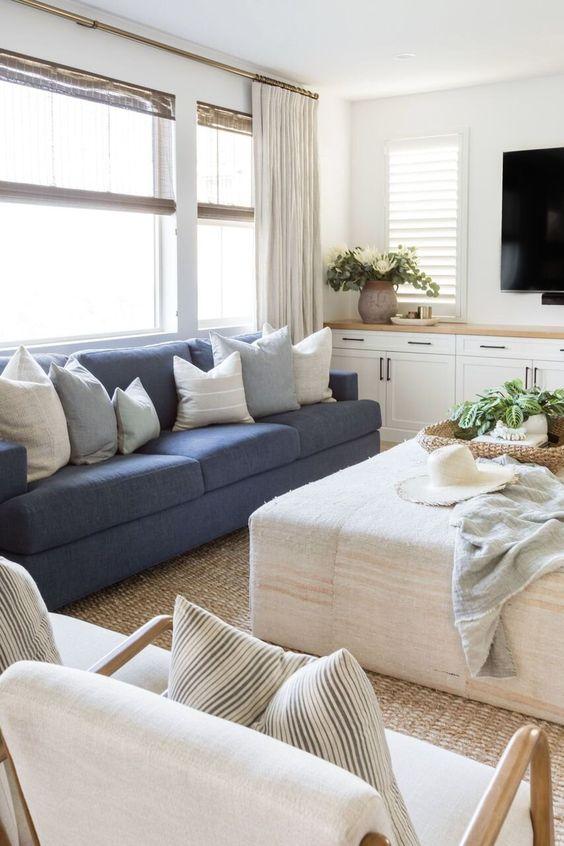
Your sofa is often the centerpiece of the living room, so pick one that matches your space and needs. Consider the size of your room carefully; a large sectional might work well in an open-plan area but overwhelm a smaller space.
Choose upholstery that suits your lifestyle. If you have kids or pets, durable and stain-resistant fabrics like microfiber or leather might be best. Don’t shy away from testing different sofa styles—sometimes a classic design fits better than trendy options.
Coffee Tables And Side Tables
Coffee tables and side tables are not just functional; they add style and balance to your layout. Think about the height and size—your coffee table should be easy to reach from the sofa without blocking walkways.
Materials and finishes can either blend with or contrast your sofa. Wood adds warmth, glass brings lightness, and metal offers a modern edge. You might want to mix a sturdy coffee table with sleek side tables to create visual interest.
Entertainment Units
Entertainment units do more than hold your TV; they organize cables, store media, and display decorative items. Pick a unit that fits your technology and storage needs without crowding your living room.
Consider open shelves for books and decor, plus closed compartments for clutter. If you stream a lot, ensure there’s enough space for consoles and speakers. Your entertainment unit should help keep the room tidy and inviting.
Incorporating Textures And Fabrics
Incorporating textures and fabrics in your living room design creates warmth and depth. Different materials invite touch and add character to the space. Mixing soft and rough textures gives your room a balanced feel. Fabrics also influence the mood and comfort of your seating and decor. Use varied textures to make your living room more inviting and stylish.
Upholstery Choices
Choose upholstery that fits your style and needs. Cotton and linen offer a light, breathable feel. Velvet adds a touch of luxury and softness. Leather provides durability and a sleek look. Mix smooth and textured fabrics to avoid monotony. Consider colors and patterns that complement your room’s theme. Durable fabrics work best for homes with pets or children.
Rugs And Carpets
Rugs and carpets bring texture to your floor and tie the room together. Wool rugs feel cozy and last long. Jute or sisal adds natural, earthy texture. Choose a rug size that fits your furniture layout. Layering rugs can create visual interest and warmth. Patterns and colors enhance the room’s personality. Soft rugs invite barefoot comfort and reduce noise.
Lighting For Ambiance
Lighting sets the mood in your living room. It can make the space feel warm, cozy, or bright and lively. The right lighting shows off your furniture and highlights your design choices. Different types of lights create different atmospheres. Using a mix of light sources brings balance and comfort to the room.
Ceiling Fixtures
Ceiling fixtures offer general light that fills the whole room. They come in many styles, from simple flush mounts to decorative chandeliers. Choose fixtures that match your room’s style and size. A dimmer switch can change the brightness to suit different times of day or moods. Ceiling lights work best as the main source of light in your living room.
Floor And Table Lamps
Floor and table lamps add layers of light and focus. They create soft pools of light for reading or relaxing. These lamps come in many designs, so you can find one that fits your decor. Place floor lamps next to sofas or chairs for task lighting. Table lamps on side tables bring warmth and charm to the space.
Maximizing Space With Layout
Maximizing space in your living room starts with a smart layout. A well-planned layout creates a spacious feel and improves flow. It helps make the room functional and inviting. Thoughtful design can transform even small living rooms into comfortable areas. The right layout balances furniture placement and open space. This approach enhances both style and comfort.
Open Plan Design
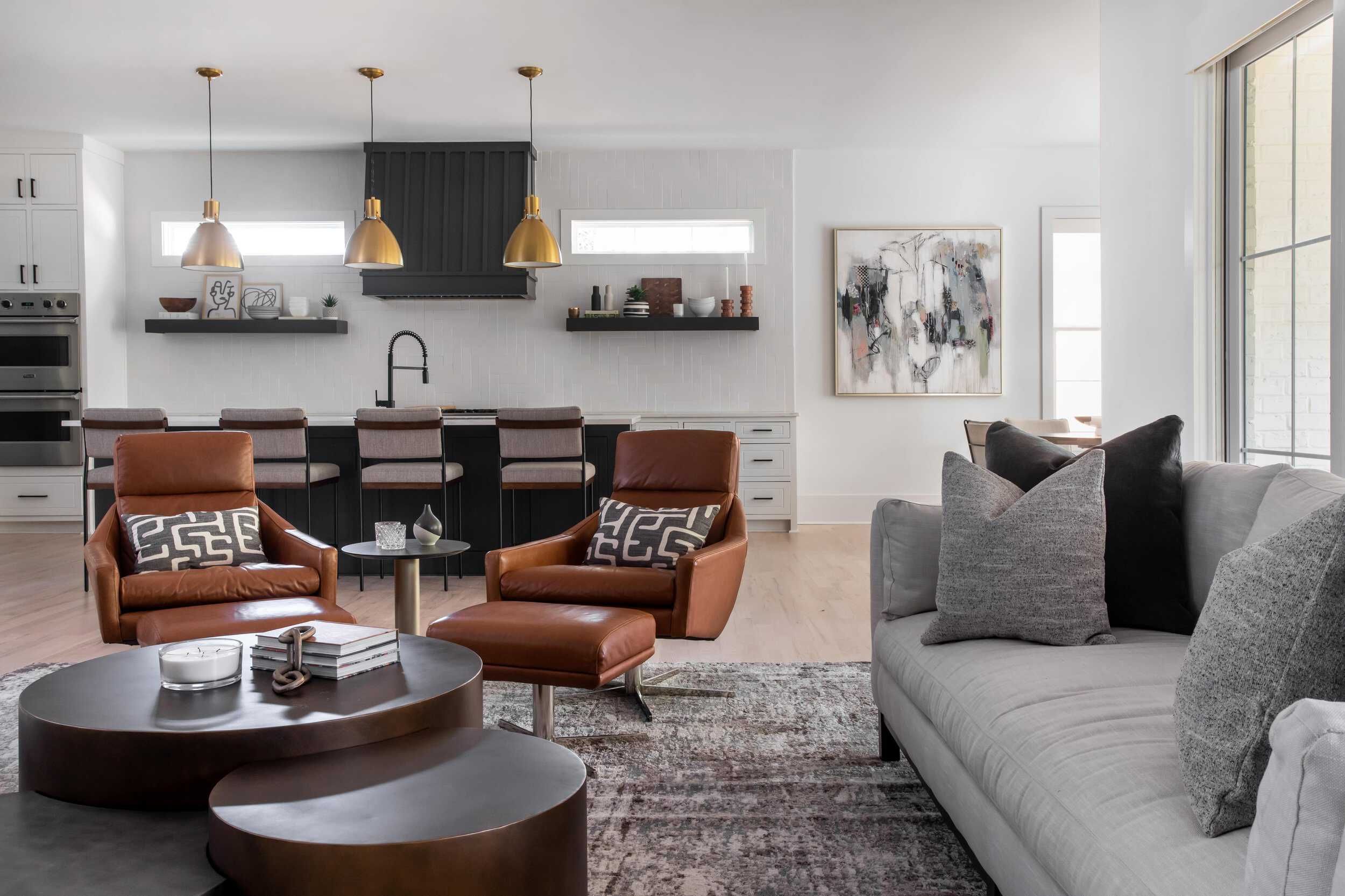
Open plan design removes walls to join living and dining areas. This creates a larger, airy space that feels less crowded. The open layout allows natural light to spread across the room. Furniture placement plays a key role in defining areas within the open space. Choose low-profile sofas and chairs to maintain sight lines. Use rugs to mark different zones without blocking openness. Keep furniture away from walkways to keep flow smooth. Open plan layouts suit modern homes and small apartments well.
Zoning Techniques
Zoning divides a room into functional areas without walls. It helps organize space and adds purpose to each zone. Use rugs to visually separate seating, reading, or entertainment spots. Lighting can highlight zones, such as a floor lamp for a reading nook. Arrange furniture in clusters to create cozy corners. Bookshelves or low cabinets act as natural dividers. Color and texture changes also define different zones. Zoning makes multi-use rooms easier to manage and enjoy.
Adding Personal Touches
Adding personal touches to your living room design brings warmth and character. It reflects your style and makes the space truly yours. Small details create a cozy and inviting atmosphere. Personal elements turn a simple room into a memorable space.
Artwork And Wall Decor
Artwork speaks about your personality and taste. Choose pieces that inspire or comfort you daily. Paintings, prints, or photos make walls come alive. Use frames that match your furniture style for a unified look.
Wall decor can include more than just art. Mirrors add light and space. Shelves display small treasures or books. Textured wall hangings bring depth and interest to plain walls.
Plants And Greenery
Plants add life and fresh air to any room. They bring a touch of nature indoors. Choose easy-care plants if you don’t have a green thumb. Place them in decorative pots that match your décor.
Greenery softens hard furniture edges and adds color. Group plants in different sizes for a natural look. Use hanging planters or small table plants to save space.
Embracing Modern Trends
Modern living room design blends style with function. It creates spaces that feel open and welcoming. New trends focus on simplicity and smart use of space. These ideas make rooms look fresh and feel comfortable. Embracing these trends helps your living room stay current and practical.
Minimalist Design
Minimalist design uses clean lines and simple shapes. It avoids clutter and keeps only what is needed. Neutral colors like white, gray, and beige dominate this style. Furniture has smooth surfaces and little decoration. This design makes rooms feel larger and more peaceful.
- Use fewer pieces of furniture.
- Choose items with simple, sleek designs.
- Keep decorations and accessories minimal.
- Focus on open spaces and natural light.
Smart Furniture Options
Smart furniture saves space and adds convenience. It often has multiple uses or hidden storage. These pieces fit small or large rooms well. Technology can be part of smart furniture too, like built-in charging ports.
- Sofas with storage underneath.
- Tables that fold or expand.
- Chairs that are lightweight and easy to move.
- Furniture with built-in tech features.
Balancing Functionality And Aesthetics
Creating a living room means mixing beauty with use. A room should look nice and serve daily needs well. The best spaces feel inviting and work smoothly for all activities.
Balancing functionality and aesthetics means choosing pieces that fit your life and style. Every item should add comfort and charm without crowding the room. This balance makes your living room a place to relax and enjoy.
Choosing Practical Furniture That Looks Good
Select furniture that matches your style and daily use. Sofas with soft fabrics and strong frames last longer. Tables with storage add space for items. Chairs should be comfy and easy to move. Pick shapes and colors that blend with the room’s theme.
Organizing Space For Comfort And Flow
Arrange furniture so people can move easily. Leave clear paths between seats and tables. Group seating to encourage talking and relaxing. Use rugs to define areas and add warmth. Proper layout makes the room feel open and welcoming.
Using Decor To Enhance And Support Function
Add decorations that serve a purpose. Lamps light reading spots and create mood. Cushions and throws add comfort and color. Shelves keep books and games tidy. Plants bring life and fresh air to the space. Decor should support use and add charm.
Frequently Asked Questions
What Are The Essential Furniture Pieces For Living Rooms?
Essential living room furniture includes a sofa, coffee table, chairs, and storage units. These pieces provide comfort and functionality while enhancing the room’s style and layout.
How To Choose The Right Sofa For Living Room Design?
Choose a sofa based on room size, style preference, and comfort needs. Consider material durability, color harmony, and seating capacity to fit your living space perfectly.
Which Colors Work Best For Living Room Furniture?
Neutral colors like beige, gray, and white suit most living rooms. They create a versatile base, allowing easy coordination with accent colors and decor.
How To Maximize Space With Living Room Furniture?
Use multi-functional furniture, like storage ottomans and foldable tables. Arrange pieces to keep pathways clear and avoid overcrowding to enhance space and flow.
Conclusion
A well-designed living room feels warm and inviting. Choose furniture that fits your space and style. Balance comfort with function for everyday use. Colors and textures add personality and life. Keep things simple to avoid clutter. Small touches make a big difference.
A cozy, neat room invites friends and family. Take your time to create a space you love. Your living room can be both beautiful and practical. Enjoy the process and make it your own.