
Your living room is more than just a space—it’s where you relax, entertain, and create memories. But have you ever felt that your furniture just doesn’t feel right?
The layout of living room furniture can make all the difference in how comfortable and inviting your space feels. Imagine walking into your room and instantly feeling at ease, with every piece perfectly placed to fit your lifestyle. You’ll discover simple, effective ways to arrange your furniture so your living room becomes your favorite place to be.
Ready to transform your space? Let’s dive in.
Choosing The Right Furniture
Choosing the right furniture shapes the look and feel of your living room. It sets the tone for comfort and style. Picking pieces that fit well and serve your needs makes the space inviting and practical.
Size And Scale Matters
Furniture should match the size of your room. Large sofas can overwhelm small spaces. Small chairs may look lost in a big room. Measure your space before buying. Leave enough walking room around furniture. Balance helps the room feel open and cozy.
Selecting Functional Pieces
Choose furniture that fits your lifestyle. Consider pieces with storage like ottomans or coffee tables. Multi-use furniture saves space and adds convenience. Think about how you use the room. Pick items that support your daily activities.
Matching Style And Comfort
Your furniture style should reflect your taste. Mix comfort with design for a welcoming space. Soft cushions and ergonomic shapes improve relaxation. Harmonize colors and materials for a unified look. Comfort makes your living room a favorite spot.

Arranging For Flow
Arranging living room furniture for flow means making the space easy to move through and comfortable to use. The goal is to create a natural path that people can follow without bumping into furniture. Proper flow helps the room feel open and welcoming. It also encourages social interaction and keeps the area functional.
Creating Conversation Zones
Group seating pieces close enough for easy talking. Chairs and sofas should face each other or form a circle. Avoid placing furniture too far apart or in a straight line. Use rugs or coffee tables to anchor these zones. This arrangement invites people to relax and chat comfortably.
Balancing Traffic Paths
Leave clear pathways between furniture for smooth walking. Paths should be at least 24 inches wide. Avoid blocking doors, windows, or room entrances. Position larger pieces away from main walkways. This balance keeps the room accessible and prevents trips or spills.
Maximizing Space Efficiency
Use corners and walls for bigger furniture to save space. Choose pieces that fit the room size without crowding. Consider multi-use furniture like ottomans or storage benches. Keep the center open to make the room feel larger. This approach makes every inch count without clutter.
Focal Points And Anchors
Focal points and anchors shape the way you experience your living room. They guide your eyes and define the room’s purpose. Choosing the right elements to focus on can make your space feel inviting and balanced.
Using A Fireplace Or Tv
A fireplace or TV often serves as the natural focal point in many living rooms. Arrange your seating so everyone can comfortably view it without straining their necks.
If your fireplace is decorative, place cozy chairs or a sofa facing it to create a warm conversation area. For TV setups, avoid placing seating too close, and angle furniture to reduce glare.
Think about what you use most: is it the flicker of flames or movie nights? This helps decide which should dominate your layout.
Incorporating Rugs And Art
Rugs and art act as anchors that ground the space and add personality. A large rug can tie all the furniture together, creating a unified look.
Choose a rug size that fits under key furniture pieces, like the front legs of sofas and chairs. This prevents the room from feeling disconnected.
Art on walls draws attention and can set the mood. Hang it at eye level so it naturally becomes a conversation starter.
Positioning Statement Furniture
Statement furniture pieces, like a bold sofa or unique coffee table, can serve as powerful anchors. Place them where they catch the eye first but don’t overpower the room.
Balance is key—if your sofa is a bright color, keep surrounding furniture neutral to avoid visual chaos.
Ask yourself: does this piece invite you to sit and stay, or does it block flow? Your answer guides its best spot.
Lighting And Ambiance
Lighting shapes the mood and feel of your living room. It influences comfort and style. Good lighting blends function with ambiance. It highlights furniture and creates a warm space. Proper lighting can make a room feel larger and welcoming.
Layering Light Sources
Use several light types for a balanced look. Combine ambient, task, and accent lighting. Ambient light provides overall brightness. Task lights help with reading or work. Accent lights highlight art or décor. Layering lights adds depth and interest.
Highlighting Key Areas
Focus light on important spots in the room. Use lamps near seating areas for reading. Spotlights can brighten artwork or plants. Light draws attention to your best features. It creates focal points and guides the eye.
Setting Mood With Lighting
Adjust light levels to suit different times and moods. Use dimmers for flexible brightness. Soft, warm light creates a cozy feel. Bright, cool light energizes the space. Lighting sets the tone for relaxing or entertaining.
Personalizing Your Layout
Personalizing your living room furniture layout transforms a generic space into a true reflection of your lifestyle and taste. It’s about making choices that fit how you live and what makes you comfortable. As you plan, consider how each element can express your personality and support your daily routines.
Adding Decorative Accessories
Small decorative items can change the entire mood of your living room. Think about cushions, rugs, or artwork that speak to your style. Adding a unique vase or a quirky lamp can create conversation starters and make your space feel lived-in.
Don’t hesitate to mix textures and colors that you love. Maybe you have a collection of travel souvenirs or family photos—displaying these personal items adds warmth and character.
Integrating Storage Solutions
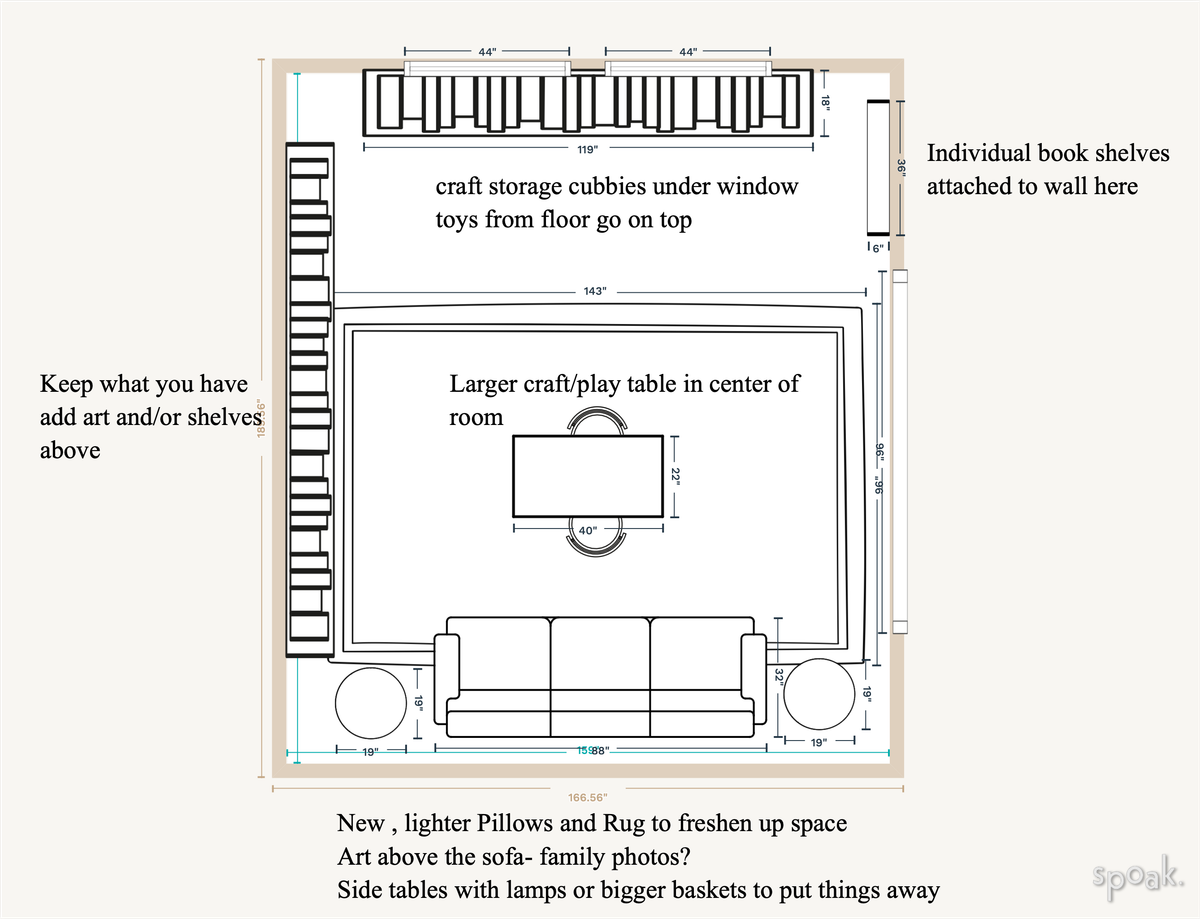
Storage doesn’t have to be boring or bulky. Choose pieces that blend seamlessly with your furniture and keep clutter out of sight. Floating shelves, multi-functional ottomans, or stylish baskets can offer smart storage without sacrificing style.
Think about what you need to store daily—books, games, electronics—and find solutions that keep these items accessible yet organized. How can you make storage part of your design instead of an afterthought?
Adapting For Lifestyle Needs
Your living room layout should support how you spend your time. If you host often, create an open flow for easy movement and seating. If you prefer quiet evenings, arrange furniture to face a focal point like a fireplace or TV.
Consider your family size, pets, and hobbies. A pet-friendly rug or a dedicated reading nook can make a huge difference. What adjustments can you make to ensure your space feels just right every day?
-1.png)
Frequently Asked Questions
What Is The Best Layout For Living Room Furniture?
The best layout creates a balanced, functional space. Arrange furniture to promote conversation and easy movement. Focus on a focal point like a fireplace or TV. Use area rugs to define zones. Ensure enough space between pieces for comfort.
How To Arrange Living Room Furniture For Small Spaces?
Use multi-functional furniture and keep pieces proportional. Arrange seating against walls to maximize floor space. Choose light colors and mirrors to create openness. Use vertical storage to save space. Avoid clutter by selecting essential furniture only.
How To Create A Cozy Living Room Layout?
Place seating close together to encourage interaction. Use soft lighting and layered textures for warmth. Add throw pillows and blankets for comfort. Position furniture around a focal point like a fireplace. Keep the layout open but intimate.
What Furniture Should Be Prioritized In A Living Room?
Start with a comfortable sofa as the centerpiece. Include chairs or loveseats for extra seating. Add a coffee table for functionality. Consider storage like shelves or cabinets. Accent pieces like side tables and lamps enhance usability.
Conclusion
A good living room layout makes your space feel warm and inviting. Choose furniture that fits your room size and shape. Keep pathways clear for easy movement. Group seating to encourage conversation and comfort. Use rugs and lighting to define areas well.
Balance function with style for daily use. Small changes can make a big difference. Enjoy arranging your living room to suit your needs. It’s all about creating a cozy, practical place to relax.