
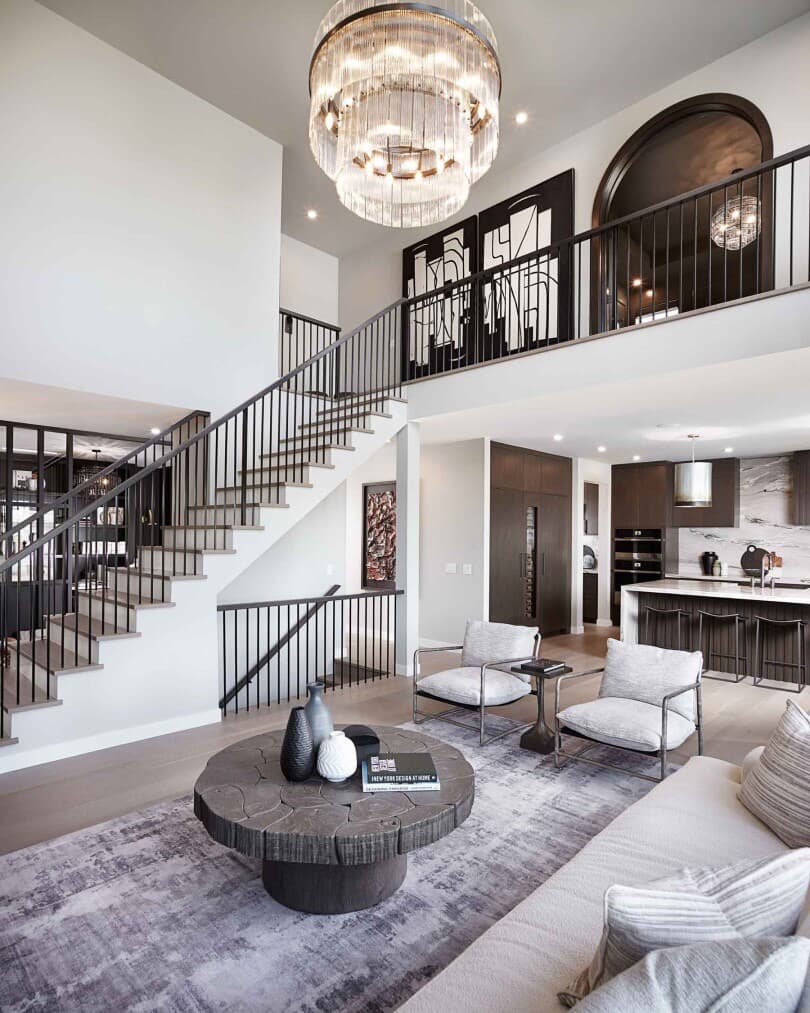
Your large living room is a blank canvas full of possibilities, but figuring out the perfect furniture layout can feel overwhelming. How do you create a space that feels cozy yet spacious?
Where should you place your sofa, chairs, and tables to make the room both functional and inviting? This guide will help you unlock the secrets to arranging your large living room furniture in a way that matches your style and meets your everyday needs.
Keep reading, and you’ll discover simple tips that transform your space into the comfortable, stunning room you’ve been dreaming of.
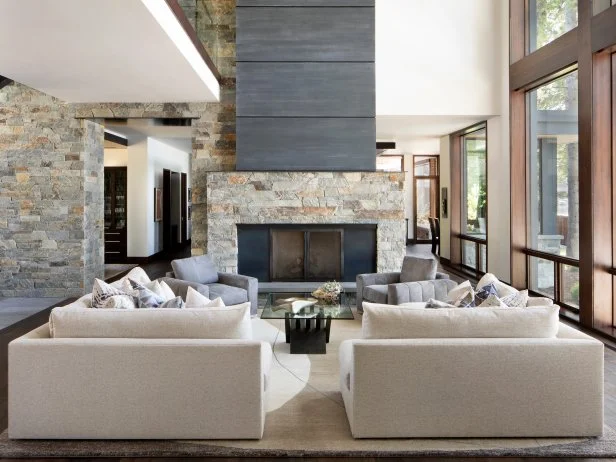
Choosing The Right Furniture
Choosing the right furniture for a large living room can feel overwhelming. You want pieces that fill the space without making it look cluttered. At the same time, the furniture should reflect your style and be functional for everyday use.
Proportional Pieces
Large living rooms demand furniture that matches the scale of the space. Small sofas or tiny chairs can get lost in a big room, making it feel empty and disconnected.
Try selecting a sectional sofa or a pair of larger armchairs to anchor the seating area. A low-profile coffee table that stretches across the seating zone can also bring balance.
Have you ever walked into a room and felt the furniture was too small or too large? That’s a sign the proportions are off. Aim for pieces that create a natural flow and invite people to sit and stay.
Versatile Selections
Versatility is key in a large living room. Furniture that serves multiple purposes helps you maximize the space without overcrowding it.
Consider ottomans that double as extra seating or storage benches that hide blankets and pillows. Modular sofas allow you to rearrange your layout whenever you want a fresh look.
Ask yourself: Does this piece adapt to different needs and occasions? Choosing versatile furniture means your room stays functional and stylish no matter how your lifestyle changes.
Creating Functional Zones
Creating functional zones in a large living room helps organize space. It divides the room into areas for different activities. This makes the room feel cozy and purposeful. Each zone has its own style and furniture. It improves comfort and usability. Clear zones prevent clutter and confusion. Here is how to set up functional zones effectively.
Relaxation Areas
Relaxation areas are for resting and unwinding. Use soft sofas or sectionals with plush cushions. Add a coffee table for drinks or books. Place the furniture to face a window or fireplace. Use rugs to define the space clearly. Keep lighting soft and warm. This zone invites calmness and comfort.
Entertainment Spots
Entertainment spots focus on socializing and fun. Arrange seating around a TV or sound system. Use chairs and sofas that allow easy conversation. Include side tables for snacks and drinks. Consider adding storage for games or media. Bright lighting and open space encourage lively gatherings. This area keeps everyone connected.
Reading Nooks
Reading nooks offer a quiet retreat for book lovers. Choose a comfortable armchair or chaise lounge. Add a small bookshelf or side table nearby. Use task lighting like a floor lamp or reading light. Place the nook near natural light if possible. Soft throws and cushions enhance coziness. This zone supports focus and relaxation.
Optimizing Traffic Flow
Optimizing traffic flow in a large living room is essential to create a space that feels open and welcoming rather than confusing or congested. How people move through the room impacts comfort and usability. Thoughtful furniture layout helps you maintain clear routes, making your living room both functional and stylish.
Pathways And Accessibility
Clear pathways prevent your living room from feeling like an obstacle course. Aim for at least 2 to 3 feet of walking space between furniture pieces to allow easy movement. Think about how you and your guests naturally walk through the room—does the furniture guide or block your path?
Accessibility also means considering all users, including children, elderly family members, or anyone with mobility challenges. Avoid placing furniture in narrow hallways or near doorways where it can create bottlenecks. Keep frequently used items like remote controls or magazines within easy reach to minimize unnecessary movement.
Avoiding Clutter
Even in a large space, clutter can disrupt traffic flow and make the room feel smaller. Choose furniture that suits the size of the room without overcrowding it. Use storage solutions such as ottomans with hidden compartments or sleek shelving units to keep everyday items out of sight.
Ask yourself if every piece of furniture serves a purpose or adds to the style. Excess pieces can block pathways and create a crowded feeling. By streamlining what you have, you make room for comfortable movement and a more inviting atmosphere.
Incorporating Statement Pieces
Statement pieces can transform your large living room from ordinary to extraordinary. They grab attention and set the tone for the entire space. Choosing the right bold elements can make your room feel inviting and stylish without overwhelming it.
Artistic Elements
Adding artistic pieces, like a large sculpture or a vibrant painting, gives your room character. These items act as conversation starters and showcase your personality. Think about placing a colorful abstract canvas above the sofa or a unique floor sculpture near the window to fill empty spaces thoughtfully.
Art doesn’t have to be expensive to make an impact. Even a DIY art project or a vintage find can add charm. Are you ready to let your living room tell a story through art?
Bold Furniture Choices
Choosing one or two bold furniture items can anchor your living room design. A bright velvet sofa or an oversized armchair in a daring color breaks the monotony and adds depth. Don’t shy away from patterns or unusual shapes that catch the eye.
- Try a statement coffee table with an interesting texture or material.
- Consider a dramatic floor lamp that doubles as décor.
- Use a large, patterned rug to ground your seating area.
Bold pieces don’t just fill space—they create focus. Which item in your room could become the centerpiece that pulls everything together?
Using Rugs For Definition
Using rugs in a large living room is a smart way to define different areas without breaking up the open flow. Rugs help anchor your furniture and create distinct zones, making the space feel purposeful and inviting. They act as visual boundaries that guide the eye and add warmth underfoot.
Color Coordination
Choosing the right rug color can tie your entire living room together. Look at your existing furniture and wall colors and pick a rug that complements or contrasts tastefully.
If your sofa is a neutral shade, a rug with bold colors can add a pop of energy. Conversely, if your furniture already features bright hues, a more subdued rug will balance the room.
Think about how the rug’s color interacts with natural light in your space. Does it brighten the room or tone down harsh sunlight? These small details affect the mood of your living area.
Texture And Layering
Texture adds depth to your room and makes it feel cozy. A plush rug can soften hard floors and add comfort, especially in seating areas.
Don’t be afraid to layer rugs for added interest. Place a smaller patterned rug on top of a larger neutral one to define a conversation area or reading nook.
Mix materials like wool, jute, or synthetic fibers to create a tactile experience that invites you to touch and linger. Have you tried layering rugs before? It might be the key to making your large living room feel more intimate.
:max_bytes(150000):strip_icc()/CarinaSkrobeckiPhoto_JessicaNelsonDesign_252222ndAve_01-47bc103d13e34f8d89179a86e968e7eb-5b0a8608f5c64a999203309e3fd0af57.jpg)
Lighting For Ambiance
Lighting shapes the feel of your large living room more than you might expect. It sets the mood, highlights key areas, and makes the space inviting. Without the right lighting, even the best furniture layout can feel cold or disconnected.
Layered Lighting
Think of lighting as layers, each serving a unique purpose. Start with ambient lighting to provide overall brightness. Ceiling fixtures or recessed lights work well here, ensuring your room is evenly lit without harsh spots.
Add task lighting next, such as floor lamps near reading chairs or table lamps beside the sofa. These focus light where you need it most and create cozy corners for activities.
Finally, include accent lighting to highlight artwork, plants, or architectural details. Small spotlights or wall sconces can draw attention and add depth to your room’s design.
- Use dimmers on your main lights to adjust brightness easily.
- Mix warm and cool light bulbs to balance comfort and clarity.
- Position lamps to reduce shadows and glare, especially in seating areas.
Natural Light Enhancement
Natural light can transform your living room’s atmosphere, making it feel airy and open. To make the most of it, avoid heavy curtains that block sunlight. Instead, choose sheer fabrics or blinds you can adjust throughout the day.
Mirrors are your best friend here—they reflect daylight deep into the room, brightening even darker corners. Place them opposite windows or near light sources for maximum effect.
Consider the placement of your furniture in relation to windows. Keep large pieces away from direct sunlight to prevent fading, but arrange seating to enjoy views and daylight comfortably.
- Keep windows clean to let in as much light as possible.
- Use light-colored rugs and upholstery to reflect natural light.
- Think about seasonal changes and how sunlight shifts throughout the year.
How does your current lighting setup make you feel when you enter your living room? Adjusting your lighting can change your mood more than rearranging furniture ever will.
Maximizing Vertical Space
Maximizing vertical space in a large living room creates a balanced and inviting area. It helps utilize the room’s height, making it feel cozy and organized. Vertical arrangements draw the eyes upward, adding depth and interest.
Tall Shelving Units
Tall shelving units provide extra storage without taking floor space. They fit nicely against walls and showcase books, plants, or decor. Choose open shelves for a light and airy feel or closed cabinets to hide clutter.
- Display favorite items at different heights.
- Use baskets or boxes on lower shelves for neat storage.
- Keep shelves well-arranged to avoid a crowded look.
Wall Art And Decor
Wall art adds personality and fills empty vertical areas. Large paintings or framed prints create a focal point. Group smaller pieces in a gallery style to cover more space creatively.
- Hang mirrors to reflect light and expand the room visually.
- Use vertical wall sconces for stylish lighting.
- Try tall, narrow wall shelves for plants or small decorations.

Smart Storage Solutions
Smart storage solutions can transform a large living room from a chaotic space into a neat, organized haven. You don’t have to sacrifice style for practicality; clever storage options can blend seamlessly into your décor. Think about how much more relaxing your living room will feel when every item has a place.
Hidden Storage
Hidden storage is a game-changer in large living rooms. Furniture with built-in compartments, like ottomans or coffee tables with lift-up tops, keeps clutter out of sight. You can store blankets, magazines, or toys without disrupting the room’s flow.
Think about the last time you needed an extra throw pillow or a remote control. Wouldn’t it be great if those essentials were tucked away but still easily accessible? Hidden storage creates a sleek look while handling your everyday needs.
Multi-functional Furniture
Multi-functional furniture offers double duty without crowding your space. A sofa bed or a console table that doubles as a desk adds versatility to your living room. This approach lets you adapt the room to different activities without extra furniture.
Ask yourself what tasks or hobbies you want your living room to support. Do you need a space for guests to sleep or a spot to work from home? Choosing pieces that serve multiple purposes saves space and keeps your layout flexible.
Frequently Asked Questions
How To Arrange Furniture In A Large Living Room?
Start by defining zones using rugs and furniture groupings. Balance seating around a focal point like a fireplace or TV. Leave ample walking space and avoid overcrowding to maintain flow and comfort.
What Furniture Pieces Suit A Large Living Room Best?
Opt for a large sectional sofa, multiple armchairs, and a spacious coffee table. Add side tables and storage units to enhance functionality and style. Choose pieces that complement the room’s scale and layout.
How To Create Cozy Zones In A Spacious Living Room?
Use area rugs, lighting, and furniture placement to define separate areas. Arrange seating in intimate clusters for conversation. Incorporate different textures and colors to add warmth and character.
What Are Common Mistakes In Large Living Room Layouts?
Avoid overcrowding with too much furniture. Don’t neglect flow and balance. Avoid placing all furniture against walls. Poor lighting and lack of focal points can make the space feel empty or chaotic.
Conclusion
A large living room gives you many layout choices. Arrange furniture to create cozy and open spaces. Think about how you use the room daily. Keep pathways clear for easy movement. Mix seating types for comfort and style. Add rugs and lights to define areas well.
Balance the room so it feels warm, not empty. Small touches make big differences in large rooms. Your layout should match your lifestyle and taste. Enjoy making your living room both beautiful and useful.