
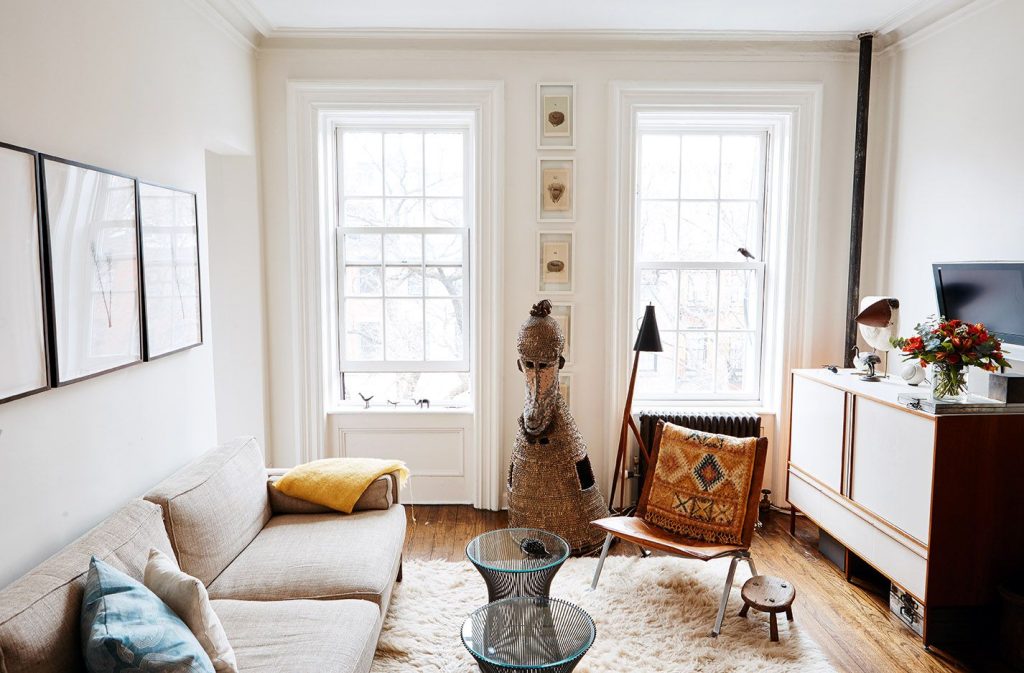
Struggling to fit large furniture into your small living room? You’re not alone.
It can feel impossible to create a cozy, stylish space without overcrowding or losing comfort. But what if you could have the best of both worlds—a room that feels spacious yet still holds the furniture you love? You’ll discover simple, smart ways to make your big pieces work perfectly in your limited space.
Keep reading to unlock secrets that will transform your living room and make every inch count.

Choosing The Right Large Furniture
Choosing the right large furniture for a small living room can feel tricky, but it’s all about making smart choices that serve both your space and lifestyle. The key is to balance style with practicality, ensuring each piece fits well without overwhelming your room. Let’s break down how you can pick large furniture that enhances your home’s comfort and look.
Prioritizing Functionality
Start by thinking about what you really need from your furniture. Does your sofa double as a guest bed? Can your coffee table also store magazines or remote controls? Choosing pieces that serve a clear purpose keeps your space organized and prevents clutter.
I once picked a bulky armchair because it looked cozy, but it ended up blocking natural light and making the room feel cramped. That taught me to always test how a piece works in your daily life before buying. Ask yourself: will this furniture make my life easier or just take up space?
Selecting Multi-purpose Pieces
Multi-functional furniture is a lifesaver in small rooms. Look for items like ottomans with storage, fold-out desks, or sectionals with built-in shelves. These pieces help you maximize your square footage without sacrificing comfort or style.
Imagine having a sofa that can transform into a bed or a table that folds away when not in use. These options give you flexibility, especially if your living room has to serve multiple roles. What multi-purpose features could improve your daily routine?
Considering Scale And Proportion
Large furniture doesn’t mean oversized in every dimension. Pay attention to the scale and proportion of each item relative to your room. A tall, narrow bookshelf may fit better than a wide low one, and a deep sofa might feel too imposing.
Measure your space carefully before shopping. Sometimes, choosing a piece with slimmer arms or legs can create an open feel. Could adjusting the shape or height of your furniture help your room breathe?
Space-saving Layout Ideas
Fitting large furniture into a small living room can feel like a puzzle, but smart layout choices make all the difference. Space-saving layouts focus on maximizing every inch without making the room feel cramped. These ideas help you use your space efficiently while keeping your home comfortable and stylish.
Creating Zones For Different Activities
Designate specific areas for relaxing, working, or dining within your small living room. Use rugs, lighting, or furniture placement to separate these zones visually. This approach helps large pieces feel intentional rather than overwhelming your space.
For example, place a large sofa facing a media console to define the entertainment zone. Nearby, a small desk tucked into a corner can create a productive workspace. This way, you avoid clutter and keep activities organized.
Using Corners Effectively
Corners often go unused but can hold surprisingly large furniture without disturbing flow. Position a corner sofa or a tall bookcase to anchor the space while freeing up central areas.
Think about adding a corner armchair or a compact storage unit to make the most of these spots. Using corners smartly can open up your main floor area and reduce visual clutter.
Floating Furniture For Openness
Pull large furniture pieces away from walls and let them “float” in the room to create a sense of openness. This technique encourages better traffic flow and breaks up the boxy feel of small rooms.
Try placing a sofa in the middle of the room with a console table behind it. This setup provides extra surface space without crowding the walls. Floating furniture invites movement and helps your room breathe.
Visual Tricks To Enhance Space
Large furniture can overwhelm a small living room. Visual tricks help make the space feel bigger and more open. These design ideas create balance without removing your favorite pieces. Use colors, surfaces, and shapes to enhance the room’s flow and light.
Light Colors And Reflective Surfaces
Light colors open up a room instantly. Shades like white, beige, and pale gray reflect light well. They prevent the space from feeling crowded or dark. Paint walls and ceilings in soft tones to brighten the area.
Reflective surfaces bounce light around the room. Glass, polished metal, and glossy finishes add shine. These surfaces reduce the visual weight of large furniture. Use them on tables, lamps, or decorative items to keep the room airy.
Using Mirrors Strategically
Mirrors create an illusion of depth and space. Place a large mirror opposite a window to reflect natural light. This doubles the brightness and makes the room appear larger.
Mirrors can also highlight beautiful parts of the room. Position them near artwork or plants to draw the eye. Choose frames that match your furniture to keep the design cohesive.
Incorporating Vertical Elements
Vertical lines draw the eye upward, adding height to the space. Tall bookshelves or floor lamps stretch the room’s feel. Use wall art placed higher than usual for a lifted effect.
Vertical stripes on curtains or wallpaper can also make ceilings seem taller. These subtle touches improve the room’s proportions. Balance vertical elements with your large furniture to avoid clutter.
Smart Storage Solutions
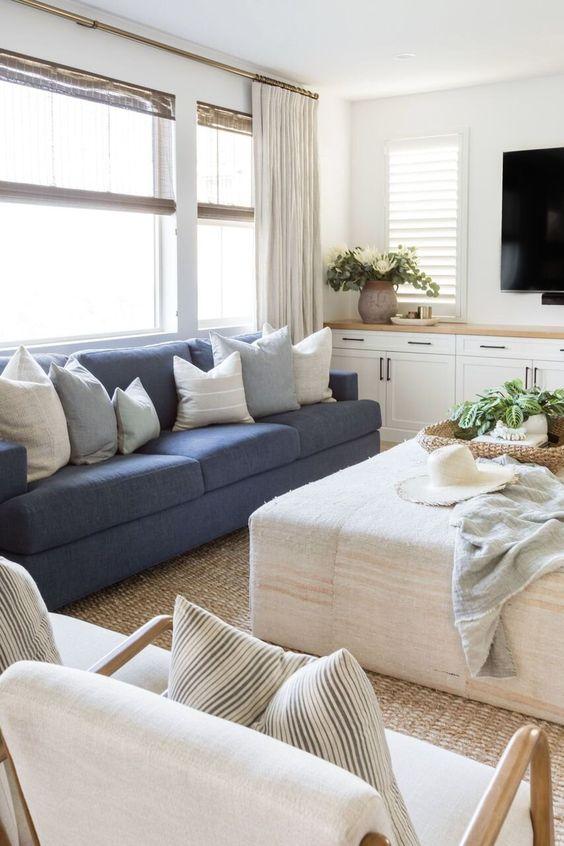
Smart storage solutions make large furniture work in small living rooms. They help keep the space tidy and open. Clever storage ideas fit more items without crowding. This creates a neat, comfortable room.
Built-in Storage Options
Built-in storage saves floor space and adds style. Shelves, cabinets, and benches can be part of walls. These units use awkward corners and empty walls well. They keep belongings organized and easy to reach.
Furniture With Hidden Compartments
Furniture with hidden compartments hides clutter out of sight. Sofas with storage under cushions and beds with drawers are great examples. Coffee tables with lift tops store books and magazines. These pieces keep your room looking clean and spacious.
Maximizing Underutilized Spaces
Underutilized spaces include areas under stairs and above doors. Use these spots for shelves or hooks to hold items. Narrow gaps between furniture are perfect for slim storage carts. Every little space can add useful storage without crowding.
Balancing Comfort And Style
Balancing comfort and style in a small living room with large furniture requires smart choices. The goal is to create a cozy space without it feeling cramped. Comfort invites you to relax, while style keeps the room looking fresh and inviting.
Choosing the right pieces and decorating carefully helps keep the room open yet warm. Soft textures and clean designs work well together. This balance makes the living area both practical and beautiful.
Selecting Comfortable Seating
Pick seating that feels good and fits the space. Large sofas with deep cushions offer comfort without overwhelming the room. Consider options with slim arms and legs to keep the look light. Chairs with soft upholstery add coziness. Seating should invite you to sit but not block pathways.
Adding Textures And Soft Furnishings
Use different textures to add warmth and interest. Soft rugs, throw blankets, and cushions create a cozy vibe. Mix materials like cotton, wool, and velvet for depth. Textiles break up large furniture surfaces and soften the room’s feel. Keep colors calm to avoid visual clutter.
Maintaining Clean Lines And Minimalism
Large furniture can look heavy if not balanced. Choose pieces with simple shapes and smooth finishes. Avoid too many decorative details. Clear surfaces and open spaces help the room breathe. Minimalist design keeps things neat and stylish. It lets comfort shine without excess.
Lighting To Open Up The Room
Lighting plays a crucial role in making a small living room with large furniture feel more spacious and inviting. The right lighting can reduce shadows, highlight key areas, and create a sense of depth that opens up the room. It’s not just about brightness; it’s about how you use different light sources to transform the space.
Layering Light Sources
Relying on a single overhead light can make your room feel flat and cramped. Instead, use multiple light sources at different levels to add dimension. Combine ceiling lights, floor lamps, and table lamps to create a balanced and welcoming atmosphere.
Think about how you move through the room. Use task lighting near seating areas for reading and ambient lighting to set the mood. This layered approach helps your large furniture blend naturally without overwhelming the space.
Using Natural Light
Natural light is your best friend in a small living room. Keep windows clear of heavy curtains or bulky blinds to let in as much daylight as possible. Sheer curtains can soften the light without blocking it completely.
If your large furniture blocks windows, rearrange it to maximize the flow of sunlight. Have you noticed how even a small amount of natural light can make a room feel twice as large? That’s the power of daylight in tight spaces.
Choosing Fixtures That Save Space
Big furniture often means less floor space, so pick lighting fixtures that don’t take up much room. Wall sconces, pendant lights, and slim floor lamps are excellent options that add light without cluttering your floor.
Consider fixtures with adjustable arms or dimmers to control light direction and intensity. This flexibility lets you tailor the lighting to your needs without sacrificing precious space around your large furniture.
Personalizing Small Spaces
Personalizing small spaces can feel like a puzzle, especially when large furniture takes up most of the room. But your space doesn’t have to lose its personality just because it’s compact. Adding personal touches creates a homey feel and makes your living area truly yours.
Incorporating Art And Decor
Art and decor give your small living room character without taking up floor space. Hang a few well-chosen pieces that resonate with your style—think a colorful painting or a framed photo that sparks joy. Try placing mirrors as decor to reflect light and make the room feel bigger.
Consider shelves on the walls to display small sculptures or trinkets. This keeps your surfaces clear while showing off your personality. How can you use your walls to tell your story?
Using Plants For Freshness
Plants bring life and freshness to any room, no matter the size. Choose compact plants like succulents or small ferns that don’t crowd your space. A hanging planter or a tall, slim plant can add greenery without using valuable floor space.
Plants improve air quality and boost your mood. You might find that caring for them becomes a relaxing daily ritual. Which plants could brighten your room and your day?
Keeping Clutter To A Minimum
Clutter is the biggest enemy of small spaces. Large furniture already dominates the room, so keeping surfaces clear is key. Use smart storage solutions like ottomans with hidden compartments or under-sofa bins.
Make it a habit to regularly sort through items and keep only what you love and use. This habit not only frees up space but also makes your living area feel calm and inviting. What clutter can you let go of today?

Frequently Asked Questions
How To Fit Large Furniture In Small Living Rooms?
Choose multi-functional pieces that offer storage or folding options. Arrange furniture to maximize floor space and maintain clear pathways. Use light colors and mirrors to create an illusion of space. Avoid overcrowding by selecting only essential large items.
What Are Space-saving Large Furniture Ideas?
Opt for sofas with built-in storage or foldable beds. Use wall-mounted shelves or tables to free floor space. Consider slim-profile armchairs and nesting tables. Prioritize pieces with dual purposes to keep the room organized and spacious.
Can Large Furniture Make A Small Room Look Bigger?
Yes, if chosen wisely. Large furniture with clean lines and neutral colors can balance the room. Avoid bulky designs that overpower the space. Proper placement and proportion help maintain openness and visual flow.
How To Arrange Large Furniture In Small Living Rooms?
Place the largest piece against the longest wall. Keep pathways clear and avoid blocking windows. Use rugs to define seating areas. Balance the room by distributing furniture evenly without cluttering corners.
Conclusion
Large furniture can fit well in small living rooms with smart planning. Choose pieces that serve more than one purpose. Keep the space open by avoiding clutter. Light colors make rooms feel bigger and brighter. Use mirrors to add depth and reflect light.
Small rooms still welcome big style and comfort. Enjoy your living space without feeling cramped. Simple changes create a cozy and functional home.