
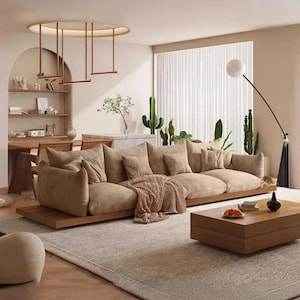
Are you looking to transform your living room into a peaceful, stylish retreat? Japanese style living room furniture might be exactly what you need.
It brings simplicity, comfort, and a sense of calm to your space. Imagine a room where every piece has a purpose, and clutter melts away, leaving you with pure relaxation. You’ll discover how to choose the perfect Japanese-style furniture that fits your taste and lifestyle.
Get ready to create a living room that feels both elegant and inviting—designed just for you.

The Essence Of Japanese Minimalism
Japanese minimalism shapes living room furniture with calm and simplicity. It strips away clutter and focuses on function and form. This style creates peaceful spaces that feel open and balanced. The essence lies in clean lines, natural materials, and thoughtful design.
Each piece in a Japanese minimalist living room has a purpose. The design avoids excess and promotes harmony with nature. This approach encourages relaxation and mindfulness in everyday life.
The Role Of Natural Materials
Wood, bamboo, and paper dominate Japanese minimalist furniture. These materials bring warmth and organic texture. They connect the indoors with the outside world. Natural materials age beautifully and add character over time.
Clean Lines And Simple Shapes
Furniture features straight lines and smooth surfaces. Curves are gentle and understated. Shapes avoid complexity to maintain a serene atmosphere. This simplicity helps the room feel spacious and uncluttered.
Functional And Multipurpose Designs
Japanese furniture often serves multiple uses. A low table might double as storage. Chairs may fold or stack to save space. This practicality supports a minimalist lifestyle without sacrificing comfort.
Neutral And Earthy Color Palettes
Colors stay soft and natural. Whites, beiges, and browns dominate the scheme. These hues enhance light and promote calm. Bold colors are rare, used only as subtle accents.
Balance Between Negative Space And Furniture
Empty space is as important as the furniture itself. Negative space allows the eye to rest. It prevents the room from feeling crowded. This balance creates a sense of order and tranquility.
Key Elements Of Japanese Furniture
Japanese style furniture is known for its calm and balanced look. It focuses on natural beauty and simple shapes. These pieces create a peaceful space that feels open and clean.
The key elements of Japanese furniture highlight nature, minimalism, and usefulness. Each piece fits well in small or large rooms. The design keeps only what is needed, avoiding clutter.
Natural Materials
Wood, bamboo, and paper are common materials in Japanese furniture. They bring warmth and texture to the room. Natural materials age well and add character over time. These materials connect the indoors with the outdoors.
Simple Lines
Clean, straight lines define Japanese furniture. Curves are rare and subtle. This simplicity creates a calm and neat look. The design avoids extra decoration or busy patterns. It helps keep the focus on form and function.
Functional Design
Every piece has a clear purpose. Furniture often serves more than one use. Storage is hidden to keep spaces tidy. Low seating and tables promote relaxation and connection. The design supports a quiet and comfortable lifestyle.
Popular Furniture Pieces
Japanese style living room furniture is all about simplicity and functionality. The pieces you choose can transform your space into a calm, inviting retreat. Let’s look at some popular furniture items that define this aesthetic and how they can fit into your home.
Tatami Mats
Tatami mats are traditional flooring made from rice straw and woven rush grass. They create a soft, natural surface that encourages sitting or lying close to the floor.
Adding tatami mats instantly gives your living room an authentic Japanese feel. Have you thought about how your seating habits might change with this simple floor covering? It invites a slower, more mindful way of relaxing.
Low Tables
Low tables, like chabudai, are central to Japanese living rooms. These tables sit just a few inches off the ground, making them perfect for sitting on cushions or tatami mats.
They are incredibly versatile—use them for meals, tea ceremonies, or even as a workspace. You might find that lowering your table changes how you engage with friends and family, making gatherings feel more intimate.
Shoji Screens
Shoji screens are sliding panels made from translucent paper and wood frames. They serve as room dividers or window coverings, allowing soft light to filter through.
Using shoji screens can open up your space without losing privacy. Have you considered how light and shadows play in your room? These screens help you control that mood beautifully while adding a touch of elegance.
Color Palette And Textures
The color palette and textures in a Japanese style living room play a crucial role in creating a calm and inviting space. They set the tone for relaxation and simplicity, reflecting a deep respect for nature and balance. Paying attention to these elements can transform your living room into a serene retreat.
Neutral Tones
Neutral tones form the backbone of Japanese living room furniture. Shades like soft beige, warm taupe, muted gray, and off-white create a peaceful atmosphere without overwhelming the senses.
You can easily mix these colors through walls, furniture, and accessories. For instance, a beige tatami mat paired with light wood furniture feels natural and soothing. Have you noticed how neutral colors make a room feel larger and more open?
Choosing the right neutral tone also helps highlight the beauty of natural materials used in the furniture. It’s a smart way to keep your space cohesive and visually comfortable.
Organic Textures
Organic textures add depth and interest to a Japanese style living room without clutter. Materials like bamboo, rattan, linen, and cotton bring a tactile quality that invites touch and connection.
Imagine running your hand over a smooth wooden coffee table or feeling the softness of a linen cushion. These textures create a subtle contrast with the simple color palette, making the space feel alive yet calm.
Think about how these textures age over time, gaining character and warmth. Would you prefer a glossy finish or something more raw and natural for your furniture? The choice of texture makes a big difference in the overall vibe.
Incorporating Nature
Incorporating nature into a Japanese style living room creates a calm and peaceful space. Nature elements bring warmth and balance to the room. They help connect the indoors with the outdoors, making the space feel fresh and alive. Using natural materials and greenery enhances the traditional Japanese aesthetic. It also promotes relaxation and mindfulness.
Indoor Plants
Indoor plants add life and color to a Japanese living room. Small bonsai trees or bamboo plants fit perfectly with the style. Place them on low wooden tables or in simple ceramic pots. Choose plants that require low maintenance and have clean lines. Greenery softens the space and creates a natural focal point. Plants also improve air quality and boost mood.
Natural Light
Natural light is essential in a Japanese style living room. Large windows or sliding shoji screens allow soft light to enter. Light filters gently, casting beautiful shadows on wooden floors and walls. Keep window treatments minimal to maximize daylight. Natural light highlights the textures of furniture and natural materials. It makes the room feel open, airy, and welcoming.
Storage Solutions In Minimalist Design
Storage solutions play a crucial role in Japanese style living rooms, where simplicity meets functionality. The minimalist design demands clever ways to keep your space tidy without cluttering it. How can you maintain that serene atmosphere while still having enough room for your essentials?
Built-in Storage
Built-in storage is a staple in Japanese interiors. These storage units blend seamlessly into walls or under benches, creating a clean and spacious feel. Imagine a low wooden cabinet that doubles as a seating area—perfect for storing books or tea sets.
Because they are part of the architecture, built-in storage saves floor space and keeps your living room looking calm and ordered. You can customize these units to fit your exact needs, from sliding doors to hidden compartments. Have you thought about using vertical space for storage? Tall cabinets or shelves can hold items without overwhelming the room.
Multi-functional Furniture
Multi-functional furniture is another smart way to keep your living room clutter-free. Think about a coffee table with drawers or a sofa that converts into a bed with storage underneath. These pieces give you more than just one function, reducing the need for extra furniture.
When I switched to a futon with a storage box, my small living room instantly felt more spacious. You don’t need a lot of bulky furniture when each item serves multiple purposes. What multi-functional piece could simplify your space today?
Creating A Tranquil Ambiance
Creating a tranquil ambiance in a Japanese style living room means embracing simplicity and calm. The focus lies on natural materials, clean lines, and soft colors that promote peace. Every element should invite relaxation and mindfulness.
The right furniture and decor help build a serene space that feels balanced and harmonious. This approach turns your living room into a quiet retreat from daily stress.
Zen-inspired Decor
Zen-inspired decor centers around minimalism and balance. Furniture with low profiles, such as floor cushions and simple wooden tables, fits perfectly. Natural wood tones and neutral colors create a warm and peaceful feel.
Open spaces and uncluttered surfaces allow the room to breathe. Sliding shoji screens or rice paper lamps can add a soft glow. These details bring a gentle light that soothes the eyes.
Calming Accessories
Choose accessories that enhance calmness and simplicity. Small bonsai trees or bamboo plants introduce nature indoors. Smooth stones or ceramic vases in muted shades add subtle texture.
- Soft wool or cotton throws in earth tones
- Simple pottery with matte finishes
- Rice paper lanterns or candles for warm light
- Natural fiber rugs with minimal patterns
These accessories create layers of calm without overwhelming the space. Each piece should reflect quiet beauty and encourage relaxation.

Balancing Tradition And Modernity
Japanese style living room furniture blends old traditions with new designs. It creates spaces that feel calm and fresh. The balance between tradition and modernity shapes a unique, inviting room. This mix respects cultural roots while adding practical, stylish touches.
Contemporary Twists
Modern Japanese furniture keeps the simple shapes of the past. Clean lines and smooth surfaces dominate the design. Low seating, such as floor cushions or sleek sofas, fits well in small spaces. Natural materials like wood and bamboo are used in new ways.
Technology and comfort meet tradition in clever designs. For example, hidden storage in tatami-style platforms saves space. Light fixtures often combine paper textures with energy-efficient bulbs. These updates keep the style fresh and useful for today’s homes.
Cultural Elements
Traditional Japanese furniture highlights nature and minimalism. Sliding doors and screens made of rice paper add softness to the room. Simple wood tones and neutral colors create a peaceful feel. Decorative items like bonsai trees and calligraphy connect to heritage.
Every piece has meaning and purpose in Japanese design. The use of space is intentional, avoiding clutter. This respect for nature and balance shows in the choice of furniture. It invites calmness, focus, and harmony into the living room.
Frequently Asked Questions
What Defines Japanese Style Living Room Furniture?
Japanese style furniture focuses on simplicity, natural materials, and functionality. It often features low profiles, clean lines, and neutral colors to create a calm and harmonious atmosphere.
How To Choose Furniture For A Japanese Living Room?
Select minimalist, low-height furniture made from wood or bamboo. Prioritize comfort and practicality with tatami mats, floor cushions, and sliding screens for authentic style.
Why Use Tatami Mats In Japanese Living Rooms?
Tatami mats provide a natural, soft flooring option. They promote a warm, inviting space while supporting traditional Japanese seating and décor aesthetics.
How To Incorporate Japanese Furniture In Modern Homes?
Blend Japanese pieces with contemporary designs by using neutral tones and natural textures. Keep spaces uncluttered to maintain the minimalist, serene feel of Japanese interiors.
Conclusion
Japanese style living room furniture brings calm and simplicity. It uses natural materials and clean lines. This style helps create a peaceful space to relax. Minimalism and functionality guide every piece chosen. Soft colors and low furniture make the room feel open.
You can enjoy comfort without clutter or noise. Try adding tatami mats or shoji screens for a true touch. This style fits well in any home. It invites balance and harmony to your daily life. A Japanese style living room feels warm and welcoming.
Simple beauty can change how you feel at home.