
Is your bathroom sink draining slowly or completely clogged? It’s frustrating, messy, and can disrupt your daily routine.
But before you call a plumber or buy expensive tools, there’s a simple way you can fix it yourself. Knowing how to unclog your bathroom sink with the right tool can save you time, money, and stress. In this guide, you’ll discover easy steps and the best tools to clear that blockage fast.
Keep reading, and you’ll be back to a clean, flowing sink in no time.

Credit: www.temu.com
Common Causes Of Sink Clogs
Sinks in the bathroom often clog due to several common reasons. Understanding these causes helps in preventing blockages. It also guides choosing the right tools to unclog the sink effectively.
Hair And Soap Buildup
Hair is a top cause of sink clogs. It traps soap scum and other particles. Over time, this mixture forms a thick, sticky mass. This buildup blocks water flow and slows drainage.
Food Particles And Debris
Food bits and small debris can enter bathroom sinks accidentally. These particles stick to the drain walls. They accumulate and reduce the pipe’s diameter. This leads to slow draining or complete blockage.
Mineral Deposits
Hard water leaves mineral deposits inside pipes. These deposits build up over months or years. The rough surface catches dirt and debris easily. This narrows the pipes and causes clogs.
Foreign Objects
Small toys, jewelry, or other objects can fall into the sink drain. These items block the pipes physically. Removing them usually clears the clog quickly. It’s important to avoid flushing objects down the drain.
Essential Tools For Unclogging
Having the right tools makes unclogging a bathroom sink easier. These tools help clear blockages quickly and safely. Knowing which tool to use saves time and effort. Keep these essentials handy for a smooth fix.
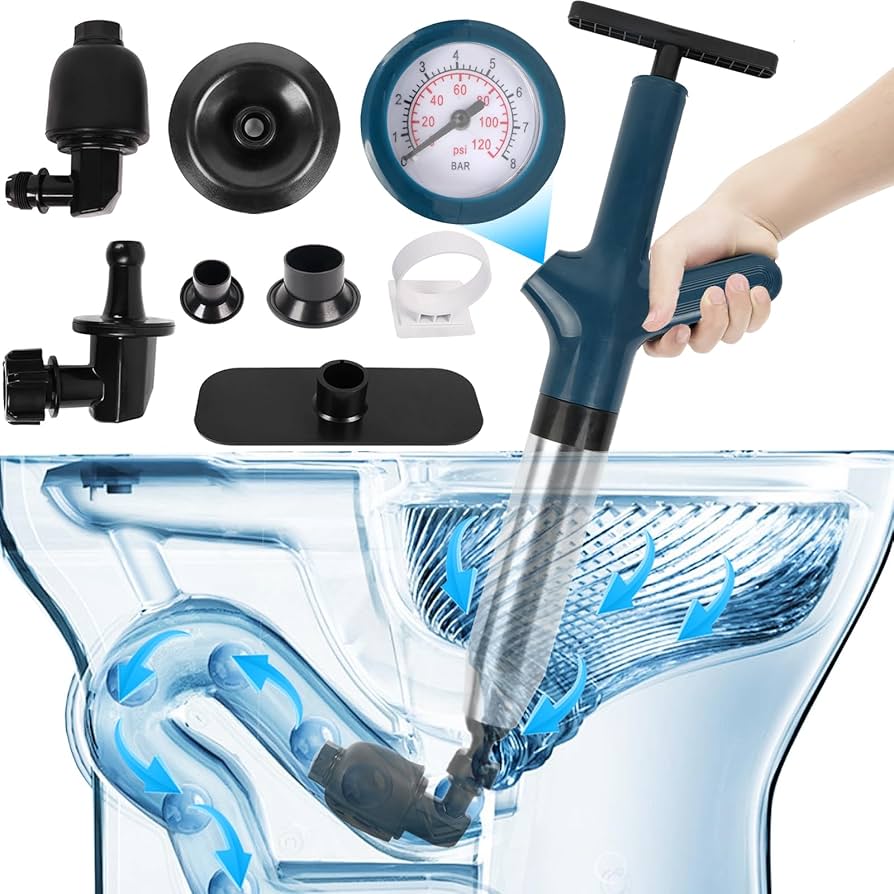
Plunger
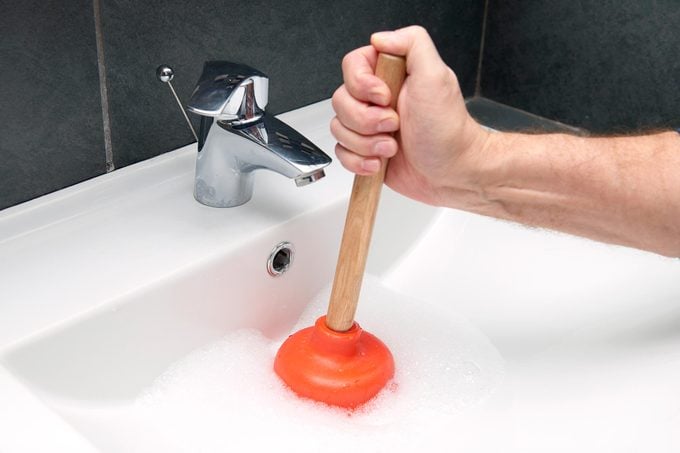
A plunger creates suction to loosen clogs. It works best on slow drains caused by hair or soap buildup. Use a plunger with a flat rim for sinks. Press firmly and pump several times. This can push the clog free without chemicals.
Drain Snake
A drain snake is a flexible wire that reaches deep blockages. Insert it into the drain and twist to break up clogs. It is effective for hair and debris stuck far inside. Snakes come in manual and powered versions. They help avoid damage to pipes.
Baking Soda And Vinegar
Baking soda and vinegar create a natural cleaning reaction. Pour baking soda down the drain first, then add vinegar. Wait 15-30 minutes for fizzing to break clogs. Flush with hot water to clear residue. This method is safe for pipes and eco-friendly.
Wet/dry Vacuum
A wet/dry vacuum can suck out blockages from the sink. Use it on the liquid setting to remove water and debris. Seal the vacuum hose around the drain opening for strong suction. This tool is useful for stubborn clogs and standing water. Always check the vacuum’s safety instructions first.
Step-by-step Unclogging Process
Unclogging your bathroom sink can feel frustrating, but breaking down the task into clear, manageable steps makes it easier. Each step targets common causes of clogs and uses tools or household items you likely have. Are you ready to tackle that stubborn blockage and restore smooth drainage?
Prepare The Area
Start by clearing everything around your sink to give yourself plenty of room to work. Lay down old towels or newspapers to catch any spills or drips. Have a bucket handy to catch water if you need to disconnect any pipes later.
Use A Plunger Effectively
Choose a cup plunger designed for sinks, not a flange plunger made for toilets. Fill the sink with enough water to cover the plunger’s cup for better suction. Push and pull the plunger vigorously over the drain for about 20 seconds, then quickly pull it off to see if the water drains.
Try A Drain Snake
If the plunger doesn’t clear the clog, a drain snake can reach deeper blockages. Insert the snake gently into the drain and rotate it clockwise as you push forward. When you feel resistance, keep turning to break up or hook the clog, then pull it out carefully.
Apply Baking Soda And Vinegar
This natural solution can dissolve grease and soap buildup. Pour half a cup of baking soda down the drain, followed by half a cup of vinegar. Cover the drain and wait about 15 minutes while the fizzing action works on the clog.
Flush With Hot Water
Finish by pouring a kettle of hot water down the drain to wash away loosened debris. Avoid boiling water if your pipes are PVC, as it could cause damage. Hot tap water usually does the trick and helps clear the drain completely.

Credit: www.popularmechanics.com
Preventive Measures To Avoid Clogs
Keeping your bathroom sink clog-free often starts before any blockage appears. Preventive measures save you time, money, and the hassle of dealing with a slow or backed-up drain. Let’s look at practical steps you can take to keep water flowing smoothly.
Regular Cleaning
Clean your sink drain regularly to stop buildup from forming. A simple mix of baking soda and vinegar can break down grime without harsh chemicals. I noticed less clogging after making this a weekly habit—it keeps the pipes fresh and clear.
Try running hot water for a few minutes after each cleaning to flush out loosened debris. How often do you think about what’s lurking just below your drain surface?
Use Drain Screens
Drain screens catch hair, soap scum, and small debris before they enter the pipes. They’re inexpensive and easy to install, yet many overlook this simple tool. I used to ignore this until a hair clog forced me to buy one—and it made a huge difference!
Keep the screen clean by removing trapped debris regularly. Would you rather spend a minute clearing a screen or an hour unclogging a pipe?
Avoid Pouring Grease
Grease and oils might seem harmless, but they solidify in pipes, causing stubborn clogs. Avoid pouring cooking fats or oily substances down your bathroom sink. Instead, collect them in a container and dispose of them in the trash.
Think about how often grease sneaks into your drain unnoticed. Preventing it can save you from tough cleanups later.
Proper Disposal Of Waste
Only water and liquid products should go down your bathroom sink. Items like cotton balls, wipes, dental floss, and toothpaste residues can block pipes quickly. Throw these in the trash rather than the drain.
By keeping solid waste out, you protect your plumbing and reduce the chance of needing harsh chemical treatments. What small change can you make today to protect your pipes?
When To Call A Professional
Knowing when to call a professional plumber can save you time, money, and frustration. While many bathroom sink clogs can be fixed with basic tools, some issues require expert attention. Recognizing the signs that point to a more serious problem helps you avoid causing further damage or wasting effort on ineffective fixes.
Persistent Blockages
If you’ve tried plungers, drain snakes, and chemical cleaners but the sink remains clogged, it’s time to get help. Persistent blockages often mean the clog is deeper or more complex than it appears. Professionals have specialized equipment like video inspection cameras that can locate and remove stubborn obstructions quickly.
Have you noticed water draining slowly even after multiple attempts to clear the clog? This is a clear signal that your DIY methods aren’t enough and professional intervention is needed.
Multiple Drain Issues
When more than one drain in your bathroom or home is acting up simultaneously, the problem might be in the main sewer line rather than just the sink. This can lead to backups, odors, and water damage if left untreated. A plumber can assess your entire drainage system and fix the root cause.
Don’t ignore signs like slow draining in the bathtub or toilet along with your sink clog. This often means a bigger problem than a single drain clog and requires professional diagnosis.
Signs Of Pipe Damage
Cracks, leaks, or strange noises coming from your pipes are warning signs that you should not overlook. Damaged pipes can cause water damage and mold growth, which are costly to repair. Only a professional can safely handle pipe replacements or repairs to prevent further issues.
Have you seen water pooling under the sink or noticed foul smells? These symptoms suggest pipe damage or leaks that need expert attention immediately.
Credit: www.rd.com
Frequently Asked Questions
What Tools Are Best For Unclogging A Bathroom Sink?
A plunger, plumber’s snake, and a wrench are ideal. These tools help clear blockages safely and efficiently. Using the right tool prevents damage and speeds up the unclogging process.
How Do I Use A Plunger To Unclog My Sink?
Fill the sink with enough water to cover the plunger’s cup. Place the plunger over the drain and push down firmly. Pump up and down several times, then quickly pull the plunger off to clear the clog.
Can Baking Soda And Vinegar Unclog Bathroom Sinks?
Yes, baking soda and vinegar create a foaming reaction that dissolves grime. Pour half a cup of baking soda into the drain, followed by half a cup of vinegar. Wait 15 minutes, then flush with hot water for best results.
When Should I Call A Professional Plumber For Sink Clogs?
Call a plumber if the clog persists after DIY methods. Also, seek help if you notice leaks, slow drainage, or foul odors. Professionals can handle tough blockages and prevent further damage.
Conclusion
Unclogging a bathroom sink can be simple with the right tools. Knowing how to use them saves time and stress. Plungers and drain snakes are essential tools. They clear blockages quickly and effectively. Regular maintenance prevents future clogs. It keeps water flowing smoothly and avoids plumbing issues.
Always follow safety guidelines when using tools. This ensures a safe and successful experience. Remember, a clear sink means a happy bathroom. Keep these tips in mind, and your sink will stay clog-free. Happy unclogging!