

Is your kitchen sink draining slowly or not at all? A clogged drain can turn simple tasks into frustrating messes.
You might be tempted to call a plumber right away, but before you do, there are easy and effective ways you can try to fix it yourself. Imagine saving time, money, and the hassle of waiting for help. You’ll discover simple steps to unclog your kitchen sink drain quickly and safely.
Keep reading to learn how you can get your sink flowing smoothly again—without stress or expensive tools.

Credit: www.youtube.com
Common Causes Of Clogged Kitchen Sinks
Clogged kitchen sinks happen for several common reasons. Knowing these causes helps prevent blockages. It also guides you on how to clear the drain effectively.
Food Residue Build-up
Small bits of food often get trapped in the drain. Over time, these particles form a thick layer. This layer slows water flow and causes clogs. Avoid pouring large food scraps down the sink.
Grease And Oil Accumulation
Grease and oil look liquid when hot but harden when cold. They stick to pipe walls and catch debris. This sticky layer grows thicker and blocks water. Never pour grease or oil down the drain.
Foreign Objects Blockage
Items like utensils, bottle caps, or small toys can fall into the sink. These objects block the pipes and stop water flow. Check the drain for any stuck foreign items regularly.
Soap Scum And Mineral Deposits
Soap mixes with minerals in water to form a hard, sticky scum. This scum builds up inside pipes and narrows the passage. Mineral deposits from hard water add to the blockage. Clean pipes often to prevent this problem.

Credit: www.youtube.com
Tools And Materials Needed
Before you tackle a clogged kitchen sink, gathering the right tools and materials can save you time and frustration. Having everything ready means you won’t be interrupted halfway through the job. Plus, using the proper items helps you avoid damage to your plumbing or making the clog worse.
Plunger
A plunger is often the first tool you’ll reach for. It creates suction to dislodge blockages near the drain opening. Choose a sink plunger with a flat rim designed specifically for kitchen sinks to get the best seal and pressure.
Do you know that plungers can clear many clogs without any chemicals or complicated tools? Keep one handy in your kitchen for quick fixes.
Drain Snake
A drain snake, also called a plumber’s auger, is a long, flexible tool that can reach deep into pipes to break up or pull out stubborn clogs. It’s perfect when plunging doesn’t work.
Using a drain snake requires a bit of patience and a gentle touch to avoid damaging pipes. But once you get the hang of it, it’s a powerful way to clear tough blockages.
Baking Soda And Vinegar
This natural combination creates a fizzy reaction that can help loosen grime and minor clogs. Baking soda scrubs gently, while vinegar’s acidity breaks down buildup.
Many people prefer this eco-friendly solution over harsh chemicals. Have you tried this before? It’s a simple remedy you might already have in your pantry.
Boiling Water
Boiling water can melt grease and flush away soap scum that block drains. Pour it slowly to avoid splashing and protect yourself from burns.
Sometimes, a few cups of boiling water are all you need to clear slow drains. Keep a kettle ready for this quick fix.
Rubber Gloves And Bucket
Rubber gloves protect your hands from dirty water and sharp debris inside the drain. A bucket helps catch any spills or water you remove during the process.
Wearing gloves also keeps you more comfortable and hygienic. A bucket placed under the sink can prevent messes when you loosen the pipes or remove the trap.
Quick Fixes For Minor Clogs
Minor clogs in your kitchen sink can be frustrating, especially when you need to get back to cooking or cleaning quickly. Luckily, there are several simple fixes you can try using common household items. These quick solutions often clear the blockage without the need for harsh chemicals or professional help.
Using Boiling Water
Boiling water is one of the easiest ways to tackle a minor clog. Pour a kettle of boiling water directly into the drain in stages, allowing it to work through the grease or soap buildup. This method works best for slow drains caused by fats solidifying inside the pipes.
Have you noticed how often greasy residues cause your sink to drain slowly? Pouring boiling water regularly can help prevent future blockages by dissolving these deposits before they harden.
Applying Baking Soda And Vinegar
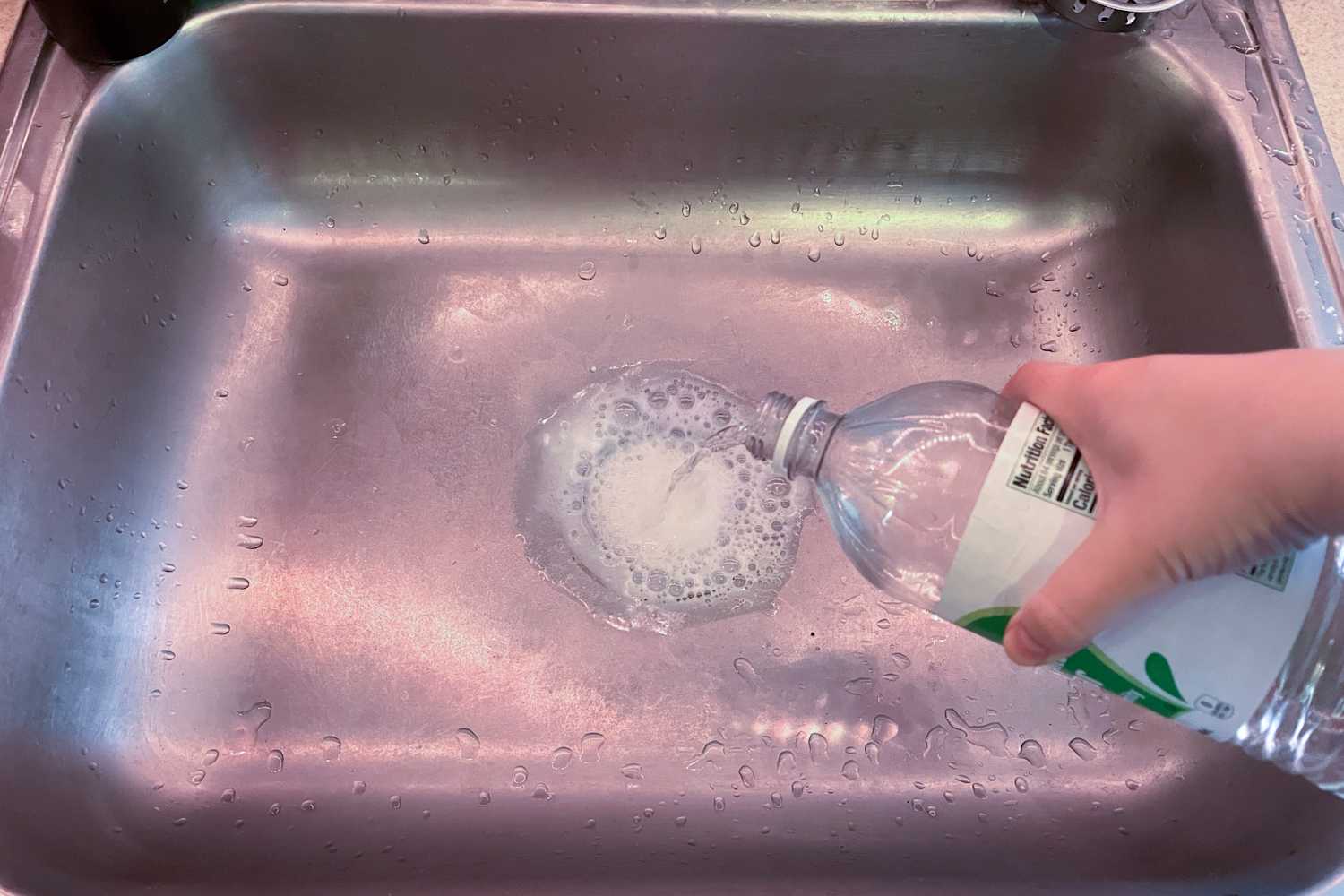
This natural combination is a powerful, eco-friendly cleaner for your drain. Start by pouring about half a cup of baking soda down the drain, followed by half a cup of vinegar. The fizzing reaction breaks down grime and loosens clogs.
After letting it sit for 15-20 minutes, flush the drain with hot water. This simple mix can refresh your pipes and eliminate odors without the harshness of chemical cleaners.
Plunging The Drain
A plunger isn’t just for toilets—it can be your best friend when dealing with kitchen sink clogs. Place a sink plunger over the drain and pump it vigorously several times. The suction helps dislodge whatever is blocking the flow.
Ensure you cover any overflow holes with a wet cloth to maintain pressure. If your sink has a double basin, seal the other drain with a stopper or cloth to make plunging more effective.
Credit: www.thekitchn.com
Step-by-step Guide For Stubborn Clogs
Stubborn kitchen sink clogs can test your patience and disrupt your daily routine. Tackling them requires more than just pouring hot water down the drain. This step-by-step guide will walk you through practical techniques to clear those tough blockages effectively, saving you time and potentially costly plumber visits.
Removing And Cleaning The P-trap
The P-trap is a curved pipe beneath your sink that often traps debris causing clogs. Before reaching for harsh chemicals, try removing it to clear any buildup.
Start by placing a bucket under the P-trap to catch water. Use a wrench or your hands to loosen the slip nuts holding the trap in place. Once removed, inspect for gunk like hair, grease, or food particles, and clean it thoroughly with a brush or rag.
After cleaning, reassemble the P-trap tightly to avoid leaks. This simple action cleared a stubborn clog in my kitchen once, proving that sometimes the problem lies closer than you think. Have you checked your P-trap lately?
Using A Drain Snake
A drain snake, or auger, is a flexible tool that reaches deeper blockages beyond the P-trap. It’s especially useful when you suspect the clog is further down the pipe.
Feed the snake slowly into the drain, twisting it to break through or hook the clog. When you feel resistance, gently pull it out, removing the debris. Repeat as needed until water flows freely again.
Drain snakes come in various sizes; a handheld version works well for kitchen sinks. Using one gave me direct control over the clog and avoided unnecessary chemical use. Could a drain snake be your next best tool for stubborn clogs?
Chemical Drain Cleaners: When To Use Them
Chemical drain cleaners can dissolve clogs but should be a last resort due to their harsh nature. They may damage pipes or harm the environment if misused.
Use chemical cleaners only if mechanical methods fail. Follow product instructions carefully, and never mix different chemicals. Always wear gloves and ensure good ventilation.
Think about the long-term health of your plumbing system before choosing chemicals. Sometimes patience and the right tools offer a safer, more effective solution. Are you ready to try safer alternatives before reaching for chemicals?
Preventing Future Clogs
Preventing future clogs in your kitchen sink drain saves time and stress. Simple habits keep your pipes clear and water flowing smoothly. Small changes help avoid tough blockages.
Proper Disposal Of Food Waste
Never pour food scraps down the drain. Use a trash bin or compost for leftovers. Avoid fibrous foods like celery or onion skins that tangle in pipes. Grind waste only if your garbage disposal is designed for it. Rinse plates and pots before washing to remove solid food bits.
Avoiding Grease Pouring
Grease hardens inside pipes and causes serious clogs. Let cooking oil cool, then pour it into a container. Throw the container in the trash. Wipe greasy pans with paper towels before washing. Avoid pouring sauces, butter, or fats down the drain.
Regular Maintenance Tips
- Flush drains with hot water weekly to clear minor build-up.
- Use baking soda and vinegar monthly to break down debris.
- Check and clean sink strainers to catch food particles.
- Avoid chemical drain cleaners that can damage pipes.
- Schedule professional inspections if slow drainage appears.
When To Call A Professional
Persistent clogs despite various DIY methods may signal the need for professional help. Slow draining or strange noises indicate deeper issues. Avoid worsening the problem by calling an expert to ensure a thorough and safe solution.
When a kitchen sink drain clogs, it can often be resolved with simple methods. Sometimes, though, the problem requires professional intervention. Recognizing when to call a professional can save time and prevent damage.Signs Of Serious Plumbing Issues
Persistent clogs indicate a deeper issue. If water drains slowly or not at all, it suggests a blockage. Unpleasant odors from the drain might mean trapped debris. Gurgling sounds can signal trapped air in the pipes. Leaking pipes under the sink are a red flag. Water stains around the sink area often indicate a serious plumbing problem.Benefits Of Professional Help
Professionals identify the root cause of the issue. Their expertise ensures a thorough and lasting solution. They use specialized tools to reach deep blockages. Hiring a professional prevents further damage to your plumbing system. They ensure safe handling of the pipes and fixtures. This can save money on costly repairs in the long run.Frequently Asked Questions
How Do I Quickly Unclog A Kitchen Sink Drain?
To quickly unclog a kitchen sink, use a plunger or a drain snake. Boiling water and baking soda with vinegar also help clear minor blockages fast.
What Household Items Can Unclog A Kitchen Sink?
Common items like baking soda, vinegar, and boiling water can unclog drains. A plunger or wire hanger can also remove debris causing blockages.
Why Is My Kitchen Sink Draining Slowly?
Slow drainage usually means a partial clog from grease, food scraps, or soap buildup. Regular cleaning prevents buildup and keeps water flowing smoothly.
Can Chemical Drain Cleaners Damage Pipes?
Yes, harsh chemical cleaners can corrode pipes over time. Use natural remedies or mechanical methods first to protect your plumbing system.
Conclusion
Clearing a kitchen sink drain does not have to be hard. Small clogs often come from food scraps or grease. Using simple tools like a plunger or a drain snake can help. Regular cleaning prevents build-up and keeps water flowing.
Avoid pouring grease or large bits down the drain. Taking care of your sink saves time and money. Try these easy steps next time your drain feels slow. Keeping your kitchen sink clear makes cooking and cleaning easier every day.