
Struggling to arrange your furniture in a small living room? You’re not alone.
When space is tight, every piece matters, and a wrong move can make your room feel cramped or cluttered. But don’t worry—setting up your furniture the right way can transform your small living room into a cozy, stylish, and functional space you’ll love.
Keep reading, and you’ll discover simple tips that make the most of your room without sacrificing comfort or style. Your perfect small living room setup is closer than you think.
Measure Your Space
Measuring your living room is the foundation of smart furniture arrangement. Without precise measurements, you risk buying pieces that won’t fit or clutter your space. Taking the time to measure carefully saves money, effort, and frustration.
Take Accurate Room Dimensions
Start by measuring the length and width of your room using a tape measure. Write down the numbers clearly and double-check them to avoid errors. Remember to measure at multiple points because walls might not be perfectly straight.
Don’t forget the ceiling height—it affects your choice of tall furniture or shelves. If your room isn’t a perfect rectangle, sketch a simple floor plan and note the dimensions on it. This visual aid helps you see where each piece can go.
Consider Doorways And Windows
Measure the size and position of all doorways and windows carefully. You need to know how much clearance is required for doors to open fully and how natural light flows into the room. This will influence where you place sofas or chairs.
Think about traffic flow—can people move easily without bumping into furniture? Also, take note of window sills and radiators; these can limit furniture placement. Have you ever bought a couch only to find it blocks a window or door? Avoid that by planning around these features first.

Choose Multi-functional Furniture
Choosing multi-functional furniture is a smart move when setting up a small living room. It helps you maximize space without sacrificing style or comfort. By picking pieces that serve more than one purpose, you create a room that feels open and organized, even with limited square footage.
Opt For Storage Solutions
Storage is key in a small living room. Look for furniture that hides clutter, like ottomans with storage inside or coffee tables with shelves. These pieces keep your space tidy and make it easier to find what you need.
Think about adding a storage bench by the window or under a console table. These spots often go unused but can store blankets, books, or toys. Wouldn’t it feel great to have everything in its place without extra furniture crowding your room?
Select Compact Seating
Choosing seating that fits your space is crucial. Compact sofas or loveseats provide enough room to relax without overwhelming the room. Chairs with slim profiles or armless designs can also save valuable space.
Consider seating that can be moved easily, like stools or poufs. They offer flexibility for guests and can be tucked away when not needed. How often do you find yourself needing extra seats but don’t have space to store them?
Create Zones For Different Activities
Creating zones in a small living room helps organize the space clearly. Each zone serves a specific purpose, making the room functional and cozy. Zones prevent clutter and improve the flow of movement. Defining areas for relaxation, work, or hobbies balances comfort and productivity.
Define Relaxation Areas
Choose a corner or wall for your relaxation zone. Use a comfortable sofa or armchair as the centerpiece. Add a small coffee table for drinks and books. Soft lighting, like a floor lamp, creates a calming atmosphere. Use a rug to visually separate this space from others. Keep the area free of work items to maintain peace.
Set Up Work Or Hobby Spaces
Pick a quiet spot for your work or hobby zone. A compact desk or table fits well in a small room. Use shelves or organizers to keep supplies tidy. Good lighting is essential—choose a desk lamp or bright overhead light. This zone should inspire focus but not overwhelm the room. Keep it separate from the relaxation area to switch easily between tasks.
:max_bytes(150000):strip_icc()/FormalLivingRoomLowRes-78afcee53ad14df89d56392789957f9e.jpg)
Maximize Vertical Space
Maximizing vertical space is a game changer in small living rooms. Instead of spreading out horizontally, look up. This opens up your floor area and makes the room feel larger and more organized.
Use Wall Shelves
Wall shelves are perfect for adding storage without taking up floor space. You can stack books, display plants, or keep everyday items neatly arranged. Think about installing floating shelves above your sofa or TV to keep essentials close yet out of the way.
Try mixing shelf heights to create visual interest and accommodate different items. For example, a low shelf for framed photos combined with a higher one for decorative baskets adds both function and style. Have you ever noticed how a well-placed shelf draws your eye upward, making the room feel taller?
Hang Art And Mirrors
Hanging art or mirrors can instantly lift a small room’s vibe. Mirrors reflect light and create the illusion of more space—perfect if your living room lacks natural light. Place a large mirror opposite a window to bounce daylight around the room.
Art doesn’t just decorate; it directs attention upward as well. Choose vertical pieces or a gallery wall that stretches from sofa height to ceiling. This draws your gaze up and makes the walls feel less cramped.
Focus On Traffic Flow
Setting up furniture in a small living room demands careful attention to how people move through the space. Traffic flow isn’t just about leaving enough room to walk—it affects comfort, functionality, and the overall feel of the room. When you focus on traffic flow, you create an environment where every step feels natural and every corner is usable.
Keep Pathways Clear
Clear pathways are essential to prevent your small living room from feeling cramped. Aim to leave at least 24 to 30 inches of walking space between furniture pieces. This simple rule stops the room from turning into an obstacle course.
Look around your space and identify the main routes people take to enter, exit, and move around. Remove any furniture or décor that blocks these routes. Sometimes, just pulling a chair a few inches away from a doorway can make a big difference.
Ask yourself: Can someone comfortably walk through without turning sideways or squeezing past? If the answer is no, rearrange until the answer is yes.
Arrange Furniture For Easy Movement
The way you arrange your furniture sets the pace for how smoothly people move around your living room. Position larger pieces like sofas and armchairs against the walls or corners to open up central space. This creates a natural flow that invites movement rather than blocking it.
Consider angles and spacing carefully. A coffee table placed too close to seating can restrict legroom and create awkward navigation. Instead, keep about 18 inches between seating and tables to balance comfort and accessibility.
Think about your own experience moving through your living room. Are you constantly stepping over things or squeezing through tight spots? Adjusting furniture with movement in mind can transform your small space from frustrating to functional.
Select Light And Neutral Colors
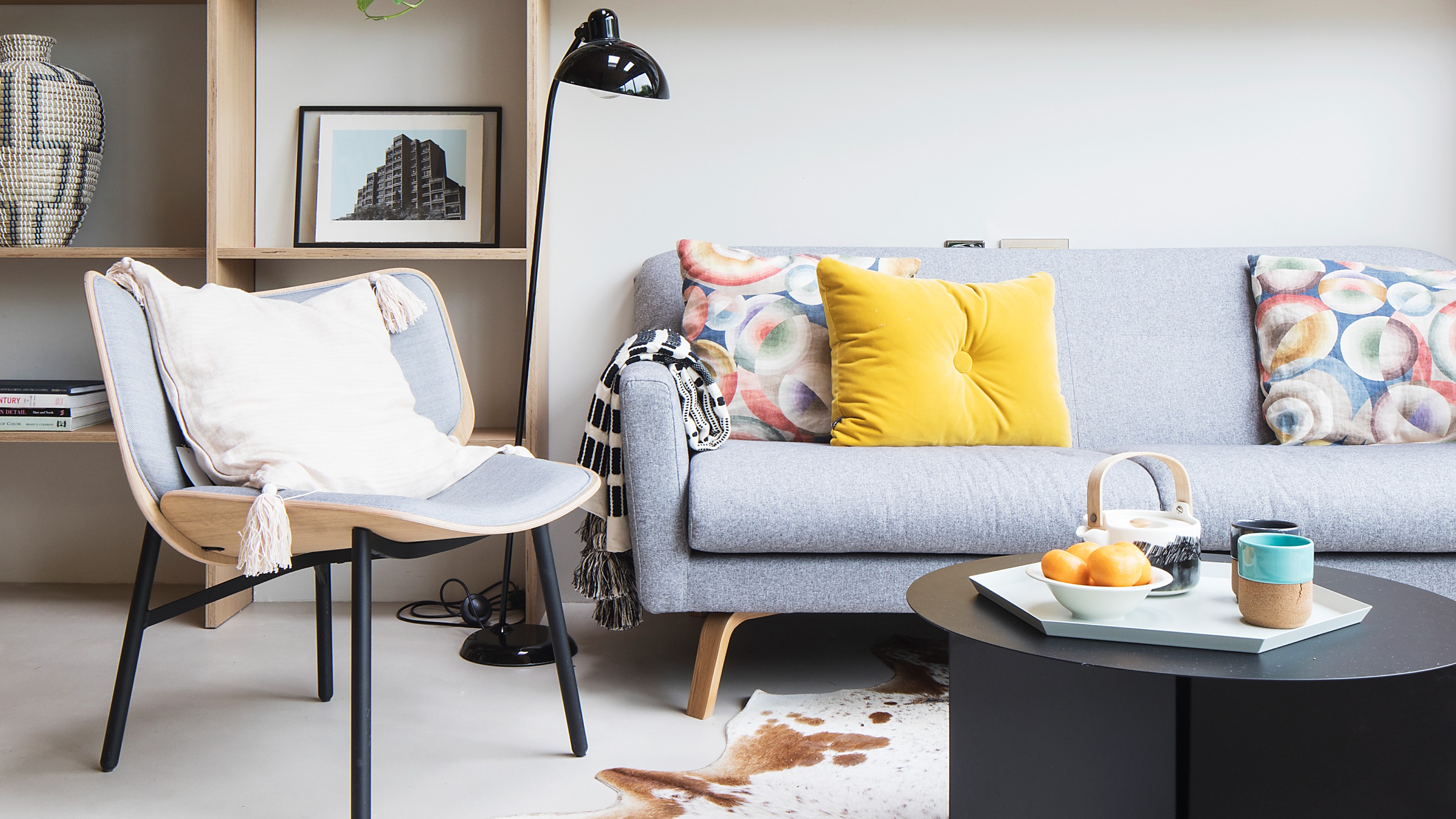
Choosing light and neutral colors for your small living room can dramatically change how spacious and inviting the area feels. These shades create an open, airy atmosphere that helps your space breathe. Instead of dark or bold hues, opt for soft whites, beiges, light grays, or pastels to keep your room feeling fresh and uncluttered.
Enhance Natural Light
Light colors reflect natural light better, making your room appear larger and brighter. Position your furniture near windows to maximize sunlight flow throughout the space. If you have heavy curtains, swap them for sheer or light-colored options that allow more daylight to filter in.
Think about how much natural light your room receives daily. Could rearranging furniture improve the light’s reach? Even a small change can brighten dark corners and open up the room visually.
Use Reflective Surfaces
Adding reflective elements like mirrors, glass tables, or glossy finishes can bounce light around your room. This trick amplifies brightness and gives the illusion of more space. A well-placed mirror opposite a window can double the incoming natural light, instantly energizing the room.
Consider using furniture with glass tops or metallic accents to keep the environment light and airy. These surfaces don’t absorb light but spread it, reducing the feeling of confinement.
Incorporate Small Accent Pieces
Small accent pieces bring charm and personality to a small living room. They create interest without crowding the space. Thoughtful choices make the room feel cozy and complete.
Using small accents helps define areas and add texture. These pieces can brighten dull corners or tie the room’s colors together. They invite comfort and style in a subtle way.
Add Rugs And Cushions
Rugs and cushions add warmth and softness to the room. Choose rugs that fit the space without overwhelming it. Small or medium-sized rugs help separate zones.
Cushions can brighten sofas and chairs with color and pattern. Use a few cushions with different textures to add depth. Keep the colors light and fresh for a roomy feel.
Use Compact Side Tables
Compact side tables provide surface space without bulk. Look for slim, tall tables that fit next to chairs or sofas. Tables with storage add extra function in small rooms.
Choose tables in light colors or glass to keep the look open. Round edges soften the space and improve flow. These small pieces keep essentials close without crowding.
Frequently Asked Questions
How To Maximize Space In A Small Living Room?
Use multifunctional furniture and vertical storage to save space. Keep pathways clear and avoid bulky pieces. Choose light colors and mirrors to create an open feel. Declutter regularly to maintain a tidy and spacious look.
What Furniture Layout Works Best For Small Living Rooms?
Opt for a simple, open layout with minimal furniture. Place larger pieces against walls to free up central space. Use corner units and floating shelves to utilize awkward areas. Arrange seating to encourage conversation and easy movement.
How To Choose Furniture Size For A Small Living Room?
Measure your room before buying furniture. Select pieces scaled to the room size, avoiding oversized items. Compact, modular furniture works well. Consider furniture with exposed legs to create a sense of openness and lightness.
What Colors Make A Small Living Room Appear Bigger?
Light and neutral colors like white, beige, and pastels brighten the space. Use consistent shades on walls, furniture, and decor for cohesion. Avoid dark colors that absorb light and make the room feel smaller.
Conclusion
Setting up furniture in a small living room can feel tricky. Keep the space open and avoid crowding. Choose pieces that fit well and serve multiple purposes. Use light colors to make the room look bigger. Arrange furniture to allow easy movement.
Add mirrors to create a sense of depth. With simple steps, your small living room can feel cozy and inviting. Enjoy making the most of your space every day.