
Are you wondering why your energy bills keep rising, even though you try to stay warm at home? The answer might be hidden in places where heat quietly escapes your house.
Knowing how to see heat loss in your house can save you money and make your home more comfortable. You’ll learn simple ways to spot where heat is slipping away and easy steps to stop it. Keep reading—you’ll discover how small changes can make a big difference for your comfort and savings.
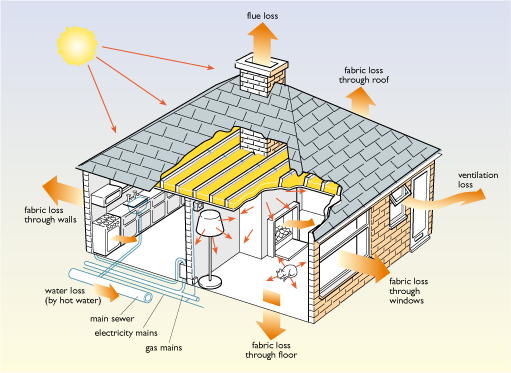
Identifying Common Heat Loss Areas
Spotting where heat escapes your home can save you money and keep you comfortable. Heat loss often hides in everyday parts of your house that you might overlook. Knowing where to look helps you take quick action and improve your home’s energy efficiency.
Windows And Doors
Windows and doors are the most common places heat slips out. Check for drafts by holding a candle or lighter near the edges; if the flame flickers, air is leaking. Installing weather stripping or upgrading to double-glazed windows can make a big difference.
Attic And Roof
Heat rises, so the attic and roof are major heat loss points. Look for missing or compressed insulation, which reduces its effectiveness. Seal any gaps around vents, chimneys, and attic hatches to keep warm air inside your living space.
Walls And Insulation
Walls without proper insulation let heat escape through conduction. If your home is older, the insulation may have settled or degraded over time. You can test this by feeling for cold spots on walls during chilly days or by using a thermal camera if available.
Floors And Basements
Cold air can seep in through floors and basements, especially if they are unfinished or poorly insulated. Crawl spaces and gaps around pipes are common trouble spots. Adding insulation or sealing cracks here can prevent heat from escaping downward.
Credit: www.evergreenyourhome.com
Tools To Detect Heat Loss
Detecting heat loss in your house is easier when you have the right tools. These devices help you pinpoint exactly where warm air escapes or cold air enters. Knowing this allows you to fix problem areas and save on energy bills.
Thermal Imaging Cameras
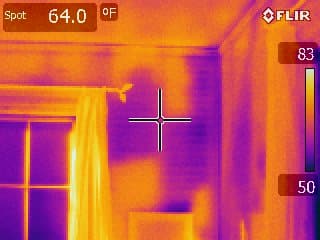
Thermal imaging cameras show you a visual heat map of your home. They reveal hot and cold spots by capturing infrared radiation. You can quickly spot gaps in insulation, leaks around windows, and poorly sealed doors.
I once used a thermal camera and found a hidden draft behind my living room wall. Fixing that spot made a noticeable difference in my home’s temperature. These cameras can be rented or purchased depending on your budget.
Infrared Thermometers
Infrared thermometers measure the temperature of surfaces without touching them. Aim the device at walls, windows, or vents to check for unusual cold or warm spots. This tool is affordable and easy to use for quick checks around your house.
Try scanning near window frames or attic entrances. If the temperature readings vary significantly from other parts of the room, it’s a sign of heat loss. This quick test can guide where to focus your repairs.
Smoke Pencils And Draft Detectors
Smoke pencils release a thin stream of smoke to reveal air movement. Use them near doors, windows, and vents to see if drafts are present. If the smoke wavers or moves, warm air might be escaping or cold air entering.
Draft detectors work similarly but use sensitive sensors to detect airflow. These tools are inexpensive and handy for checking small leaks that are hard to spot visually. Have you checked your door seals with one of these? You might be surprised at what you find.
Diy Methods For Spotting Heat Loss
Spotting heat loss in your home doesn’t always require expensive equipment or professional help. You can use simple DIY methods to identify where warm air is escaping. These practical checks help you take immediate action to improve your home’s energy efficiency and comfort.
Visual Inspections
Start by closely examining your windows, doors, walls, and attic. Look for visible cracks, gaps, or damaged weatherstripping that might let heat slip out. Don’t forget to check around electrical outlets and baseboards, as these are often overlooked spots where cold air sneaks in.
I once found a tiny crack near my front door frame that was barely noticeable but caused a chilly draft every winter. Sealing it made a noticeable difference in warmth and energy bills.
The Candle Or Incense Test
Light a candle or an incense stick and slowly move it near suspected leak areas like windows, door frames, and vents. Watch the flame or smoke for any flickering or movement caused by drafts. This simple test reveals hidden airflow that you might not feel on your skin.
Try this test on a windy day to increase your chances of detecting leaks. It’s amazing how a small flicker can point right to the source of heat loss in your home.
Checking For Cold Spots
Feel the walls, floors, and ceilings throughout your rooms, especially near exterior walls. Cold spots often indicate poor insulation or air leaks. Pay close attention to corners and areas near the foundation where heat tends to escape the most.
You can also use a handheld infrared thermometer if you have one, but your hands are often enough to spot these cold zones. Noticing these spots early can save you from uncomfortable drafts and higher heating costs down the line.
Improving Home Insulation
Improving home insulation reduces heat loss and lowers energy bills. It helps keep your house warm in winter and cool in summer. Proper insulation creates a barrier that stops warm air from escaping. It also blocks cold air from entering your home. Small changes in insulation can make a big difference in comfort and savings.
Sealing Gaps And Cracks
Gaps and cracks around doors, windows, and walls allow warm air to escape. Use weatherstripping or caulk to seal these openings. Check areas around pipes, vents, and electrical outlets too. Sealing these leaks prevents drafts and keeps heat inside. It is a simple and low-cost way to improve insulation.
Upgrading Window Treatments
Windows are a common source of heat loss. Installing thermal curtains or blinds reduces heat escape. Choose window treatments with insulating materials. Close curtains at night to keep warmth inside. Double-glazed windows add extra protection by trapping air between panes. These upgrades improve comfort and reduce heating costs.
Adding Attic And Wall Insulation
Attics and walls lose a lot of heat if not insulated properly. Add insulation materials like fiberglass, foam, or cellulose to these areas. Attic insulation blocks heat from rising out of your home. Wall insulation prevents cold air from seeping in. Properly insulated walls and attics create a cozy living space and save energy.
Ventilation And Heat Recovery
Ventilation and heat recovery play a key role in managing heat loss in your house. Proper ventilation controls airflow and maintains indoor air quality. Heat recovery systems help save energy by capturing warmth from outgoing air. These systems reduce the need to heat fresh air, lowering energy bills and improving comfort.
Balancing Airflow
Balanced airflow prevents heat from escaping too quickly. Too much ventilation can cause cold drafts. Too little ventilation traps moisture and stale air inside. Use vents and fans to control air movement. Ensure fresh air comes in without losing heat. Check for leaks around windows and doors. Seal gaps to keep warm air inside.
Heat Recovery Ventilators
Heat recovery ventilators (HRVs) exchange indoor and outdoor air. They transfer heat from warm air leaving the house to cold air entering. This process keeps the house warm without wasting energy. HRVs also filter the air, improving indoor air quality. Installing an HRV can lower heating costs. Regular maintenance keeps the system working well.
Maintaining Hvac Efficiency
Heating, ventilation, and air conditioning (HVAC) systems lose efficiency over time. Dirty filters and blocked ducts reduce airflow and increase heat loss. Clean filters regularly and check ducts for leaks. Schedule professional HVAC inspections to keep systems running smoothly. Efficient HVAC systems use less energy and keep your home comfortable.
Credit: www.louvolite.com
Energy-saving Habits
Energy-saving habits play a crucial role in reducing heat loss in your home. Small changes in daily routines can make a big difference in keeping your space warm and your energy bills down. Are you ready to discover simple yet effective habits that protect your home’s warmth?
Using Curtains And Blinds Effectively
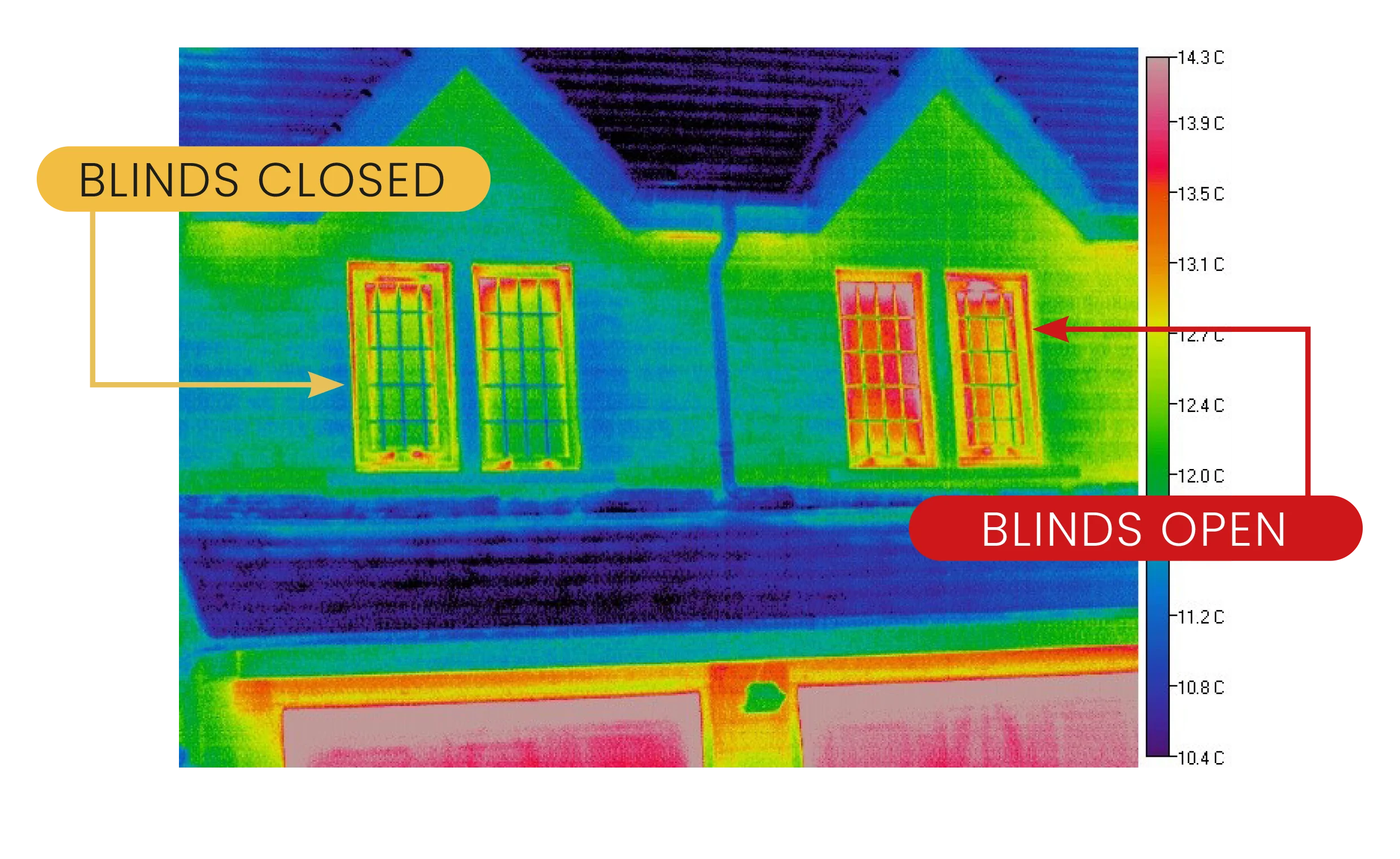
Did you know that closing curtains at night can prevent up to 25% of heat loss through windows? Thick, insulated curtains or thermal blinds trap warm air inside and block cold drafts. During sunny days, open them to let natural heat in and close them as soon as the sun sets.
Try this: If you have single-pane windows, adding a layer of window film behind your curtains can boost insulation even more. How often do you check if your curtains are actually helping or just decorating?
Optimizing Thermostat Settings
Lowering your thermostat by just 1-2 degrees can save a noticeable amount of energy without sacrificing comfort. Set your thermostat to a consistent temperature instead of constantly adjusting it, which can cause your heating system to work harder.
Consider using a programmable thermostat to schedule lower temperatures when you’re asleep or away. Have you ever measured how much energy you waste by overheating an empty house?
Regular Maintenance Checks
Keeping your heating system in top shape prevents unnecessary heat loss and improves efficiency. Replace filters regularly, clean vents, and schedule annual professional inspections to catch hidden issues early.
Don’t forget to check seals around doors and windows for cracks or gaps. Sometimes, fixing a small draft can be the easiest and cheapest way to keep your home warmer. When was the last time you inspected these simple but critical areas?
When To Call A Professional
Recognizing when to call a professional can save you time, money, and frustration. While some heat loss issues are visible and easy to fix, others require expert knowledge and tools. Knowing the right moment to seek help ensures your home stays warm and energy-efficient without unnecessary guesswork.
Comprehensive Energy Audits
Energy audits provide a detailed look at your home’s energy use. Professionals check insulation, windows, doors, and heating systems to find hidden leaks. They also offer a clear report with prioritized fixes, helping you understand where heat escapes the most.
Have you noticed uneven heating or high energy bills despite simple fixes? That’s a strong signal to schedule an energy audit. It’s more than just a checklist—it’s a tailored plan for your home’s unique needs.
Advanced Diagnostic Tools
Some heat loss problems aren’t obvious to the naked eye. Professionals use tools like thermal imaging cameras and blower doors to spot invisible drafts and insulation gaps. These devices reveal cold spots behind walls and ceilings, which you might never detect alone.
Imagine spending hours sealing windows only to miss a major leak behind the drywall. These tools catch exactly where your heat is leaking, making repairs precise and effective. Would you rather guess or know for sure?
Implementing Major Upgrades
If your home needs large-scale improvements, such as new insulation or window replacements, professional help is crucial. These upgrades involve detailed planning, permits, and skilled labor to ensure safety and quality. A pro can also recommend the best materials for your climate and budget.
Attempting major upgrades without expertise can lead to costly mistakes and even worsen heat loss. When you’re ready to invest in lasting solutions, calling a professional ensures the work is done right the first time.

Credit: www.createblindsonline.co.uk
Frequently Asked Questions
What Tools Detect Heat Loss In A House?
Thermal cameras and infrared thermometers are essential tools. They help identify areas of heat loss effectively. These tools visually highlight temperature differences, making them ideal for spotting insulation gaps or leaks. Using them can significantly improve your home’s energy efficiency.
How Can I Find Heat Loss Without Tools?
You can manually check for drafts around windows and doors. Feel for cold spots, especially on windy days. Look for condensation on windows, indicating potential leaks. Simple DIY methods can help in identifying problem areas without special tools.
Why Is Detecting Heat Loss Important?
Identifying heat loss helps improve energy efficiency. It reduces heating costs and enhances indoor comfort. Addressing heat loss can also decrease your carbon footprint, contributing to environmental conservation. Ensuring proper insulation is key to maintaining a warm and efficient home.
Can Insulation Reduce Heat Loss?
Yes, insulation is crucial for minimizing heat loss. It acts as a barrier to heat flow, keeping warmth inside. Proper insulation can significantly lower energy bills and enhance comfort. It’s an effective way to maintain a stable indoor temperature year-round.
Conclusion
Seeing heat loss in your house helps save energy and money. Start by checking doors, windows, and walls for cold spots. Use simple tools like thermal cameras or even your hand to feel drafts. Fixing leaks keeps your home warmer and lowers bills.
Small changes make a big difference over time. Stay aware and keep your house cozy all year. Heat loss is easy to find once you know where to look. Take action today for a warmer, more comfortable home.