

Are your dining chairs looking tired or outdated? Reupholstering them can give your space a fresh, stylish look without buying new furniture.
If your chairs have a framed back, you might think the process is tricky—but it doesn’t have to be. In this guide, you’ll discover simple, step-by-step tips to transform your dining chairs with confidence. Ready to bring new life to your seating and impress your guests?
Keep reading, and you’ll see how easy and rewarding this project can be.
Tools And Materials Needed
Before you dive into reupholstering your dining chairs with a framed back, gathering the right tools and materials can make a huge difference. Having everything ready not only speeds up the process but also ensures a smoother, professional-looking finish. Let’s break down what you’ll need to get started and why each item matters.
Essential Tools
- Staple gun:This is your main tool for attaching the fabric securely to the chair frame. Choose one that is comfortable to hold and powerful enough for thick upholstery fabric.
- Staple remover or flathead screwdriver:You’ll need this to take off the old fabric and staples without damaging the wood.
- Scissors:Sharp scissors make cutting fabric easier and prevent fraying edges.
- Measuring tape:Accurate measurements help you avoid buying too much or too little fabric.
- Needle-nose pliers:Useful for pulling out stubborn staples and tacks.
- Screwdriver:Some chairs require you to remove the seat or back from the frame for easier reupholstering.
- Foam cutter or electric knife (optional):If you decide to replace or reshape the foam padding, this tool can make clean cuts quickly.
Choosing The Right Fabric
Picking fabric can feel overwhelming with so many options available. Focus on durability and ease of cleaning, especially for dining chairs that face frequent use and spills.
Consider fabrics like cotton blends, canvas, or microfiber for everyday practicality. If you want a luxurious feel, velvet or leather might be tempting, but they usually require more care.
Have you checked how the fabric feels against your skin? Comfort matters since you’ll be sitting on these chairs often. Also, think about the color and pattern—will it complement your dining room’s style?
Additional Supplies
- Batting or foam padding:Adds cushioning for comfort and smooths out the seat shape.
- Upholstery tacks or decorative nails:These can be used for added detail or to secure fabric edges where staples might not reach.
- Fabric glue or spray adhesive:Helps hold batting or foam in place before stapling.
- Chalk or fabric marker:Marks cutting lines clearly without damaging the fabric.
- Dust mask and gloves:Protect yourself from dust and any old materials you remove.
Having these supplies at hand prevents last-minute trips to the store. Which tools are you most excited to try out on your project?

Credit: www.addicted2decorating.com
Preparing The Chair
Preparing your dining chair for reupholstering is a crucial first step that sets the tone for the entire project. If you skip this part, you might face problems later, like uneven fabric or a wobbly frame. Taking the time to carefully remove old materials and assess the chair’s condition ensures a smooth and professional-looking result.
Removing Old Upholstery
Start by turning the chair upside down or on its side so you can access the bottom of the seat easily. Use a staple remover or a flat-head screwdriver to pull out staples, tacks, or nails holding the fabric in place. Be patient—rushing this step can damage the wood or leave pieces of fabric stuck, making the next steps harder.
Once the staples are out, carefully peel off the old fabric. You might find layers of padding or batting underneath. Remove those too, but keep an eye out for any salvageable materials you might want to reuse. This hands-on process gives you a clear view of what’s underneath and what needs replacing.
Cleaning And Inspecting The Frame
After the old upholstery is off, clean the chair frame thoroughly. Use a damp cloth to wipe away dust, dirt, and any leftover adhesive. Pay attention to corners and crevices where grime can build up unnoticed.
Next, inspect the frame for any damage. Check for loose joints, cracks, or signs of wood rot. Tighten screws or add wood glue if needed. If the frame isn’t sturdy, no amount of beautiful fabric will save your chair. Have you ever sat on a chair that wobbled? Fixing the frame now saves you from discomfort later.
Preparing the chair might feel like extra work, but it makes a huge difference. You’re not just changing the look—you’re ensuring the chair lasts for years. Ready to move on? The next steps will be easier and more enjoyable after this solid foundation.
Measuring And Cutting Fabric
Measuring and cutting fabric are the foundation of a smooth reupholstering project, especially for dining chairs with a framed back. Getting these steps right saves you time and frustration later. It’s not just about size; accuracy here affects the final look and fit of your fabric.
Taking Accurate Measurements
Start by measuring the framed back carefully. Use a tape measure to capture the height and width inside the frame where the fabric will be attached. Double-check each dimension to avoid any surprises.
Don’t forget to measure the depth or thickness of the padded area as well. This helps you know how much fabric you’ll need to wrap around the edges. Adding an extra 2-3 inches on all sides is smart for tucking and stapling.
Think about the fabric pattern too—if your fabric has stripes or designs, measure with the pattern alignment in mind. Would you want the design running vertically or horizontally? This small choice makes a big impact visually.
Cutting Fabric Pieces
Once your measurements are set, lay the fabric flat on a clean surface. Use sharp fabric scissors for clean edges and avoid fraying. Cutting slowly and steadily ensures straight lines.
Mark your fabric with tailor’s chalk or a washable marker before cutting. This helps you follow your measurements precisely and prevents mistakes. Remember to cut in a single layer for the most accuracy.
Consider cutting an extra piece as a backup—you’ll thank yourself if you make a miscut or need to match a pattern later. Have you ever run out of fabric because of a small miscalculation? Preparing ahead avoids that hassle.
Padding And Cushioning
Padding and cushioning give your dining chairs comfort and style. The right padding makes the seat soft and inviting. It also shapes the chair’s look. Choose materials that match your comfort and durability needs. Attach padding carefully to avoid lumps and ensure a smooth finish.
Selecting Padding Material
Choose padding based on comfort and chair use. Foam is popular for its firmness and shape retention. Polyester batting adds softness and smooth edges. Cotton padding offers natural breathability but may compress faster. Consider thickness too. Thicker padding gives more comfort but may need stronger support.
- High-density foam for firm support
- Polyester batting for softness and smoothness
- Cotton for natural feel and breathability
- Memory foam for pressure relief
Attaching Padding To The Frame
Trim padding to fit the chair’s frame perfectly. Use spray adhesive or staple gun to fix padding securely. Start from the center and move outwards. Smooth out wrinkles as you go. Wrap edges tightly and fasten underneath the seat. Check for even thickness and comfort before covering with fabric.
- Cut padding to match seat size
- Use spray glue or staples to attach
- Smooth padding for even surface
- Secure edges under the frame
- Test comfort before upholstering
Attaching New Fabric
Attaching new fabric to dining chairs with a framed back requires care and precision. The fabric must be smooth and tight for a clean look. Follow these tips to ensure your fabric stays secure and looks professional.
Positioning The Fabric
Place the fabric over the chair back, allowing extra material around edges. Center the pattern or texture for a balanced appearance. Check the fabric direction before securing it. Smooth out any wrinkles or folds gently with your hands.
Stapling And Securing Fabric
Start stapling in the middle of one side, pulling the fabric tight as you go. Move to the opposite side and repeat, keeping tension even. Continue stapling along all edges, spacing staples about one inch apart. Use a staple gun for strong, quick attachment.
Handling Corners And Edges
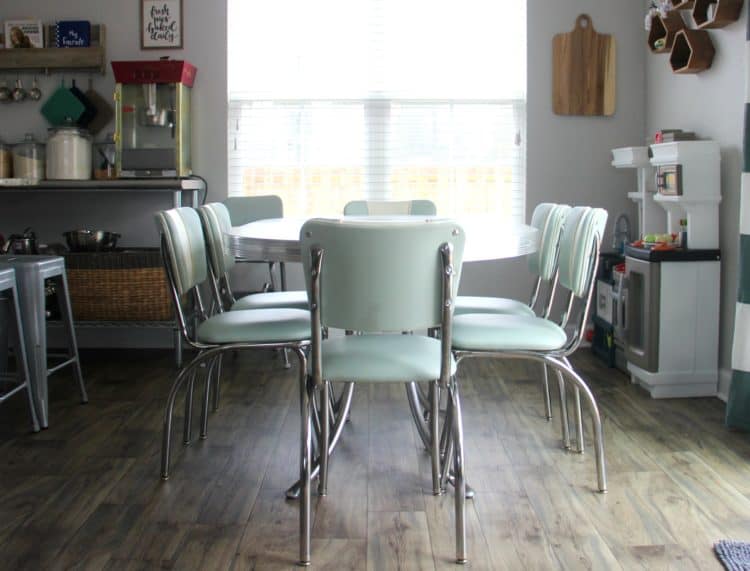
Fold corners neatly to avoid bulky bunches. Create small pleats or mitered folds for a smooth finish. Pull edges tight before stapling to prevent sagging. Trim excess fabric close to staples for a clean look. Take time here—it makes a big difference.
Credit: gluesticksblog.com
Finishing Touches
Finishing touches bring your dining chair reupholstery to life. This stage polishes your work, making the chair look neat and complete. Pay close attention to details for a professional result. Careful steps here ensure durability and style.
Trimming Excess Fabric
Start by cutting any extra fabric around the edges. Use sharp scissors or a rotary cutter for clean lines. Avoid cutting too close to the staples or tacks. Leave a small margin to prevent unraveling. Smooth out wrinkles as you trim for a tidy look.
Reassembling Chair Parts
Put back all parts removed during the process. Align the seat and backrest properly with the frame. Tighten screws and bolts firmly, but do not overtighten. Check for loose joints and reinforce if needed. Use a screwdriver or drill to secure everything fast.
Final Inspection And Cleaning
Look closely at the entire chair for missed spots. Check fabric tension and smoothness across the back and seat. Remove dust, lint, and stray threads with a soft brush. Wipe wooden parts with a damp cloth for a fresh finish. Your chair is now ready to impress guests.
Tips For A Professional Look
Achieving a professional look when reupholstering dining chairs with a framed back requires attention to detail. Small touches improve the overall appearance and durability of your project. Follow these tips to create a neat and lasting finish that enhances your chair’s style.
Choosing Complementary Fabrics
Select fabrics that match your room’s decor and chair style. Use materials that are durable and easy to clean. Mixing textures adds interest but keep colors harmonious. Avoid overly thick fabrics that are hard to stretch. Consider patterns that align well with the chair’s shape.
Maintaining Consistent Tension
Keep the fabric tight but not too stretched. Uneven tension leads to wrinkles and loose spots. Pull the fabric evenly across the frame before stapling. Work from the center out to the edges for balance. Check tension frequently as you attach the fabric.
Common Mistakes To Avoid
- Skipping the removal of old staples or nails.
- Using the wrong type of adhesive or staples.
- Ignoring fabric grain direction and pattern alignment.
- Failing to trim excess fabric close to the frame.
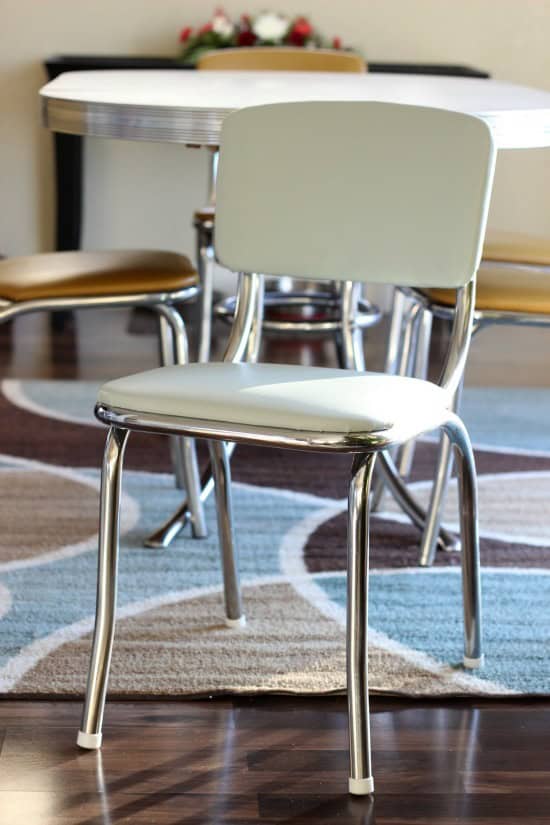
- Not reinforcing corners and edges properly.
Credit: gluesticksblog.com
Frequently Asked Questions
What Materials Do I Need For Reupholstering?
To reupholster dining chairs with a framed back, gather fabric, foam padding, a staple gun, and a screwdriver. You may also need scissors, a measuring tape, and upholstery tacks. Ensure the fabric is durable and complements your dining room’s decor for a cohesive look.
How Do I Remove Old Upholstery?
Start by turning the chair upside down. Use a screwdriver to remove screws securing the seat. Gently pull off the old fabric and padding. Be careful not to damage the frame. Take note of how it was attached, as it will guide you in installing the new upholstery.
Can I Reupholster Without Removing The Frame?
Yes, you can reupholster without removing the frame. Carefully staple the new fabric over the existing one. Ensure the fabric is smooth and tightly stretched. Trim any excess fabric for a neat finish. This method is quicker but may not provide as clean a result as a complete reupholstering.
How Do I Choose The Right Fabric?
Choose a durable and stain-resistant fabric for dining chairs. Consider your dining room’s color scheme and style. Fabrics like cotton blends, polyester, or leather are ideal. Ensure the fabric has enough stretch for easy application and a snug fit on the frame.
Conclusion
Reupholstering dining chairs with a framed back is a simple way to refresh your space. You can save money and add a personal touch to your furniture. The steps are clear and easy to follow. Just take your time and enjoy the process.
Soon, you will have chairs that look new and fit your style perfectly. This project brings both comfort and beauty to your dining room. Give your chairs a fresh look today!