

Is your kitchen sink faucet leaking, outdated, or just not working the way you want? Replacing it might sound tricky, but it’s easier than you think—and you can do it yourself.
Imagine saving money, avoiding a plumber’s wait, and giving your kitchen a fresh new look in just a few simple steps. In this guide, you’ll learn exactly how to replace your kitchen sink faucet quickly and confidently. Ready to transform your kitchen and take control of this simple home upgrade?
Let’s get started!
Tools And Materials Needed
Getting your kitchen sink faucet replaced is easier when you have the right tools and materials at hand. Gathering everything beforehand saves time and spares you the frustration of last-minute store runs. Plus, having the correct equipment means you can avoid damage to your plumbing or sink.
Think about the last time you tried fixing something without the proper tools. Did it take longer? Did you get annoyed? Having a clear list helps you stay organized and confident throughout the process.
Essential Tools For Faucet Replacement
- Basin Wrench:This tool reaches tight spaces under the sink where your hands can’t fit.
- Adjustable Wrench:Useful for loosening nuts of various sizes without needing multiple wrenches.
- Screwdriver Set:Both flathead and Phillips screwdrivers come in handy for removing mounting screws.
- Plumber’s Putty or Silicone Caulk:These sealants prevent leaks around the faucet base.
- Bucket or Bowl:To catch any water that drips when disconnecting pipes.
- Towels or Rags:Cleaning up spills quickly avoids water damage and keeps your work area tidy.
Materials You’ll Need
- New Kitchen Faucet:Choose one that fits your sink holes and matches your kitchen style.
- Supply Lines:Flexible hoses that connect your faucet to water valves; sometimes new faucets come with these included.
- Thread Seal Tape (Teflon Tape):Wrap this tape around threaded connections to prevent leaks.
- Replacement Gaskets or Washers:Ensure a tight, leak-free fit between parts.
Additional Tips For Preparation
Before you start, turn off the water supply and open the faucet to drain any remaining water. This step helps avoid unexpected sprays and messes.
Double-check that your new faucet’s specifications match your sink. Do the holes line up? Does the spout reach over the basin properly? It’s easy to overlook these details until you’re halfway through installation.

Credit: www.magnushomeproducts.com
Preparing The Workspace
Preparing your workspace is essential before replacing your kitchen sink faucet. It sets the stage for a smooth and safe process. Taking time here can save you from unexpected problems later.
Shutting Off Water Supply
Start by turning off the water supply to avoid any leaks or flooding. Look under the sink for the shutoff valves and twist them clockwise until they stop. If you don’t find local valves, switch off the main water supply for your home.
After shutting off the valves, open the faucet to release any water left in the pipes. This simple step prevents water from dripping while you work. Have a small bucket or towel ready just in case some water spills out.
Clearing The Area
Clear out everything from under the sink and around your workspace. This gives you room to move and prevents damage to your belongings. You don’t want to accidentally knock over cleaning supplies or tools during the job.
Lay down a towel or a small plastic sheet under the sink to catch any drips or debris. Good lighting is key here; if your space is dark, bring in a portable light to avoid mistakes. How much easier would your work be if your area was neat and well-lit?
Removing The Old Faucet
Removing the old kitchen faucet is a crucial first step before installing a new one. It might seem straightforward, but you need to be careful to avoid damaging your sink or plumbing. Taking your time and following the right steps will make the whole process smoother and prevent unexpected leaks or repairs later.
Disconnecting Water Lines
Before you start unscrewing anything, turn off the water supply valves under your sink. This is a small detail that many overlook, leading to water spraying everywhere. After shutting off the valves, open the faucet to release any remaining water in the lines.
Next, grab an adjustable wrench or pliers to disconnect the water supply lines from the faucet. Sometimes these lines can be tight or corroded, so don’t rush. If you find stubborn connections, apply a little penetrating oil and let it sit for a few minutes to loosen the fittings.
Unscrewing The Faucet
Once the water lines are disconnected, look under the sink to find the mounting nuts holding the faucet in place. These nuts can be hard to reach, so using a basin wrench can make your life much easier. If you don’t have one, a regular wrench might work but expect some awkward angles.
Loosen and remove the mounting nuts carefully. While doing this, keep an eye on the faucet above to ensure it doesn’t suddenly fall or shift. Removing the old faucet might require some gentle wiggling if it’s stuck, but avoid forcing it too hard to prevent damaging the sink surface.

Credit: www.youtube.com
Installing The New Faucet
Installing the new faucet is where your effort starts to show real progress. This step requires attention to detail to ensure everything fits perfectly and works without leaks. Taking your time here can save you from future headaches and water damage.
Positioning The Faucet
Begin by placing the faucet into the mounting holes on your sink or countertop. Make sure the faucet sits flush and aligns properly with the sink’s design. Check that the handle is easily reachable and that the spout can swivel freely without hitting the backsplash or wall.
Have you considered how much space you actually need for the faucet’s movement? Test this by moving the handle and spout before tightening anything.
Securing The Faucet
Once the faucet is positioned correctly, secure it from underneath using the mounting hardware provided. This usually involves tightening nuts or brackets to hold the faucet firmly in place. Use a basin wrench if space is tight — it makes the job easier and prevents overtightening.
Don’t rush this part; loose fittings can cause leaks or make the faucet wobble. Tighten just enough to hold the faucet steady without cracking your sink or countertop.
Connecting Water Lines
Attach the hot and cold water supply lines to the corresponding faucet inlets. Hand-tighten the connections first, then use a wrench to give a gentle final turn. Avoid over-tightening, which can damage the fittings or cause leaks.
- Double-check that the hot water line connects to the hot side (usually marked with red).
- Ensure the cold water line connects to the cold side (usually marked with blue).
Have you inspected your supply lines for wear or corrosion before connecting? Replacing old lines now can prevent future issues and improve water flow.
Testing The New Faucet
After installing your new kitchen sink faucet, it’s crucial to test it thoroughly to ensure everything works perfectly. Testing helps you spot any issues early, saving you from future water damage or frustration. Let’s focus on two key parts of testing: checking for leaks and adjusting water flow.
Checking For Leaks
Turn on both hot and cold water slowly and watch the faucet carefully. Look under the sink where the connections are made—any dripping or moisture means a leak. Even a small drip can cause big problems over time, so don’t ignore it.
Use a dry paper towel or tissue to pat around the joints and see if it gets wet. Tighten any loose connections gently, but avoid over-tightening as it can damage fittings. If a leak persists, consider replacing the washer or using plumber’s tape on the threads.
Adjusting Water Flow
Once you’re sure there are no leaks, test the water flow. Does the pressure feel right? Too weak or too strong water flow can affect your daily kitchen tasks.
Many new faucets come with adjustable aerators at the spout tip. You can twist or remove the aerator to increase or decrease flow. Also, check if the hot and cold water mix properly—uneven temperature could mean a valve needs adjustment.
Have you ever noticed your faucet splashes water everywhere? Adjusting the flow can fix that. Taking the time to tweak these settings ensures your faucet works smoothly and keeps your sink area dry.
Common Issues And Fixes
Replacing a kitchen sink faucet may seem daunting. Common issues can arise during the process. Knowing these issues and their fixes can save time and frustration.
Loose Faucet Base
A loose faucet base is a frequent issue. This happens when screws are not tight enough. To fix, tighten the mounting nuts under the sink. Use a basin wrench for hard-to-reach places.
Leaky Faucet Connections
Leaks are often due to loose connections. Check all connections for tightness. Use a wrench to secure them properly. If leaks persist, inspect washers and O-rings for wear.
Inconsistent Water Pressure
Inconsistent water pressure can frustrate any cook. Clean the aerator to fix this. Unscrew it from the spout and rinse away debris. Sometimes, mineral build-up is the culprit.
Difficulty Removing Old Faucet
Old faucets can be stubborn. Corrosion and grime cause this. Apply penetrating oil to loosen the nuts. Wait a few minutes before attempting removal again. Patience is key here.
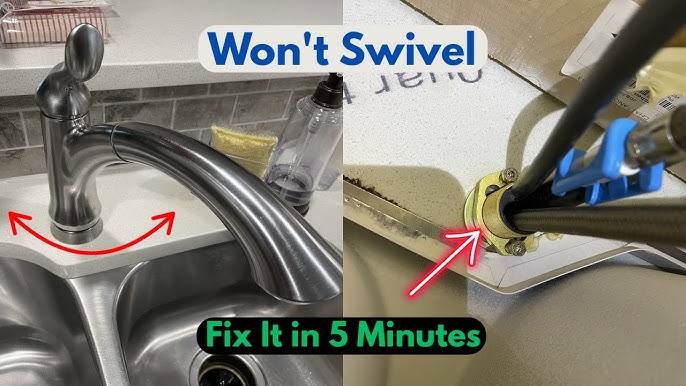
Improper Faucet Alignment
Faucet alignment affects water flow direction. Ensure the faucet is straight before tightening. Adjust it to the desired position first. A crooked faucet can lead to spills.
Water Supply Line Issues
Supply lines can be problematic. Check for kinks or bends. Ensure lines are not twisted. If damaged, replace them with new, flexible ones. This ensures smooth water flow.
Credit: www.youtube.com
Frequently Asked Questions
How Do I Remove The Old Kitchen Sink Faucet?
Turn off the water supply first. Disconnect water lines and mounting nuts. Lift the old faucet carefully from the sink. Use a basin wrench if needed for tight spots.
What Tools Are Needed To Replace A Kitchen Faucet?
You need an adjustable wrench, basin wrench, plumber’s tape, and screwdriver. A bucket and towels help manage water spills. These tools make removal and installation easier.
How Long Does It Take To Replace A Kitchen Faucet?
Replacing a kitchen faucet usually takes 1 to 2 hours. Time depends on faucet type and plumbing complexity. Preparation and proper tools speed up the process.
Can I Replace A Faucet Without A Plumber?
Yes, replacing a kitchen faucet is a DIY task. Follow instructions carefully and turn off the water first. Basic plumbing skills and tools are required for safety and success.
Conclusion
Replacing a kitchen sink faucet can save money and time. Follow each step carefully for best results. Take your time to avoid mistakes or leaks. Use the right tools and new parts for a good fit. A new faucet can improve your kitchen’s look and function.
Enjoy the satisfaction of doing the work yourself. Trust your skills and keep safety in mind. Now, your kitchen feels fresh and works better than before.