

Is your kitchen faucet dripping nonstop, wasting water and driving you crazy? A leaking faucet is more than just an annoying sound—it can raise your water bill and cause damage over time.
But don’t worry, you don’t have to call a plumber right away. You can fix it yourself with a few simple steps. In this guide, you’ll learn exactly how to repair your leaking kitchen faucet quickly and easily. Keep reading, and you’ll save money, avoid frustration, and get your kitchen back to normal in no time.
Identify The Leak Source
Finding where the leak starts is key to fixing a kitchen faucet. This step saves time and prevents wasted effort. A leak may come from different parts of the faucet system. Careful checking helps spot the exact source. Focus on the main areas that often cause leaks. These include the faucet handles, the spout and base, and the water supply lines.
Check Faucet Handles
Loose or worn handles often cause drips. Turn the handles and watch for water drops. Tighten any loose screws or nuts. Worn-out washers or O-rings inside the handle can cause leaks too. Remove the handles to inspect these parts. Replace damaged washers or seals to stop leaks.
Inspect Spout And Base
The spout is a common leak area. Look for water pooling around the spout base. Check the spout for cracks or corrosion. Spin the spout to test for looseness. Tighten or replace the spout if needed. The base may have worn seals that need replacing. Clean the area to spot small leaks clearly.
Examine Water Supply Lines
Supply lines connect your faucet to water pipes. Check these lines for cracks or wet spots. Feel along the lines for dampness. Tighten any loose connections with a wrench. Replace old or damaged supply lines. Ensure the shut-off valves are fully closed. Faulty valves can cause slow leaks too.
Gather Necessary Tools
Before you dive into fixing that annoying drip from your kitchen faucet, it’s crucial to gather all the tools and parts you’ll need. Having everything ready saves you time and prevents frustrating interruptions. Plus, it helps you avoid unnecessary trips to the hardware store halfway through the repair.
Basic Tools Needed
Start with a few essential tools that every DIYer should have for faucet repairs. A good set of adjustable wrenches and screwdrivers will be your best friends here. These tools help you loosen and tighten the faucet components without damaging them.
- Adjustable wrench:Perfect for nuts and bolts of different sizes.
- Screwdrivers:Both flathead and Phillips types to remove screws.
- Allen wrench (hex key):Some faucets use hex screws for handles.
- Needle-nose pliers:Useful for gripping small parts and springs.
- Utility knife:Handy for cutting old plumber’s tape or sealant.
- Towel or rag:To catch drips and protect your sink surface.
Do you already own these basic tools, or will you need to pick some up? Having these ready means you won’t be caught off guard when you start disassembling the faucet.
Replacement Parts Checklist
Knowing which parts to replace can save you from buying unnecessary items. Most leaks come from worn-out washers, O-rings, or cartridges. Identifying your faucet type will guide you on exactly what parts to buy.
- Washers:These small rubber rings create a tight seal around faucet components.
- O-rings:Circular seals that prevent water from leaking around joints.
- Cartridge or valve seat:Controls water flow inside the faucet; often the culprit behind leaks.
- Plumber’s tape (Teflon tape):Used to seal threaded connections and prevent leaks.
Have you checked your faucet’s model number or brand? This will help you find exact replacement parts and avoid fitting issues. Remember, even a small mismatch can cause the leak to persist.
Turn Off Water Supply
Before you dive into fixing a leaking kitchen faucet, the first crucial action is to turn off the water supply. This simple step prevents water from flooding your sink area and causing more damage. It also makes the repair process safer and less stressful.
Locate Shutoff Valves
Look under your kitchen sink to find the shutoff valves. These are usually small handles or knobs connected to pipes running into your faucet. Sometimes, they are round or oval and might be made of metal or plastic.
If you don’t see these valves under the sink, check near the main water line or consult your home’s water shutoff map. Knowing exactly where these valves are can save you time and hassle in emergencies.
Drain Remaining Water
After turning off the shutoff valves, open the faucet to release any water still inside the pipes. This helps avoid drips or spills while you work on the faucet. Keep a small container or towel nearby to catch any leftover water.
Draining the pipes might seem like a small step, but it can make the repair smoother. Have you ever started fixing a leak only to get soaked by hidden water? Draining stops that from happening.

Credit: www.reddit.com
Fix Common Faucet Types
Fixing a leaking kitchen faucet depends on the type of faucet you have. Each faucet type has a unique design and common problems. Understanding these helps you repair leaks quickly. Here are simple ways to fix the most common faucet types.
Repair Compression Faucets
Compression faucets have two handles. One controls hot water, the other cold. Leaks often happen because of worn-out washers. First, turn off the water supply. Remove the faucet handle. Use a wrench to loosen the packing nut. Take out the stem and check the washer. Replace it with a new one. Reassemble the faucet and test for leaks.
Fix Cartridge Faucets
Cartridge faucets use a movable cartridge inside. Leaks may come from a damaged cartridge or O-rings. Shut off the water supply. Remove the handle and the retaining clip. Pull out the cartridge carefully. Inspect it for cracks or wear. Replace the cartridge or O-rings if needed. Put everything back together and check the faucet.
Seal Ball Faucets
Seal ball faucets have a ball-shaped valve inside. Leaks often occur due to worn seals or springs. Turn off the water supply. Remove the handle and cap. Take out the ball and seals. Examine the seals for damage. Replace any worn parts with new ones. Reassemble the faucet and test water flow.
Maintain Ceramic Disc Faucets
Ceramic disc faucets are durable but can leak if debris builds up. Turn off water supply before starting. Remove the handle and cartridge. Clean the ceramic discs with a soft cloth. Check for cracks or chips. Replace the cartridge if damaged. Reassemble and test the faucet for leaks and smooth operation.
Replace Worn-out Parts
Worn-out parts often cause leaks in kitchen faucets. Replacing these parts can stop drips and restore proper function. Check washers, O-rings, and cartridges for damage and replace them as needed.
Replacing worn-out parts in your kitchen faucet can stop leaks. It’s a simple and cost-effective solution. Before starting, gather tools like a wrench and screwdriver. Turn off the water supply to avoid mess. Then, follow the steps below to fix your faucet.Change Washers And O-rings
Washers and O-rings ensure tight seals. Over time, they wear out. Remove the faucet handle using a screwdriver. Locate the nut and unscrew it with a wrench. Take out the old washers and O-rings. Replace them with new ones. Ensure they fit snugly. Reassemble the parts carefully. Check for leaks by turning on the water.Swap Out Cartridges
Cartridges control water flow. They can get damaged or clogged. Remove the handle first. Then, take out the retaining nut. Pull out the old cartridge. Compare it with the new one to ensure a match. Insert the new cartridge into the slot. Secure it with the nut. Reattach the handle. Test the faucet for any leaks.Install New Seals
Seals prevent water from escaping. They deteriorate over time. Access the seals by removing the faucet spout. Pull out the old seals carefully. Insert new seals in their place. Make sure they sit perfectly. Reattach the spout securely. Turn on the water to test for leaks. If there’s no leak, your repair is successful.
Credit: www.plumbingandparts.com
Reassemble And Test Faucet
After fixing the internal parts of your kitchen faucet, the next crucial phase is to put everything back together and check if your repair worked. This step requires patience and attention to detail to make sure nothing is out of place and no leaks remain. Taking your time here can save you from repeated repairs and water damage later on.
Proper Reassembly Steps
Start by carefully placing each component back in the order you removed them. If you took pictures during disassembly, now is the time to refer to them. Ensure washers, O-rings, and seals fit snugly without twisting or pinching.
Use your fingers first to tighten screws and nuts, avoiding over-tightening which can crack parts. Once everything feels secure, use the appropriate tools to give a gentle final tighten. Remember, too much force can damage delicate faucet components.
- Align the faucet handle properly before securing it.
- Check that spouts and aerators are clean and reinstalled correctly.
- Replace any worn-out parts you identified during repair.
Check For Remaining Leaks
Turn your water supply back on slowly and watch closely for drips or moisture. Pay special attention to joints and seals you worked on. Even a tiny leak can cause bigger problems if ignored.
Try running both hot and cold water to test all connections thoroughly. If you spot a leak, turn off the water and tighten the area slightly or reseat washers. Sometimes, a small adjustment after reassembly is all it takes to stop a leak.
Have you ever found a leak in the most unexpected spot? This step helps you catch those sneaky drips before they cause damage. Testing carefully now can spare you future headaches and water bills.
Prevent Future Leaks
Regularly check and replace worn parts to stop leaks from coming back. Tighten connections and clean faucet components to keep water flowing smoothly. Proper care helps avoid costly repairs and water waste later.
Preventing future leaks in your kitchen faucet saves time and money. Consistent care and attention can extend the life of your faucet. Simple practices can help avoid those pesky drips. Here’s how you can ensure your faucet remains leak-free.Regular Maintenance Tips
Perform routine checks on your kitchen faucet. Inspect seals and gaskets for wear. Replace any damaged parts immediately. Tighten loose components to prevent leaks. Clean the faucet regularly to avoid mineral buildup. Use a gentle cleaner to maintain shine and function. Check water pressure levels to prevent strain on your faucet.Avoid Common Mistakes
Do not overtighten faucet parts. It can lead to damage and leaks. Avoid using harsh chemicals on faucet surfaces. They can corrode and weaken parts. Do not ignore minor drips or leaks. They can escalate into bigger problems. Use the correct tools for repairs to avoid damaging components. Follow manufacturer guidelines for maintenance and repairs.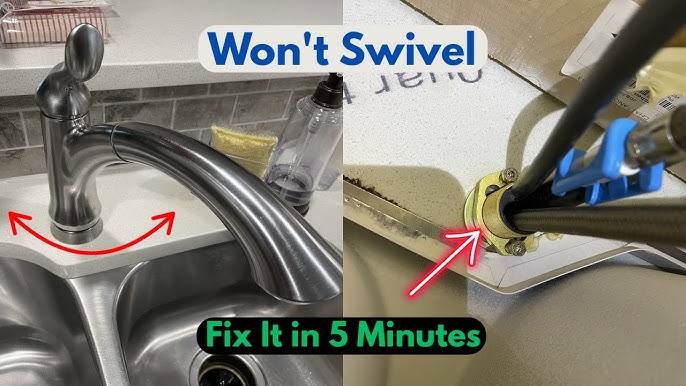
Credit: www.youtube.com
Frequently Asked Questions
How Do I Stop A Kitchen Faucet From Leaking?
First, turn off the water supply. Then, tighten or replace the faucet’s washers or O-rings. Check the valve seat for damage and clean or replace it if necessary.
What Tools Are Needed To Fix A Leaking Faucet?
You typically need a wrench, screwdrivers, replacement washers or O-rings, plumber’s grease, and a cloth. Having a flashlight and bucket nearby helps during repairs.
How Much Does It Cost To Repair A Leaking Kitchen Faucet?
Repair costs vary but usually range from $50 to $150 for parts and labor. DIY repairs can reduce costs significantly, especially if you only need replacement washers.
Can I Repair A Leaking Faucet Myself?
Yes, many faucet leaks are simple to fix with basic tools. Follow step-by-step guides carefully and replace worn parts to stop leaks effectively.
Conclusion
Fixing a leaking kitchen faucet saves water and money. Small leaks can cause big problems over time. Follow clear steps to find and stop the drip. Use simple tools and parts you can buy easily. Take your time and work carefully for best results.
A quiet, drip-free faucet makes your kitchen better. Keep an eye on your faucet to catch leaks early. Regular checks help avoid future repairs and waste. You can handle this repair yourself with some patience. Enjoy a leak-free kitchen and less stress.