

Your home is your sanctuary, a place where you and your loved ones should feel safe and comfortable. However, if your house was built before the 1970s, there’s a hidden danger that might be lurking on your walls—lead paint.
This toxic substance can pose serious health risks, especially to young children and pregnant women. But don’t worry; you’re not alone in facing this challenge. You’ll discover effective and safe methods to remove lead paint from your home, ensuring a healthier living environment for everyone.
Imagine the peace of mind you’ll feel knowing your home is free from this hazardous material. Read on to learn how you can achieve this with confidence and ease.

Credit: www.familyhandyman.com
Identifying Lead Paint
Identifying lead paint is crucial for home safety. Lead paint is a common issue in homes built before 1978. Understanding how to detect lead paint can prevent health hazards. Young children are especially vulnerable to lead poisoning. Recognizing lead paint in your home is the first step in protecting your family.
Testing For Lead
Testing is the most reliable way to identify lead paint. You can use a home testing kit available at hardware stores. It involves a simple swab test. The swab changes color if lead is present. For more accuracy, hire a certified lead inspector. They use advanced tools and provide detailed reports. This ensures you know exactly where lead paint is located.
Common Areas With Lead Paint
Lead paint is often found in certain parts of the home. Walls and window frames are common areas. Also, check doors, baseboards, and stair railings. These are high-contact areas, increasing the risk of lead exposure. Kitchens and bathrooms are other likely places. Old furniture painted before 1978 can also contain lead. Inspect these areas carefully to identify potential hazards.
Health Risks Of Lead Paint
Lead paint poses serious health risks. It’s a concern in older homes. Understanding these risks is crucial for safety. Lead paint can affect both children and adults. Its dangers are often underestimated.
Impact On Children
Children are more vulnerable to lead exposure. Their bodies absorb lead more easily. Even low levels of lead can harm them. It can affect their brain development. This may result in learning disabilities. Behavioral issues can also arise. Small children often put things in their mouths. This increases their risk of ingesting lead dust or chips. Frequent exposure can lead to severe health problems. Regular checks for lead paint can protect them.
Effects On Adults
Adults are also at risk from lead paint. It can cause high blood pressure. Kidney damage is another possible effect. Pregnant women face additional risks. Lead exposure can harm the unborn child. It may result in birth defects or developmental issues. Adults may experience mood disorders. Fatigue and muscle pain can also occur. Long-term exposure is particularly dangerous. Regular testing and safe removal are essential.
Preparing For Removal
Preparing for removal of lead paint ensures safety. Gather proper tools and protective gear. Seal off the area to prevent dust spread.
Removing lead paint from your home requires careful planning. Preparation ensures safety and efficiency throughout the process. Before starting, understand the risks of lead exposure. Prioritize creating a safe environment for you and your family.Gathering Necessary Supplies
Collect essential tools before beginning. You’ll need paint scrapers, wire brushes, and sandpaper. Purchase a quality chemical paint remover. Ensure you have containers for waste disposal. Stock up on heavy-duty plastic sheets. These will protect floors and furniture. Keep a vacuum with a HEPA filter handy for cleanup.Protective Gear And Clothing
Wear appropriate gear to prevent lead exposure. Use a respirator mask with a HEPA filter. Choose safety goggles for eye protection. Wear disposable coveralls and gloves. Ensure footwear covers to avoid contamination. Proper gear minimizes health risks during removal.Setting Up A Safe Workspace
Create a secure workspace to contain lead dust. Use plastic sheets to cover floors and furniture. Seal off the area with duct tape. Close windows and doors to prevent dust spread. Designate a separate area for gear and waste disposal. Keep children and pets away during the process.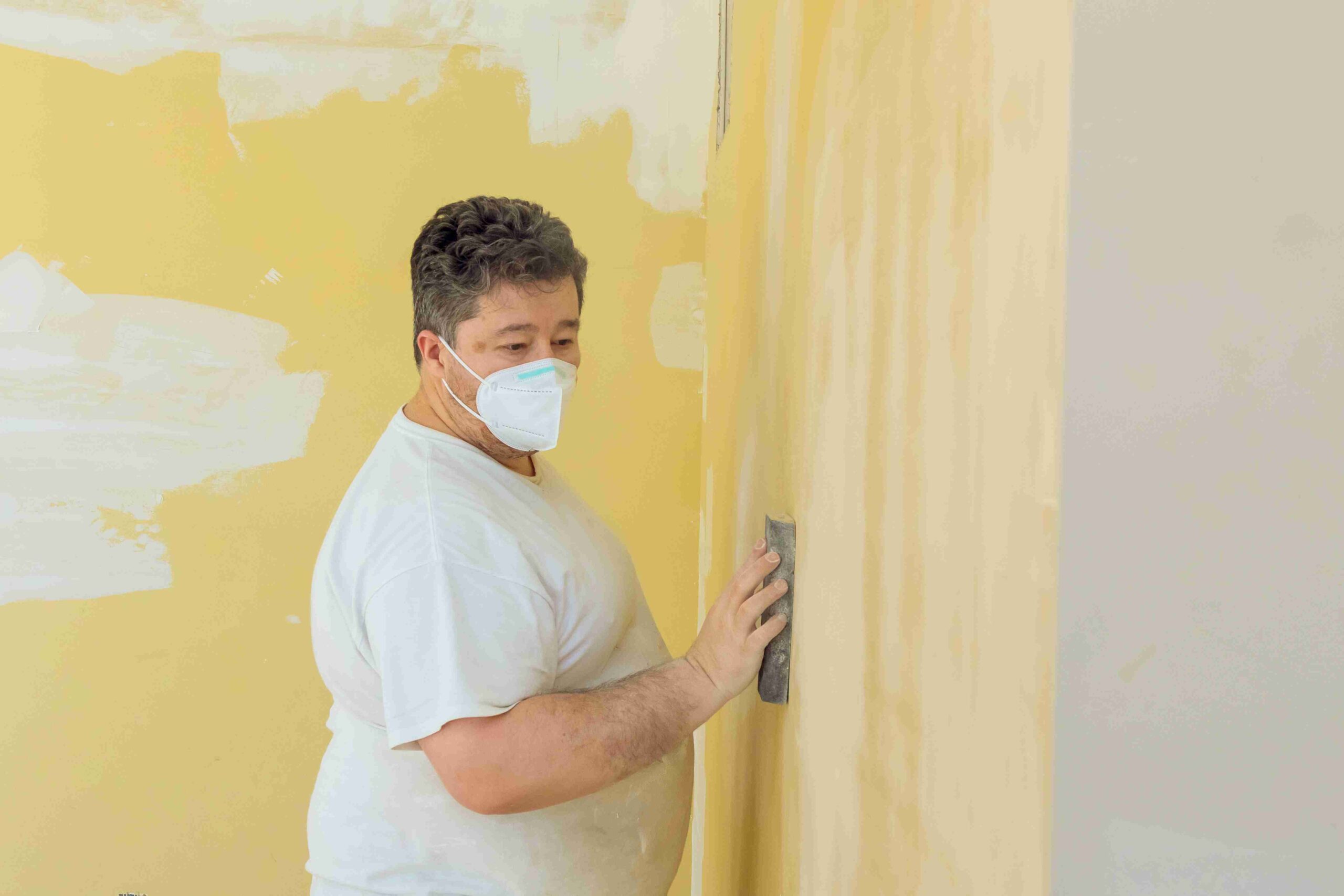
Credit: advancedhomeinspect.com
Safe Removal Techniques
Removing lead paint safely from your home is crucial. It protects your health and the environment. Understanding the right techniques ensures a successful and safe removal process. Let’s explore some effective methods to remove lead paint safely.
Wet Scraping Method
Wet scraping is a simple and effective technique. It reduces dust and particles in the air. To start, spray water on the paint surface. Use a scraper to gently remove the paint. Keep the surface wet to minimize dust. Wear protective gear like gloves and a mask. Dispose of the paint chips in sealed bags.
Chemical Strippers
Chemical strippers dissolve paint layers without generating dust. Choose a stripper specifically for lead paint. Apply it using a brush or roller. Let it sit for the recommended time. Use a scraper to lift the paint. Ensure the room is well-ventilated. Follow all safety instructions on the product label. Dispose of waste materials properly.
Using Hepa Vacuum
A HEPA vacuum is essential for cleaning lead dust. It filters tiny particles that regular vacuums miss. Use it after scraping or stripping paint. Vacuum all surfaces, including floors and windowsills. Regularly check and change the filter. This ensures the vacuum remains effective. A HEPA vacuum protects your home from lead contamination.
Disposal Of Lead Paint Waste
Removing lead paint involves careful disposal of waste to prevent health hazards. Seal paint chips in plastic bags and contact local waste management for safe disposal instructions. Proper handling ensures environmental safety and prevents lead exposure.
Disposing of lead paint waste is an essential part of ensuring your home is safe and free from harmful materials. It’s not just about removing the paint; it’s about ensuring every piece of waste is handled correctly to protect you, your family, and the environment. Imagine finally completing that tedious task of lead paint removal, only to realize that improper disposal could pose a new risk. Let’s dive into the practicalities of disposing of lead paint waste effectively.Proper Waste Disposal Methods
Proper disposal of lead paint waste requires careful planning and execution. You might think throwing it in the regular trash is harmless, but lead is toxic and can seep into soil and water if not disposed of correctly. Consider using specialized waste containers designed to contain hazardous materials. These containers prevent leakage and ensure the waste is handled safely during transport. Before disposal, separate the lead paint waste from other types of waste. This ensures all hazardous materials are correctly identified and treated.Local Regulations And Guidelines
Understanding your local regulations is crucial when disposing of lead paint waste. Every area has specific guidelines that dictate how hazardous waste should be handled. Check with your local environmental protection agency for guidelines specific to your region. They often provide resources and advice on the best disposal methods and locations. Some areas might require you to use certified waste removal services. These services specialize in handling hazardous materials and ensure compliance with local laws. Did you know that improper disposal could lead to fines? Staying informed about local regulations not only keeps you compliant but also ensures the safety of your community.Post-removal Cleanup
After successfully removing lead paint, a thorough cleanup is crucial. This step ensures your home remains safe and free from harmful residues. Post-removal cleanup involves careful attention to dust, debris, and final safety checks. Proper cleanup prevents lead particles from lingering and affecting your health. Let’s explore the essential tasks for a clean and safe home.
Cleaning Up Dust And Debris
Dust and debris are common after removing lead paint. Use a HEPA vacuum to clean all surfaces. This type of vacuum traps small particles effectively. Vacuum floors, windowsills, and other surfaces. A damp cloth is helpful for wiping down areas. It captures dust that the vacuum might miss. Change the water frequently to avoid spreading lead particles.
Final Checks For Safety
Ensure your home is truly lead-free with final safety checks. Inspect all areas for leftover dust or paint chips. Use a lead testing kit to check surfaces. These kits confirm the absence of lead residues. Look for any damaged areas that might need resealing. Proper sealing prevents future exposure to lead.
Preventing Future Lead Exposure
Removing lead paint keeps your home safe. Use protective gear and seal off the area to minimize dust. Carefully scrape or sand the paint and clean the surfaces thoroughly.
Preventing future lead exposure is crucial for maintaining a safe and healthy living environment. Once you have successfully removed lead paint from your home, the focus should shift to ongoing prevention strategies. This is not just about safeguarding the immediate health of your family but also about ensuring long-term peace of mind. So, what practical steps can you take to minimize the risk of lead exposure in the future?Regular Home Inspections
Scheduling regular inspections is a proactive way to catch any potential lead hazards early. By hiring a certified lead inspector, you can have a professional assessment of your home’s condition. This helps in identifying any new or returning issues that could pose a risk. Consider making it a routine part of your home maintenance, like checking smoke detectors or servicing your HVAC system. After all, isn’t prevention always better than cure?Safe Home Renovation Practices
Renovations can often stir up hidden lead particles, especially in older homes. Using safe renovation practices can make a world of difference. Always ensure that your contractor uses lead-safe certified practices. This includes sealing off work areas, using appropriate equipment, and cleaning up thoroughly. You could even learn some of these practices yourself, empowering you to tackle small projects safely. Are you planning a DIY project? Equip yourself with knowledge and tools that prioritize safety. Remember, a little caution now can prevent a lot of headaches later.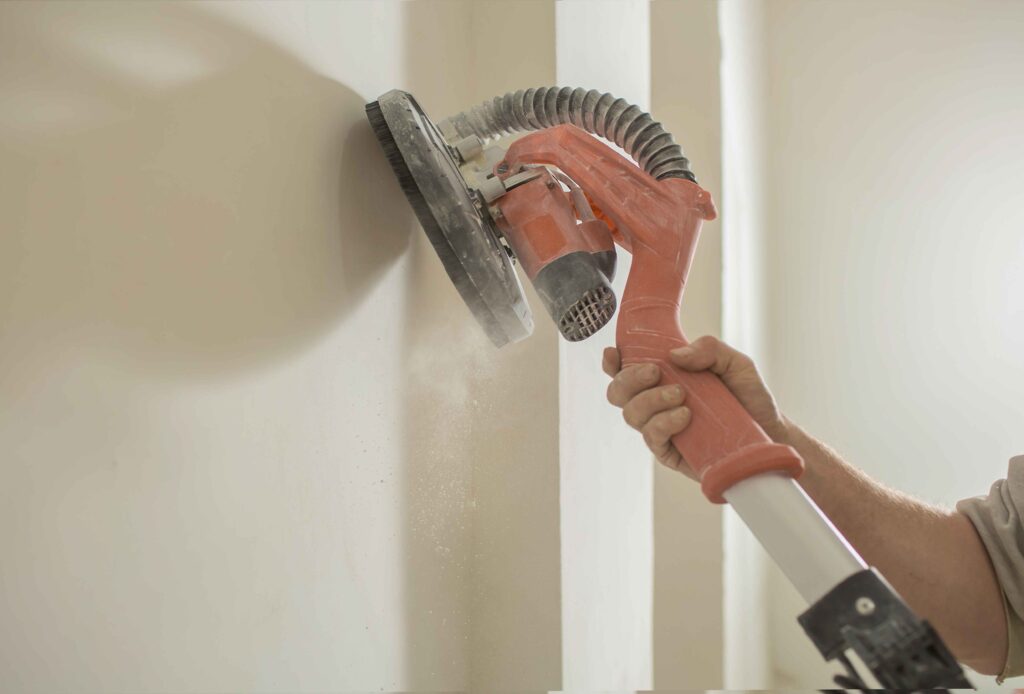
Credit: advancedhomeinspect.com
Frequently Asked Questions
Can You Remove Lead Paint Yourself?
Yes, you can remove lead paint yourself, but it requires caution. Use protective gear like masks and gloves. Follow safety guidelines to prevent lead dust exposure. It’s safer to hire professionals for this task. They have the expertise to handle lead paint removal effectively and safely.
Is It Okay To Live In A House With Lead Paint?
Living in a house with lead paint is risky, especially for children and pregnant women. Lead exposure can cause severe health issues. It’s crucial to test for lead and take proper safety measures. Hiring professionals for lead removal or encapsulation is recommended to ensure a safe living environment.
Can I Just Paint Over Lead Paint?
Painting over lead paint is not recommended without proper preparation. Ensure the surface is clean, stable, and primed. Encapsulation can be a safer method, but professional assessment is advised. Always follow safety guidelines to prevent lead exposure.
How Much Does It Cost To Get Rid Of Lead Paint In A House?
The cost to remove lead paint varies from $8 to $15 per square foot. Total expenses depend on the house size and project complexity. Hiring certified professionals ensures safety and effectiveness. Always get multiple quotes to compare prices and services.
Conclusion
Removing lead paint keeps your home safe. It’s a crucial task. Protect your family from health risks. Use proper tools and safety gear. Follow expert advice for best results. Dispose of waste carefully. Hire professionals if needed. Their expertise ensures thorough removal.
Take action today for peace of mind. Safer living space awaits. Your efforts make a big difference. Lead-free homes are healthier. A better place for everyone. Prioritize safety and health. Small steps lead to great outcomes. Stay informed and proactive.
Lead paint removal is achievable. Your home deserves the best care. Keep it lead-free and safe.