
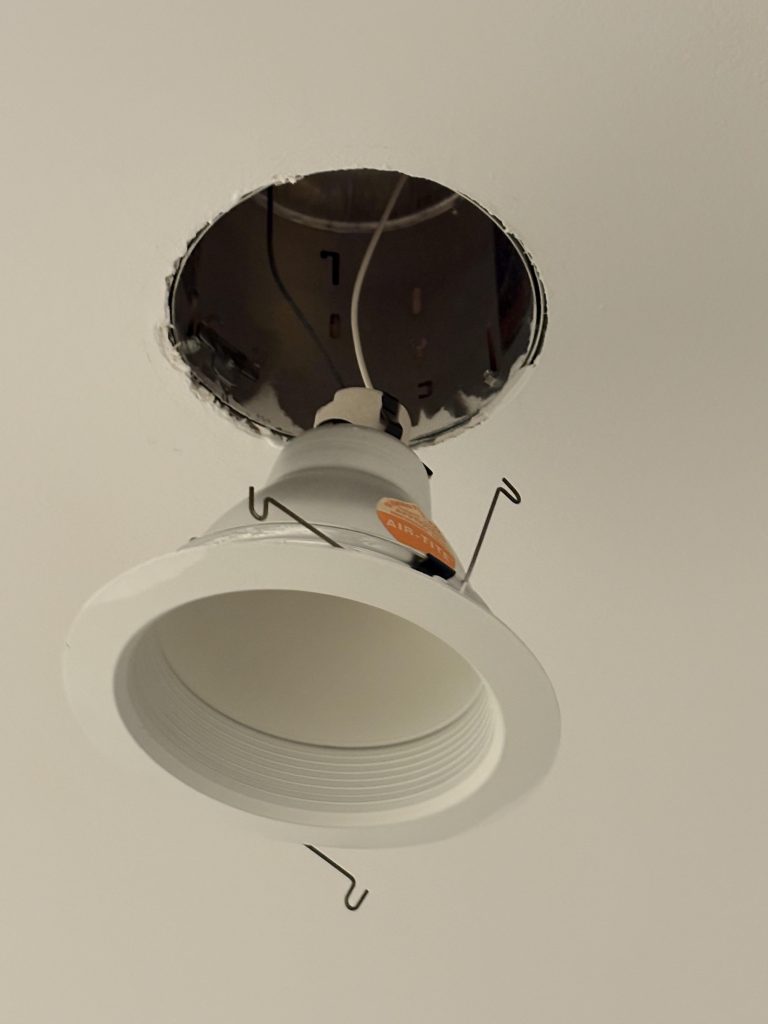
Are you staring at that old can light housing and wondering how to remove it without causing a mess? Whether you want to replace it, upgrade your lighting, or fix a problem, knowing the right steps can save you time and frustration.
In this guide, you’ll discover simple, clear instructions that anyone can follow. By the end, you’ll feel confident tackling the job yourself—no electrician needed. Let’s get started and make your lighting project easier than you thought!
Tools And Materials Needed
Removing a can light housing requires specific tools and materials. Having everything ready makes the task easier and safer. Gather the right items before starting to avoid interruptions.
Use tools designed for electrical and ceiling work. This ensures you handle the housing carefully without damage. A few basic supplies help complete the job smoothly.
Essential Hand Tools
- Screwdriver set (flathead and Phillips)
- Wire cutters or strippers
- Needle-nose pliers
- Utility knife
- Flashlight or headlamp for visibility
Safety Equipment
- Insulated gloves to protect from electric shock
- Safety goggles to shield your eyes
- Dust mask to avoid inhaling particles
- Ladder or step stool for reach
Additional Materials
- Voltage tester to ensure power is off
- Electrical tape for securing wires
- Wire nuts for reconnecting wires
- Drop cloth to catch debris

Credit: www.reddit.com
Safety Precautions
Safety is the top priority before removing a can light housing. Handling electrical parts carries risks. Taking proper precautions protects you and your home. Follow simple steps to avoid accidents and damage.
Turn Off Power At The Circuit Breaker
Cut power to the light by switching off the circuit breaker. Do not rely on the wall switch alone. Confirm power is off using a voltage tester. This step prevents electric shock and injury.
Wear Protective Gear
Use safety glasses to shield your eyes from dust and debris. Wear gloves to protect your hands from sharp edges. Avoid loose clothing that can catch on fixtures. Safety gear keeps you safe during the process.
Use Proper Tools
Gather the right tools before starting work. A voltage tester, screwdriver, and pliers are essential. Using the correct tools reduces the chance of damage or injury. Keep tools organized and within reach.
Work In A Well-lit Area
Ensure the workspace has enough light to see clearly. Use a portable work light if necessary. Good lighting helps avoid mistakes and accidents. It makes the removal process smoother and safer.
Be Careful With Insulation And Wiring
Handle insulation carefully to avoid disturbing it too much. Watch for exposed wires and avoid pulling on them. Take care not to damage the wiring or connectors. Proper handling prevents fire hazards and electrical faults.
Turning Off Power
Before you touch any wires or start unscrewing your can light housing, turning off the power is the most crucial step. It’s not just about safety—it’s about preventing damage to your electrical system and avoiding costly repairs. Many people underestimate this step, but I’ve seen firsthand how a quick power check can save a lot of trouble.
Power to the light fixture might come from different switches or even multiple circuits, so double-checking is key. You want to be absolutely sure that no electricity is flowing to the fixture before proceeding.
Locate The Correct Circuit Breaker
Start by heading to your electrical panel. Look for the label that corresponds to the room or area where the can light is installed. If the breakers aren’t clearly labeled, turn off the main breaker to shut off power to the whole house for extra safety.
Don’t just rely on the labels—you might be surprised how often they’re wrong or outdated. Taking a moment to identify the right breaker ensures you’re cutting power exactly where you need to.
Verify Power Is Off Using A Tester
After flipping the breaker, use a non-contact voltage tester to confirm the power is off. Hold the tester near the wires or metal parts of the can light housing. If the tester doesn’t light up or beep, you’re safe to proceed.
Testers are affordable and easy to use, yet many skip this step. Think of it as a simple safety net that prevents electric shocks—worth every penny.
Turn Off Wall Switches And Unplug Nearby Devices
Even with the breaker off, flipping off the wall switch connected to the light fixture is a good habit. This helps discharge any residual electricity in the circuit. Also, unplug any devices near the work area to avoid accidental shocks or damage.
Have you ever experienced a sudden spark despite turning off the breaker? This extra caution minimizes that risk.
Accessing The Can Light
Accessing the can light is the first crucial step before you can remove the housing. It involves carefully handling the visible parts of the light fixture to expose the inner components. If you rush or apply too much force, you might damage the trim or bulb, making the process harder and more costly.
Removing The Trim
The trim is the decorative ring or cover that surrounds the bulb. It’s usually held in place by springs or clips, which can feel tricky at first. Gently squeeze the sides of the trim and pull it downwards; if it resists, try wiggling it slightly to loosen the clips.
Some trims have small screws—if so, use a screwdriver to remove them before pulling the trim out. Keep the trim safe; it’s easy to scratch or dent, and replacing it can be expensive.
Detaching The Bulb
Once the trim is off, the bulb is exposed and ready to be detached. Most bulbs twist out counterclockwise, but some may simply pull straight out. Handle the bulb carefully, especially if it’s been on recently—it can still be hot.
If the bulb feels stuck, avoid forcing it. Instead, check if there’s a locking mechanism or clips holding it in place. Removing the bulb cleanly prevents damage and prepares you for the next step in removing the housing.
Disengaging The Housing
Disengaging the can light housing is a crucial part of the removal process. It requires careful handling to avoid damaging the electrical components or the ceiling itself. Let’s break down how to safely loosen and remove the housing so you can move forward confidently with your project.
Loosening Clips Or Screws
Most can light housings are held in place by clips or screws. First, identify which type your fixture uses. Clips often require you to press or pull them gently to release, while screws need a screwdriver, usually a Phillips or flathead.
Be patient when loosening clips—they can be stubborn but forcing them might break the housing or ceiling material. If screws are involved, turn them counterclockwise until they feel loose enough to remove by hand. Keep a small container nearby to hold these tiny parts so you don’t lose them.
Removing The Housing
Once the clips or screws are loosened, the housing should come free easily. Gently pull it down from the ceiling, taking care not to tug on any connected wires. If you feel resistance, double-check that all fasteners are fully disengaged.
It helps to support the housing with one hand while disconnecting the electrical connector with the other. This prevents the housing from falling suddenly and causing damage or injury. Have a helper hold the housing if it feels heavy or awkward to handle alone.

Credit: www.industrialcommerciallighting.com
Inspecting And Repairing
Inspecting and repairing the can light housing is a crucial step. It ensures safety and functionality before reinstalling the fixture. Careful examination helps identify issues that may cause problems later.
Checking For Damage
Start by looking for cracks or dents on the housing. Check if the metal is bent or rusted. Inspect the wiring for any frays or loose connections. Look inside the housing for signs of water damage or burns. Make sure the mounting brackets are intact and not broken.
Making Necessary Repairs
Replace any damaged wires with new ones of the same gauge. Use electrical tape to cover small wire nicks. Straighten bent metal parts gently with pliers. Remove rust with a wire brush and apply rust-resistant paint. Tighten loose screws or replace missing ones. If the housing is severely damaged, consider buying a new one for safety.
Reinstalling Or Replacing
Reinstalling or replacing a can light housing requires careful planning. The right housing ensures safety and proper light fit. Choosing a suitable replacement is key before starting installation. Follow clear steps for a smooth process.
Choosing New Housing
Select housing that fits your ceiling thickness and type. Check the size and shape to match your existing setup. Consider the light bulb type and wattage the housing supports. Look for energy-efficient options to save on electricity.
Choose between remodel or new construction housings. Remodel housings fit into existing ceilings without extra framing. New construction housings require framing support before drywall installation.
Installing The New Unit
Turn off power at the breaker for safety. Connect the wiring from the ceiling to the new housing using wire nuts. Push the housing into the ceiling hole carefully. Use the mounting clips or brackets to secure it firmly.
Double-check all connections and the housing fit. Restore power and test the light to confirm proper installation. Adjust the housing or wiring if the light does not work correctly.
Credit: www.diychatroom.com
Testing The Installation
Testing the installation after removing or replacing a can light housing is crucial to ensure everything works safely and efficiently. Skipping this step can lead to hidden electrical issues or poor lighting performance that’s frustrating to fix later. Let’s look at how you can confidently check your work before wrapping up.
Checking The Electrical Connections
After you’ve reinstalled or adjusted the can light housing, the first thing to do is verify the electrical connections. Make sure all wires are tightly secured and that no copper is exposed. Loose connections can cause flickering or even pose a fire hazard.
Use a voltage tester to confirm power is flowing correctly. If you find the tester doesn’t light up, double-check your wiring and switch positions. Sometimes a simple oversight like a disconnected wire can be the culprit.
Powering On The Light
Turn on the circuit breaker and then the light switch to see if the fixture illuminates as expected. Notice the brightness and stability of the light. Flickering or dimness may indicate a problem with the bulb or the housing installation.
Try swapping the bulb with a new one if the light doesn’t come on or appears weak. This quick test helps you rule out a faulty bulb before investigating the wiring further.
Assessing Heat And Fit
After the light has been on for a few minutes, carefully check the housing for excessive heat. Can light housings should not get too hot to touch, as overheating can signal improper installation or insulation issues.
Also, verify that the housing fits snugly in the ceiling without gaps. Poor fit can allow air leaks and reduce energy efficiency. Have you ever noticed a draft near your lights? That could be the cause.
Final Safety Inspection
Look around the installation area for any signs of exposed wires, damaged insulation, or loose mounting clips. These small details matter for long-term safety and function.
Consider using an infrared thermometer to spot hidden hot spots inside the housing. This tool can reveal overheating that’s not obvious to the touch.
Frequently Asked Questions
How Do I Safely Remove A Can Light Housing?
Turn off power at the circuit breaker first. Remove the trim and bulb. Disconnect wiring and release housing clips. Carefully pull the housing out without damaging drywall or ceiling material.
What Tools Are Needed To Remove Can Light Housing?
You will need a screwdriver, wire cutters, and pliers. A voltage tester is essential for safety. Sometimes a drywall saw helps if trimming is needed.
Can I Reuse Can Light Housing After Removal?
Yes, if the housing is undamaged and clean. Inspect for rust or wear. Reuse is possible for remodeling or relocating fixtures.
How Long Does It Take To Remove Can Light Housing?
Typically, removal takes about 15 to 30 minutes per fixture. Complexity varies based on housing type and ceiling material.
Conclusion
Removing a can light housing is easier than you might think. Follow each step with care and patience. Always turn off the power before starting work. Use the right tools to avoid damage or injury. Take your time to avoid mistakes and ensure safety.
This guide helps you handle the task confidently. Now you can remove can light housings without stress. Keep safety first and work carefully every time.