

Are you tired of high energy bills and a chilly home during winter? You don’t have to accept the cold or waste money heating your house.
By learning simple ways to reduce heat loss, you can keep your home warmer and save money at the same time. You’ll discover easy, effective tips that anyone can use to make their living space cozy and energy-efficient. Keep reading to find out how small changes can make a big difference for your comfort and your wallet.
Identify Common Heat Loss Areas
Identifying where your home loses heat is key to keeping it warm and cutting energy bills. Heat escapes through many hidden spots, and knowing these areas helps you target your efforts effectively. Let’s take a closer look at the most common heat loss zones in a typical house.
Doors And Windows
Doors and windows are often the biggest culprits for heat loss. Gaps around frames let cold air sneak in and warm air slip out. You might not notice drafts until you feel a chill near these openings.
Check for worn weatherstripping or cracked seals. Adding or replacing these is a quick fix that can block drafts immediately. Double-glazed windows or storm doors also make a huge difference in keeping heat inside.
Roof And Attic
The roof and attic are major heat loss areas because warm air rises naturally. If your attic isn’t insulated well, that heat just escapes through the roof. I once ignored attic insulation and saw my heating bills skyrocket during winter.
Insulating your attic floor and sealing any gaps can trap heat inside your living spaces. Don’t forget to check for vents or openings that could be leaking warm air. A well-insulated attic pays for itself in comfort and savings.
Walls And Floors
Walls and floors might seem solid but can still lose heat if not properly insulated. Older homes often have little or no insulation inside walls, allowing warmth to dissipate easily. Floors above unheated spaces like garages or porches also let heat slip away.
Adding insulation inside walls or under floors can seal off these hidden leaks. Even thick curtains and rugs help by adding an extra barrier against cold surfaces. Have you noticed rooms feeling colder even with the heat on? Poor insulation could be why.
Basement And Crawl Spaces
Basements and crawl spaces are often overlooked when it comes to heat loss. Cold air from these areas can rise into your home through gaps or poorly sealed floors. Moisture can also cause damage and reduce insulation effectiveness.
Sealing cracks in foundation walls and insulating basement ceilings or crawl space floors can stop heat from escaping. Adding a vapor barrier helps control moisture and keeps insulation working well. Taking care of these spaces protects your whole house from heat loss.
Improve Insulation
Improving insulation is one of the most effective ways to reduce heat loss in your home. It acts as a barrier, keeping warm air inside during winter and cool air in during summer. By focusing on insulation, you can lower your energy bills and make your living space more comfortable year-round.
Choose The Right Insulation Material
Picking the right insulation material depends on where you need it and your budget. Fiberglass is a popular choice because it’s affordable and easy to install. However, spray foam offers superior sealing and insulation but comes at a higher price.
Think about your climate too. In colder areas, materials with higher R-values, like cellulose or rigid foam boards, might work better. Have you checked the insulation type in your home recently? It might be time for an upgrade.
Seal Gaps And Cracks
Even the best insulation won’t work well if air leaks through gaps and cracks around windows, doors, and outlets. Use caulk or weatherstripping to seal these openings. It’s a simple fix that can significantly reduce drafts.
I once sealed gaps around my old windows and noticed a big difference in room temperature within days. Small changes can lead to big savings and more comfort. Are you overlooking these tiny but critical spots in your home?
Upgrade Attic Insulation
The attic is a major source of heat loss, sometimes accounting for up to 30% of it. Adding or upgrading insulation here can make a huge difference. Use loose-fill or batt insulation to fill in any thin or missing areas.
Make sure the insulation is evenly distributed and doesn’t block ventilation vents. Have you checked your attic insulation lately? You might be surprised at how much heat is escaping through that space above you.
Enhance Window Efficiency
Windows can be a major source of heat loss in any home. Improving their efficiency helps keep warmth inside and lowers energy bills. Simple upgrades and additions to your windows can make a big difference. Focus on materials and coverings that reduce heat escape while still letting in natural light.
Install Double Or Triple Glazing
Double or triple glazing adds extra layers of glass to windows. These layers trap air or gas between the panes. This trapped air acts as insulation, slowing heat loss. Homes with double or triple glazed windows stay warmer in winter. The added layers also reduce outside noise, improving comfort.
Use Thermal Curtains And Blinds
Thermal curtains and blinds are made from thick, insulated fabrics. They block cold drafts and stop warm air from escaping. Closing them at night or on cold days keeps heat inside. These curtains also help reduce heat gain in summer, making your home cooler.
Apply Window Film
Window film is a thin, clear layer applied directly to glass. It reflects heat back inside during cold months. Some films also reduce UV rays and glare. Applying window film is a low-cost way to improve window efficiency. It works well alongside other window upgrades.
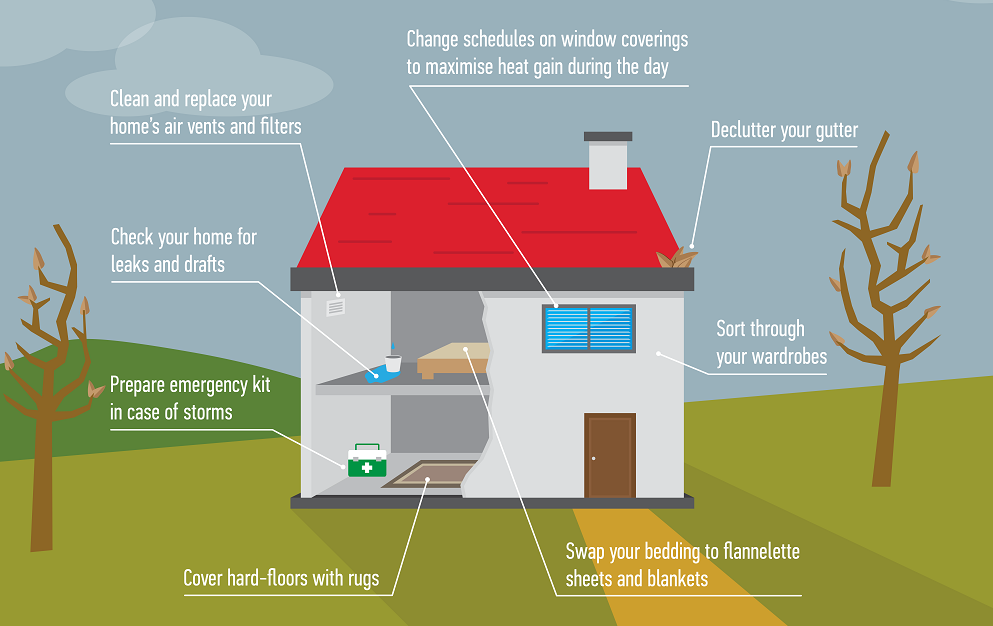
Credit: www.obrienrealestate.com.au
Seal Doors And Windows
Sealing doors and windows is a key step to stop warm air from escaping your house. These openings often have gaps that let cold air in and warm air out. Proper sealing keeps your home cozy and reduces heating costs. Focus on simple fixes that block drafts and improve insulation.
Apply Weatherstripping
Weatherstripping blocks air leaks around door and window edges. It is usually made of foam, rubber, or vinyl. Apply it along the frame where the door or window closes. This creates a tight seal that stops drafts. Weatherstripping is easy to install and inexpensive.
Use Door Sweeps
Door sweeps attach to the bottom of doors. They close the gap between the door and the floor. This prevents cold air from entering under the door. Choose sweeps with a rubber or brush strip for better sealing. Door sweeps also stop dust and bugs from coming inside.
Fix Damaged Frames
Damaged or warped frames cause big gaps around doors and windows. Inspect frames for cracks, rotting wood, or loose parts. Repair or replace damaged sections to restore a tight fit. Properly aligned frames improve sealing and keep heat inside. Regular checks help maintain energy efficiency.
Optimize Heating Systems
Optimizing your heating system is one of the smartest ways to reduce heat loss in your home. A well-maintained and efficient heating setup not only keeps your space warm but also lowers energy bills. Small changes in how you manage your heating can make a big difference in comfort and cost.
Regular Maintenance
Keeping your heating system in top shape requires regular check-ups. Clean or replace filters every few months to ensure good airflow and prevent your system from working harder than necessary.
Inspect ducts for leaks or damage. Sealing these leaks can stop warm air from escaping and cold air from entering.
Have a professional service your system annually. They can spot hidden issues that reduce efficiency and fix them before they cause bigger problems.
Upgrade To Energy-efficient Models
If your heating system is over 10 years old, consider upgrading to a newer, energy-efficient model. Modern systems use less fuel and deliver heat more evenly throughout your home.
Look for units with an ENERGY STAR label—they meet strict efficiency guidelines. This switch can cut your heating costs and reduce heat loss significantly.
Think about the size of your system too; one that’s too big or too small wastes energy. Getting a professional to size it correctly pays off in comfort and savings.
Use Programmable Thermostats
Programmable thermostats give you control over your heating schedule. You can lower the temperature when you’re away or sleeping, reducing unnecessary heat loss.
Many models are easy to install and allow you to set multiple temperature changes throughout the day. This way, your home is warm only when you need it.
Have you checked your thermostat settings lately? Small adjustments can improve your system’s efficiency without sacrificing comfort.
Credit: www.plumheatcool.com.au
Utilize Passive Heating Techniques
Reducing heat loss in your home doesn’t always mean turning up the thermostat. Utilizing passive heating techniques can naturally keep your space warmer without extra energy costs. These methods work by smartly using sunlight and materials that store heat, helping you save money and stay cozy.
Maximize Sunlight Exposure
Position your largest windows to face the sun, especially on the south side if you live in the northern hemisphere. This lets sunlight stream in during the day, warming your rooms naturally. You can also keep curtains open during daylight hours to trap that heat inside.
Think about window size and placement when planning renovations. Even small changes can increase sunlight exposure significantly. Have you noticed how a sunlit room feels warmer right away? That’s the power of passive heating.
Incorporate Thermal Mass Materials
Materials like brick, concrete, or stone absorb heat during the day and release it slowly at night. Adding these inside your home helps maintain a steady temperature without extra heating. For example, a concrete floor or a brick wall can act like a natural heater.
Try placing furniture or rugs on these surfaces to help spread warmth evenly. Have you ever felt the coolness of a stone floor in winter and warmth in summer? That’s thermal mass balancing your indoor climate efficiently.
Plant Windbreaks
Trees and shrubs planted strategically around your home block cold winds and reduce heat loss. Ever felt a cold breeze sneak through your windows? Windbreaks act like a shield, cutting down that chilling effect significantly.
Choose evergreen plants for year-round protection. Even a simple row of bushes can make a big difference in how much heat escapes your home. What could be easier than letting nature help keep your house warm?
Manage Ventilation Smartly
Managing ventilation smartly is crucial to reducing heat loss in your home without sacrificing fresh air. Proper ventilation balances the need for air exchange and energy efficiency, keeping your indoor environment comfortable and warm. It’s about controlling airflow carefully rather than simply opening windows or relying on exhaust fans.
Install Heat Recovery Ventilators
Heat Recovery Ventilators (HRVs) recycle warmth from the outgoing stale air and transfer it to the incoming fresh air. This process keeps your home ventilated without letting heat escape. Installing an HRV can cut your heating costs and improve indoor air quality simultaneously.
Consider an HRV if you live in a tightly sealed home or a cold climate. It’s a practical investment that pays off by reducing the need to heat cold outside air constantly.
Control Airflow With Vents
Adjusting vents lets you direct airflow where it’s needed most, reducing unnecessary heat loss. Closing vents in unused rooms helps keep heat concentrated in living spaces. You can also install adjustable or smart vents to automate airflow based on occupancy or temperature.
Have you noticed certain rooms feel colder despite the heater running? Managing vents may be the key to maintaining even warmth throughout your house without wasting energy.
Avoid Over-ventilation
Too much ventilation can cause significant heat loss, especially during colder months. You need enough fresh air to maintain health but not so much that your heating system works overtime. Finding the right balance is essential for comfort and efficiency.
Think about how often you open windows to air out your home. Could you rely on controlled ventilation instead? Minimizing open windows and using mechanical ventilation wisely helps keep heat inside where it belongs.

Credit: www.youtube.com
Adopt Smart Home Technologies
Adopting smart home technologies can dramatically cut down heat loss in your house while boosting comfort and convenience. These tools help you control your home’s temperature more precisely and react to changing conditions automatically. Imagine adjusting your heating without leaving the couch or having your windows respond to sunlight on their own—this is now possible with smart tech.
Smart Thermostats
Smart thermostats learn your schedule and adjust heating accordingly, so you’re not wasting energy when you’re away or asleep. You can control them remotely via your phone, ensuring your home is warm when you arrive but not overheating all day. Some models even detect open windows and pause heating to save energy.
Have you ever forgotten to turn down the heat before leaving? Smart thermostats solve that problem effortlessly, saving you money without sacrificing comfort.
Automated Window Treatments
Automated blinds or curtains adjust based on the time of day, sunlight, or temperature. During winter, they can open to let in sunlight and close at night to keep warmth inside. In warmer months, they can block heat to reduce cooling costs.
Think about how much heat escapes through your windows. Automated treatments reduce that loss without you having to remember to close or open them.
Energy Monitoring Systems
Energy monitors give you real-time data on your home’s energy use. This insight helps you spot where heat loss is highest and adjust your habits or systems to fix it. You can track the impact of changes you make and keep improving.
Wouldn’t it be great to see exactly how much energy your heating uses daily? Monitoring systems make that possible, helping you stay on top of your home’s efficiency.
Frequently Asked Questions
How Does Insulation Reduce Heat Loss?
Insulation acts as a barrier to heat flow, keeping warmth inside during winter. It minimizes energy consumption and enhances comfort by reducing drafts. Proper insulation in walls, roofs, and floors significantly lowers heating bills. Choosing the right insulation material can improve efficiency and sustainability in your home.
What Are Common Causes Of Heat Loss?
Heat loss often occurs through drafts, poor insulation, and unsealed windows or doors. Gaps and cracks allow warm air to escape, increasing energy bills. Inadequate attic insulation and uninsulated walls also contribute. Identifying and addressing these areas can significantly improve a home’s energy efficiency.
How Can Windows Affect Heat Loss?
Windows can be major sources of heat loss if not properly sealed. Single-pane windows are less efficient compared to double-glazed ones. Drafts and gaps around window frames also contribute. Installing energy-efficient windows or using window film and heavy curtains can greatly reduce heat loss.
Do Curtains Help In Reducing Heat Loss?
Yes, curtains can significantly reduce heat loss by providing an extra barrier. Heavy, thermal-lined curtains are most effective. They help retain indoor warmth, especially at night. Closing curtains during cold weather prevents drafts and enhances comfort. They are an easy and cost-effective solution for reducing heat loss.
Conclusion
Reducing heat loss saves energy and lowers your bills. Seal gaps around doors and windows tightly. Add insulation to walls, attic, and floors. Use thick curtains to keep warmth inside. Regularly maintain your heating system for better efficiency. Small changes make a big difference in comfort.
Stay warm without wasting energy this winter. Your home will feel cozy and save money. Simple steps protect the environment too. Start today to enjoy a warmer, cheaper home.