
Struggling to fit all your furniture into a small living room without making it feel cramped? You’re not alone.
Finding the perfect balance between comfort and space can be tricky, but it’s easier than you think. Imagine a living room where every piece has its place, making your space look bigger and more inviting. You’ll discover simple, practical tips to arrange your furniture smartly, so your small living room feels open, cozy, and stylish.
Keep reading to transform your space without the stress!

Choosing The Right Furniture
Choosing the right furniture is key to making a small living room feel spacious and cozy. The right pieces can save space and add style without overcrowding the room. Focus on furniture that fits well and serves multiple purposes.
Opt For Multi-functional Pieces
Multi-functional furniture helps maximize limited space. A sofa bed can offer seating and a sleeping area. Storage ottomans provide a place to sit and hide clutter. Choose pieces that serve more than one purpose to keep the room tidy and flexible.
Select Scaled-down Sizes
Smaller furniture fits better in compact spaces. Choose chairs and sofas with slim arms and low backs. Avoid oversized pieces that overpower the room. Scaled-down sizes make the living room feel open and less crowded.
Prioritize Lightweight Materials
Furniture made from lightweight materials is easier to move and rearrange. Look for pieces with metal or wood frames and fabric cushions. Avoid bulky, heavy furniture that makes the room feel cramped. Lightweight pieces create a sense of airiness and openness.
Maximizing Space With Layout
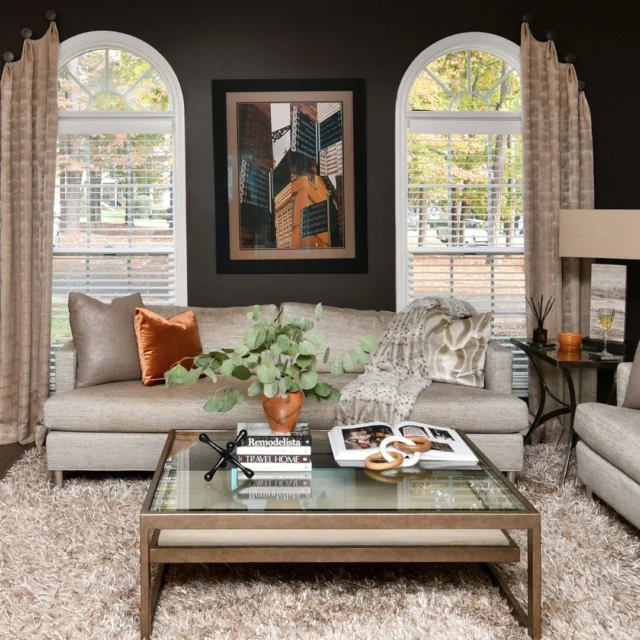
Maximizing space in a small living room starts with the right layout. How you arrange your furniture can make the room feel open or cramped. Thoughtful placement not only improves flow but also highlights your space’s best features.
Create Clear Pathways
Clear pathways help your living room breathe. Avoid blocking walkways with bulky furniture to keep movement easy and natural.
Try to leave at least 2 to 3 feet of walking space between pieces. This distance prevents the room from feeling crowded and lets you navigate comfortably.
Think about how you move through the room daily. Does your current setup force you to weave around furniture? Adjust pieces to create a smooth, obstacle-free route.
Use Corners Wisely
Corners often become wasted space, but they can be great spots for furniture that doesn’t need much room.
Add a cozy armchair, a small bookshelf, or a corner desk to make use of these areas. This approach frees up the central space for more important activities.
In my small apartment, placing a reading nook in the corner transformed unused space into a favorite spot without crowding the room.
Consider Floating Furniture
Floating furniture means pulling pieces away from walls. It might feel counterintuitive, but this tactic can open up your space visually.
Try positioning your sofa or chairs slightly away from the walls to create a sense of depth. It encourages better flow and makes the room feel less boxy.
Pair floating pieces with a rug to anchor the arrangement. This setup defines areas while keeping the layout airy and inviting.
Enhancing Visual Space
Enhancing the visual space in a small living room makes it feel larger and more inviting. The right choices in color, decor, and organization can open up the room. These simple tricks create an airy atmosphere without changing the room’s size. Focus on brightness, reflections, and neatness to improve the space.
Use Light Colors And Reflective Surfaces
Light colors make walls and furniture appear bigger. Whites, creams, and pastels reflect natural light well. Choose light-colored sofas, rugs, and curtains to brighten the room.
Reflective surfaces like glass or shiny metals bounce light around. A glass coffee table or metal lamp adds sparkle. These surfaces prevent the room from feeling cramped.
Incorporate Mirrors Strategically
Mirrors create an illusion of depth and space. Place a large mirror opposite a window to double natural light. Smaller mirrors grouped on one wall add interest and open up the room.
Mirrors also reflect the room’s best features. Use frames that match your decor to keep the style consistent. Avoid cluttering walls with too many mirrors.
Keep Clutter To A Minimum
Clutter makes any space feel smaller and chaotic. Use storage solutions like baskets and shelves to organize items. Keep surfaces clear to maintain a clean look.
Limit decorative pieces to a few key items. Regularly remove things you don’t use. A tidy room feels larger and more comfortable.
Smart Storage Solutions
Smart storage solutions can transform your small living room into a clutter-free, functional space without sacrificing style. The key is to think beyond traditional storage and use furniture and space creatively. Let’s look at some practical ways to maximize storage without overwhelming your room.
Choose Furniture With Built-in Storage
Opt for sofas, ottomans, or coffee tables that include hidden compartments or drawers. These pieces provide extra storage for blankets, magazines, or toys, keeping your living area neat and tidy. I once switched to a storage ottoman and suddenly had a place to stash everything without adding extra furniture.
Look for beds or benches with storage underneath if your living room doubles as a guest area. This way, you keep essentials close but out of sight, making the room feel more spacious.
Utilize Vertical Space
Don’t limit yourself to floor-level storage—use your walls effectively. Floating shelves and tall bookcases draw the eye upward and free up floor space. You can even add wall-mounted cabinets to store items without cluttering the room.
Think about hooks or pegboards for hanging items like bags or keys. This frees up surfaces and keeps everyday things organized and accessible.
Add Hidden Storage Options
Hidden storage can be your secret weapon in a small living room. Consider furniture that doubles as storage, such as a coffee table with a lift-top or side tables with concealed drawers. These pieces keep your essentials out of sight but within easy reach.
Have you ever tried using the space behind doors or under windows? Slim storage units or baskets tucked in these areas can hold items you don’t use daily but want nearby.
Balancing Comfort And Style
Balancing comfort and style in a small living room can feel like walking a tightrope. You want your space to be inviting and cozy without sacrificing the look you love. It’s about choosing pieces and accents that work hard for both function and design, making every inch count.
Select Cozy Yet Compact Seating
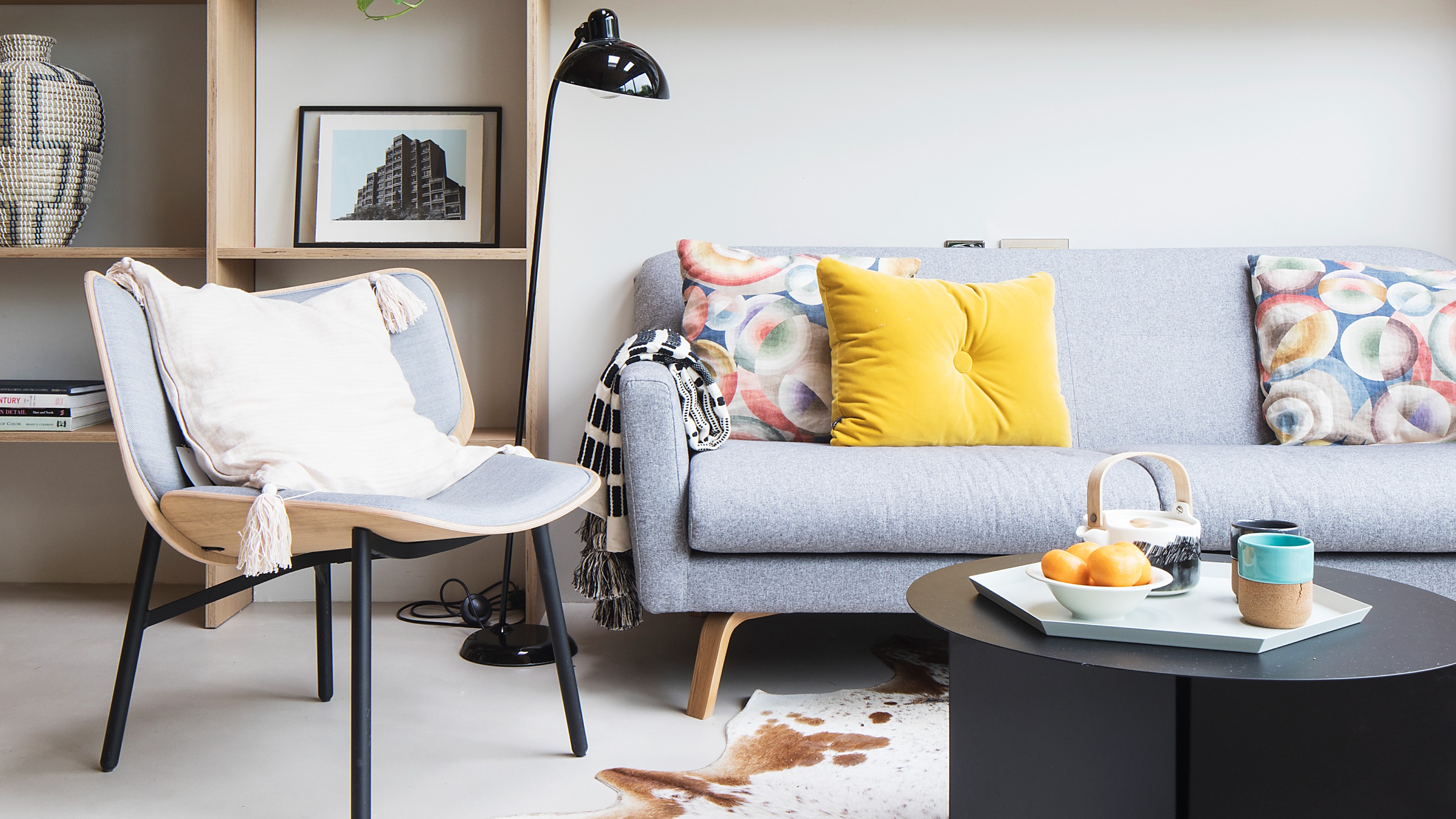
Look for seating that fits the space without overwhelming it. A small loveseat or a couple of armchairs can offer comfort without crowding the room. Choose furniture with slim arms and raised legs to create a sense of openness.
Think about multi-functional pieces like ottomans that double as storage or extra seating. Have you tried placing a bench with cushions instead of bulky chairs? It’s a smart way to keep things cozy and practical.
Add Soft Textures And Accents
Soft textures invite you to relax and make your living room feel warm. Layering a plush rug, velvet throw pillows, or a knitted blanket can soften hard edges and add depth. These accents don’t take up space but transform the atmosphere instantly.
Don’t hesitate to mix textures—pair smooth leather with a fluffy throw or a sleek floor with a shaggy rug. What textures make you want to sink into your sofa after a long day?
Maintain A Cohesive Design Theme
A consistent theme ties your small space together and prevents it from feeling chaotic. Choose a color palette that flows throughout the room and stick to it. This approach makes the area look larger and more harmonious.
Coordinate your furniture, textiles, and accessories so they complement each other. Remember, your style should reflect your personality but also keep the room feeling balanced. How can you unify your space without losing your unique touch?
Frequently Asked Questions
How To Choose Furniture For A Small Living Room?
Select compact, multi-functional furniture with clean lines. Opt for pieces with exposed legs to create a sense of space. Avoid bulky items that overcrowd the room. Prioritize storage solutions to keep clutter minimal and maintain an open, airy feel.
What Is The Best Furniture Layout For Small Spaces?
Use a layout that maximizes floor space and traffic flow. Place larger pieces against walls and keep the center open. Consider floating furniture arrangements or corner placements to utilize every inch efficiently. Balance the room with symmetrical or asymmetrical arrangements.
How To Make A Small Living Room Appear Larger?
Use light colors and mirrors to reflect light and create depth. Choose furniture with slim profiles and transparent materials like glass or acrylic. Keep décor minimal and avoid overcrowding. Incorporate vertical storage to draw the eye upward and enhance height perception.
Can Multifunctional Furniture Save Space In Small Rooms?
Yes, multifunctional furniture like sofa beds or ottomans with storage optimizes space. These pieces serve dual purposes, reducing the need for extra furniture. They help maintain a clutter-free environment and increase usability in compact living rooms.
Conclusion
Small living rooms can feel cozy and inviting with the right furniture. Choose pieces that fit the space without crowding it. Use light colors and simple designs to keep the room open. Think about how you move and use the space every day.
Keep the floor clear to make the room look bigger. Add mirrors or lights to brighten the area. With careful planning, even small rooms feel comfortable and stylish. Try these tips and enjoy your living room more.