
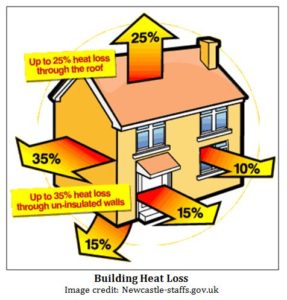
Are you tired of watching your heating bills climb every winter? Losing heat in your home not only wastes energy but also leaves you feeling chilly and uncomfortable.
The good news is that you can take simple steps to stop heat from slipping away. You’ll discover easy, effective ways to keep your house warm and cozy while saving money. Ready to make your home more energy-efficient and comfortable?
Let’s dive into how you can prevent heat loss in your house.

Credit: berkshire.redkitedays.co.uk
Seal Air Leaks
Sealing air leaks is one of the simplest ways to reduce heat loss in a house. Gaps and cracks let warm air escape and cold air enter. This makes your heating system work harder and increases energy bills. Fixing these leaks keeps your home warmer and more comfortable.
Focus on areas where air can easily slip through. Use the right materials to block these openings. Small steps can make a big difference in saving heat and energy.
Identify Common Leak Areas
Look around windows, doors, and baseboards for gaps or cracks. Check places where different materials meet, such as walls and ceilings. Pay attention to electrical outlets and vents. These spots often have invisible leaks that let air pass through.
Use a candle or incense stick to spot moving smoke near leaks. Another way is to feel for cold drafts with your hand. Make a list of all leaks you find to fix them properly.
Use Weatherstripping And Caulk
Weatherstripping seals gaps around doors and windows. It is easy to install and very effective. Choose the right type for your door or window frame. Replace old or worn-out weatherstripping to keep the seal tight.
Caulk fills cracks and holes in walls and around window frames. Use silicone or acrylic caulk for best results. Apply caulk smoothly and let it dry completely. This stops air from flowing through small openings.
Check Doors And Windows
Doors and windows are main sources of heat loss. Check their frames for cracks and gaps. Make sure doors close tightly without gaps underneath. Install door sweeps to block drafts at the bottom.
Inspect window panes for broken seals or cracks. Consider adding storm windows for extra insulation. Keep curtains or blinds closed at night to reduce heat loss further.
Improve Insulation
Improving insulation is key to stopping heat from escaping your home. Good insulation keeps warm air inside during cold months. It also helps lower energy bills and makes your home more comfortable. Simple upgrades in insulation can make a big difference in heat retention.
Add Attic Insulation
The attic is one of the main places where heat escapes. Adding insulation here blocks warm air from leaving your house. Use materials like fiberglass, cellulose, or foam to fill gaps and cover the attic floor. Check the thickness and add more if needed to meet local energy codes.
Insulate Walls And Floors
Heat loss happens through walls and floors too. Insulating walls with foam or fiberglass reduces drafts. Crawl spaces and basements need floor insulation to keep warmth from seeping out. Sealing cracks and gaps before insulating boosts effectiveness.
Upgrade To Energy-efficient Materials
Choose insulation products designed for energy saving. Spray foam insulation seals tight spaces and adds a strong thermal barrier. Reflective insulation helps reduce heat loss by reflecting heat back inside. Look for products with high R-values for better performance.
Upgrade Windows And Doors
Windows and doors are the main gateways for heat to escape your home. Upgrading them can make a huge difference in keeping your house warm and cutting down on energy bills. You might be surprised how a few changes here can create a cozy, energy-efficient space.
Install Double Or Triple Glazing
Single-pane windows let a lot of heat slip through. Double or triple glazing adds extra layers of glass with air or gas in between, which acts as a barrier against heat loss.
Think about the last time you felt a cold draft near a window. Upgrading to double or triple glazed windows reduces those drafts and keeps your home warmer. It’s an investment that pays off by lowering your heating costs over time.
Use Thermal Curtains
Thermal curtains are thicker and designed to block cold air from coming in and warm air from escaping. Closing them at night or during particularly cold days can seal your windows and add an extra layer of protection.
They’re easy to install and come in various styles, so you don’t have to sacrifice your home’s look for comfort. Have you noticed how much cooler a room feels after pulling the curtains shut on a chilly evening?
Consider Door Sweeps And Thresholds
Gaps under doors are sneaky spots where heat escapes. Adding door sweeps and upgrading thresholds can seal these gaps effectively.
These small additions are inexpensive but highly effective. You might not have thought about the impact of a draft under your door until you felt it—now imagine stopping that cold air in its tracks.
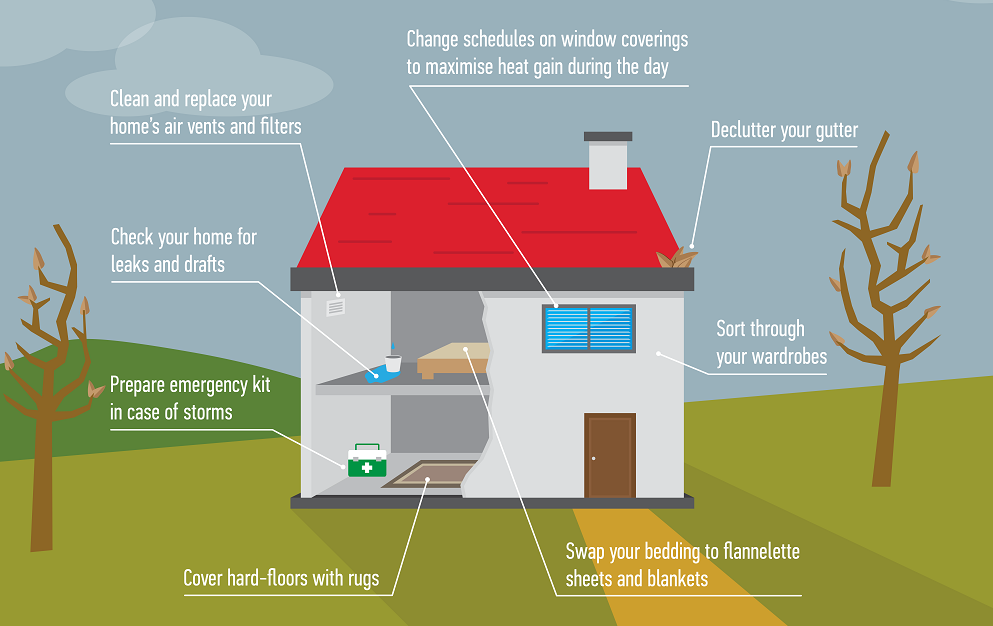
Credit: www.obrienrealestate.com.au
Maintain Heating Systems
Maintaining your heating system helps keep your home warm and lowers energy costs. A well-kept system works better and uses less energy. Small fixes and regular care stop heat from escaping and keep your house cozy all winter.
Regular Furnace Tune-ups
Schedule a furnace check every year. A technician cleans and checks parts to keep the furnace running smoothly. This prevents breakdowns and saves energy. Clean filters and burners make the furnace heat more efficiently. Regular tune-ups extend the life of your heating system.
Use Programmable Thermostats
Programmable thermostats control your home temperature automatically. Set times for the heat to lower when you are away or asleep. This avoids wasting energy by heating an empty house. Easy-to-use models help save money and keep rooms comfortable. Adjust settings based on your daily schedule for best results.
Seal Ductwork Leaks
Check ducts for holes or loose connections. Leaks let warm air escape before it reaches rooms. Use mastic sealant or metal tape to close leaks. Properly sealed ducts improve heating efficiency and comfort. Sealing ducts helps your furnace work less and saves energy bills.
Utilize Passive Heating
Utilizing passive heating helps keep your house warm naturally. It reduces the need for extra heating, saving energy and money. This method uses the sun’s energy and smart design to keep heat inside your home.
Maximize Sunlight Exposure
Place windows and glass doors facing the sun, especially the south side. This allows sunlight to enter and warm the rooms during the day. Avoid blocking windows with large trees or buildings. Use light-colored curtains that open easily to let more light in.
Use Thermal Mass Materials
Materials like brick, concrete, and stone store heat from the sun. They slowly release warmth into your home when it gets cooler. Install these materials in floors or walls that get direct sunlight. This keeps rooms warm even after the sun goes down.
Plant Windbreaks
Plant trees and shrubs around your house to block cold winds. Windbreaks reduce heat loss caused by strong winds. Place them on the sides where wind hits your home the most. Use evergreen plants to protect your house all year long.
Credit: www.plumheatcool.com.au
Manage Ventilation
Proper ventilation is key to reducing heat loss in any home. It allows fresh air to enter without wasting warmth. Managing ventilation carefully keeps your house comfortable and energy-efficient. Good airflow prevents dampness and improves indoor air quality.
Install Heat Recovery Ventilators
Heat recovery ventilators (HRVs) bring fresh air in and send stale air out. They capture heat from outgoing air and transfer it to incoming air. This process keeps your home warm while providing fresh air. Installing HRVs saves energy and cuts heating costs.
Control Moisture Levels
Excess moisture can cause heat loss and damage to your home. Use exhaust fans in bathrooms and kitchens to remove humidity. Dehumidifiers help keep indoor air dry. Proper moisture control stops mold and protects insulation effectiveness.
Balance Airflow
Balanced airflow prevents cold drafts and heat loss. Seal leaks around windows and doors to stop air leaks. Use vents and registers to direct air evenly throughout rooms. Balanced ventilation keeps your home warm and comfortable all year.
Frequently Asked Questions
What Are Common Causes Of Heat Loss In Homes?
Heat loss in homes often occurs through windows, doors, roofs, and walls. Poor insulation and air leaks significantly contribute. Even small gaps can let out warm air. Proper sealing and insulation are crucial. Addressing these areas can effectively reduce heat loss, improving energy efficiency and comfort.
How Does Insulation Reduce Heat Loss?
Insulation acts as a barrier to slow down heat transfer. It helps keep warm air inside during winter. Properly insulated homes maintain temperatures better. This reduces the need for heating systems. Insulation materials, like fiberglass or foam, are effective choices.
Quality installation ensures optimal performance and energy savings.
Why Are Double-glazed Windows Effective?
Double-glazed windows have two glass layers with a gap between them. This design minimizes heat transfer. The gap acts as an insulating barrier, reducing heat loss. It also helps in noise reduction. Double glazing is an efficient way to enhance energy efficiency and maintain indoor comfort.
How Can I Prevent Heat Loss Through Doors?
Ensure doors are properly sealed and weather-stripped to prevent drafts. Use door sweeps to block gaps at the bottom. Consider installing storm doors for extra insulation. Regularly check for wear and tear. Addressing these issues will help maintain a stable indoor temperature and reduce energy costs.
Conclusion
Preventing heat loss saves energy and lowers bills. Seal windows and doors tightly. Add insulation in walls and attic. Use curtains to keep warmth inside. Close vents in unused rooms. Regularly check for drafts around your home. Simple steps make a big difference.
Stay warm and comfortable all winter long. Small actions today protect your home tomorrow.