
Choosing the right furniture for your living room can feel overwhelming. You want pieces that look great, feel comfortable, and fit your space perfectly.
But how do you make sure you pick the best options without wasting time or money? This guide will walk you through simple steps to help you find living room furniture that matches your style and meets your needs. Keep reading, and you’ll discover tips that make the entire process easier and more enjoyable—so your living room becomes the cozy, inviting space you’ve been dreaming of.
Assess Your Space
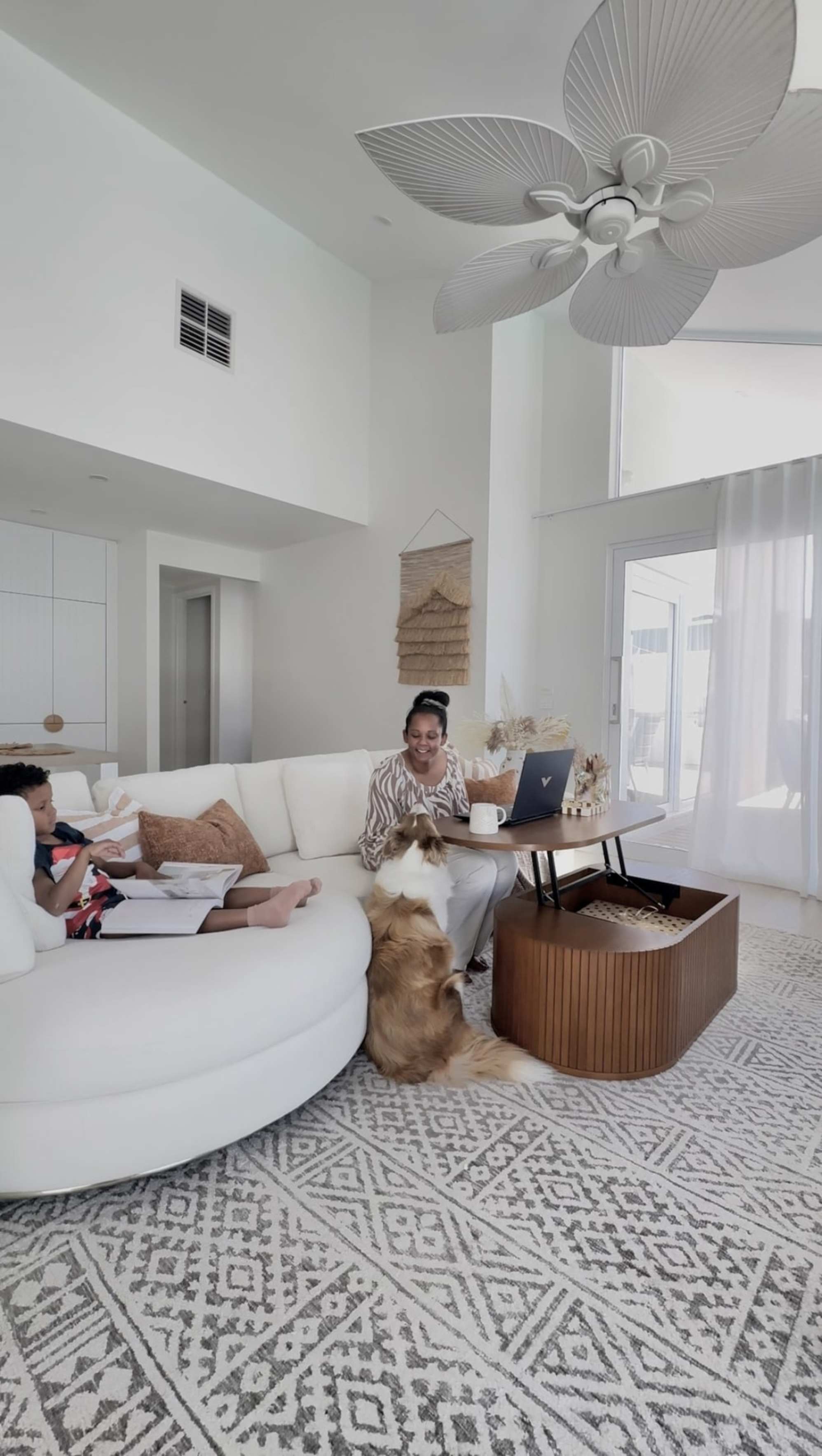
Assessing your space is the first step in choosing the right living room furniture. It helps you understand what fits well and keeps the room functional. Knowing the size and layout avoids overcrowding or empty spots.
Take time to observe the room’s shape and how natural light enters. Consider how the space will be used daily. This knowledge guides your furniture choices to suit both style and comfort.
Measure Room Dimensions
Start by measuring the length and width of the room. Note the height of the walls too. These numbers help you select furniture that fits without crowding.
Draw a simple floor plan on paper or use a digital tool. Mark doors, windows, and any built-in features. This step ensures you don’t block pathways or light sources.
Consider Traffic Flow
Plan clear paths for walking through the room. Avoid placing furniture that blocks these routes. A good rule is to leave at least 2 feet of walking space.
Think about how many people use the room and where they move most. Arrange seating and tables to keep the flow smooth. This makes the space more comfortable and easy to navigate.
Identify Focal Points
Find the main focus in the room, like a fireplace, TV, or large window. Arrange furniture around this point to highlight it. This creates a natural gathering spot.
Use rugs, lighting, or artwork to enhance the focal area. Furniture should support the room’s purpose and emphasize its best features. This adds balance and style to the space.
Choose A Style
Choosing a style for your living room furniture sets the tone for the entire space. It reflects your personality and creates a mood that welcomes guests. Picking a style helps narrow down choices and makes decorating easier. Consider how the furniture will blend with the room’s purpose and your lifestyle.
Match Existing Decor
Look at the colors, patterns, and shapes already in the room. Furniture should complement these elements to create a balanced look. Use similar tones or materials to keep harmony. Avoid styles that clash with the walls, flooring, or accessories.
Explore Popular Styles
Familiarize yourself with common furniture styles. Modern style offers clean lines and minimal shapes. Traditional style includes rich wood and classic details. Mid-century modern features simple forms and natural wood. Choose a style that feels comfortable and suits your needs.
Mix And Match Elements
Combining different styles can create a unique space. Blend modern pieces with vintage finds for contrast. Use a neutral base and add colorful accents. Balance bold patterns with solid colors to avoid clutter. Mixing styles adds character and personal touch.
Select Key Pieces
Selecting key pieces of furniture is the first step in designing a comfortable living room. These pieces set the tone and style for the entire space. Focus on items that combine function with style. Choose furniture that fits your room size and lifestyle. Quality and comfort should guide your choices.
Pick The Right Sofa
The sofa is often the room’s centerpiece. Choose one that fits your space without crowding it. Consider the sofa’s size, shape, and fabric. Soft fabrics invite relaxation, while leather offers durability. Select a color that complements your decor. Test the sofa for comfort before buying.
Add Comfortable Seating
Extra seating makes the room welcoming. Include chairs or loveseats that match your sofa. Look for pieces with good support and soft cushions. Arrange seating to encourage conversation. Use varied shapes and sizes for visual interest. Don’t forget ottomans or poufs for flexible seating.
Include Functional Tables
Tables serve both style and function. Choose a coffee table that fits the sofa’s height. Side tables provide places to set drinks and lamps. Look for tables with storage options to reduce clutter. Materials should match or complement other furniture. Keep enough space for easy movement around tables.
Focus On Comfort
Comfort is the heart of any living room. Furniture should invite you to sit, relax, and stay a while. Choosing pieces that feel good supports your daily life and boosts your mood. Focus on comfort to make your living room a cozy retreat.
Test Furniture In Person
Visit stores to try furniture before buying. Sit on sofas and chairs to check support. Feel the height and depth of seats. Notice how the furniture holds your body. Comfort varies by person, so personal testing matters most.
Consider Fabric And Cushioning
Select fabrics that feel soft and breathable. Avoid materials that irritate skin or trap heat. Cushioning should be firm enough for support but soft enough to relax in. Look for high-density foam or down blends for lasting comfort.
Balance Style With Usability
Choose furniture that looks good and feels good. Stylish pieces can be comfortable too. Avoid designs that sacrifice comfort for appearance. Think about how you use the room daily. Comfort and style together create a welcoming space.
Plan For Storage
Planning for storage in your living room helps keep the space tidy and organized. It also makes the room look bigger and more welcoming. Good storage solutions fit your lifestyle and furniture style. Think about how much space you need and what items you want to store.
Incorporate Shelving Units
Shelving units provide vertical storage without using floor space. Use open shelves to display books, plants, and decor. Closed shelves hide clutter and keep things neat. Choose wall-mounted shelves to save room and create a modern look.
Choose Multi-purpose Furniture
Pick furniture that offers extra storage options. Ottomans with hidden compartments store blankets or toys. Coffee tables with drawers keep remotes and magazines out of sight. Sofas with built-in storage under cushions maximize space.
Keep Clutter Minimal
Limit the number of decorative items on surfaces. Store items that are not used daily. Use baskets or boxes to group small items. A clutter-free room feels calm and easy to clean.
Set A Budget
Setting a budget is the cornerstone of choosing living room furniture that fits your style and space without breaking the bank. It helps you stay focused and avoid impulse buys that don’t add value to your home. Knowing your limits upfront makes the entire process smoother and more enjoyable.
Prioritize Spending
Decide which furniture pieces deserve the biggest part of your budget. For most, the sofa is the centerpiece and deserves a higher investment since you’ll use it daily. Other items, like side tables or decorative chairs, can be more budget-friendly without sacrificing style.
Think about your lifestyle. Do you entertain guests often? If yes, prioritize comfortable seating and durable materials. If you spend more time reading or relaxing, a cozy armchair might be worth extra funds. What pieces will you use the most?
Look For Deals And Discounts
Don’t overlook sales, clearance events, and outlet stores. These can offer quality furniture at a fraction of the price. Sign up for newsletters from your favorite stores to get early access to discounts and special offers.
Shopping off-season can also save you money. For example, buying outdoor furniture in winter or holiday-themed pieces right after the season ends often means deep discounts. Are you flexible enough to wait for these deals?
Invest In Quality Pieces
Spend more on furniture that should last for years, like your sofa or dining table. Quality doesn’t always mean luxury brands—it means choosing solid construction and durable fabrics. A well-made piece saves money in the long run by avoiding replacement or repairs.
Test furniture in-store if possible. Sit on sofas, open drawers, and check the sturdiness of frames. Your comfort and durability should guide your investment. Which items will endure your daily routines and which can be swapped out more easily?
Coordinate Colors And Textures
Choosing the right colors and textures helps make your living room inviting and stylish. Coordinated colors create harmony, while varied textures add interest. Together, they shape the room’s mood and feel.
Create A Cohesive Palette
Pick a main color and two to three complementary shades. Use these colors across your furniture, walls, and decor. Soft neutrals work well as a base. Bright or dark accents bring energy and contrast. Keep the palette balanced to avoid overwhelming the space.
Mix Textures For Depth
Combine smooth, rough, soft, and shiny surfaces. Think of leather sofas with wool cushions or wooden tables with glass tops. Mixing textures adds visual depth and comfort. It also prevents the room from feeling flat or boring.
Use Accessories To Tie Together
Use pillows, rugs, and curtains to link colors and textures. Choose accessories that echo your palette and materials. Small touches can unify the space and make it feel complete. Change accessories easily to refresh your room’s look anytime.
Consider Durability
Durability is a key factor when selecting living room furniture. Your pieces need to withstand everyday use and still look great after years of wear. Focusing on durability helps you avoid frequent replacements and keeps your living space comfortable and stylish.
Choose Long-lasting Materials
Opt for materials known for their strength and longevity. Solid wood frames, like oak or maple, tend to last much longer than particleboard or MDF. Leather and high-quality fabric upholstery can resist stains and tears better than cheaper alternatives.
Think about how your furniture will be used. If you have kids or pets, durable fabrics like microfiber or leather make sense. Are you someone who loves to change styles often? Durable materials allow you to update cushions and covers without replacing the entire piece.
Think About Maintenance
Durability isn’t just about how long furniture lasts—it also depends on how easy it is to care for. Ask yourself how much time you’re willing to spend cleaning or repairing your furniture. Some fabrics need professional cleaning, while others can be wiped down with a damp cloth.
Choosing furniture that fits your lifestyle means fewer headaches in the long run. For example, a stain-resistant sofa fabric can save you hours of scrubbing. Would you rather spend time relaxing or maintaining your furniture?
Evaluate Warranty And Return Policies
Check the warranty details before making your purchase. A solid warranty signals the manufacturer’s confidence in their product’s durability. Look for coverage on frame, cushions, and fabric, as these areas often show wear first.
Return policies also matter if the furniture doesn’t meet your durability expectations. Knowing you can return or exchange an item reduces the risk of investing in something that won’t last. Have you ever bought furniture that didn’t hold up? A good warranty can prevent that frustration.
Frequently Asked Questions
How Do I Choose The Right Size Furniture For My Living Room?
Measure your living room dimensions first. Select furniture that fits the space without overcrowding. Consider traffic flow and balance between pieces for comfort and style.
What Materials Are Best For Living Room Furniture?
Choose durable, easy-to-clean materials like leather, microfiber, or treated fabric. Consider your lifestyle, pets, and maintenance needs when selecting materials for longevity and comfort.
How To Match Living Room Furniture With Existing Decor?
Pick furniture colors and styles that complement your current decor. Use neutral tones for flexibility or bold pieces to create a focal point. Balance patterns and textures for harmony.
What Is The Ideal Living Room Furniture Layout?
Arrange furniture to encourage conversation and optimize space. Place seating around a focal point, like a fireplace or TV. Leave enough room for easy movement.
Conclusion
Choosing living room furniture takes thought and care. Focus on comfort and style that fits your space. Measure your room before buying any pieces. Pick colors and materials that suit your home. Don’t rush; take time to find the right items.
Your living room should feel cozy and inviting. Enjoy making your space truly yours with the right furniture.