

Are you ready to give your home a fresh new look? Painting your home exterior can do wonders not just for its appearance but also for its value.
Imagine pulling into your driveway each day and feeling a sense of pride as you admire your beautifully painted house. You don’t have to be a professional to achieve stunning results. With the right guidance, you can transform your home’s exterior into a masterpiece.
You’ll discover simple, step-by-step instructions that will make the process easy and enjoyable. Plus, we’ll share insider tips to ensure your paint job lasts for years. Ready to roll up your sleeves and get started? Keep reading to find out how you can create a stunning exterior that will make your home the envy of the neighborhood.
Credit: www.hgtv.com
Choosing The Right Paint
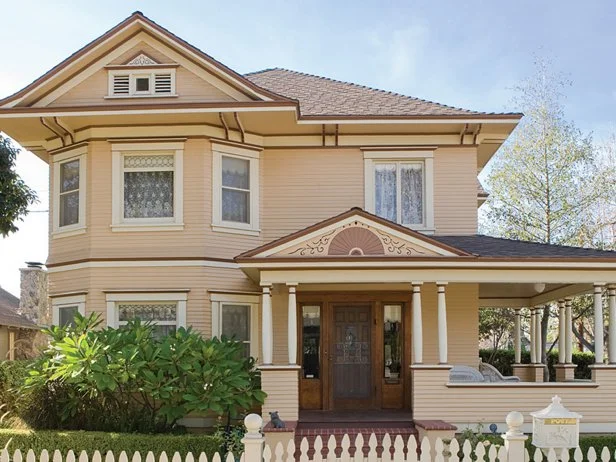
Selecting the right paint for home exteriors is key to achieving lasting beauty. Consider weather-resistant options to withstand harsh conditions. Choose colors that complement your home’s style and surroundings for an inviting look.
Choosing the right paint for your home’s exterior is crucial. It affects how your house looks and stands up to the elements. Picking the right type, color, and considering weather conditions helps ensure lasting beauty.Types Of Exterior Paint
Exterior paints come in various types. Each offers specific benefits. Acrylic paint is popular for its durability. It resists fading and cracking. Latex paint is easy to apply and clean. It’s also environmentally friendly. Oil-based paints provide a smooth finish but take longer to dry. Consider your needs and preferences when selecting paint type.Color Selection Tips
Choosing a color involves more than personal preference. Consider your home’s architecture and surroundings. Neutral colors like beige and gray offer timeless appeal. Bold colors make a statement but may not suit all styles. Test samples on a small area to see how they look in different light. Think about the resale value if you plan to sell your home.Consideration Of Weather Conditions
Weather impacts how paint performs over time. In sunny areas, UV rays can fade colors quickly. Choose paints with UV protection for long-lasting vibrancy. In humid regions, mold-resistant paint prevents damage. Cold climates require paint that withstands temperature fluctuations. Check the paint’s specifications to ensure it suits your climate.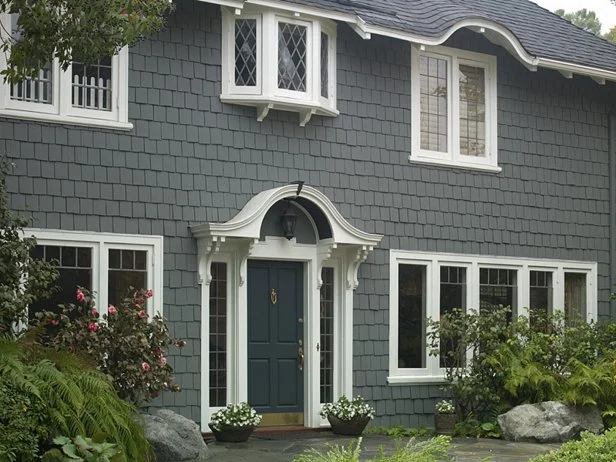
Credit: www.hgtv.com
Preparing The Surface
Clean and dry surfaces ensure paint adheres well. Remove old, chipped paint and sand rough areas. Fill cracks and holes with putty for a smooth finish.
Preparing the surface is key to a successful exterior paint job. It ensures the paint adheres properly, lasts longer, and looks smooth. Here’s how to get your exterior surface ready for painting.Cleaning The Exterior
Start by washing the walls. Use a pressure washer or a garden hose. This removes dirt, dust, and grime. For stubborn stains, use a scrub brush and mild detergent. Rinse thoroughly to remove all soap. Let the surface dry completely before moving on.Repairing Damages
Inspect the exterior for cracks or holes. Fill these with a suitable filler. Let the filler dry, then sand it smooth. Check for loose or peeling paint. Scrape it off with a paint scraper. Sand the edges to ensure a seamless finish.Priming The Surface
Apply a coat of primer to the exterior. Primer helps the paint stick better. It also provides a uniform base for the paint color. Use a roller or brush for even application. Allow the primer to dry fully before painting.Gathering Necessary Tools
Painting your home’s exterior is a rewarding project. It enhances curb appeal and protects your home. Before you start, gather the necessary tools. Having the right tools makes the job easier and safer.
Essential Painting Equipment
Start with quality brushes and rollers. Choose sizes suited for different surfaces. Use brushes for corners and edges. Rollers cover large areas quickly. Paint trays and buckets help manage paint efficiently.
- Brushes and rollers
- Paint trays
- Buckets
High-quality paint is vital. It ensures a smooth finish and durability. Select paint suitable for outdoor conditions. A paint mixer helps achieve consistency. Use painter’s tape to protect areas you don’t want painted.
Safety Gear
Safety should be your priority. Wear protective clothing to keep paint off your skin. Gloves guard your hands. Safety goggles protect your eyes from splashes. A mask shields you from fumes.
- Protective clothing
- Gloves
- Safety goggles
- Mask
Non-slip shoes prevent accidents. Ensure your gear is comfortable. It should not restrict your movement.
Ladders And Scaffolding
Accessing higher areas requires ladders or scaffolding. A sturdy ladder is essential. It should be stable and the right height. Use scaffolding for greater reach and mobility. It offers a safer platform.
- Sturdy ladder
- Scaffolding
Check your equipment for safety. Ensure it’s in good condition. Proper setup reduces risk and increases efficiency.
Painting Techniques
Painting the exterior of your home can seem daunting. But mastering the right techniques makes it manageable. With proper methods, you ensure an even and lasting finish. Let’s explore some fundamental painting techniques for a flawless exterior.
Brushing Vs. Spraying
Choosing between brushing and spraying depends on your needs. Brushing offers greater control and is ideal for small areas. It’s perfect for details and trims. Spraying, on the other hand, covers large areas quickly. It provides a smooth finish without brush strokes. Consider the size of your project and your experience level. Both methods have their benefits and challenges.
Applying Paint Evenly
An even coat is crucial for a professional look. Start by applying a thin first coat. Use long, smooth strokes with a brush. If spraying, maintain a steady hand and consistent distance. Overlapping strokes ensures no missed spots. Watch out for drips and runs. They can ruin the finish. Take your time and be patient.
Drying And Second Coats
Allow the paint to dry fully before applying a second coat. This prevents peeling and ensures durability. Check the paint can for drying times. Weather conditions also affect drying. Avoid painting on rainy or humid days. Once dry, inspect for missed spots or uneven areas. Apply a second coat for added protection and depth. This enhances the color and finish. Proper drying and layering are key to a lasting paint job.
Finishing Touches
Finishing touches include adding protective sealants to your painted home exterior. They enhance durability and weather resistance. Choose quality sealants to ensure lasting protection and maintain the fresh look of your paint job.
The final strokes of painting your home’s exterior can be the most rewarding. It’s when your vision truly comes to life, and every detail adds to the overall appeal. As you wrap up the painting process, focus on these crucial finishing touches to ensure a polished and lasting result.Trimming And Detailing
Adding the right trim and details can elevate your home’s curb appeal significantly. Choose colors for the trim that complement the primary color of your home for a cohesive look. Use a smaller brush for precision to ensure clean lines and crisp edges. Consider accentuating elements like window sills, doors, and eaves. These details can highlight architectural features and add character. Have you thought about using contrasting colors for a bold statement or subtle shades for a classic finish?Sealing And Protecting
Once the paint is dry, seal it to protect against weather and wear. A high-quality sealant can make a significant difference in longevity. Opt for a UV-resistant sealant to prevent fading from sunlight. Sealing not only enhances durability but also adds a subtle sheen to the finish. It’s like giving your home a protective shield. Don’t skip this step if you want the fresh look to last for years.Cleaning Up
A tidy workspace is a sign of professionalism and care. Gather all tools, brushes, and drop cloths, and clean them thoroughly. Proper cleaning ensures they’re ready for future projects and prevents paint from drying on them. Dispose of paint cans and materials responsibly, following local guidelines. This step not only respects the environment but also completes your project on a positive note. Isn’t it satisfying to step back and admire your hard work with everything in its place? Embrace these finishing touches as part of the painting process, and your home will not only stand out but also withstand the test of time.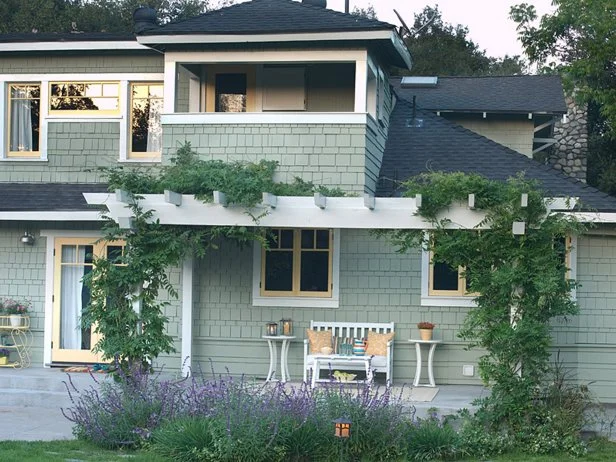
Credit: www.hgtv.com
Maintenance Tips
Choosing the right paint is crucial for a durable finish. Clean surfaces thoroughly before applying paint. Dry weather helps paint adhere better, ensuring a long-lasting coat.
When you paint your home’s exterior, maintaining its fresh look is essential. Proper maintenance ensures your paint job lasts longer. It also keeps your home looking its best. Let’s explore some practical tips to maintain your painted exterior.Regular Inspections
Regular checks help spot issues early. Look for peeling or cracking paint. Check for mold or mildew, especially in damp areas. Examine window sills and door frames. They often show wear and tear first. Inspections save you money by preventing bigger problems.Touch-ups And Repairs
Small touch-ups prevent bigger issues. Fill in cracks with exterior caulk. Use matching paint to cover small chips. Fix any loose or damaged siding promptly. Regular touch-ups keep your home looking fresh. They also protect the underlying materials.Long-term Protection
Long-term care extends the life of your paint job. Apply a protective sealant every few years. This adds a layer of defense against weather. Consider repainting every five to seven years. This keeps your home looking new. A well-maintained exterior boosts curb appeal.Frequently Asked Questions
What Is The Proper Way To Paint The Exterior Of A House?
To paint a house exterior, start by cleaning the surface. Repair any damage and apply primer. Use high-quality paint and brushes. Work from top to bottom in sections. Allow adequate drying time between coats.
Can I Paint The Outside Of My House By Myself?
Yes, you can paint your house exterior yourself. Ensure you have the right tools, paint, and safety gear. Prepare surfaces by cleaning and repairing. Follow weather forecasts for optimal painting conditions. Consider your skill level and time commitment before starting.
Can I Just Paint Over Old Exterior Paint?
Yes, you can paint over old exterior paint. Clean and scrape loose paint first. Sand rough edges. Apply primer for better adhesion. Ensure the surface is dry and in good condition. Choose quality exterior paint for lasting results. Proper preparation ensures durability and enhances appearance.
Is It Better To Spray Or Roll Exterior Paint?
Spraying exterior paint offers faster application and smoother finish. Rolling provides better control and thicker coverage. Choose spraying for large areas and rolling for detailed work. Consider weather and surface type when deciding. Both methods have pros and cons, so select based on project needs and personal preference.
Conclusion
Painting your home’s exterior can transform its look. It boosts curb appeal instantly. Follow simple steps for a smoother process. Prepare surfaces well before you start. Choosing the right paint matters. It ensures durability and vibrant colors. Use quality brushes and rollers for best results.
Protect plants and fixtures from paint splatters. Take safety precautions when working at heights. Maintain your painted surface for a longer-lasting finish. Regular touch-ups keep your home looking fresh. Enjoy the satisfaction of a job well done. A beautifully painted home welcomes you every day.