

Are you looking to give your home a fresh, new look? Painting the exterior of your house can transform its appearance and boost its curb appeal.
Whether you’re planning to sell or just want to make your home the envy of the neighborhood, a fresh coat of paint can work wonders. But before you grab that paintbrush, there are a few key things you need to know to ensure a flawless finish.
We’ll guide you through the process of painting your home’s exterior, step by step. You’ll discover essential tips and tricks that make the job easier and more efficient. Plus, we’ll share insider secrets to help you avoid common pitfalls that can lead to frustration and costly mistakes. Ready to dive in and learn how to paint your home’s exterior like a pro? Let’s get started!
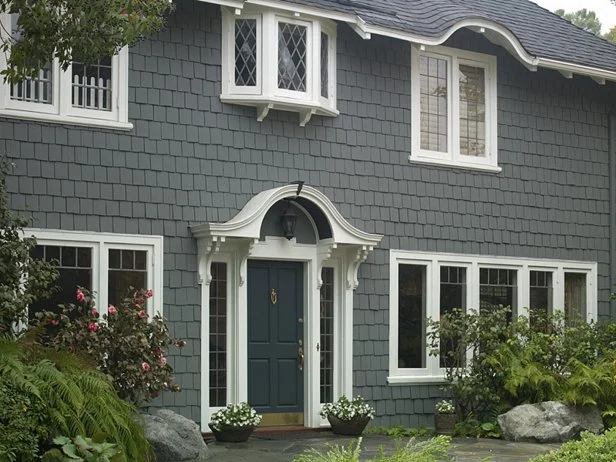
Credit: www.hgtv.com
Choosing The Right Paint
Choosing the right paint for your home’s exterior can enhance curb appeal and protect against weather damage. Consider factors like climate, surface type, and color durability. Opt for high-quality paints that resist fading and peeling to maintain a fresh look longer.
Choosing the right paint for your home’s exterior is crucial to achieving a long-lasting and visually appealing result. It’s not just about picking a pretty color; you need to consider the type of paint that will endure the elements and enhance your home’s curb appeal. With the right choice, you can save yourself from frequent repainting and ensure your home looks stunning for years.Types Of Exterior Paint
Exterior paints come in various types, each offering different benefits. Latex paint is popular due to its durability and ease of cleaning. It’s also environmentally friendly, making it a top choice for many homeowners. Oil-based paints, on the other hand, provide a smooth finish and are excellent for covering imperfections. While they might take longer to dry, their resistance to wear and tear is unmatched.Color Selection Tips
Choosing the perfect color can be a daunting task. Start by considering the architecture of your home and the surrounding environment. Are you aiming for a classic look or something bold and modern? Test paint samples on a small section of your house to see how they look at different times of day. Remember, lighter colors reflect heat, while darker shades can make a home appear smaller.Weather Considerations
Weather plays a significant role in how paint behaves. If you live in a region with harsh winters, opt for paint that can withstand freezing temperatures. In humid areas, mold-resistant paints are a smart choice. Always check the weather forecast before painting; a dry, mild day is ideal. Have you ever had paint crack due to a sudden temperature drop? It’s a lesson learned the hard way that can be easily avoided with proper planning. Choosing the right paint is more than just a simple decision. It’s about taking into account various factors to ensure your home stands out and remains protected. What will your home say about you once the paint dries?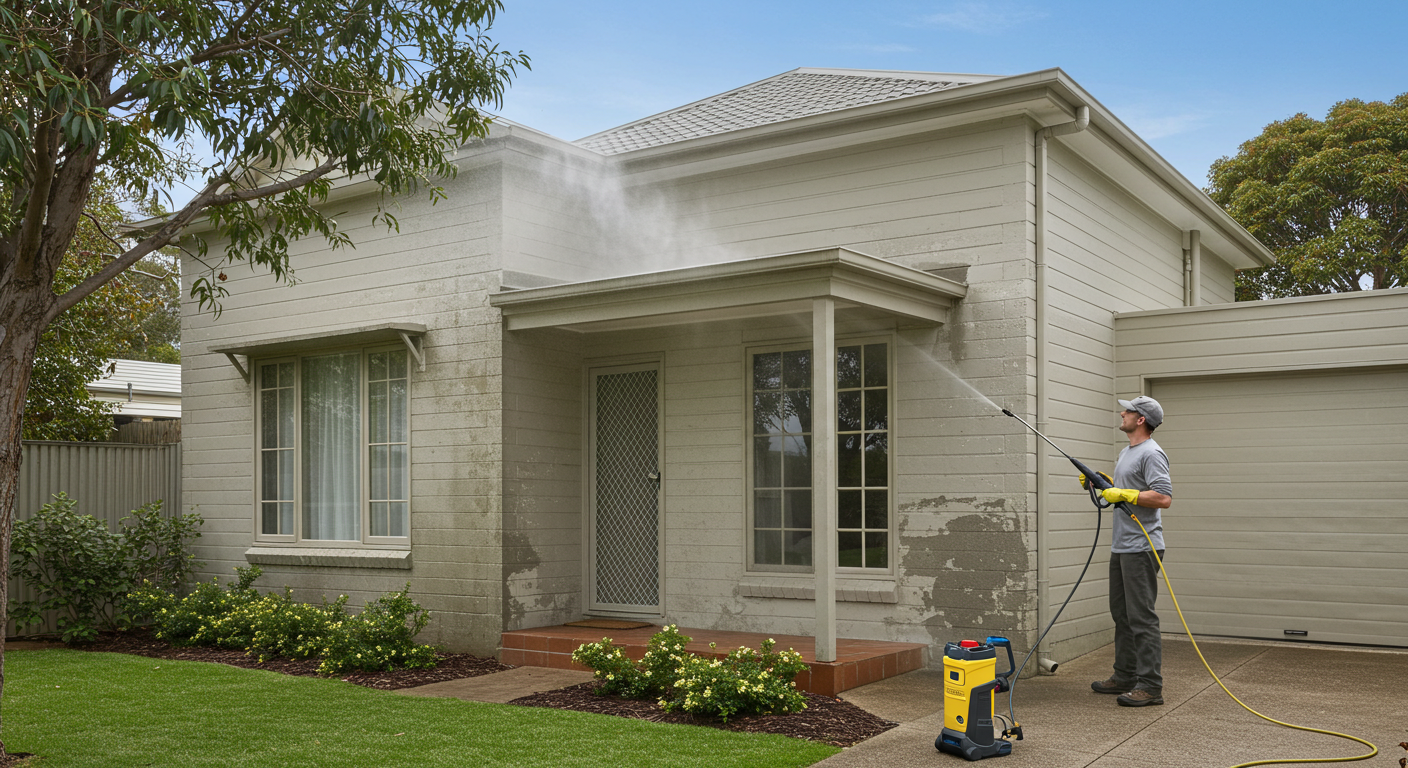
Credit: finaltouchpaintdecor.com.au
Preparing The Surface
Preparing the surface is crucial for a smooth paint job. Begin by cleaning dirt and debris from walls. Repair cracks and holes, ensuring a flawless foundation for your new color.
Painting the exterior of your home is a rewarding project that boosts curb appeal and protects against the elements. However, the key to a successful paint job lies in the preparation. Ensuring a clean, smooth surface is crucial for the paint to adhere properly and last for years.Cleaning The Exterior
The first step in preparing your home for painting is a thorough cleaning. Dust, dirt, and mildew can prevent paint from sticking properly. Use a pressure washer for larger areas; it efficiently removes grime without much effort. For stubborn spots, a mixture of water and mild detergent can be applied with a scrub brush. Don’t forget to rinse thoroughly afterward to remove any soap residue. A clean surface is essential for a smooth and even finish.Repairing Damages
Before painting, inspect the exterior for any damages. Cracks, holes, or loose siding can detract from the final look and compromise the protective layer paint provides. Use a high-quality filler for small holes and cracks. For larger repairs, like replacing damaged siding, consider enlisting a professional if you’re unsure. Addressing these issues now will prevent bigger problems in the future. This step ensures a flawless finish and extends the life of your paint job.Priming The Surface
Priming is a crucial step that often gets overlooked. A good primer ensures better adhesion, increases durability, and provides a uniform base for your paint. Apply a primer specifically suited for your material—wood, vinyl, or metal. Using a roller or brush, apply the primer evenly and allow it to dry completely. This might seem like an extra task, but it can make all the difference in the longevity and appearance of your paint. Remember, preparation is the foundation of a successful exterior painting project.Gathering Necessary Tools
Gather essential tools like brushes, rollers, and ladders before painting your home’s exterior. Include drop cloths and painter’s tape for protection. These items ensure a smooth painting process.
Gathering the right tools is a crucial step in painting your home’s exterior. Without the proper equipment, even the simplest task can become a daunting challenge. By preparing your tools in advance, you ensure a smoother, more efficient painting process.Essential Painting Equipment
Start with quality brushes and rollers. A sturdy roller with an extendable handle can save you from unnecessary strain. Don’t forget a paint tray and a sturdy ladder to reach high spots safely. For large areas, consider using a paint sprayer. While it requires a bit of practice, it can dramatically cut down your painting time. Ensure you have enough paint and primer to complete the job without interruptions.Safety Gear
Your safety is paramount. Equip yourself with a pair of safety glasses to protect your eyes from splashes. A good pair of gloves will keep your hands clean and avoid skin irritation. If you’re using a paint sprayer, a respirator mask is essential to avoid inhaling fumes. Also, wear sturdy shoes to prevent slips and falls on ladders or slick surfaces.Additional Supplies
Don’t overlook the small but vital extras. Painter’s tape will help you achieve clean edges and protect areas you don’t want painted. Drop cloths are necessary to cover and protect surfaces from drips. A wire brush or sandpaper can be used to prepare surfaces for painting. Having a bucket of soapy water and rags nearby can help manage spills and clean brushes quickly. Have you ever thought about how much easier the task can be when you’re fully prepared? Gathering these tools ahead of time can make your painting project not only possible but enjoyable. After all, transforming your home’s exterior should be a rewarding experience.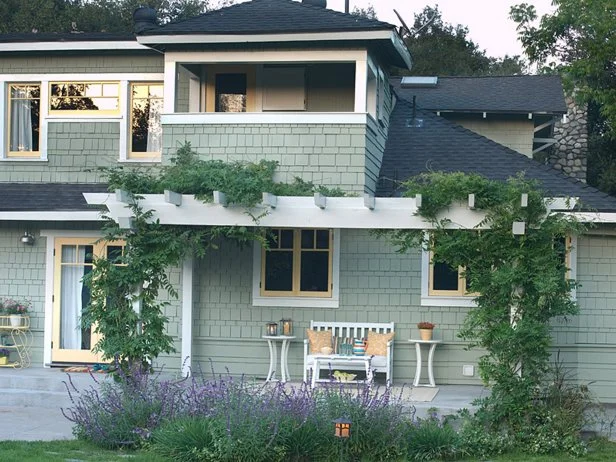
Credit: www.hgtv.com
Painting Techniques
Choose quality paint and tools for a lasting finish. Prep surfaces by cleaning and repairing any damage. Apply primer before painting to ensure even coverage.
Painting the exterior of your home can be a rewarding project, transforming its look and feel while adding value. Achieving a flawless finish, however, requires mastering a few essential painting techniques. Whether you’re a seasoned DIYer or a first-time painter, understanding the nuances of different methods will help you choose the right approach for your project.Brush Vs. Spray
Choosing between a brush and a spray can significantly impact your painting experience and the final results. Brushes offer precision, making them ideal for edges and detailed work, but they can be time-consuming. Sprayers, on the other hand, cover large areas quickly and provide a smooth finish, though they require more preparation to protect surrounding areas from overspray. Consider the size of your project and the level of detail involved. A brush might be more suited for intricate trim work, while a sprayer is perfect for broad walls. Remember, using a sprayer can be a bit messy, so proper masking and preparation are key.Using Rollers
Rollers strike a balance between speed and precision, making them a popular choice for exterior walls. They are excellent for covering large, flat surfaces with consistent texture. When using rollers, choose a nap thickness that matches the texture of your wall; a thicker nap for rough surfaces and a thinner one for smooth surfaces. Rollers are best used in a systematic manner. Start at the top and work your way down in sections, maintaining a wet edge to avoid lap marks. You’ll find that rollers can be less tiring than brushes and more manageable than sprayers, making them a versatile tool in your painting arsenal.Layering And Coating
Achieving a durable, long-lasting finish often requires multiple coats. A common mistake is to rush through this process, but patience pays off. Applying thin, even layers allows each coat to dry properly, ensuring a smooth, professional look. Begin with a primer if your surface is unpainted or if you’re making a drastic color change. Follow with two or more coats of your chosen paint, allowing adequate drying time between each. Keep in mind that weather conditions can affect drying times, so plan your project during a period of mild, dry weather for optimal results. Have you ever rushed through a paint job only to be disappointed with the results? Taking the time to apply each layer with care can make all the difference in achieving a finish you’ll love.Dealing With Challenges
Preparing to paint an exterior home can be daunting due to weather unpredictability. Choose the right time and materials for durability. Proper surface preparation ensures a smooth, lasting finish while understanding paint types prevents peeling and fading.
Painting the exterior of your home can be a rewarding experience, but it’s not without its challenges. Tackling these issues head-on is key to achieving a professional-looking finish. Whether it’s unpredictable weather, uneven surfaces, or common pitfalls, each challenge demands your attention and strategy. Let’s dive into some of these hurdles and how you can effectively manage them.Weather Interruptions
Weather is perhaps the most unpredictable challenge you’ll face. A clear, dry day can quickly turn into a painter’s nightmare with sudden rain or high winds. Always check the weather forecast before starting your project. Consider keeping a flexible schedule. This allows you to adapt to sudden changes in the weather without stress. Having a plan B, like working on covered areas or prepping another section, can save you time and effort.Handling Uneven Surfaces
Uneven surfaces can be a real test of your painting skills. They can cause paint to drip, creating an unsightly mess. To manage this, start by thoroughly cleaning and sanding the surface. Using a quality primer can help in leveling out the surface, providing a smoother base for your paint. Have you considered using a roller with a thicker nap? It’s perfect for getting into those uneven areas, giving you an even coat.Avoiding Common Mistakes
Many DIY painters fall into the trap of common mistakes. Have you ever started painting without proper surface preparation? Skipping this step can lead to peeling paint and wasted effort. Always invest in quality paint and tools. They might be more expensive upfront, but they last longer and provide better coverage. Also, be patient and let each layer dry completely before adding another. It might seem tedious, but it’s essential for a flawless finish. Tackling these challenges with the right approach can transform your painting project from daunting to doable. What’s your biggest challenge when painting? Address it head-on, and you might find it’s easier than you thought.Finishing Touches
Brush strokes complete the home’s exterior charm. Ensure even coverage and smooth finishes for a professional look. Choose durable paint that withstands weather and enhances curb appeal.
Finishing touches are the cherry on top of your exterior painting project, transforming a good paint job into a great one. This phase is all about the details that make your home stand out. It’s your chance to catch any minor imperfections and ensure every corner reflects your hard work.Detail Work
Pay attention to the small areas that can make a big difference. This includes window sills, door frames, and eaves. Use a smaller brush for precision and ensure the edges are clean and sharp. Take a step back every now and then. Look at the house from different angles to spot anything you might have missed. This attention to detail is what separates a professional-looking job from an amateur one.Cleanup Process
Once the painting is complete, it’s time to clean up. Gather all the tools and materials, ensuring everything is properly cleaned and stored. Dispose of paint containers responsibly. Check if your local community has specific guidelines for paint disposal. Don’t forget to clean any accidental paint spots on the floor or windows. It’s easier to remove them when they’re fresh.Final Inspection
Conduct a thorough inspection of your work. Walk around the house with a critical eye, looking for any spots that need touch-ups. Consider asking a friend or family member for their opinion. A fresh set of eyes can catch things you might have overlooked. Ask yourself: does your home now look more vibrant and well-kept? If yes, then you’ve done an excellent job. Your hard work has paid off, and now it’s time to enjoy the refreshed look of your exterior.Maintenance Tips
Preparing the surface is key. Clean walls to remove dirt and repair any cracks. Use quality exterior paint for lasting results. Apply primer to ensure smooth and even coverage. Protect windows and doors with tape before painting. Work in dry weather for the best finish.
Maintaining a freshly painted exterior requires regular care. This ensures the paint stays vibrant and protective. Following these maintenance tips can help your home look its best for years.Regular Cleaning
Keep your exterior clean to preserve its beauty. Use a garden hose to rinse dust and dirt. For stubborn grime, mix mild soap with water. Scrub gently using a soft brush or sponge. Avoid harsh chemicals that can damage the paint. Clean twice a year for the best results.Addressing Wear And Tear
Inspect your home for signs of wear. Look for peeling paint or cracks. Address these issues promptly. Use a scraper to remove loose paint. Sand the area to smooth it. Apply primer and a fresh coat of paint. This prevents further damage and maintains your home’s appeal.Future Touch-ups
Keep extra paint for future touch-ups. Match the original color accurately. Use a small brush for precise application. Blend the new paint with the old for a seamless finish. Regular touch-ups extend the life of your paint job. This saves time and money in the long run.Frequently Asked Questions
What Is The Best Paint For Exterior Home?
Choosing the right paint is crucial for durability and appearance. Acrylic latex paint is popular for its weather resistance and ease of application. It offers excellent adhesion and flexibility, making it ideal for various surfaces. Ensure the paint is suitable for your climate and surface type.
How Do I Prepare My Home’s Exterior For Painting?
Proper preparation ensures paint longevity and smooth application. Start by cleaning surfaces to remove dirt and mildew. Repair any damage, such as cracks or holes. Sand rough areas for better adhesion. Apply primer to enhance paint durability, especially on porous surfaces or where colors change.
How Often Should I Repaint My Home’s Exterior?
Repainting frequency depends on paint quality and environmental factors. Generally, repaint every 5 to 10 years for optimal protection. Monitor your exterior for signs of wear, like fading or peeling. Regular maintenance and touch-ups extend the lifespan of your paint job.
Can I Paint My Home’s Exterior Myself?
Painting yourself can save money but requires careful planning and execution. Assess your skill level and time availability. Use proper tools and techniques for best results. Safety precautions are crucial, especially for high areas. Consider hiring professionals if the task seems overwhelming.
Conclusion
Painting your home’s exterior can transform its look. It requires patience and planning. Start with cleaning the surface. Repair any damage before priming. Choose quality paint for long-lasting results. Consider weather conditions for best application times. Use the right tools for smoother finishes.
Regular maintenance extends your paint’s life. A fresh coat protects and beautifies. Don’t rush the process; take your time. Enjoy the satisfaction of a job well done. With these steps, your home gains curb appeal. Your efforts make a lasting impression.
Painting becomes a rewarding experience.